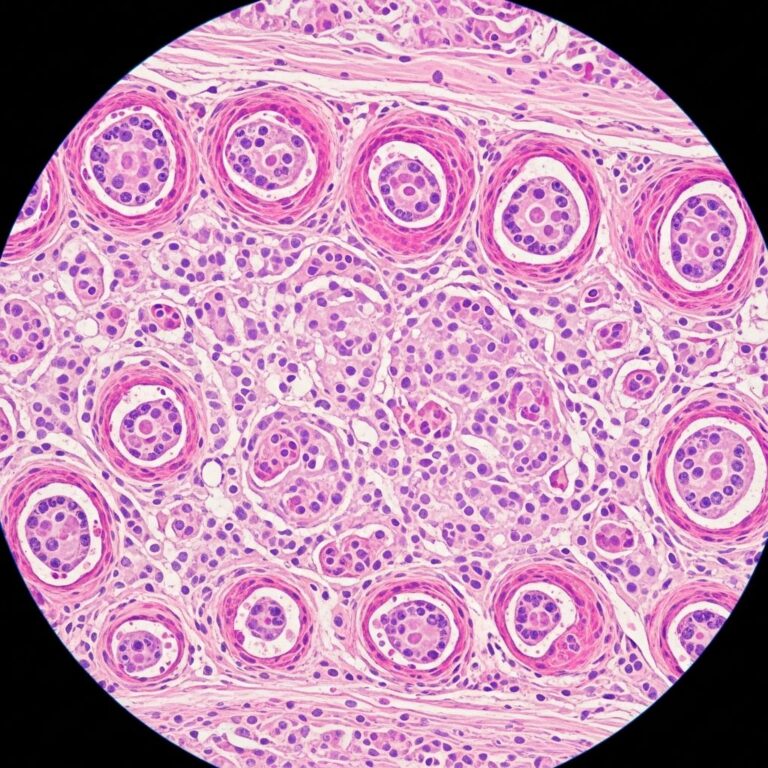
Navigating Life with Psoriatic Arthritis
Comprehensive guide to managing psoriatic arthritis symptoms, treatments, and daily life strategies for better quality of life.

Psoriatic arthritis (PsA) is a chronic inflammatory condition that affects both joints and skin, stemming from an overactive immune system. While there is no cure, effective management through medications, lifestyle adjustments, and supportive therapies can significantly reduce symptoms and prevent joint damage.
Recognizing the Signs of Psoriatic Arthritis
PsA often develops in people with psoriasis, a skin condition characterized by red, scaly patches. Joint symptoms include pain, stiffness, and swelling, particularly in fingers, toes, and the lower back. Unlike other forms of arthritis, PsA can cause asymmetric joint involvement and distinctive nail changes like pitting or separation from the nail bed.
- Joint-related symptoms: Persistent pain and tenderness, especially in the morning or after inactivity.
- Skin manifestations: Psoriasis plaques alongside dactylitis, or ‘sausage-like’ swelling of digits.
- Enthesitis: Inflammation where tendons attach to bones, common at the heels or elbows.
- Eye involvement: Uveitis leading to redness, pain, and light sensitivity in rare cases.
Symptoms fluctuate in cycles, with flares triggered by stress, infections, or injury. Early recognition is crucial to prevent irreversible damage.
Unraveling the Causes and Risk Factors
PsA arises when the immune system mistakenly attacks healthy tissues, causing inflammation in joints, skin, and entheses. Genetic predisposition plays a key role; individuals with a family history of psoriasis or PsA face higher risk. Environmental triggers like obesity, smoking, infections, and physical trauma can initiate or exacerbate the disease.
| Risk Factor | Description | Impact |
|---|---|---|
| Genetics | Family history of psoriasis or PsA | Increases susceptibility by 30-50% |
| Obesity | Excess body weight | Worsens inflammation and flare frequency |
| Infections/Trauma | Viral or bacterial triggers, injuries | May precipitate onset |
| Psoriasis | Prior skin condition | Up to 30% progress to PsA |
Understanding these factors empowers proactive prevention strategies.
Comprehensive Treatment Approaches
Treatment is tailored to symptom severity, aiming to control inflammation, alleviate pain, protect joints, and clear skin. A multidisciplinary team, including rheumatologists and dermatologists, often collaborates for optimal outcomes.
Pharmacological Interventions
Medications form the cornerstone of PsA management:
- NSAIDs: Ibuprofen or naproxen for mild pain and swelling relief.
- DMARDs: Methotrexate or leflunomide to slow disease progression.
- Biologics: TNF inhibitors (e.g., adalimumab, etanercept) or IL-17/IL-23 blockers (e.g., secukinumab, guselkumab) for moderate-to-severe cases.
- JAK inhibitors: Upadacitinib or tofacitinib as targeted oral options.
- Corticosteroids: Injections for acute flares.
Non-Drug Therapies
Physical therapy enhances mobility, strength, and endurance. Low-impact exercises like swimming or yoga reduce stiffness without joint stress.
Adopting a PsA-Friendly Lifestyle
Daily habits profoundly influence PsA progression. A balanced diet rich in omega-3s (from fish, nuts) and antioxidants combats inflammation. Weight management lessens joint burden.
- Quit smoking to lower flare risk.
- Prioritize sleep for immune regulation.
- Incorporate stress-relief practices like meditation.
Heat packs soothe stiffness, while cold therapy curbs swelling.
Handling Flares and Long-Term Monitoring
Flares involve intensified pain and fatigue. Track triggers via journals and adjust treatments promptly. Regular check-ups monitor disease activity and medication efficacy.
Related Stories



Support Networks and Mental Health
PsA’s unpredictability can strain mental health. Join patient communities for shared experiences. Cognitive behavioral therapy addresses anxiety and depression.
Frequently Asked Questions (FAQs)
What is the difference between psoriasis and psoriatic arthritis?
Psoriasis primarily affects skin, while PsA adds joint inflammation and potential enthesitis.
Can PsA be reversed?
No cure exists, but remission is achievable with consistent treatment.
Are biologics safe long-term?
They effectively control PsA but require monitoring for infections.
How does diet impact PsA?
Anti-inflammatory diets may reduce flares; avoid processed foods.
When is surgery considered for PsA?
For severe, unresponsive joint damage.
Emerging Therapies and Future Outlook
Ongoing research explores new biologics and personalized medicine. Early intervention yields better prognosis.
References
- Treatment Options for Psoriatic Arthritis — Arthritis Foundation. 2022-06-17. https://www.arthritis.org/health-wellness/treatment/treatment-plan/disease-management/treatment-options-for-psoriatic-arthritis
- Understanding Psoriatic Arthritis: Symptoms, Causes, and Effective Treatment Options — Katy Rheumatology. N/A. https://www.katyrheumatology.com/blog/understanding-psoriatic-arthritis-symptoms-causes-and-effective-treatment-options
- Psoriatic Arthritis — Advocate Health Care. N/A. https://www.advocatehealth.com/health-services/rheumatology/psoriatic-arthritis
- Living With Psoriatic Arthritis: What To Expect — Cleveland Clinic. N/A. https://my.clevelandclinic.org/watch/living-with-psoriatic-arthritis
- Psoriatic Arthritis Symptoms, Causes, & Risk Factors — NIAMS (NIH). N/A. https://www.niams.nih.gov/health-topics/psoriatic-arthritis
- Psoriatic Arthritis – Symptoms & Causes — Mayo Clinic. N/A. https://www.mayoclinic.org/diseases-conditions/psoriatic-arthritis/symptoms-causes/syc-20354076
Similar Articles








Read full bio of medha deb