Peyronie’s Disease: Comprehensive Guide To Diagnosis And Care
Understand the realities of Peyronie's disease, from daily challenges to proven treatments and hope for better intimacy.
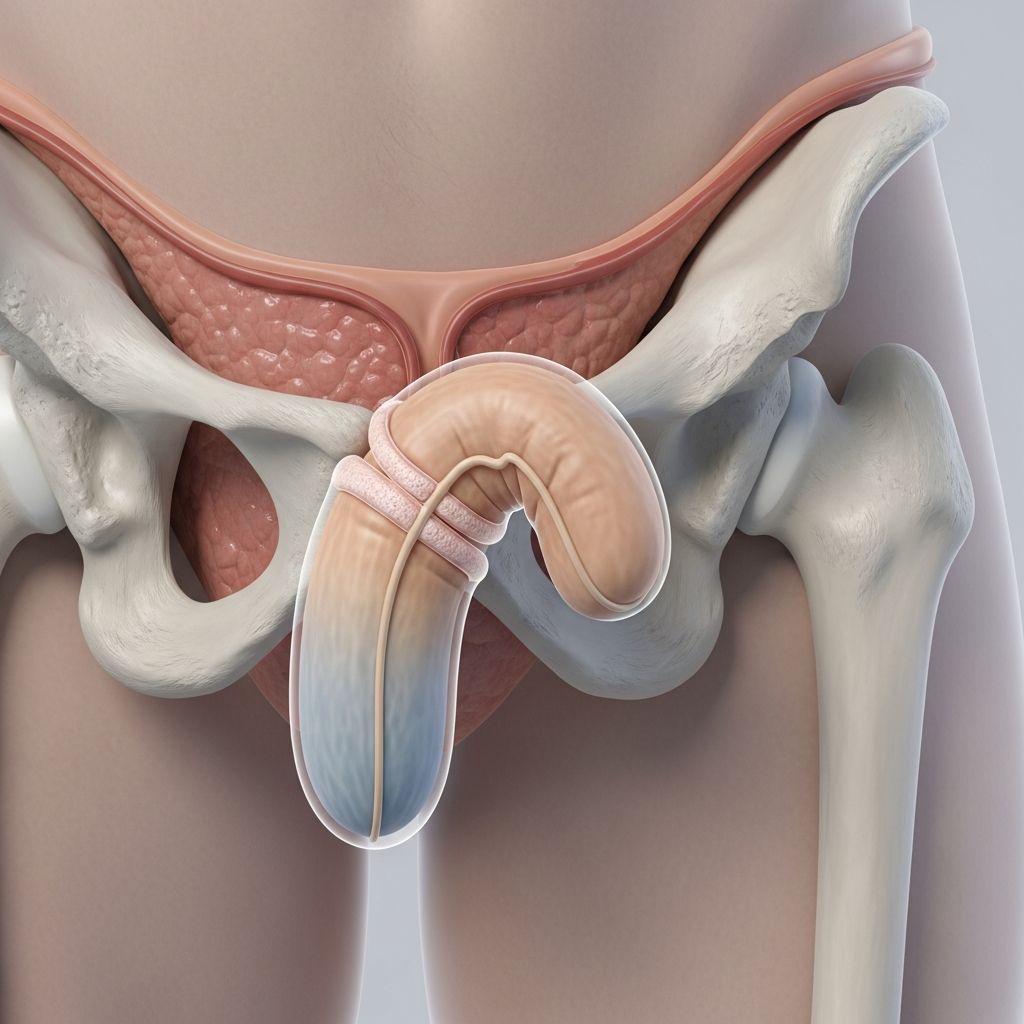
Peyronie’s disease involves the development of fibrous scar tissue in the penis, leading to curvature during erections, potential pain, and challenges with sexual function. This condition affects many men, often emerging suddenly and altering intimate relationships profoundly.
Understanding the Core Mechanisms
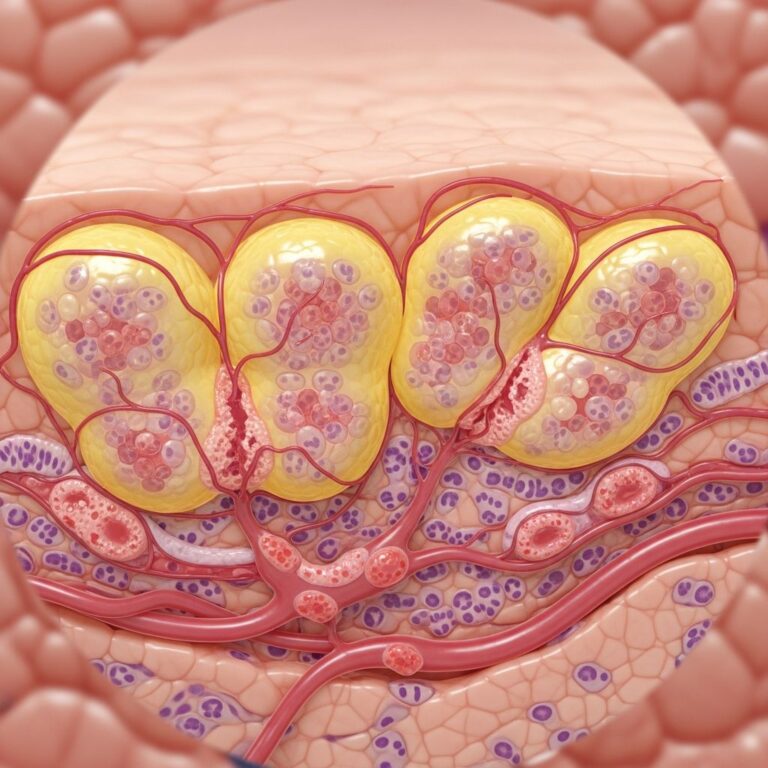
The condition arises from abnormal wound healing in the tunica albuginea, the fibrous layer surrounding the erectile tissue. Microtrauma, such as from vigorous sexual activity, triggers plaque formation, resulting in fibrosis and penile angulation. Theories include microvascular injury, genetic factors like fibroblast instability, and cytokine overproduction, with possible roles for cytomegalovirus and TGF-β1 gene polymorphisms.
Progression typically occurs in two phases: an acute phase with evolving pain and curvature, followed by a chronic phase where symptoms stabilize. Early intervention can prevent worsening, though the disease rarely resolves spontaneously.
Recognizing Key Indicators
Common signs include a palpable lump or hardened area on the penis, noticeable bending upward, downward, or sideways during erection, and pain that may lessen over time. Shortening or narrowing of the penis can also occur, impacting confidence and function.
- Physical changes: Curvature exceeding 30 degrees often hinders penetration.
- Pain levels: Most intense in the acute phase, subsiding in chronic stages.
- Associated issues: Up to 80% of cases link with erectile dysfunction due to mechanical deformation.
Diagnosis involves a physical exam, patient history, and sometimes ultrasound to assess plaque size and extent. Self-examination during erection helps identify changes early.
Emotional and Relational Impacts
Beyond physical symptoms, Peyronie’s disease strains mental health, causing anxiety, depression, and diminished self-esteem. Many men report avoidance of intimacy due to embarrassment or fear of pain, leading to relationship tension.
Partners may feel rejected or confused, exacerbating isolation. Open communication and counseling prove vital for maintaining bonds. Support groups offer shared experiences, reducing the sense of uniqueness in suffering.
Phases of Progression and Monitoring
| Phase | Duration | Main Features | Management Approach |
|---|---|---|---|
| Acute | 6-18 months | Pain, evolving curvature, plaque development | Traction therapy, pain relief, oral meds |
| Chronic | Stabilizes after acute | Stable deformity, less pain, ED risks | Injections, surgery if severe |
Watchful waiting suits mild cases, with regular check-ins to track progression.
Non-Invasive Treatment Strategies
Traction therapy stands out as the only method proven to restore length and reduce curvature when applied early. Devices apply gentle, sustained stretch to remodel tissue, used 30-90 minutes daily.
Oral therapies lack robust evidence but include pentoxifylline for anti-fibrotic effects and PDE5 inhibitors like tadalafil (5mg daily) to slow progression and aid erections. These are off-label and best for early stages.
Emerging options like extracorporeal shockwave therapy (ESWT) and platelet-rich plasma (PRP) show promise but remain experimental with mixed results.
Injection-Based Interventions
Collagenase clostridium histolyticum (Xiaflex), the sole FDA-approved treatment since 2013, enzymatically breaks down plaques. Protocol involves cycles of injections into the plaque, followed by modeling, reducing curvature by 30-35% on average.
- Interferon alpha-2b: Disrupts fibrosis, eases pain; administered every two weeks for three months.
- Verapamil: Blocks fibroblast activity; modest curvature improvement, strong pain relief, though trials conflict.
Related Stories



Iontophoresis delivers verapamil topically via electric current, offering non-needle pain control with variable efficacy.
Surgical Solutions for Advanced Cases
Reserved for chronic phase with stable deformity over 12 months and significant impairment, surgery straightens the penis via plaque excision, grafting, or tunica plication. Outcomes restore function but risk length loss or ED.
Penile implants address concurrent severe ED, combining curvature correction.
Lifestyle Adjustments for Better Management
Quitting smoking improves vascular health, while weight management and pelvic floor exercises enhance erectile function. Avoiding high-risk sexual positions prevents aggravation.
Daily traction integrates well into routines, promoting gradual improvement without downtime.
Partner Involvement and Intimacy Tips
Discussing the condition openly fosters understanding. Experimenting with positions minimizing curvature stress, using lubricants, and focusing on non-penetrative pleasure maintains connection. Couples therapy addresses relational fallout.
Recent Advances and Future Directions
Post-2023 studies emphasize combination therapies, like Xiaflex with traction, yielding superior outcomes. Stem cell research and targeted anti-fibrotics hold potential, though not yet standard.
Radiation therapy, once used, is obsolete due to risks and inefficacy.
Frequently Asked Questions
Does Peyronie’s disease affect fertility?
No, it does not impact sperm production or fertility.
Can it resolve without treatment?
Rarely; most cases persist or worsen without intervention.
How soon should I see a doctor?
Immediately upon noticing lumps, pain, or curvature to halt progression.
Is traction therapy painful?
Mild discomfort possible, but adjustable for comfort.
What are realistic expectations from Xiaflex?
20-40% curvature reduction, not full straightening.
Building Resilience and Seeking Support
While challenging, many men regain satisfying sex lives through treatment and mindset shifts. Urology specialists, psychologists, and patient networks provide comprehensive care. Early action maximizes recovery potential.
Expand your knowledge with reputable resources and consult professionals for tailored plans.
References
- Peyronie Disease – StatPearls — NCBI Bookshelf. 2023-10-01. https://www.ncbi.nlm.nih.gov/books/NBK560628/
- Peyronie’s disease – Diagnosis and treatment — Mayo Clinic. 2023-11-15. https://www.mayoclinic.org/diseases-conditions/peyronies-disease/diagnosis-treatment/drc-20353473
- Peyronie’s Disease — Yale Medicine. 2024-02-20. https://www.yalemedicine.org/conditions/peyronie-disease
- Peyronie’s disease — NHS. 2023-05-10. https://www.nhs.uk/conditions/peyronies-disease/
- Peyronie’s disease – Symptoms and causes — Mayo Clinic. 2023-11-15. https://www.mayoclinic.org/diseases-conditions/peyronies-disease/symptoms-causes/syc-20353468
- Peyronie’s Disease Treatment at Mayo Clinic — Mayo Clinic YouTube. 2022-08-05. https://www.youtube.com/watch?v=K7cBhSDjhNg
- Peyronie’s Disease: Causes, Symptoms, Diagnosis & Treatment — Cleveland Clinic. 2024-01-12. https://my.clevelandclinic.org/health/diseases/10044-peyronies-disease
Similar Articles








Read full bio of Sneha Tete