Driving With Parkinson’s: Expert Guide To Safer Driving
Essential strategies for safe driving, assessments, and transitioning from the wheel for those living with Parkinson's disease.
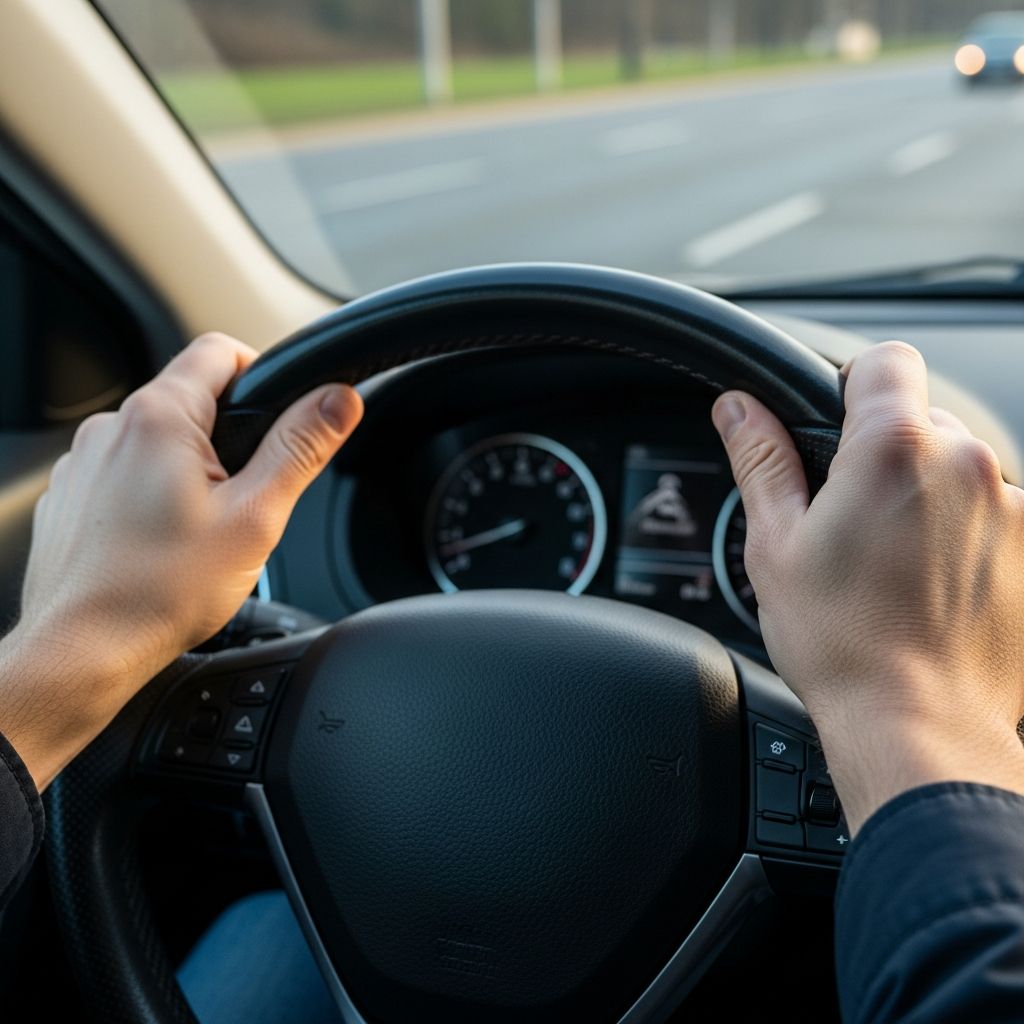
Parkinson’s disease progressively affects motor control, cognition, and reaction times, posing unique challenges to driving safety. While many individuals manage driving effectively in early stages with proper symptom management, ongoing vigilance and professional input are crucial to prevent accidents and preserve independence.
Core Symptoms Interfering with Vehicle Operation
The hallmark features of Parkinson’s—tremors, muscle rigidity, slowed movements (bradykinesia), and balance issues—directly compromise the precision required for safe driving. Tremors in extremities can disrupt steady steering or pedal control, while rigidity leads to abrupt or inconsistent motions.
Bradykinesia delays responses to sudden hazards, such as braking in traffic or evading obstacles. Postural instability often causes a forward-leaning stance, limiting peripheral vision and increasing collision risks. Medication fluctuations, including ‘off’ periods or drowsiness from therapies like deep brain stimulation, further heighten dangers.
- Tremors: Interfere with grip on wheel or foot pedals.
- Rigidity: Causes jerky steering adjustments.
- Bradykinesia: Slows reaction to traffic signals or pedestrians.
- Postural issues: Reduces awareness of surroundings.
Self-Monitoring for Driving Readiness
Individuals with Parkinson’s should routinely assess their capabilities through self-reflection and input from close contacts. Review personal driving history for incidents like fender-benders, frequent honking from others, or scrapes on the vehicle, which signal emerging impairments.
Track symptom patterns, especially during medication peaks and troughs. Note episodes of disorientation on routine paths, memory lapses, or prolonged ‘off’ times that coincide with driving. Family observations of hesitation at intersections or inappropriate speeds provide objective perspectives.
| Warning Sign | Implication | Action Step |
|---|---|---|
| Vehicle dings or crashes | Reduced spatial judgment | Log incidents; consult doctor |
| Getting lost on familiar routes | Cognitive decline | Seek cognitive screening |
| Family expresses concerns | Observed unsafe behaviors | Initiate open discussion |
| Attention or memory issues | Multitasking failure | Undergo formal evaluation |
Practical Adjustments for Continued Driving
For those in milder disease phases, targeted modifications extend safe driving. Prioritize daylight hours and avoid rush periods or complex routes to minimize cognitive load. Eliminate distractions like phone use and plan trips during optimal medication windows.
Maintain physical fitness through exercises targeting neck flexibility, trunk strength, and posture. Defensive driving courses tailored for neurological conditions sharpen hazard anticipation. Adaptive tools, such as enlarged mirrors or pedal extensions, can compensate for motor limitations.
- Stick to well-known paths during off-peak times.
- Perform pre-drive stretches for better mobility.
- Opt for vehicles with automatic transmission and power steering.
- Monitor fatigue and medicate timing closely.
Professional Driving Fitness Evaluations
Healthcare providers play a pivotal role by referring patients to specialized assessments. Occupational therapists (OTs) conduct initial screenings of physical, visual, and cognitive functions to predict on-road performance.
Driving Rehabilitation Specialists (DRSs) offer comprehensive exams, including simulator tests and actual road trials. These evaluate reaction times, decision-making under pressure, and navigation skills. Results guide recommendations for training, vehicle mods, or license surrender.
Programs like CarFit provide vehicle-person fit checks, ensuring seat height, mirror angles, and control access suit individual needs. National directories, such as those from the Association for Driver Rehabilitation Specialists, help locate certified experts.
Related Stories



Family and Caregiver Roles in Monitoring
Loved ones must observe behavioral cues indicating decline, such as poor distance gauging, unprompted stops, lane drifting, or ignoring signals. Cognitive red flags include confusion in known areas, mood instability, or problem-solving deficits.
Encourage honest dialogues early, framing concerns around shared safety rather than loss of autonomy. Assist with alternatives like ride-sharing or home deliveries to ease transitions. Collaborate with physicians to align medical advice with observed changes.
Global Guidelines and Regulatory Frameworks
Multiple nations have formalized protocols for Parkinson’s driving fitness. Australia, Canada, Ireland, New Zealand, Singapore, the UK, and the US issue guidelines emphasizing regular medical reviews and multidisciplinary assessments.
Professional bodies like the American Academy of Neurology advocate basing restrictions on combined motor-cognitive evaluations and treatment responses. These frameworks prioritize public safety while respecting patient independence.
Planning the Shift Away from Driving
Proactive planning mitigates emotional and logistical hurdles of cessation. Develop backup transportation early, exploring public transit adaptations, volunteer driver networks, or autonomous vehicle options. Financial planning for rideshare services or modified vehicles preserves quality of life.
Address grief over lost independence through support groups and counseling. Emphasize retained freedoms via adaptive tech and community resources. Studies show earlier voluntary quits correlate with fewer crashes and better adjustment.
Frequently Asked Questions
Can early-stage Parkinson’s patients drive safely?
Yes, with controlled symptoms via meds and exercise, many do so initially, but annual re-evaluations are essential.
What if medications cause sleepiness?
Avoid driving during onset; discuss adjustments with your neurologist.
How often should evaluations occur?
Annually or after symptom/m medication changes; more if red flags appear.
Are there vehicle modifications for Parkinson’s?
Yes, including swivel seats, hand controls, and widened pedals via DRS recommendations.
What support exists post-driving?
Itinerant services, senior shuttles, and PD-specific transport programs.
Emerging Research on Driving Risks
Meta-analyses reveal Parkinson’s drivers face doubled crash odds after about 6-7 years, driven by cumulative motor-cognitive deficits. Simulator studies highlight intersection errors and left-turn hesitations as common pitfalls.
Ongoing trials explore tech aids like collision alerts and eye-tracking systems to extend safe driving. Evidence supports multidisciplinary approaches for optimal outcomes.
References
- Driving with Parkinson’s Disease — Parkinson Association. 2023-09. https://parkinsonassociation.org/wp-content/uploads/2023/09/Driving.pdf
- Parkinson’s Disease and Driving a Car — WebMD. Accessed 2026. https://www.webmd.com/parkinsons-disease/parkinsons-disease-and-driving-a-car
- Parkinson’s and Driving: Fitness Evaluations and Safe Driving Practices — Movement Disorders Clinic. Accessed 2026. https://www.movementdisordersclinic.com/parkinsons-and-driving-fitness-evaluations-and-safe-driving-practices/
- Driving — Parkinson’s Foundation. Accessed 2026. https://www.parkinson.org/living-with-parkinsons/management/activities-daily-living/driving
- DriveWell: Driving When You Have Parkinson’s Disease — NHTSA. Accessed 2026. https://www.nhtsa.gov/sites/nhtsa.gov/files/10900f-drivewell-handout-parkinsons.pdf
- Driving and Parkinson’s Disease — Stanford Medicine. Accessed 2026. https://med.stanford.edu/parkinsons/treating-living/driving.html
Similar Articles








Read full bio of medha deb