Eczema In Teens: Practical Guide To Managing Flare-Ups
Discover practical strategies for teens managing eczema amid academic stress, social pressures, and mental health hurdles in today's world.
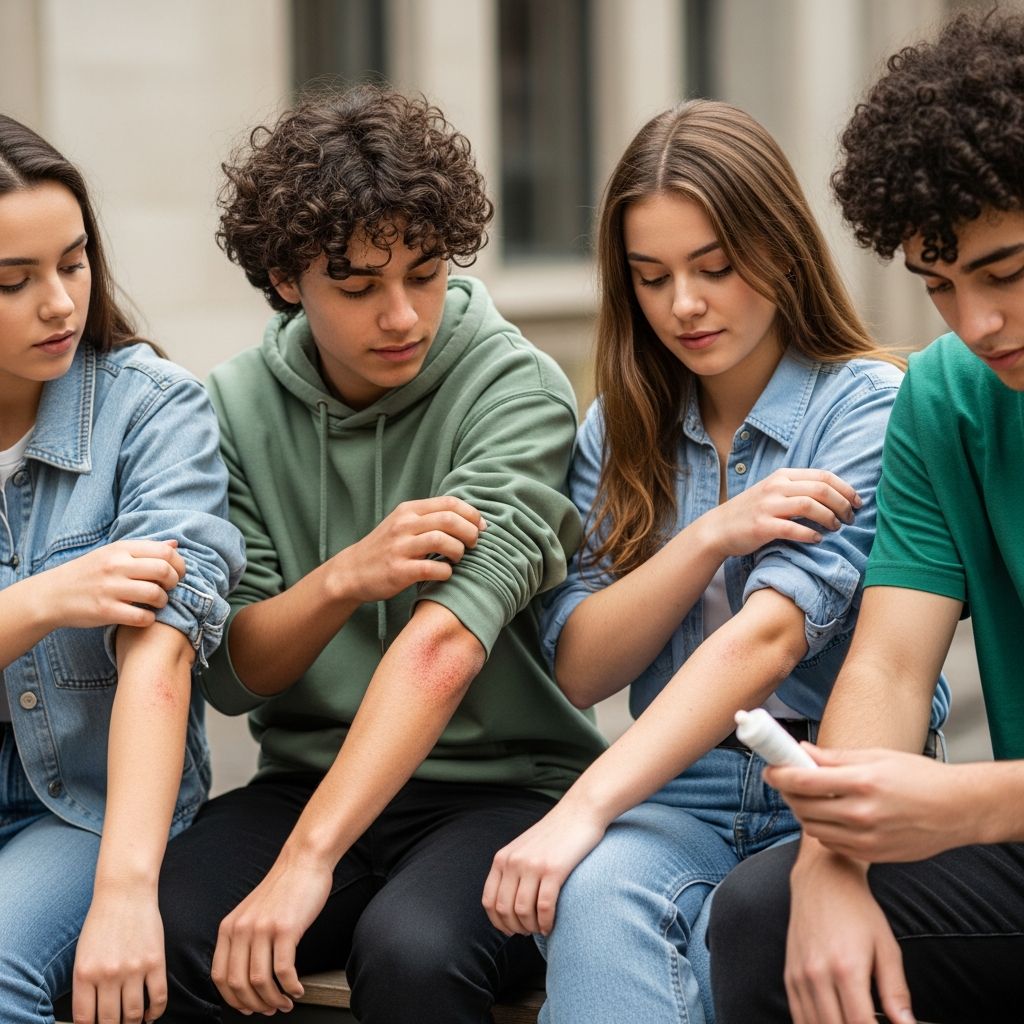
Teenagers with eczema face a unique set of hurdles that intertwine physical discomfort with the intense social and academic demands of adolescence. This chronic skin condition, characterized by itchy, inflamed patches, affects daily routines, self-image, and emotional well-being, especially in an era of heightened expectations and digital scrutiny.
Understanding Eczema in the Teenage Years
Eczema, or atopic dermatitis, often persists or flares up during puberty due to hormonal shifts, environmental triggers, and lifestyle changes. Teens may notice worsening symptoms from sweat-inducing sports, harsh school soaps, or stress-induced flares. According to recent health data, skin conditions like eczema impact a significant portion of adolescents, compounding with rising mental health concerns.
Key triggers include allergens in dorms or classrooms, fabric irritants in uniforms, and even climate-controlled environments that dry out skin. Managing these requires a proactive approach tailored to a teen’s busy schedule.
- Hormonal influences: Puberty alters oil production, potentially aggravating itchiness.
- Environmental factors: Pollen seasons or indoor heating exacerbate dryness.
- Lifestyle shifts: Late-night studying or junk food binges can provoke outbreaks.
The Emotional Toll of Visible Skin Conditions
Beyond physical symptoms, eczema challenges self-esteem during a time when appearance matters immensely. Social media amplifies insecurities, with teens comparing flawless filters to their own red, flaky skin. Studies indicate that over 70% of teens feel distressed by visible conditions, linking them to anxiety and isolation.
Peer perceptions add pressure; misconceptions about eczema being contagious lead to avoidance or teasing. This emotional burden mirrors broader teen mental health trends, where chronic sadness affects nearly half of girls and many boys.
| Challenge | Impact on Teens | Statistic Insight |
|---|---|---|
| Social Stigma | Withdrawal from activities | 77% report negative self-image from comparisons |
| Body Image | Low confidence in changing rooms | 43% experience persistent hopelessness |
| Peer Bullying | Increased anxiety | 30% rise in diagnoses since 2020 |
Balancing School Demands and Skin Management
Academic rigor tops stressors for 83% of teens, often clashing with eczema care needs. Long hours in stuffy classrooms, shared lockers with irritants, and exam stress trigger flares, leading to distraction and absenteeism. Post-pandemic, emotionally driven school avoidance has surged, particularly for those with chronic conditions.
Strategies include discreet moisturizing during breaks and advocating for accommodations like flexible deadlines during flare-ups. Building a support network with teachers fosters understanding without spotlighting the condition.
- Pack a ‘flare kit’ with fragrance-free creams and hydrocortisone.
- Schedule dermatologist visits around exam periods.
- Use breathable clothing under uniforms to minimize sweating.
Social Dynamics and Building Confidence
Friendships evolve rapidly in high school, and eczema can complicate group hangouts—beach trips itch from sand, sleepovers risk unfamiliar bedding. Yet, genuine friends prioritize personality over skin. Sharing selectively demystifies the condition, turning potential awkwardness into empathy.
Dating introduces vulnerability; explaining patches upfront prevents misunderstandings. Confidence grows from owning one’s story, perhaps through eczema awareness clubs or online communities for peer support.
Related Stories



Practical Skincare Routines for Busy Teens
A consistent routine combats flares without overwhelming schedules. Morning: Gentle cleanser, thick moisturizer, sunscreen. Evening: Lukewarm shower, pat dry, apply prescription topicals. Weekly: Bleach baths reduce bacteria.
Incorporate habits like humidifiers in bedrooms and hypoallergenic laundry detergents. Track triggers via apps to predict and prevent outbreaks.
- Product picks: Ceramide-based lotions lock in moisture.
- Quick fixes: Cold compresses soothe urgent itches.
- Diet tweaks: Anti-inflammatory foods like omega-3s may help.
Mental Health Strategies Amid Chronic Itch
The itch-scratch cycle fuels frustration, mirroring academic burnout symptoms like brain fog. Mindfulness apps offer 5-minute breathing exercises to interrupt urges. Journaling processes emotions, revealing stress-skin connections.
Professional help is crucial; with 60% of depressed teens untreated, early therapy prevents escalation. Cognitive behavioral techniques reframe ‘flawed skin’ narratives into ‘manageable trait’.
Sports, Activities, and Eczema Adaptation
Extracurriculars build résumés but challenge skin—sweat from soccer or chlorine from swim team irritates. Pre-activity moisturizing and post-shower routines mitigate risks. Adaptive gear like moisture-wicking fabrics helps.
Many athletes with eczema thrive by choosing low-irritant sports like yoga or track, proving the condition needn’t sideline ambitions.
Family and Professional Support Networks
Parents provide perspective, recalling simpler teen eras while validating modern pressures. Open dialogues normalize flares, reducing shame. Dermatologists tailor treatments; allergists identify hidden triggers.
School counselors bridge gaps, especially with rising support shortages. Peer groups via organizations offer solidarity.
Long-Term Outlook: Thriving Beyond Symptoms
Many outgrow severe eczema by adulthood, but learned resilience endures. Goal-setting, like vision boards, channels energy positively. Teens develop empathy, adaptability, and self-advocacy—skills outlasting any rash.
Frequently Asked Questions (FAQs)
Can stress really worsen eczema?
Yes, stress triggers cortisol release, inflaming skin. Manage via relaxation techniques.
Are there teen-friendly eczema treatments?
Non-steroidal topicals like crisaborole suit active lifestyles with fewer side effects.
How do I talk to friends about my eczema?
Be direct: ‘It’s a skin thing, not contagious—treats with cream.’
Does diet affect teen eczema?
Some find relief avoiding dairy or gluten; track personally.
What if school won’t accommodate my needs?
Request a 504 plan for medical accommodations.
References
- Teen Mental Health Statistics: 2026 Report — Huntington Psychological Services. 2026-01-15. https://huntingtonpsych.com/blog/teen-mental-health-statistics
- Stress in America Survey — American Psychological Association. 2025-10-01. https://huntingtonpsych.com/blog/teen-mental-health-statistics
- U.S. Surgeon General Advisory on Social Media — U.S. Department of Health and Human Services. 2023-05-23. https://huntingtonpsych.com/blog/teen-mental-health-statistics
- Child and Adolescent Health Strategy 2026-2030 — World Health Organization Europe. 2025-12-01. https://www.who.int/europe/teams/policy-and-governance-for-health-through-the-life-course/child-and-adolescent-health-and-well-being-strategy–2026-2030
- JAMA Pediatrics Study on Youth Mental Health — JAMA Pediatrics. 2024-07-15. https://huntingtonpsych.com/blog/teen-mental-health-statistics
Similar Articles








Read full bio of Sneha Tete