Nebivolol: Uses, Dosage, Side Effects, Key Facts
Comprehensive guide to nebivolol (Nebilet), its uses for hypertension and heart failure, dosage, side effects, and precautions.
About nebivolol tablets
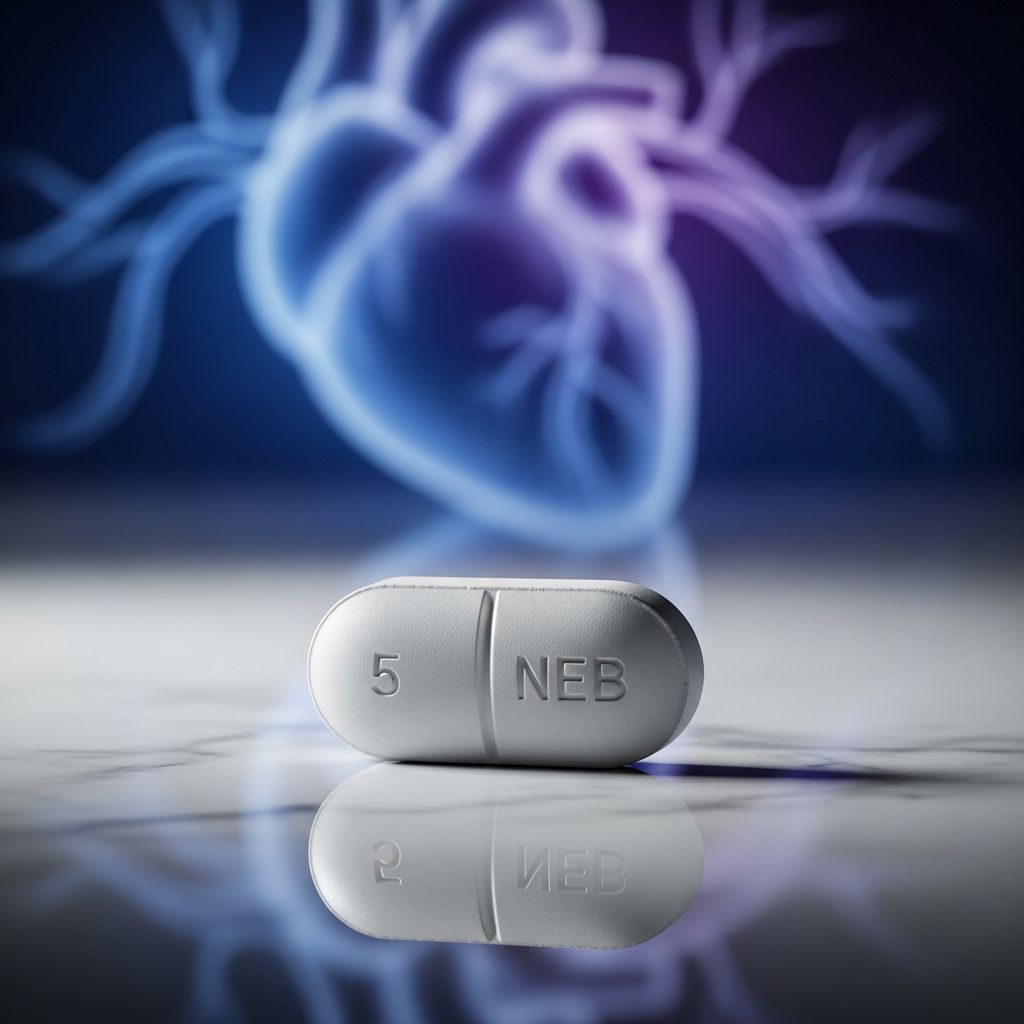
Nebivolol, marketed as Nebilet or Bystolic, is a third-generation beta-blocker medication primarily used to manage high blood pressure (hypertension) and mild to moderate chronic heart failure in patients aged 70 and older. Unlike earlier beta-blockers, nebivolol is highly selective for beta-1 adrenergic receptors in the heart, which helps slow heart rate and reduce cardiac workload. It also promotes vasodilation by increasing nitric oxide (NO) release from the endothelium, leading to relaxation of blood vessels and further lowering of blood pressure. This dual action—beta-blockade and vasodilation—sets it apart from first- and second-generation beta-blockers, improving endothelial function and reducing arterial stiffness.
Available as oral tablets in strengths like 5 mg, nebivolol is typically taken once daily, with or without food. It is prescribed alone or alongside other antihypertensives. Treatment should always be initiated under medical supervision, especially for heart failure patients, due to potential risks.
Key facts about nebivolol tablets
- Drug group: Selective beta-1 blocker with nitric oxide-mediated vasodilatory properties.
- Common brands: Nebilet, Bystolic.
- Used for: Essential hypertension; chronic heart failure (mild-moderate) in patients over 70 years.
- Dose: Usually 5 mg once daily for hypertension; start at 1.25 mg for heart failure, titrated up.
- Available as: Generic tablets (2.5 mg, 5 mg, 10 mg).
- Is there a generic version? Yes, generic nebivolol is widely available and cost-effective.
How does nebivolol work?
Nebivolol belongs to the group of selective beta-blocking agents, specifically targeting beta-1 receptors in the cardiovascular system. It prevents increases in heart rate and controls the heart’s pumping strength, reducing the workload on the heart. At doses up to 10 mg, it is preferentially beta-1 selective; higher doses or in poor metabolizers may affect beta-2 receptors as well.
Additionally, nebivolol uniquely stimulates nitric oxide production via the endothelial L-arginine-NO pathway, causing blood vessel dilation and decreased peripheral vascular resistance. This improves left ventricular function in heart failure patients and enhances arterial compliance. By lowering heart rate and blood pressure, it increases oxygen supply to the heart muscle, making it easier for the heart to pump blood.
When is nebivolol prescribed?
Nebivolol is indicated for:
- High blood pressure (hypertension): Used alone or with other drugs to reduce cardiovascular risks like stroke and heart attack.
- Chronic heart failure: Mild to moderate cases in patients aged 70+, often in combination therapy. It reduces morbidity and mortality regardless of ejection fraction.
It is not a first-line choice for hypertension but is effective due to its favorable tolerability.
How and when to take nebivolol
Dosage
| Condition | Starting Dose | Maintenance Dose | Max Dose |
|---|---|---|---|
| Hypertension (Adults) | 5 mg once daily | 5 mg once daily | 10 mg (if needed) |
| Heart Failure (≥70 years) | 1.25 mg once daily | Titrate every 2 weeks (2.5, 5, 10 mg) | 10 mg |
Take tablets at the same time each day, swallowed whole with water, with or without meals. For heart failure, close physician supervision is required for 2 hours after initiation and dose increases. Elderly or those with kidney/liver impairment may need lower doses.
Missed dose
Take as soon as remembered unless near the next dose. Do not double up. Never stop abruptly without medical advice, as it may worsen angina or cause rebound hypertension.
Who can and cannot take nebivolol tablets
Who can take nebivolol
- Adults with hypertension.
- Patients ≥70 with stable mild-moderate chronic heart failure.
- Those without contraindications, under medical monitoring.
Related Stories



Who cannot take it
Do not use in cases of:
- Hypersensitivity to nebivolol or excipients.
- Severe bradycardia (<60 bpm), heart block >1st degree, cardiogenic shock, decompensated heart failure.
- Sick sinus syndrome (without pacemaker), severe hepatic impairment (Child-Pugh >B).
- Asthma/wheezing, untreated pheochromocytoma, severe circulation problems, metabolic acidosis.
Use caution in diabetes (masks hypoglycemia), peripheral vascular disease, myasthenia gravis, etc..
Precautions and warnings
- Abrupt withdrawal: May exacerbate coronary artery disease; taper gradually.
- Surgery/anesthesia: Inform anesthetist; continue perioperatively if possible, monitor closely.
- Diabetes: Masks tachycardia from hypoglycemia.
- Liver/kidney issues: Dose adjustment needed.
- Pregnancy/breastfeeding: Not recommended; use only if benefits outweigh risks.
- Anaphylaxis risk: Enhanced reactions in history of atopy.
Common questions about nebivolol tablets
How long does nebivolol take to work?
Blood pressure lowers within 1-2 weeks; full effect in 4 weeks. Heart failure benefits may take longer.
How long do you take nebivolol for?
Usually long-term for chronic conditions. Do not stop without doctor advice.
Is nebivolol safe in pregnancy?
Not recommended; consult physician.
Does nebivolol affect contraception or fertility?
No significant impact reported.
Can you take other medicines with nebivolol?
Possible interactions; see below.
Side effects of nebivolol tablets
Generally mild, similar to placebo incidence.
Common (≥1/100)
- Headache, dizziness, tiredness.
- Worsening heart failure, low BP, edema, bradycardia, AV-block.
Serious (seek help)
- Shortness of breath, bronchospasm, fainting, severe hypotension.
Rare
- Impotence, depression, nightmares, rash, Raynaud’s.
Less erectile dysfunction/weight gain than other beta-blockers.
Taking nebivolol with other medicines and herbal supplements
Interactions include:
- CYP2D6 inhibitors (e.g., paroxetine, fluoxetine): Increase nebivolol levels.
- Other antihypertensives, antiarrhythmics: Additive bradycardia.
- NSAIDs, anesthetics: Reduced effect or enhanced risks.
- Herbals like St. John’s wort: May alter levels.
Always inform your doctor of all medications.
Common concerns about nebivolol
Alcohol: Avoid or limit; worsens dizziness.
Pregnancy/breastfeeding: Avoid.
Driving: Caution if dizzy.
Liver/kidney disease: Dose adjust.
Mental health: May cause depression.
Frequently Asked Questions (FAQs)
Q: Can nebivolol cause weight gain?
A: Less likely than other beta-blockers, but monitor weight.
Q: Is nebivolol better than other beta-blockers?
A: Yes, due to vasodilatory effects and better tolerability.
Q: What if I miss a dose?
A: Take promptly; skip if near next dose. Do not double.
Q: Can I stop nebivolol suddenly?
A: No, taper to avoid rebound effects.
Q: Does nebivolol affect exercise?
A: May limit max heart rate; consult doctor for athletes.
References
- BYSTOLIC® (nebivolol) tablets, for oral use — U.S. Food and Drug Administration. 2011. https://www.accessdata.fda.gov/drugsatfda_docs/label/2011/021742s013lbl.pdf
- NEBILET 5 mg tablets Nebivolol — Medicines.org.uk. Accessed 2026. https://www.medicines.org.uk/emc/files/pil.1620.pdf
- Nebivolol (Bystolic): Side Effects, Dosage, Reviews & More — GoodRx. Accessed 2026. https://www.goodrx.com/nebivolol/what-is
- A review of the safety and efficacy of nebivolol in heart failure and hypertension — PubMed Central (PMC). 2008-04-29. https://pmc.ncbi.nlm.nih.gov/articles/PMC2350132/
- Nebivolol (oral route) – Side effects & dosage — Mayo Clinic. Accessed 2026. https://www.mayoclinic.org/drugs-supplements/nebivolol-oral-route/description/drg-20071459
- Nebivolol: MedlinePlus Drug Information — MedlinePlus. Accessed 2026. https://medlineplus.gov/druginfo/meds/a608029.html
- Nebivolol Tablets — Cleveland Clinic. Accessed 2026. https://my.clevelandclinic.org/health/drugs/19717-nebivolol-tablets
Similar Articles








Read full bio of medha deb