Neck Pain: 6 Common Causes and Treatments
Explore the most common causes of neck pain and discover effective treatment options.
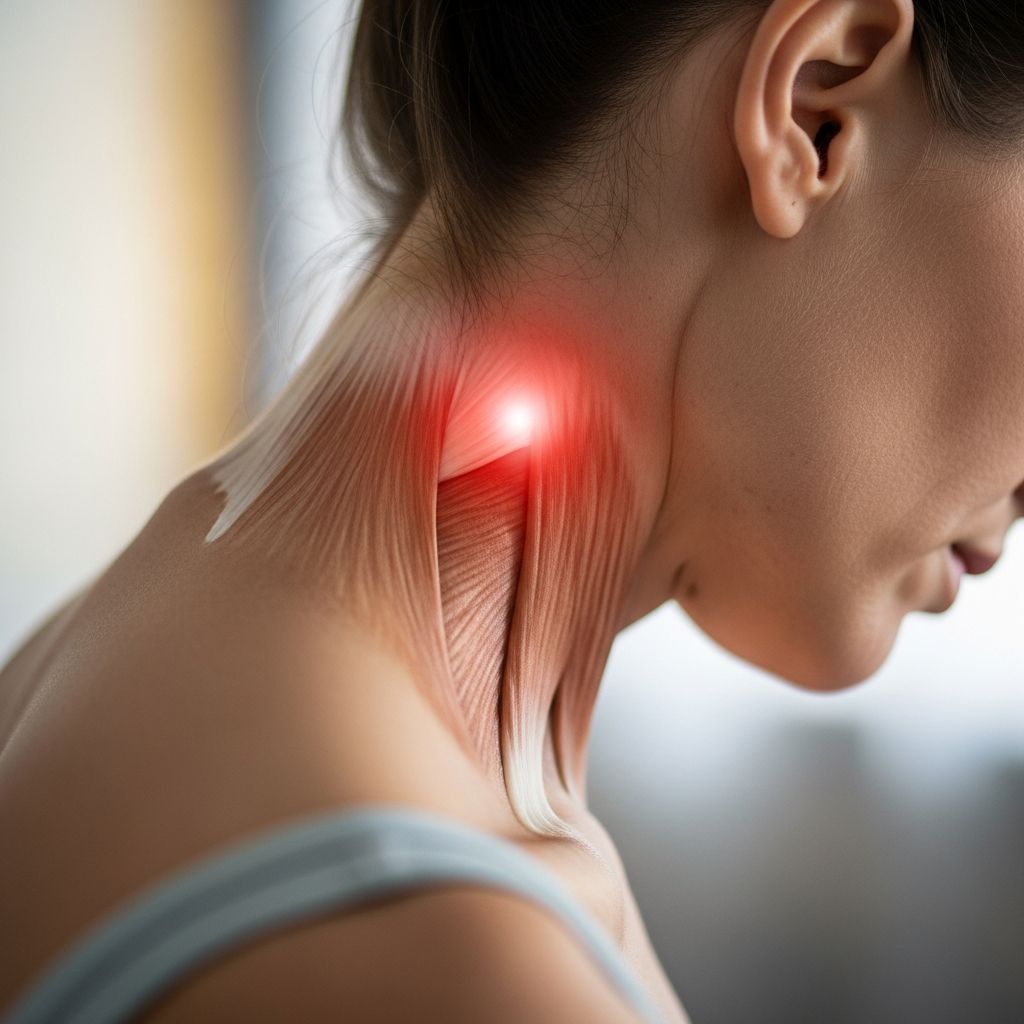
Understanding Neck Pain: Causes and Treatment Options
Neck pain, medically known as cervicalgia, is a common condition that affects millions of people worldwide. Whether caused by poor posture, muscle strain, or more serious underlying conditions, neck pain can significantly impact your daily activities and quality of life. The good news is that most cases of neck pain can be managed effectively with the right combination of treatments. Understanding the causes of your neck pain is the first step toward finding relief and restoring your ability to move freely without discomfort.
Treatment for neck pain aims to relieve your symptoms and improve movement in your neck. Most causes of neck pain eventually improve and can be managed at home with proper care and attention. However, if your pain is severe or persistent, you may need to work with a spine or pain specialist to develop a comprehensive treatment plan tailored to your specific needs.
Six Common Causes of Neck Pain
Poor Posture and Muscle Strain
One of the most prevalent causes of neck pain is poor posture, particularly in today’s digital age where many people spend hours hunched over computers, smartphones, and tablets. When your head is positioned forward of your shoulders, it places excessive stress on the muscles and ligaments in your neck. This sustained tension can lead to muscle strain, resulting in pain, stiffness, and reduced range of motion. Muscle strain from poor posture is often easily treatable with rest, stretching, and ergonomic adjustments to your workspace.
Cervical Spondylosis
Cervical spondylosis, also known as cervical osteoarthritis, is a degenerative condition of the cervical spine that typically develops with age. This condition involves the breakdown of cartilage and bone in the neck, which can lead to bone spurs and inflammation. Cervical spondylosis is particularly common in older adults and can cause neck pain, stiffness, and sometimes radiating pain into the arms or shoulders.
Pinched Nerves and Cervical Radiculopathy
When a nerve in the cervical spine becomes compressed or irritated, it can cause cervical radiculopathy, commonly referred to as a pinched nerve. This condition can result from herniated disks, bone spurs, or other structural changes in the spine. Cervical radiculopathy often causes pain that radiates from the neck down into the arm, shoulder, or hand, and may be accompanied by weakness or numbness.
Herniated Disks
The cervical spine contains seven bones called vertebrae that are separated from each other by disks made of cartilage and a gel-like substance. These disks cushion your bones as you move. When a disk herniates, the gel-like center pushes through the outer layer, potentially irritating nearby nerves and causing neck pain, arm pain, and other neurological symptoms.
Neck Spasms
Neck spasms involve involuntary muscle contractions in the neck, which can cause acute pain and limit your ability to move your head. These spasms can result from muscle strain, tension, poor posture, or underlying medical conditions. While neck spasms can be uncomfortable and annoying, they can often be managed with stretching, relaxation techniques, massage, and pain relief medications.
Related Stories



Injury and Trauma
Neck pain can result from various types of injuries, including whiplash from motor vehicle accidents, falls, sports injuries, or other traumatic events. These injuries can damage muscles, ligaments, disks, and other structures in the neck. If you experience neck pain after an accident, it is important to contact your healthcare provider or visit the nearest hospital for proper evaluation and treatment.
At-Home Treatment and Self-Care Strategies
For many cases of neck pain, effective relief can be achieved through at-home care and conservative measures:
Rest and Immobilization
Allowing your neck to rest is often one of the first steps in treating acute neck pain. Limiting activities that aggravate your symptoms can help prevent further injury and allow your body’s natural healing processes to work. In some cases, your healthcare provider may recommend wearing a soft cervical collar or neck brace to minimize neck movement and reduce nerve root irritation, though extended use should be avoided to prevent muscle atrophy.
Heat and Cold Therapy
Applying an ice pack or a bag of frozen vegetables to your neck, especially within the first 72 hours of injury, can help relieve pain and reduce inflammation from spasms. After the initial acute phase, heat therapy using heating pads or warm compresses can help relax tense muscles and improve blood circulation, promoting healing and comfort.
Stretching and Exercise
Gentle stretching and range-of-motion exercises can help prevent stiffness and improve mobility in your neck. You can relieve a stiff neck by stretching your arms over your head and slowly rolling your neck in a circle. Regular movement, when appropriate for your condition, can prevent muscle atrophy and maintain your neck’s flexibility.
Relaxation Techniques and Massage
Loosening your muscles through relaxation techniques, massage, or professional massage therapy can relieve tension that may be contributing to your neck pain. Stress and anxiety often cause muscle tension in the neck, so addressing these psychological factors can be beneficial for pain relief.
Medical Treatments and Professional Interventions
Medications for Pain Relief
Your healthcare provider may recommend various medications to relieve neck pain symptoms and reduce inflammation in the cervical spine. Common options include over-the-counter pain relievers such as acetaminophen and anti-inflammatory medications like ibuprofen or naproxen. For more significant pain, prescription medications may be necessary, including muscle relaxants to reduce muscle tension and spasms.
Physical Therapy
Physical therapy is an effective treatment option for many types of neck pain. Physical therapy experts develop specific exercise programs tailored to your condition and needs, focusing on strength training, stretching, and range-of-motion exercises. Physical therapy may progress through different stages as your pain improves, beginning with gentle range-of-motion exercises and adding strengthening and conditioning activities once acute symptoms fade. Additionally, physical therapists can teach you proper posture and body mechanics to prevent future neck pain.
Corticosteroid Injections
For significant neck pain caused by inflammation and nerve irritation, healthcare providers may recommend corticosteroid injections. Cervical epidural steroid injections deliver anti-inflammatory medicine directly into the epidural space around the spinal nerves in your neck. The main goal of these injections is to help manage pain caused by irritation and inflammation of the spinal nerve roots. These injections can provide relief when conservative treatments are insufficient.
Radiofrequency Ablation
Radiofrequency ablation is a minimally invasive procedure that uses heat to reduce nerve pain signals in the cervical spine. This treatment option may be recommended for significant neck pain that hasn’t responded to conservative treatments.
Surgical Treatment Options
When neck pain doesn’t respond to medical treatment or when neurological symptoms develop or worsen, surgical intervention may be necessary. Cleveland Clinic specialists use minimally invasive spine surgery techniques to treat various neck conditions while minimizing damage to surrounding tissues and promoting faster recovery.
Cervical Fusion Surgery
For conditions such as cervical spondylosis complicated by cervical myelopathy or cervical radiculopathy, spinal fusion surgery may be recommended. This procedure stabilizes the spine and can help alleviate pain and neurological symptoms.
Artificial Disk Replacement
Instead of fusing vertebrae together, surgeons may replace damaged cervical disks with artificial disks in a procedure called cervical artificial disk replacement. This approach can maintain more natural motion in the cervical spine compared to fusion.
Vertebroplasty
Surgery is also used to repair fractures in the cervical spine through a procedure called vertebroplasty, which helps restore stability and reduce pain.
Comprehensive Pain Management Approach
For chronic neck pain that significantly impacts your quality of life, a multidisciplinary approach involving various healthcare specialists may be beneficial. This comprehensive team approach ensures that all aspects of your pain and overall well-being are addressed:
Multidisciplinary Team Care
A comprehensive neck pain treatment team typically includes neurologists, spine surgeons, physical and occupational therapists, pain specialists, and psychologists. These professionals work together to develop a personalized treatment plan designed specifically for your needs and goals. This collaborative approach ensures that physical, neurological, emotional, and psychological aspects of your pain are all considered and addressed.
Behavioral Medicine and Psychological Support
Chronic neck pain can affect more than your body—it can also wear you down emotionally. Cleveland Clinic behavioral pain specialists work with you to develop effective ways to manage your cervical neck pain. They teach simple skills to reduce pain and its impact on daily activities. Counseling and support programs focusing on the effects of ongoing neck pain in your day-to-day life can help you cope with the stress, anxiety, and frustration that often accompany chronic pain.
Pain Recovery Programs
When neck pain becomes a long-term part of your life, comprehensive pain recovery experts may offer specialized programs to help you cope with its effects during daily activities. These programs address both the physical and psychological dimensions of chronic pain.
When to Seek Professional Help
While many cases of neck pain resolve with at-home treatment, it is important to know when professional evaluation is necessary. Visit a healthcare provider if:
– You’re having trouble moving your neck or cannot move it as far as you usually can (reduced range of motion)
– Your symptoms don’t improve within a few days of at-home treatment
– Your pain is severe or persistent
– You experience numbness, tingling, or weakness in your arms or hands
– You have neck pain following an accident or injury
– Your neck pain is accompanied by headaches, cognitive impairment, or other neurological symptoms
Creating Your Personalized Treatment Plan
Pain is personal, and one-size-fits-all care doesn’t work for everyone. During your initial visit with a healthcare provider, you will receive a physical examination, including assessment for bumps or knots in your neck and evaluation of your range of motion. Your provider will also take time to understand how neck pain affects your life and activities.
Your provider may recommend certain tests to look for degeneration in your cervical spine and other causes of neck pain. These may include imaging studies such as X-rays, CT scans, or MRI to visualize the structures of your spine. Neurological testing may also be performed to check nerve function and identify any areas of nerve compression or irritation.
Frequently Asked Questions About Neck Pain
Q: How long does neck pain typically last?
A: Neck pain can last from days to years, depending on the underlying cause and the effectiveness of treatment. Most cases of acute neck pain improve within a few days to weeks with appropriate care. Chronic neck pain may require ongoing management and treatment.
Q: Can I prevent neck pain?
A: While you cannot always avoid neck pain, you can reduce your risk by maintaining good posture, taking regular breaks from screen time, staying physically active, and practicing proper body mechanics during work and daily activities. Asking your healthcare provider about ways to keep your spine healthy and strong can also help prevent neck pain.
Q: Is surgery always necessary for neck pain?
A: No, surgery is not always necessary. In most cases, back and neck pain can be resolved through medical management, exercise, physical therapy, and other conservative treatments. Surgery is typically considered only when conservative treatments have failed or when neurological complications develop.
Q: How effective is physical therapy for neck pain?
A: Physical therapy is very effective for many types of neck pain. Studies show that approximately 90% of people with cervical radiculopathy have good to excellent outcomes with nonsurgical therapy, which often includes physical therapy.
Q: What should I do immediately after a neck injury?
A: If you experience neck pain after an accident, such as a fall or motor vehicle collision, contact your healthcare provider or go to the nearest hospital immediately for proper evaluation. Prompt medical attention is important to rule out serious injuries.
Q: How long should I wear a cervical collar?
A: Healthcare providers typically don’t recommend wearing a cervical collar for more than one to two weeks because extended use can lead to muscle atrophy in your neck. Your healthcare provider will advise on the appropriate duration for your specific condition.
Conclusion
Neck pain is a common condition that can significantly impact your daily life, but effective treatments are available. Whether your neck pain is caused by poor posture, muscle strain, degenerative changes, or injury, working with your healthcare provider to develop a personalized treatment plan is essential. By combining appropriate medical interventions with at-home care strategies, most people can achieve significant relief and restore their quality of life. Don’t let neck pain keep you from doing the things you enjoy—reach out to a healthcare provider to explore your treatment options today.
References
- Cervical Neck Pain Treatment — Cleveland Clinic. 2024. https://my.clevelandclinic.org/services/cervical-neck-pain-treatment
- Cleveland Clinic Back and Neck Centers — Cleveland Clinic. 2024. https://www.clevelandclinic.org/back/
- Cervical Spondylosis: What It Is, Symptoms & Treatment — Cleveland Clinic. 2024. https://my.clevelandclinic.org/health/diseases/17685-cervical-spondylosis
- Neck and Shoulder Pain Management — Cleveland Clinic Abu Dhabi. 2024. https://www.clevelandclinicabudhabi.ae/en/health-hub/health-resource/diseases-and-conditions/neck-and-shoulder-pain
- Cervical Radiculopathy (Pinched Nerve in Neck) — Cleveland Clinic. 2024. https://my.clevelandclinic.org/health/diseases/22639-cervical-radiculopathy-pinched-nerve
- 11 Causes of Neck Spasms & How to Treat Them — Cleveland Clinic. 2024. https://my.clevelandclinic.org/health/diseases/24462-neck-spasms
- Stiff Neck: Common Causes & How to Treat Them — Cleveland Clinic. 2024. https://my.clevelandclinic.org/health/symptoms/24477-stiff-neck
Similar Articles








Read full bio of medha deb