Neck Spasms: Causes, Symptoms, and Treatments
Understand the causes, symptoms, and effective treatments for neck spasms to find lasting relief.
What Are Neck Spasms?
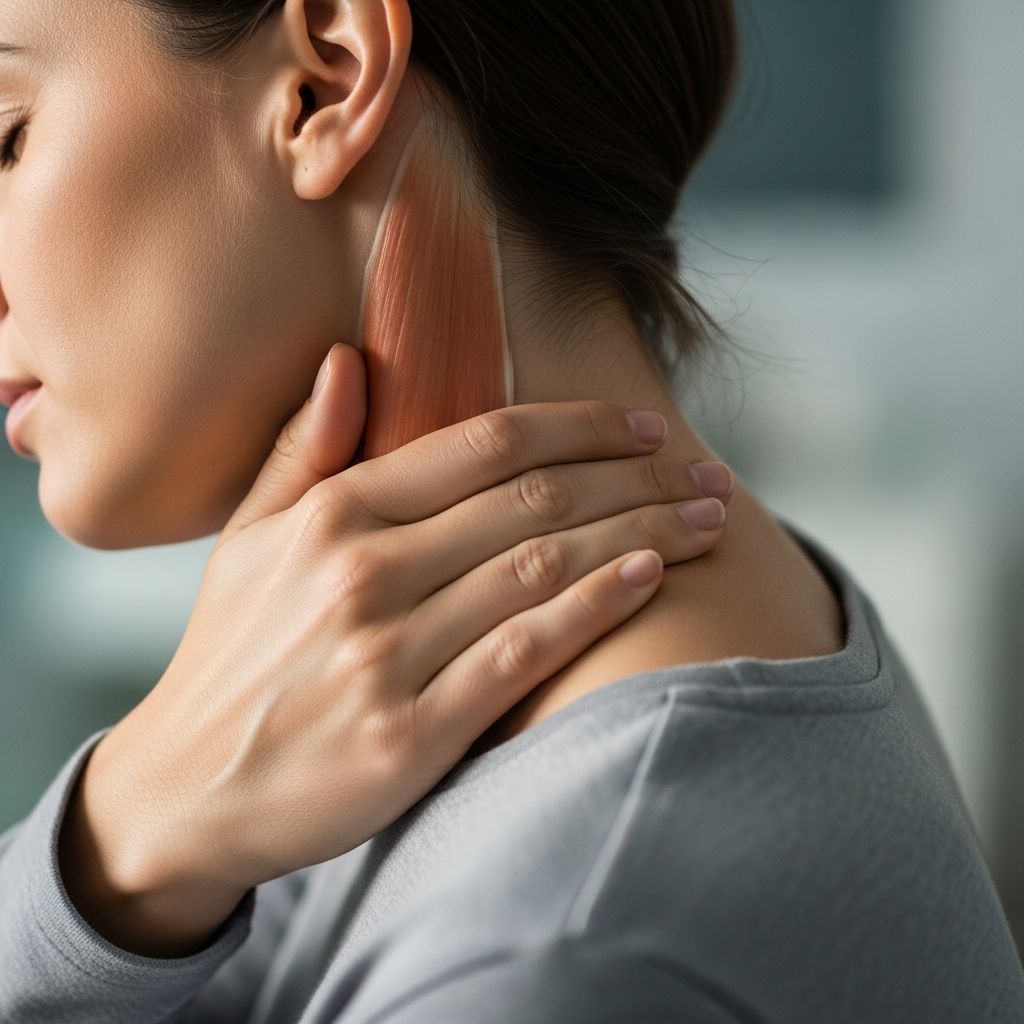
Neck spasms are sudden, involuntary contractions of the muscles in the neck. These spasms can range from mild twitches to severe, painful cramps that limit movement and cause discomfort. Neck spasms are a common issue that can affect anyone, regardless of age or activity level. They often occur due to muscle strain, poor posture, or underlying medical conditions.
Causes of Neck Spasms
Neck spasms can be triggered by a variety of factors, including:
- Muscle Strain: Overuse or sudden movements can strain neck muscles, leading to spasms.
- Poor Posture: Sitting or standing with poor posture for extended periods can cause muscle tension and spasms.
- Stress: Mental stress can lead to muscle tension, increasing the risk of spasms.
- Dehydration: Lack of fluids can cause muscle cramps, including in the neck.
- Medical Conditions: Conditions such as cervical dystonia, cervical spondylosis, and cervical vertigo can cause neck spasms.
- Injury: Trauma or injury to the neck, such as whiplash, can result in muscle spasms.
Symptoms of Neck Spasms
The symptoms of neck spasms can vary in severity and duration. Common symptoms include:
- Sudden, sharp pain in the neck
- Muscle tightness or stiffness
- Difficulty moving the head or neck
- Swelling or tenderness in the neck area
- Headaches
- Dizziness or vertigo (in some cases)
Diagnosis of Neck Spasms
Diagnosing neck spasms typically involves a physical examination and a review of medical history. Healthcare providers may also recommend imaging tests, such as X-rays or MRI scans, to rule out underlying conditions. Neurological testing may be performed to check for nerve involvement.
Treatment Options for Neck Spasms
Treatment for neck spasms depends on the underlying cause and severity of symptoms. Common treatment options include:
Home Remedies
- Rest: Avoid activities that aggravate the neck muscles.
- Ice and Heat Therapy: Apply ice packs to reduce inflammation and heat pads to relax tight muscles.
- Stretching and Strengthening Exercises: Gentle stretches and exercises can help relieve and prevent neck spasms.
- Massage: Massaging the affected area can help relax muscles and reduce pain.
- Hydration: Drink plenty of fluids to prevent muscle cramps.
Medications
- Pain Relievers: Over-the-counter pain relievers such as ibuprofen or acetaminophen can help manage pain.
- Muscle Relaxants: Prescription muscle relaxants may be recommended for severe spasms.
- Corticosteroid Injections: Injections can reduce inflammation and swelling near nerves in the neck.
Physical Therapy
Physical therapy is a first-line treatment for neck pain and spasms. Physical therapists can design a customized routine to stretch tight areas and strengthen weak ones, restoring mobility and reducing pain. Exercises may include:
- Neck stretches
- Shoulder rolls
- Upper back exercises
Medical Interventions
If home remedies and physical therapy do not provide relief, medical interventions may be necessary. These can include:
- Cervical Collar: Wearing a cervical collar can help keep the neck stable and prevent further injury.
- Surgery: In rare cases, surgery may be recommended to correct underlying issues such as herniated disks or spinal stenosis.
Prevention of Neck Spasms
Related Stories



Preventing neck spasms involves maintaining good posture, staying hydrated, and managing stress. Regular exercise and stretching can also help keep neck muscles strong and flexible. Avoiding prolonged periods of inactivity and taking breaks during long periods of sitting or standing can reduce the risk of muscle strain.
When to See a Doctor
While most neck spasms resolve on their own with home remedies, there are situations where medical attention is necessary. Seek medical help if you experience:
- Severe pain that does not improve with home treatment
- Neck spasms that persist for more than a few days
- Symptoms of nerve involvement, such as numbness, tingling, or weakness in the arms or hands
- Headaches, dizziness, or vision issues
- Signs of infection, such as fever or swelling
Frequently Asked Questions (FAQs)
Q: What causes neck spasms?
A: Neck spasms can be caused by muscle strain, poor posture, stress, dehydration, medical conditions, and injury.
Q: How long do neck spasms last?
A: Most neck spasms resolve within a few days to a week with home remedies. Persistent spasms may require medical attention.
Q: Can neck spasms be prevented?
A: Yes, maintaining good posture, staying hydrated, managing stress, and regular exercise can help prevent neck spasms.
Q: When should I see a doctor for neck spasms?
A: See a doctor if you have severe pain, persistent spasms, symptoms of nerve involvement, or signs of infection.
Conclusion
Neck spasms are a common and often painful condition that can be managed with home remedies, physical therapy, and, in some cases, medical intervention. Understanding the causes, symptoms, and treatment options can help you find relief and prevent future episodes. If you experience persistent or severe neck spasms, it is important to seek medical attention to rule out underlying conditions and receive appropriate treatment.
References
- Cervical Neck Pain Treatment — Cleveland Clinic. https://my.clevelandclinic.org/services/cervical-neck-pain-treatment
- How To Relieve Neck Spasms? Treatments and Exercises — Hinge Health. https://www.hingehealth.com/resources/articles/neck-spasms-treatments-and-exercises/
- Cervical Dystonia: What It Is, Causes, Symptoms & Treatment — Cleveland Clinic. https://my.clevelandclinic.org/health/diseases/25228-cervical-dystonia
Similar Articles








Read full bio of Sneha Tete