Necrotizing Fasciitis: Symptoms, Causes & Treatment
Learn about necrotizing fasciitis, its symptoms, causes, and life-saving treatments.
What Is Necrotizing Fasciitis?
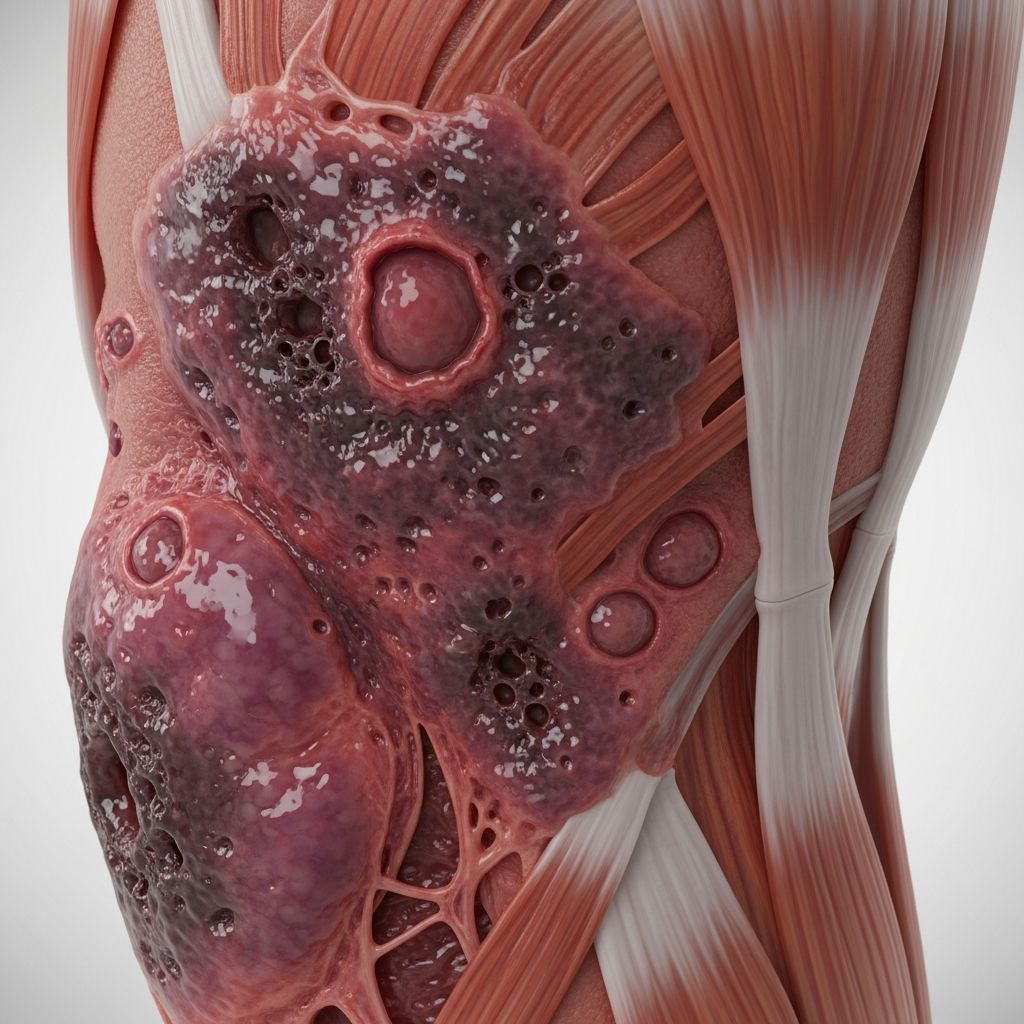
Necrotizing fasciitis, commonly known as flesh-eating disease, is a rare but severe bacterial infection that rapidly destroys the tissue beneath the skin, including the fascia (the connective tissue surrounding muscles, nerves, and blood vessels). The term “necrotizing” refers to the death of tissue, while “fasciitis” means inflammation of the fascia. This infection spreads quickly and can be fatal if not treated immediately.
Causes of Necrotizing Fasciitis
Necrotizing fasciitis is caused by several types of bacteria, most commonly group A Streptococcus, but other bacteria such as Staphylococcus aureus, Clostridium species, and various gram-negative and anaerobic bacteria can also be responsible. These bacteria can enter the body through:
- Surgical wounds
- Puncture wounds or injuries that don’t break the skin
- Burns
- Minor cuts and scrapes
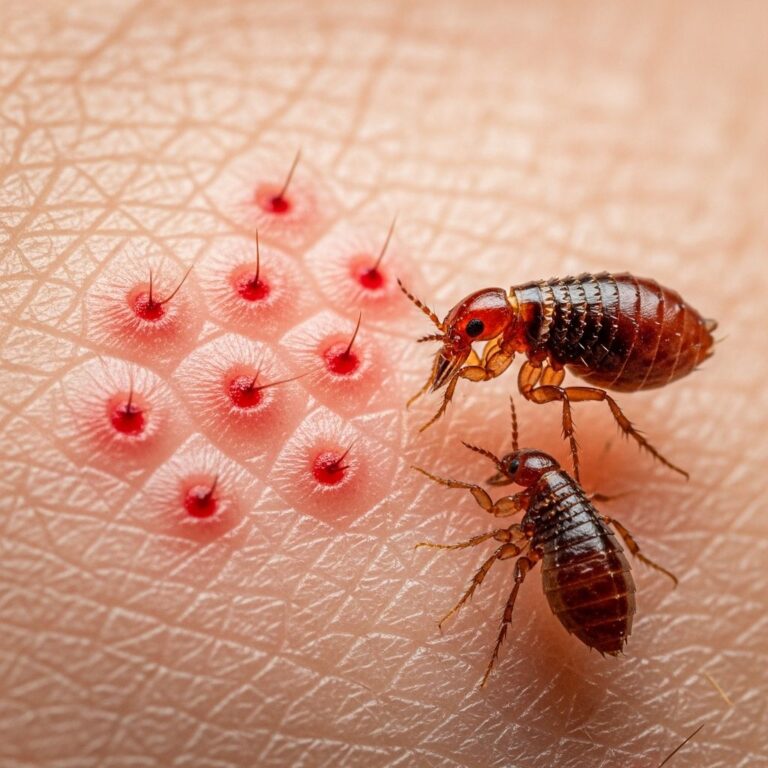
- Insect bites
- Abrasions
In some cases, the exact entry point of the bacteria is unknown. Once inside, the bacteria multiply rapidly and release toxins that destroy tissue and cause widespread inflammation.
Symptoms of Necrotizing Fasciitis
The symptoms of necrotizing fasciitis can develop within 24 hours of a minor injury or wound. Early symptoms may resemble the flu, but they quickly progress to more severe signs. Common symptoms include:
- Severe pain in the area of a minor cut, abrasion, or other skin opening
- Pain that is worse than expected from the appearance of the wound
- Redness and warmth around the wound
- Flu-like symptoms such as fever, nausea, dizziness, and general malaise
- Intense thirst due to dehydration
As the infection progresses, more advanced symptoms appear within 3 to 4 days:
- Swelling, possibly with a purplish rash
- Large, violet-colored marks that turn into blisters filled with dark, foul-smelling fluid
- Discoloration, peeling, and flakiness as tissue death (gangrene) occurs
- Dizziness, fatigue, or nausea
Critical symptoms, which often occur within 4 to 5 days of infection, include:
- A severe drop in blood pressure
- Toxic shock
- Unconsciousness
Diagnosis of Necrotizing Fasciitis
Diagnosing necrotizing fasciitis can be challenging because early symptoms are similar to other less serious infections. However, prompt diagnosis is crucial for survival. Diagnosis typically involves:
- Physical examination to assess the affected area
- Imaging tests such as CT scans or MRI to look for signs of tissue damage, fluid collections, and subcutaneous gas
- Exploratory surgery to confirm the diagnosis and remove dead tissue
- Biopsy of the affected tissue to identify the bacteria causing the infection
Imaging findings in necrotizing fasciitis include thickening of the affected fascia, fluid collections along the deep fascial sheaths, and extension of edema into the intramuscular septa and muscles. The presence of gas in the subcutaneous tissues is a specific sign of necrotizing fasciitis, especially when caused by gas-forming anaerobic organisms.
Treatment of Necrotizing Fasciitis
Immediate and aggressive treatment is essential for necrotizing fasciitis. Treatment typically includes:
- Intravenous (IV) antibiotic therapy to fight the infection
- Surgery to remove damaged or dead tissue (debridement) to stop the spread of infection
- Medications to raise blood pressure
- Amputations of affected limbs, in some cases
- Hyperbaric oxygen therapy to preserve healthy tissue
- Cardiac monitoring and breathing aids
- Blood transfusions
- Intravenous immunoglobulin to help the body fight infection
Related Stories



Multiple surgeries may be required to control the infection and remove all dead tissue. After surgery, skin grafts or plastic surgery may be needed to help wounds close completely.
Complications of Necrotizing Fasciitis
Necrotizing fasciitis can lead to several serious complications, including:
- Organ failure
- Septic shock
- Respiratory failure
- Kidney failure
- Multiorgan system failure
- Death
Even with treatment, the mortality rate for necrotizing fasciitis is high, with up to 1 in 3 people dying from the disease. The risk of death is higher in patients with streptococcal toxic shock syndrome and in diabetic patients.
Prevention of Necrotizing Fasciitis
While necrotizing fasciitis is rare, there are steps you can take to reduce your risk:
- Keep wounds clean and covered
- Wash minor cuts and scrapes with soap and water
- Seek medical attention for any wound that becomes red, swollen, or painful
- Practice good hygiene and handwashing
- Avoid swimming in contaminated water if you have open wounds
Frequently Asked Questions (FAQs)
Q: What is necrotizing fasciitis?
A: Necrotizing fasciitis is a rare but severe bacterial infection that rapidly destroys tissue beneath the skin, including the fascia.
Q: How does necrotizing fasciitis start?
A: It starts when bacteria enter the body through a wound, cut, or other skin opening and begin to multiply and release toxins that destroy tissue.
Q: What are the symptoms of necrotizing fasciitis?
A: Symptoms include severe pain, redness, warmth, swelling, flu-like symptoms, and, as the infection progresses, blisters, discoloration, and tissue death.
Q: How is necrotizing fasciitis treated?
A: Treatment involves immediate surgery to remove dead tissue, intravenous antibiotics, and supportive care such as blood pressure medications and hyperbaric oxygen therapy.
Q: Can necrotizing fasciitis be prevented?
A: While it is rare, keeping wounds clean and seeking medical attention for any signs of infection can help reduce the risk.
References
- Necrotizing Fasciitis: A Case Report and Review of the Literature — PMC. 2014. https://pmc.ncbi.nlm.nih.gov/articles/PMC3970458/
- Necrotizing Fasciitis (Flesh-Eating Bacteria) — WebMD. https://www.webmd.com/skin-problems-and-treatments/necrotizing-fasciitis-flesh-eating-bacteria
- Necrotizing Fasciitis (Flesh-Eating Disease): Symptoms & Treatment — Cleveland Clinic. https://my.clevelandclinic.org/health/diseases/23103-necrotizing-fasciitis
Similar Articles








Read full bio of medha deb