Nectarine Benefits: 10 Health Advantages Backed By Science
Discover the impressive health benefits of nectarines, from heart health and digestion to cancer prevention and weight management.
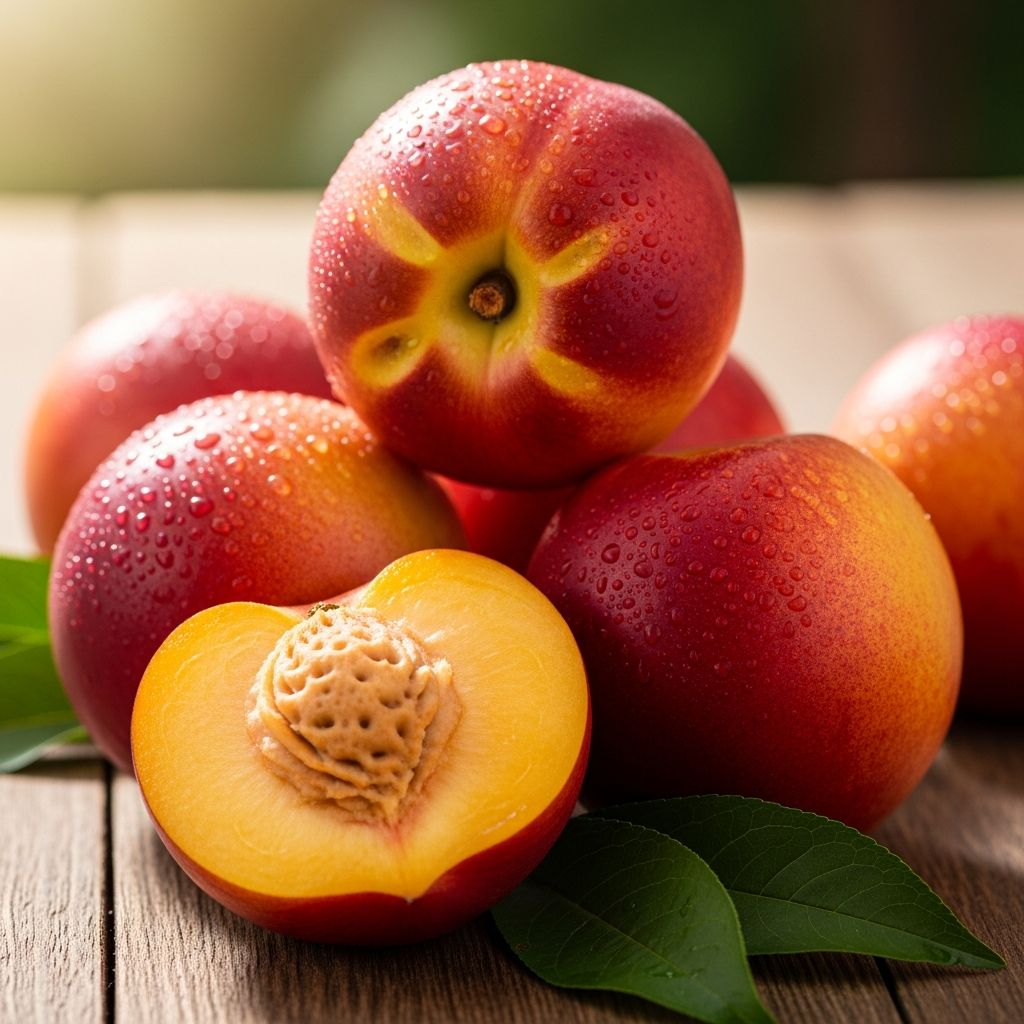
Nectarines, a smooth-skinned relative of peaches, deliver a burst of sweetness alongside powerful nutrients like fiber, vitamin C, antioxidants, and potassium. These stone fruits support digestion, heart health, immunity, weight management, and disease prevention, making them a versatile addition to any diet.
What Are Nectarines?
Nectarines arise from a natural genetic mutation of peaches, featuring smooth, glossy skin in shades of pink, red, or yellow, and juicy, firm flesh with a sweet-tart flavor. Unlike fuzzy peaches, their thin skin is edible and nutrient-packed. Botanically similar to peaches, nectarines provide nearly identical nutrition but with slightly higher polyphenols and a firmer texture ideal for fresh eating or cooking.
Originating from China and cultivated worldwide, nectarines peak in summer. Select ripe ones that yield slightly to gentle pressure, with vibrant color and a sweet aroma. Store at room temperature until ripe, then refrigerate for up to a week.
Nectarine Nutrition Facts
One medium nectarine (about 150g) is low-calorie at roughly 60-70 calories, with high water content (85-90%), 1-2g protein, 15g carbs (mostly natural sugars), and 2-3g fiber. Key micronutrients include:
- Vitamin C: 13% DV, boosting immunity and iron absorption
- Vitamin A (beta-carotene): 9-10% DV, for vision and skin health
- Potassium: 4-10% DV, aiding blood pressure regulation
- Vitamin B3 (niacin): 6% DV, supporting energy metabolism
- Copper and other minerals: Trace amounts for antioxidant defense
Antioxidants like lutein, zeaxanthin, polyphenols (anthocyanins, quercetin), and catechins set nectarines apart, combating oxidative stress.
| Nutrient | Amount per Medium Nectarine | % Daily Value |
|---|---|---|
| Calories | 62 | 3% |
| Fiber | 2.1g | 8% |
| Vitamin C | 9.6mg | 13% |
| Vitamin A | 24mcg | 9% |
| Potassium | 288mg | 8% |
These values make nectarines ideal for low-calorie, nutrient-dense snacking.
Health Benefits of Nectarines
Rich in Antioxidants
Nectarines pack antioxidants including vitamin C, beta-carotene, lutein, zeaxanthin, and polyphenols, which neutralize free radicals, reduce inflammation, and protect cells from damage. These compounds support overall health, from skin protection to disease prevention.
High in Fiber
With both soluble and insoluble fiber, nectarines promote gut health by feeding beneficial bacteria, easing constipation, and stabilizing blood sugar. Fiber enhances satiety for weight control and binds cholesterol in the gut.
May Promote Heart Health
Potassium in nectarines helps regulate blood pressure by countering sodium. Antioxidants like polyphenols reduce vascular inflammation, lower LDL oxidation, and improve circulation, potentially cutting heart disease risk. Studies link fruit-rich diets to better cardiovascular outcomes.
May Help Prevent Cancer
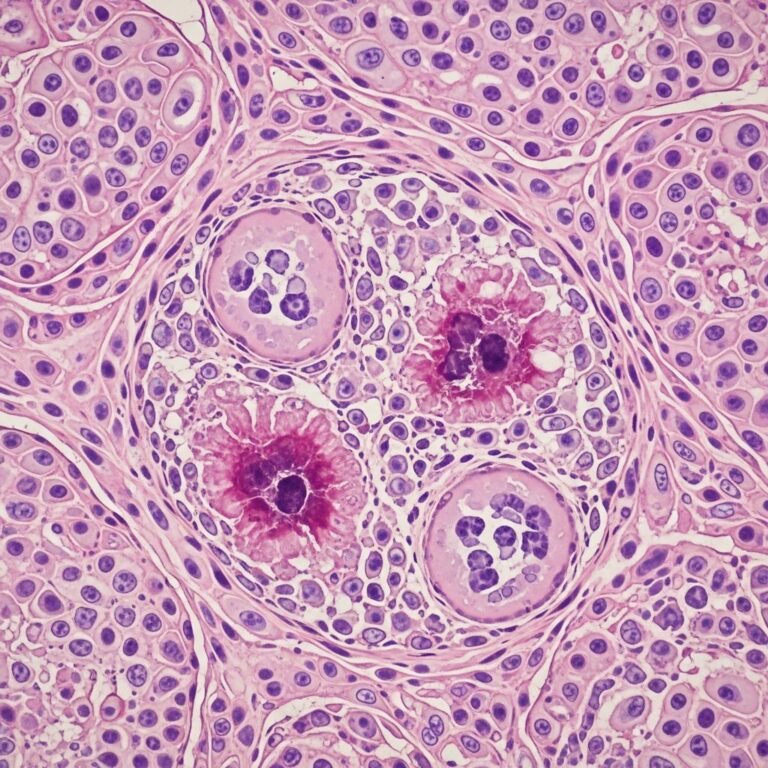
Polyphenols (anthocyanins, chlorogenic acids, quercetin, catechins) in nectarines inhibit cancer cell growth in lab studies, including breast cancer cells by up to 50%. They reduce oxidative stress and inflammation linked to cancer development. While promising, human trials are needed.
Support Healthy Weight Management
Low-calorie and fiber-rich, nectarines curb hunger without adding many calories. Long-term studies show higher fruit intake prevents age-related weight gain. Pair with exercise for best results.
Boost Eye Health
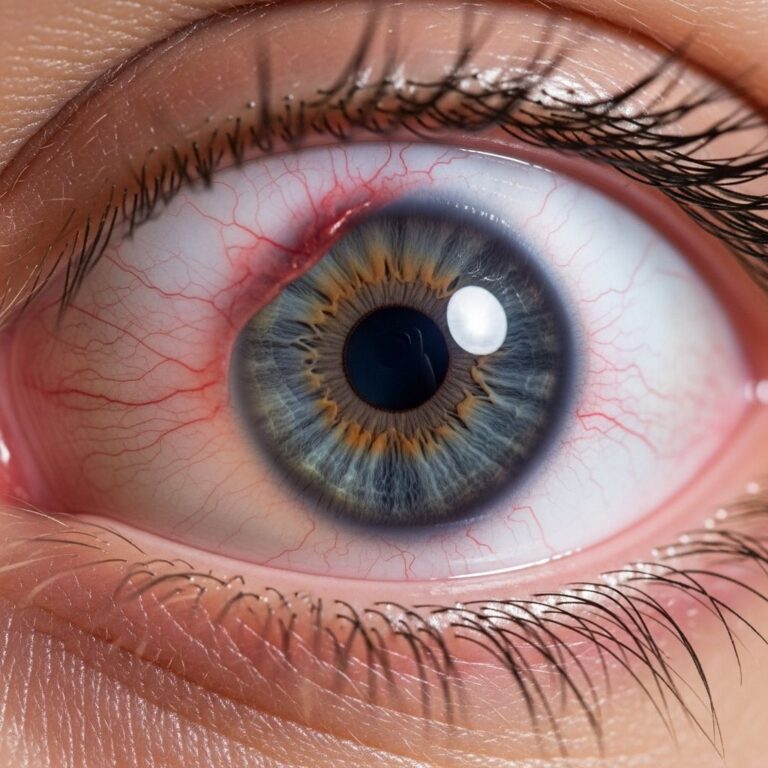
Lutein and zeaxanthin filter harmful blue light and UV rays, protecting against cataracts and macular degeneration. Beta-carotene supports retinal health.
Strengthen Immunity
Vitamin C enhances white blood cell function and iron absorption, while beta-carotene bolsters mucosal barriers. These aid in fighting infections.
Related Stories



Regulate Blood Sugar
Fiber slows carb absorption, preventing spikes and insulin resistance. Polyphenols may improve metabolic syndrome symptoms, lowering diabetes risk.
Control Cholesterol
Soluble fiber binds bile acids, reducing LDL cholesterol. Antioxidants prevent LDL oxidation, supporting arterial health.
Prevent Premature Aging and Anemia
Antioxidants combat skin-damaging free radicals, while vitamin C boosts iron uptake to fight anemia.
Risks and Precautions
Nectarines are safe for most, but those with oral allergy syndrome may react to fuzzy stone fruits (less common with smooth nectarines). Pesticide residues on skin warrant washing; organic options reduce exposure. Limit intake if managing blood sugar due to natural sugars. Consult a doctor for allergies or oxalate concerns (moderate levels).
How to Eat Nectarines
Eat fresh with skin for max nutrients, or incorporate into:
- Salads with greens, nuts, and vinaigrette
- Smoothies blended with yogurt and berries
- Grilled as a dessert side
- Jams, salsas, or baked goods
- Frozen for year-round use
Combine with protein/fat for balanced snacks.
Storage and Selection Tips
Choose fragrant, colorful nectarines that give slightly. Ripen at room temp in a paper bag; refrigerate ripe ones 3-5 days. Freeze slices for smoothies.
Frequently Asked Questions (FAQs)
Are nectarines better than peaches?
Nutritionally similar, nectarines have smoother skin and more polyphenols; choose based on texture preference.
Can you eat nectarine skin?
Yes, it’s edible, fiber-rich, and antioxidant-packed.
Do nectarines help with digestion?
Yes, fiber relieves constipation and supports gut bacteria.
Are nectarines good for diabetics?
In moderation, their low glycemic load and fiber aid blood sugar control.
How many nectarines should you eat per day?
1-2 medium ones fit most diets; pair with varied fruits.
References
- Nectarine: 8 Health Benefits Plus Recipes — Tua Saúde. 2023. https://www.tuasaude.com/en/nectarine/
- Nectarines: nutritional values, calories and more — Liebherr. 2024. https://www.liebherr.com/en-us/refrigerators-freezers/freshmag/food-a-z/nectarine-8246317
- Nectarines – Nutrition Facts and Health Benefits — PostHarvest Technologies. 2024. https://www.postharvest.com/nutrition-facts-and-health-benefits/nectarines
- Nectarines: Nutrition and Health Benefits — Cleveland Clinic. 2024-06-15. https://health.clevelandclinic.org/nectarine-benefits
- Chemical and nutritional evaluation of major genotypes of nectarine — PMC (NCBI). 2019-08-21. https://pmc.ncbi.nlm.nih.gov/articles/PMC6706499/
Similar Articles








Read full bio of medha deb