Nedocromil Inhaler: 8 Steps For Preventing Asthma Attacks
Comprehensive guide to nedocromil inhaler: usage, benefits, side effects, and asthma management tips for effective prevention.
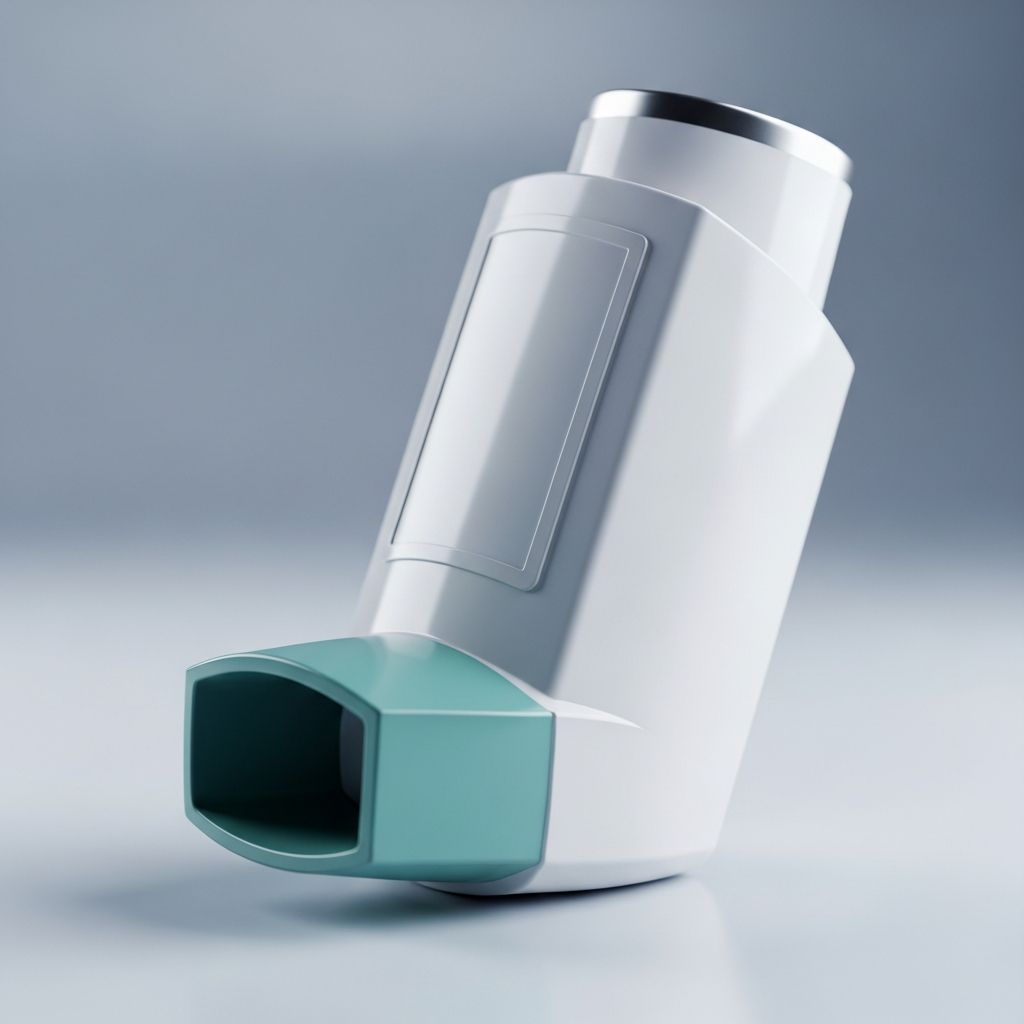
Nedocromil inhaler is a preventive treatment for asthma, helping to reduce inflammation in the airways and lessen the frequency and severity of asthma attacks when used regularly.
About nedocromil inhalers
Nedocromil belongs to a class of medications known as mast cell stabilizers with anti-inflammatory properties. It works by preventing the release of substances in the body that cause inflammation and narrowing of the airways, which are common triggers for asthma symptoms such as wheezing, shortness of breath, and chest tightness. Unlike reliever inhalers that provide quick relief during an attack, nedocromil is a
preventer inhaler
designed for long-term maintenance therapy in mild to moderate bronchial asthma. The medication is delivered directly to the lungs via inhalation, minimizing systemic absorption and targeting the airways effectively.Asthma affects millions worldwide, and regular use of preventers like nedocromil can significantly improve quality of life by stabilizing airway function, even during symptom-free periods. It is indicated for adults and children aged 6 years and older, making it suitable for a broad patient population. Clinical evidence shows that consistent use reduces the number and intensity of asthma exacerbations, though it does not reverse acute bronchospasm.
The inhaler device is typically a metered-dose aerosol, which converts the liquid medication into a fine mist for optimal lung deposition. Proper technique is crucial for efficacy, as poor inhalation can reduce the amount of drug reaching the airways. Patients are often advised to incorporate it into daily routines, such as mealtimes and bedtime, to ensure adherence.
Before using a nedocromil inhaler
Before starting nedocromil, consult your doctor to ensure it is appropriate for your condition. Certain factors may influence its suitability:
- Pregnancy or breastfeeding: Inform your doctor if you are pregnant, planning to conceive, or breastfeeding, as safety data may require evaluation.
- Allergies: Nedocromil is contraindicated in patients with hypersensitivity to nedocromil sodium or any components of the inhaler.
- Other medications: Disclose all prescription, over-the-counter, herbal, or complementary medicines, as interactions could occur, especially with other asthma therapies.
- Existing conditions: Discuss any liver, kidney issues, or severe asthma requiring additional monitoring.
Your doctor may perform a review of your asthma control and current treatments. Nedocromil is often used alongside bronchodilators or steroids but should not replace them without medical advice. Read the patient information leaflet provided with the inhaler for full details on warnings and precautions.
How to use a nedocromil inhaler
Follow your doctor’s instructions precisely. Nedocromil requires regular use for benefits, typically starting with higher frequency and tapering as control improves.
Dosage
| Patient Group | Initial Dosage | Maintenance Dosage |
|---|---|---|
| Adults and children ≥6 years | 2 puffs (1.75-2 mg per puff) 4 times daily | 2 puffs 2-3 times daily once controlled |
| Children <6 years | Dose determined by doctor | As prescribed |
Administer at regular intervals, spacing doses evenly throughout the day. If a dose is missed, take it as soon as remembered, but skip if nearly time for the next—do not double dose. Do not stop abruptly; taper under medical supervision to avoid symptom recurrence.
Related Stories



Step-by-Step Inhalation Technique
- Prepare the inhaler: Shake well. If new or unused for a while, prime by spraying 2 test puffs into the air, away from eyes.
- Exhale fully: Breathe out normally to empty lungs.
- Position: For closed-mouth: Insert mouthpiece between lips, sealing tightly. For open-mouth: Hold 1-2 inches from open mouth.
- Inhale and actuate: Breathe in slowly and deeply through mouth while pressing canister once for one puff. Continue inhaling for 3-4 seconds.
- Hold breath: Retain for 5-10 seconds to allow deposition, then exhale slowly.
- Multiple puffs: Wait 1 minute, shake, repeat.
- Spacer use (if prescribed): Attach spacer, inhale/exhale slowly 2-3 times to empty it.
- Clean: Wipe mouthpiece weekly; follow leaflet instructions.
A spacer improves delivery, especially for children or those with coordination issues. Practice with a healthcare professional initially.
Getting the most from your treatment
Optimal results depend on adherence and technique. Key tips include:
- Use every day, even without symptoms, for full anti-inflammatory effect.
- Monitor asthma: If no improvement in 2-4 weeks or worsening occurs, contact your doctor immediately.
- Combine with relievers as needed but continue preventer.
- Rinse mouth after use to reduce throat irritation or taste issues.
- Avoid eye contact with spray.
- Track peak flow to assess control.
If bronchospasm occurs post-inhalation (paradoxical reaction), discontinue and seek alternative therapy. Gradual corticosteroid reduction may be possible but requires monitoring.
Possible side effects
Most side effects are mild and localized due to inhalation delivery. Common ones resolve with continued use or simple measures.
| Side Effect | How to Manage |
|---|---|
| Throat irritation, unpleasant taste, cough, hoarseness | Gargle/rinse mouth with water after use |
| Headache | Stay hydrated; use pharmacist-recommended painkiller. Consult doctor if persistent |
| Nausea, vomiting, indigestion, abdominal pain | Eat simple meals; avoid spicy/rich foods |
| Rare: Bronchospasm, rash, urticaria | Stop use and seek medical help immediately |
Report severe or persistent effects promptly. Upper respiratory infection symptoms may mimic side effects—differentiate with your doctor.
Frequently Asked Questions (FAQs)
Q: Can nedocromil be used for acute asthma attacks?
A: No, it is a preventer, not a reliever. Use a bronchodilator for immediate relief during attacks.
Q: How long until nedocromil works?
A: Benefits build over days to weeks with regular use; full effect in 2-4 weeks.
Q: Is it safe for children?
A: Approved for ages 6+; younger children per doctor’s discretion.
Q: What if I forget a dose?
A: Take as soon as possible unless near next dose; do not double up.
Q: Can I use it with other asthma meds?
A: Yes, often combined with steroids or bronchodilators; don’t stop others without advice.
References
- Nedocromil (By breathing) – Allina Health — Allina Health. 2023. https://account.allinahealth.org/library/content/45/567
- Nedocromil (Inhalation route) – SmartEngage — ADAM. 2024. https://sales-demo.adam.com/content.aspx?productid=47&isarticlelink=false&pid=47&gid=600985
- Nedocromil oral inhalation (patient information) — WikiDoc. 2023. https://www.wikidoc.org/index.php/Nedocromil_oral_inhalation_(patient_information)
- Nedocromil inhaler – Patient.info — Patient.info. 2025-01-10. https://patient.info/medicine/nedocromil-inhaler
- Allergy Medications – Tilade — NYAllergy. 2024. https://www.nyallergy.com/allergy-medication-tilade/
- Tilade® Inhaler (NEDOCROMIL SODIUM INHALATION AEROSOL) — Pfizer. 2023. https://labeling.pfizer.com/ShowLabeling.aspx?id=831
- Nedocromil (Tilade) – Davis’s Drug Guide — Unbound Medicine. 2025. https://www.drugguide.com/ddo/view/Davis-Drug-Guide/109315/all/nedocromil
Similar Articles








Read full bio of medha deb