Need a Root Canal? Here’s What to Expect
Complete guide to root canal procedures: symptoms, what to expect, and aftercare.
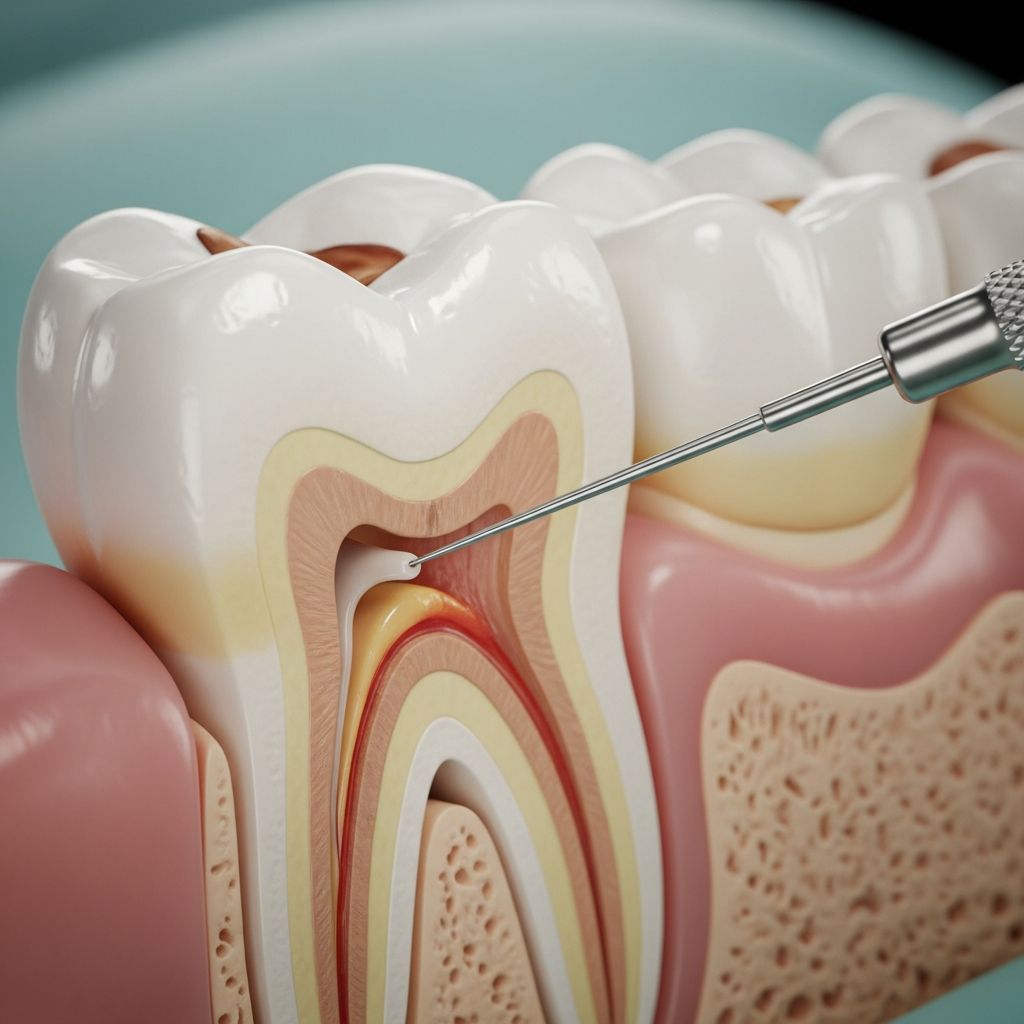
Understanding Root Canal Treatment
A root canal is a common dental procedure designed to save a tooth that has become infected or severely damaged. Despite its reputation, modern root canal therapy is no more uncomfortable than having a filling replaced, thanks to advanced anesthetics and technologies that have transformed the procedure over recent decades. The goal of root canal treatment is to remove the infected or inflamed pulp tissue from inside your tooth, clean and shape the root canals, and then fill and seal the space to prevent future infection.
The pulp is the soft tissue located in the center of your tooth that contains nerves and blood vessels. When this tissue becomes infected, inflamed, or damaged, it can cause severe pain and lead to serious complications if left untreated. A root canal procedure can save your natural tooth and relieve the intense ache caused by the damaged tissue, allowing you to maintain your natural smile and oral function.
Signs You Might Need a Root Canal
Recognizing the symptoms that indicate you need a root canal is essential for seeking timely treatment. Several warning signs suggest that your tooth’s pulp may be compromised:
- Severe toothache pain that radiates to your jaw, neck, or ear
- Prolonged sensitivity to hot or cold temperatures, even after the stimulus is removed
- Discoloration or darkening of the tooth
- Swelling and tenderness in nearby gums
- A pimple-like bump on the gums near the affected tooth
- Persistent or recurring pain in the same tooth
- Pain when chewing or applying pressure to the tooth
If you experience any of these symptoms, it is important to schedule an appointment with your dentist promptly. Your dentist can perform diagnostic tests, including X-rays and sensitivity tests, to determine whether root canal treatment is necessary. A simple cold stimulus test, commonly used during checkups, can help your dentist assess tooth health and identify problems early.
The Root Canal Procedure: What to Expect
Understanding the step-by-step process of a root canal can help alleviate anxiety about the procedure. Most root canals are completed in one or two appointments, depending on the complexity of the case.
Step 1: Anesthesia and Preparation
Your endodontist will begin by applying a numbing gel to the area around the tooth, followed by a local anesthetic injection. Modern anesthesia techniques have become highly effective at preventing pain during the procedure. Research shows that using a cold stimulus test to verify complete tooth anesthesia is significantly more effective than traditional soft-tissue numbness checks, reducing the likelihood of pain during the procedure by approximately 80 percent. Once the tooth is fully anesthetized, your dentist will place a rubber dam around the tooth to keep it dry during treatment and isolate it from saliva.
Step 2: Pulp Removal
Your endodontist will create a small opening in the crown of the tooth to access the pulp chamber. Using specialized instruments called files, the dentist carefully removes the infected or inflamed pulp tissue from inside the tooth and from the root canals. This process is typically painless because the tooth is completely numbed.
Related Stories



Step 3: Cleaning and Shaping
After removing the pulp, your endodontist will clean and shape the root canals. This involves using increasingly larger files to thoroughly clean the canals and create a uniform shape that can be properly filled. The canals are also flushed with antimicrobial solutions to eliminate any remaining bacteria and prevent future infection.
Step 4: Filling and Sealing
Once the canals are cleaned and shaped, they are filled with a biocompatible material called gutta-percha, a rubber-like substance. The gutta-percha is placed along with an adhesive cement to ensure complete sealing of the canals. This prevents bacteria from re-entering the tooth and causing another infection.
Step 5: Restoration
After the root canal treatment is complete, your tooth will need to be restored to full function. Your dentist may place a temporary filling or crown to protect the tooth. Because teeth that have undergone root canal treatment often become more brittle, your dentist may recommend placing a crown or other restoration to strengthen the tooth and prevent future damage.
Pain Management During the Procedure
One of the most common concerns patients have about root canal treatment is whether the procedure will be painful. The good news is that with proper anesthesia, a root canal should be no more uncomfortable than having a filling placed. However, some patients may experience mild discomfort or pressure during the procedure.
Modern anesthetic techniques are highly effective, but ensuring complete numbness is crucial. Recent research has demonstrated that dentists should use a cold stimulus test to verify that a tooth is fully anesthetized before beginning the procedure, rather than relying solely on soft-tissue numbness as a guide. If you feel any pain or discomfort during your root canal, inform your endodontist immediately. They can administer additional anesthetic to ensure your comfort throughout the procedure.
What to Expect After the Procedure
After your root canal treatment is complete, you may experience some sensitivity and mild discomfort for a few days as the inflammation subsides. This is completely normal and typically manageable with over-the-counter pain relievers.
Immediate Aftercare
- Avoid chewing on the treated tooth until it has been permanently restored
- Take prescribed pain medications as directed
- Apply ice packs to the outside of your cheek if swelling occurs
- Eat soft foods and avoid hot or cold foods initially
- Continue practicing good oral hygiene, being gentle around the treated tooth
Recovery Timeline
Most patients can return to normal activities the day after their root canal treatment. Any sensitivity or discomfort typically resolves within a few days to a week. If pain persists or worsens beyond this timeframe, contact your endodontist. In rare cases, a root canal may not be completely successful on the first attempt, and retreatment may be necessary.
Benefits of Root Canal Treatment
Root canal therapy offers several important benefits that make it an excellent option for saving a damaged or infected tooth:
- Eliminates severe tooth pain and discomfort
- Saves your natural tooth, avoiding extraction
- Prevents serious infections from spreading to surrounding bone and tissue
- Restores your tooth to full function for chewing and speaking
- Maintains the natural appearance of your smile
- Eliminates the need for more complex dental procedures
- Allows you to keep your natural tooth roots intact
Cost and Insurance Considerations
The cost of root canal treatment varies depending on several factors, including which tooth is affected, the complexity of the case, and your geographic location. Front teeth typically cost less to treat than back teeth because they have fewer roots and canals. Most dental insurance plans cover a portion of root canal treatment, typically ranging from 50 to 80 percent of the cost after you meet your deductible. Be sure to check with your insurance provider about your specific coverage before scheduling your procedure.
Prevention Tips
While root canal treatment is highly successful at saving teeth, prevention is always better than treatment. Follow these tips to reduce your risk of needing a root canal:
- Brush your teeth twice daily with fluoride toothpaste
- Floss daily to remove plaque and food debris between teeth
- Limit acidic foods and beverages that can erode tooth enamel
- Avoid chewing on hard objects like ice, hard candy, or pens
- Wear a mouthguard during contact sports to prevent tooth trauma
- Visit your dentist regularly for checkups and professional cleanings
- Address dental problems promptly before they become severe
Frequently Asked Questions
Q: How long does a root canal procedure take?
A: Most root canal procedures take between 30 minutes to two hours, depending on the tooth’s location and the complexity of the case. Molars with multiple canals typically take longer than front teeth with a single canal.
Q: Will I need a crown after my root canal?
A: In most cases, yes. Teeth that have undergone root canal treatment become more brittle and are more prone to fracture. A crown helps protect and strengthen the tooth, extending its lifespan.
Q: Can a root canal fail?
A: While root canal treatment has a high success rate (around 90 percent), occasionally a tooth may not heal as expected. If this occurs, retreatment or alternative procedures may be necessary.
Q: Is a root canal different from a tooth extraction?
A: Yes. A root canal removes only the infected pulp tissue while preserving your natural tooth. An extraction removes the entire tooth. Root canal treatment is generally preferred because it maintains your natural tooth structure.
Q: Can I drive myself home after a root canal?
A: Yes, in most cases. Since only local anesthesia is used, you should be able to drive yourself home immediately after the procedure. However, you may prefer to have someone drive you if you feel drowsy or uncomfortable.
Q: How soon can I eat after a root canal?
A: You can eat as soon as the local anesthesia wears off, usually 2-3 hours after the procedure. However, it is best to stick to soft foods and avoid chewing on the treated tooth until it is permanently restored.
References
- Stopping Pain Cold During a Root Canal — Harvard Medical School. 2024. https://hms.harvard.edu/news/stopping-pain-cold-during-root-canal
- Root Canal Therapy – Health Library — Brigham and Women’s Hospital. https://healthlibrary.brighamandwomens.org/SummerHeat/85,P00894
- Root Canal Treatment Procedure — News Medical. https://www.news-medical.net/health/Root-Canal-Treatment-Procedure.aspx
- American Association of Endodontists Patient Information — American Association of Endodontists. https://www.aae.org
Similar Articles








Read full bio of medha deb