Needlestick Injuries: Risks, Response, And 4 Immediate Steps
Understanding risks, immediate actions, and prevention strategies for needlestick injuries to protect against blood-borne infections.
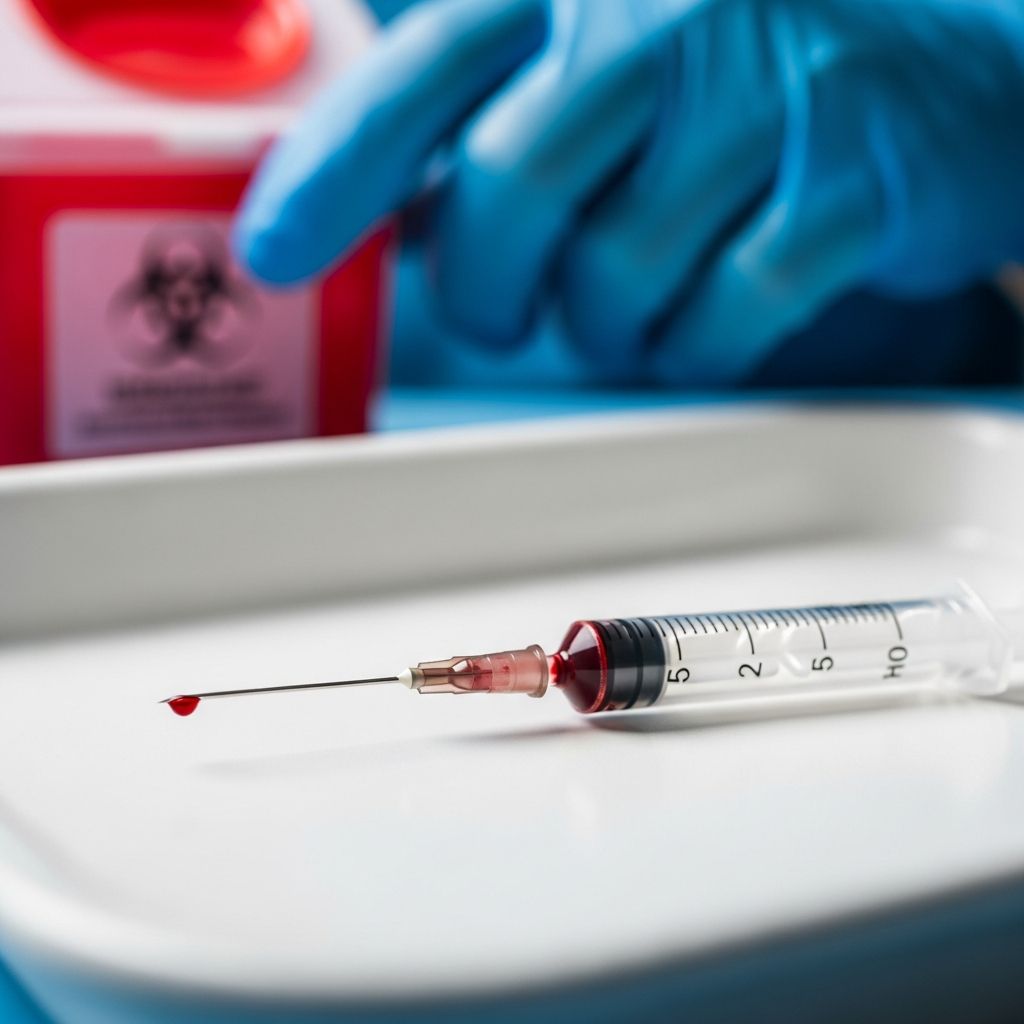
Needlestick injuries occur when sharp medical tools like needles or scalpels accidentally puncture the skin, potentially exposing individuals to blood-borne pathogens such as hepatitis B virus (HBV), hepatitis C virus (HCV), and human immunodeficiency virus (HIV).
Defining Needlestick Injuries and Their Scope
These incidents involve skin penetration by contaminated sharps that have contacted blood, tissue, or bodily fluids, leading to possible transmission of over 25 blood-borne diseases in healthcare settings. While most injuries cause minimal immediate harm, the real danger lies in latent infections that can develop weeks later.
In healthcare environments, needlestick events represent over 80% of percutaneous exposures in the United States, affecting not just doctors and nurses but also lab technicians, surgeons, and support staff. Beyond hospitals, risks extend to home users managing conditions like diabetes or allergies via self-injection, farmers treating livestock, tattoo artists, and even those encountering discarded needles from illicit drug use.
Primary Causes Behind Needlestick Occurrences
Most injuries stem from procedural mishaps, such as recapping needles, improper disposal, or handling overfilled sharps containers. During surgeries, scalpel slips or suture needle punctures through gloves are common, often resulting in deeper wounds than standard hypodermic needles.
- Syringe needles: The leading culprit, involved in 82% of nurse-reported cases due to frequent venipuncture and injection tasks.
- Angiocatheters and scalpels: Prevalent in vascular access and surgical procedures.
- Human factors: Crowded workspaces (74% of cases), fatigue, distraction, and rushed tasks amplify risks, especially on night shifts.
- Disposal errors: Needles left unattended or discarded without proper containers heighten community exposure.
Occupational data highlights nurses as the highest-risk group, owing to direct patient care involving sharps.
Health Risks and Transmission Probabilities
The gravest threats are viral transmissions: HBV (highest risk), HCV, and HIV (lowest). The World Health Organization estimates 66,000 HBV, 16,000 HCV, and 1,000 HIV cases annually from needlesticks globally as of 2000, with higher incidences in regions with elevated disease prevalence.
Risk escalates with:
| High-Risk Factor | Impact on Transmission |
|---|---|
| Hollow-bore, large needles | Increases pathogen volume exposure |
| Deep penetration or visible blood | Direct vein/artery contact boosts odds |
| Source patient with known infection | Up to 30% HBV risk if unvaccinated |
| Drug-use history in source | Higher viral loads common |
Other pathogens like tetanus require vaccination checks, while bacteria or prions pose rarer concerns. From 1981-2010, only 57 confirmed occupational HIV cases occurred among U.S. healthcare workers, mostly from percutaneous injuries.
Immediate Response Protocols After Exposure
Swift action minimizes infection chances. Follow these steps:
- Wash thoroughly: Rinse puncture site with soap and running water for 5-10 minutes; avoid squeezing the wound.
- Report instantly: Notify supervisor or occupational health within hours for source patient testing (HIV, HBV, HCV status).
- Seek medical evaluation: Baseline blood tests at 0, 6 weeks, 3, 6, and 12 months post-exposure.
- Prophylaxis if indicated: HBV vaccine/immune globulin for susceptible individuals; HIV post-exposure prophylaxis (PEP) within 72 hours if high-risk.
Related Stories



If the source is unknown (e.g., community-found needle), assume high risk and pursue full testing.
Post-Exposure Testing and Follow-Up Care
Baseline assessments include exposed worker’s serology for HBV/HCV/HIV, plus physical exam for entry wound, lymphadenopathy, or organ involvement. Source blood, if available, determines urgency: high-risk sources trigger PEP.
- HBV: Vaccinate if unvaccinated; HBIG for known positives.
- HCV: Monitor anti-HCV; no prophylaxis exists.
- HIV: 28-day PEP regimen if source is positive or unknown high-risk.
Follow-up monitors seroconversion, with counseling on symptoms like fever, rash, or jaundice.
Prevention Strategies in Professional Settings
Engineering controls lead the charge: safety-engineered sharps (retracting needles) reduced U.S. injuries by 50% post-OSHA mandates.
Key measures include:
- Using blunt-tip suture needles and needleless IV systems.
- Never recapping; dispose directly into puncture-resistant sharps bins.
- Double-gloving in surgery and proper container placement (not overfilled).
Training is paramount: 82% of nurses cite education as top prevention. OSHA’s Bloodborne Pathogens Standard enforces annual training, HBV vaccination, and incident logging.
Home and Community Prevention Tactics
Non-professionals injecting medications or veterinary supplies face similar perils. Use single-use devices, never share, and dispose in rigid sharps containers (laundry detergent bottles as interim).
For parents or roommates of drug users: Educate on safe disposal, avoid handling trash blindly, and report public sharps hazards.
Statistics and Global Burden
Healthcare workers suffer millions of needlesticks yearly, with underreporting common. Nurses report highest rates due to procedural volume. Prevention-focused policies have curbed U.S. rates, but developing nations lag.
Frequently Asked Questions (FAQs)
What should I do if I get stuck by a used needle?
Wash immediately, report to authorities, and get medical assessment for testing and prophylaxis.
Can I get HIV from a needlestick?
Risk is low (0.3%), but PEP within 72 hours is critical for high-risk exposures.
Is hepatitis B vaccine required for healthcare workers?
Yes, it’s highly effective and OSHA-mandated.
How do I safely dispose of home sharps?
Use FDA-approved containers; seal and drop at pharmacies or collection sites.
Do all needlesticks require testing?
Yes, due to potential asymptomatic transmission; follow protocols regardless.
Advancing Sharps Safety Innovations
Modern devices like self-sheathing needles and passive activation systems exemplify progress. FDA monitors needlestick-related malfunctions to refine standards. Interprofessional coordination—nurses, admins, engineers—optimizes implementation.
By prioritizing awareness, vaccination, and tech, needlestick injuries can be drastically reduced, safeguarding workers and communities alike.
References
- Needlestick Injuries | healthdirect — healthdirect.gov.au. 2023. https://www.healthdirect.gov.au/needlestick-injuries
- Needlestick injury – Wikipedia — Wikipedia. 2023-10-01. https://en.wikipedia.org/wiki/Needlestick_injury
- The Frequency, Causes and Prevention of Needlestick Injuries in… — PMC (NCBI). 2016-01-01. https://pmc.ncbi.nlm.nih.gov/articles/PMC4717808/
- Needlestick – StatPearls – NCBI Bookshelf — NCBI. 2023-08-08. https://www.ncbi.nlm.nih.gov/books/NBK493147/
- Bloodborne Pathogens and Needlestick Prevention – OSHA — OSHA.gov. 2023. http://www.osha.gov/bloodborne-pathogens/evaluating-controlling-exposure
- After an exposure to sharps or body fluids – MedlinePlus — MedlinePlus.gov. 2023. https://medlineplus.gov/ency/patientinstructions/000442.htm
Similar Articles








Read full bio of medha deb