Negative Calorie Foods: 6 Myth-Busting Picks That Still Count
Unpacking the myth of negative calorie foods: Low-calorie options aid weight loss but don't burn more energy than they provide.
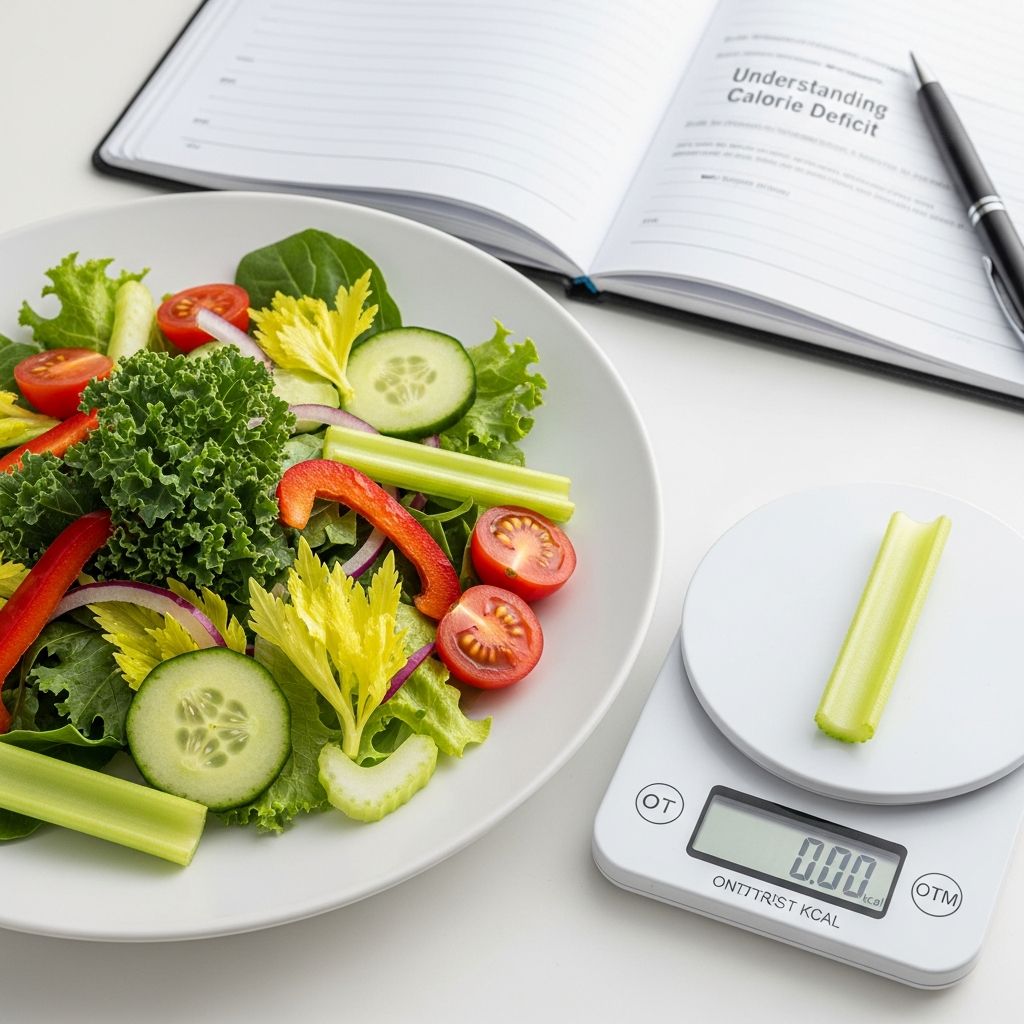
The allure of negative calorie foods persists in diet trends, promising effortless weight loss by burning more calories through digestion than they provide. However, scientific evidence shows no food truly achieves a net calorie deficit this way. These low-calorie fruits and vegetables, like celery and cucumbers, offer real benefits for satiety and nutrition but count toward your daily intake.
What Are Negative Calorie Foods?
The concept of negative calorie foods stems from the thermic effect of food (TEF), the energy required to digest, absorb, and metabolize nutrients. Proponents claim foods like celery demand more energy to process than their meager calories supply, creating a ‘negative’ balance. In reality, TEF for carbohydrates is 5-10%, proteins 20-30%, and fats 0-3%, far below the 100%+ needed for negativity.
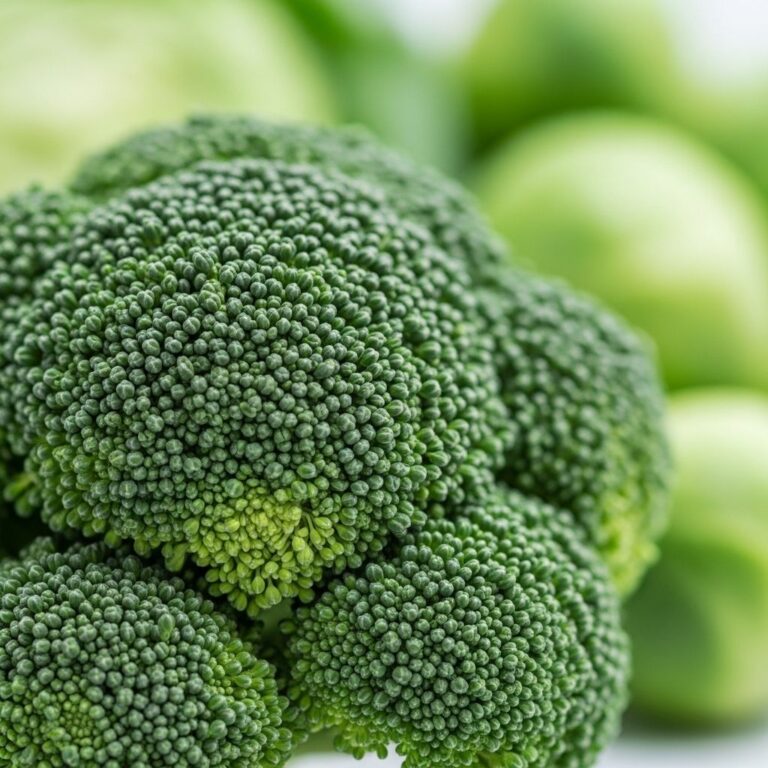
Common examples include high-water, high-fiber produce: celery (14 calories per cup, 95% water), cucumbers, lettuce, grapefruit, broccoli, and carrots. While digestion uses some energy, studies confirm even celery yields a net gain, as shown in research on bearded dragons where 24% of celery’s energy was retained after processing. Human metabolism follows similar principles; no evidence supports true negative calories.
The Science Behind the Myth
Digesting food accounts for about 10% of daily energy expenditure. Low-calorie foods like iceberg lettuce or celery require minimal processing due to their water content, not exceeding their caloric value. A Wikipedia overview notes celery’s TEF at around 8%, insufficient for negativity unless unrealistically frozen or pureed.
Empirical tests, like Buddemeyer et al. (2020) on lizards, refute the idea: despite energy losses to feces and specific dynamic action, a net positive remained. Healthline analysis echoes this: all listed foods provide calories exceeding digestion costs. The myth persists due to appeal but lacks backing from peer-reviewed data.
Low-Calorie Foods and Their Benefits
Though not negative, these foods excel in low caloric density, allowing larger volumes for fewer calories, promoting fullness via fiber and water. Benefits include:
- Satiety and hunger control: High fiber in broccoli and lettuce slows digestion, stabilizing blood sugar.
- Hydration support: Cucumbers (96% water) and watermelon aid fluid balance essential for metabolism.
- Nutrient density: Packed with vitamins (A, C, K), minerals, and antioxidants for health without excess energy.
- Weight management: Diets emphasizing them create deficits through volume, not magic.
Incorporating them boosts heart health via phytonutrients and fiber, supports digestion, and enhances overall wellness.
Examples of So-Called Negative Calorie Foods
Here’s a table of popular claims with actual nutrition per typical serving:
| Food | Calories | Water Content | Key Nutrients |
|---|---|---|---|
| Celery (1 cup, 100g) | 14 | 95% | Vitamin K, folate |
| Cucumbers (1 cup, 100g) | 16 | 96% | Vitamin K, potassium |
| Lettuce (1 cup, 35g) | 5 | 95% | Vitamin A, K |
| Broccoli (1 cup, 91g) | 31 | 89% | Vitamin C, K, fiber |
| Grapefruit (1/2 medium) | 52 | 88% | Vitamin C, antioxidants |
| Carrots (1 cup, 130g) | 52 | 88% | Vitamin A, fiber |
Data from USDA via Healthline. These support diets but add to totals.
Why They Help with Weight Loss Anyway
Low-energy-density foods fill the stomach, curbing overeating. A 2005 study on plant-based diets showed 13-pound losses over 14 weeks from high-fiber, low-fat intake increasing TEF and reducing density. They replace calorie-dense items, fostering sustainable deficits without deprivation.
Related Stories



Protein-rich low-cal options like chicken breast (110 cal/3oz, 22g protein) or salmon complement veggies for muscle preservation during weight loss.
Potential Downsides and Balanced Approach
Over-relying on these can lead to nutrient gaps if excluding variety. Celery’s oxalates may affect kidneys in excess; balance with proteins, fats, healthy carbs. Aim for whole diets: MyPlate guidelines recommend half plates fruits/veggies.
Chewing gum or ice might burn minor calories via TEF, but negligible for loss. Focus on total intake, activity for results.
Frequently Asked Questions
Do negative calorie foods really exist?
No, no food requires more energy to digest than it provides. Low-cal options like celery net positive energy.
Can I eat unlimited celery for weight loss?
While low-cal, unlimited intake adds up and lacks balance. Use for volume in calorie-controlled diets.
What’s the thermic effect of food?
TEF is energy for digestion: 5-10% carbs, 20-30% protein. Never exceeds 30%, preventing negativity.
Are cucumbers negative calories?
No, 16 cal/cup with TEF below that. Great for hydration and crunch.
How do these foods aid dieting?
High water/fiber promotes fullness, nutrient density supports health in deficits.
Expert Tips for Incorporating Low-Calorie Foods
Registered dietitians recommend:
- Snack on celery with nut butter for balance.
- Add cucumbers to salads for volume.
- Steam broccoli as sides.
- Blend watermelon smoothies (watch portions).
- Pair with lean proteins for satiety.
Track intake via apps; combine with exercise for optimal loss.
References
- Do ‘Negative-Calorie’ Foods Exist? — Consensus AI. 2023. https://consensus.app/home/blog/do-negative-calorie-foods-exist/
- What Does Negative Calorie Foods Diet Mean? — Dr. Jorge Green. 2024. https://drjorgegreen.com/negative-calorie-foods-diet/
- Negative-calorie food — Wikipedia (citing studies). 2024-01-15. https://en.wikipedia.org/wiki/Negative-calorie_food
- Do Negative-Calorie Foods Exist? Facts vs Fiction — Healthline. 2023-05-12. https://www.healthline.com/nutrition/negative-calorie-foods
- The Myth of Negative Calorie Foods — Dr. Ozansen. 2024. https://www.drozansen.com/the-myth-of-negative-calorie-foods-the-true-concept-thermogenic-foods
- The Myth of Negative Calorie Foods — Discover Magazine. 2008-11-01. https://www.discovermagazine.com/the-myth-of-negative-calorie-foods-42394
- Is There Really Such A Thing As A Negative-Calorie Food? — Henry Ford Health. 2021-08-01. https://www.henryford.com/Blog/2021/08/is-there-really-a-such-thing-as-a-negative-calorie-food
Similar Articles








Read full bio of medha deb