Nemolizumab: A New Pathway for Atopic Dermatitis Management
Understanding the latest biologic therapy option for moderate-to-severe eczema patients
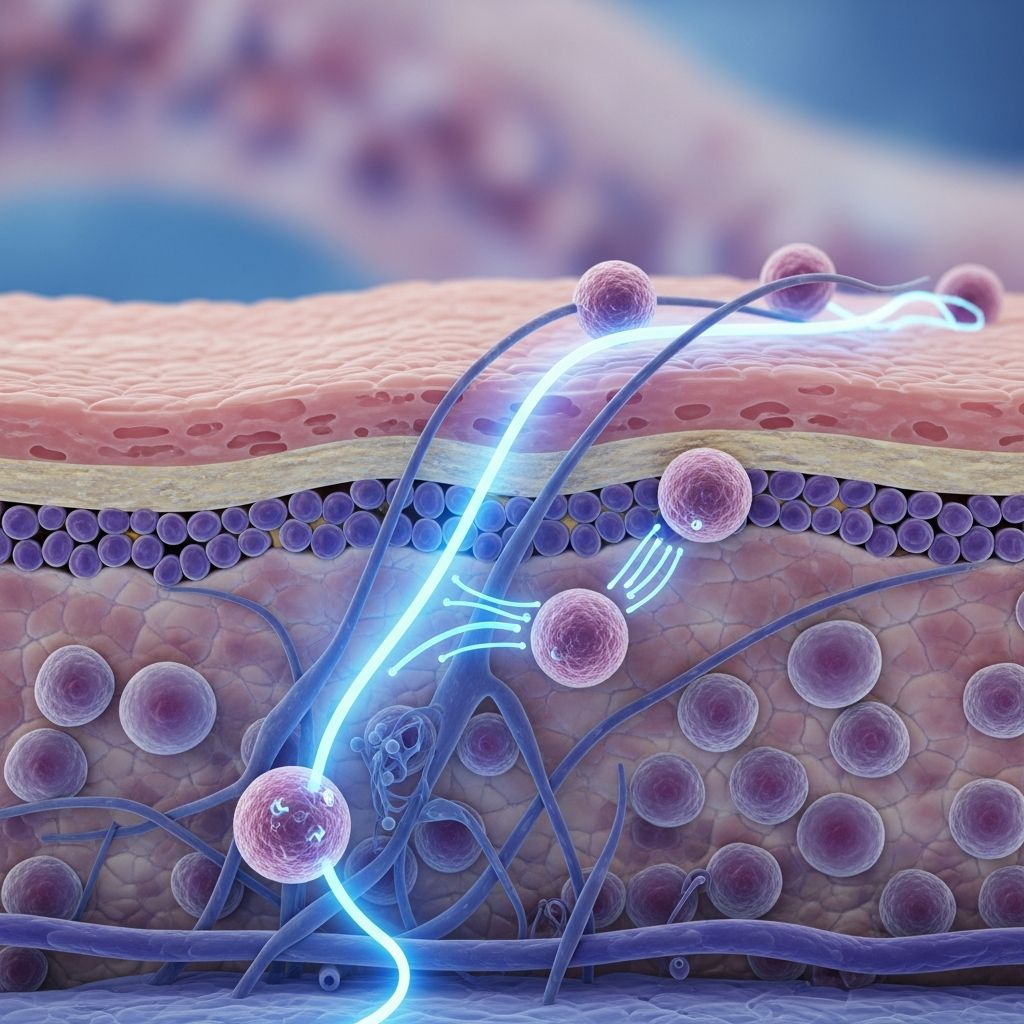
Atopic dermatitis, commonly known as eczema, affects millions of individuals worldwide and significantly impacts their quality of life. For patients struggling with moderate-to-severe forms of the condition, finding effective treatment options has historically been challenging. Recent advances in biologic therapies have expanded the treatment arsenal available to dermatologists and allergists. Nemolizumab stands as one of the most recent additions to this growing category of targeted immunologic medications, offering a distinct mechanism of action that addresses a previously underutilized inflammatory pathway in atopic dermatitis pathophysiology.
The Evolution of Atopic Dermatitis Therapeutics
Understanding the context of nemolizumab’s emergence requires insight into how atopic dermatitis treatment has evolved. Historically, the management of this chronic inflammatory skin condition relied heavily on topical interventions and, for severe cases, systemic corticosteroids or older immunosuppressive agents. These traditional approaches, while sometimes effective, carried substantial risks of adverse effects, particularly with prolonged use.
The treatment paradigm shifted significantly with the introduction of biologic therapies that target specific immune pathways rather than broadly suppressing the immune system. Dupilumab and tralokinumab emerged as first-line systemic treatments, targeting distinct components of the Type 2 inflammatory response that drives atopic dermatitis. These medications block IL-4/IL-13 signaling or IL-13 signaling alone, respectively, addressing a critical inflammatory axis in the disease process.
The approval of nemolizumab adds another dimension to this landscape. Rather than focusing on IL-4 or IL-13, nemolizumab targets IL-31 signaling, a different but equally important component of the inflammatory cascade that characterizes atopic dermatitis. This approach reflects the growing recognition that atopic dermatitis is not a monolithic disease but rather involves multiple overlapping inflammatory pathways, each contributing to the overall disease burden.
Mechanisms of Action: How Nemolizumab Works
Nemolizumab functions as a monoclonal antibody that specifically blocks the IL-31 receptor on immune cells. IL-31 is a cytokine—a signaling molecule—that plays a particularly important role in driving pruritus, or itching, one of the most burdensome symptoms of atopic dermatitis. By interrupting IL-31 signaling, nemolizumab addresses both the inflammatory component of the disease and the intensely distressing symptom of chronic itch.
This targeted approach differs from other biologics in the atopic dermatitis treatment arsenal. While dupilumab and tralokinumab primarily work through the IL-4/IL-13 axis, nemolizumab’s focus on IL-31 provides an alternative for patients who may not respond adequately to or tolerate other biologic options. The existence of multiple biologic choices with distinct mechanisms allows clinicians to personalize treatment based on individual patient characteristics, disease phenotype, and response to prior therapies.
Clinical Benefits and Patient Population
Nemolizumab has been approved for the treatment of moderate-to-severe atopic dermatitis in patients 12 years of age and older. This approval reflects clinical trial data demonstrating efficacy in reducing disease severity, inflammation, and most importantly, the intense pruritis that characterizes moderate-to-severe disease.
The approval of nemolizumab, along with lebrikizumab, which also recently received FDA approval for moderate-to-severe atopic dermatitis in the same age group, represents a significant expansion of treatment options. For patients who have failed to achieve adequate disease control with topical therapies or first-line systemic medications, these additional biologic options provide meaningful alternatives.
The benefits of biologic therapies in atopic dermatitis extend beyond symptom control. Clinical evidence suggests that sustained treatment with these medications can shift the inflammatory milieu of affected skin toward a non-lesional profile, potentially promoting lasting improvements in skin barrier function and reducing the tendency toward recurrent flares.
Related Stories



Treatment Goals and Quality of Life Considerations
The fundamental objectives of atopic dermatitis treatment are multifaceted. Beyond merely reducing visible lesions, successful therapy should:
- Repair the compromised epidermal barrier that characterizes atopic skin
- Suppress chronic inflammation underlying the disease process
- Substantially decrease pruritus and its associated morbidity
- Improve overall quality of life and functional capacity
- Prolong periods of remission and reduce flare frequency
Nemolizumab’s IL-31-targeting mechanism is particularly well-suited to addressing the itch component, which for many patients represents the most burdensome aspect of their disease. Chronic itching in atopic dermatitis is not merely a symptom; it drives a vicious cycle of scratching, skin barrier damage, secondary infection risk, and perpetuation of inflammation. By breaking this cycle through targeted itch reduction, nemolizumab offers potential for substantial improvements in patient well-being and daily functioning.
Positioning Within the Broader Treatment Landscape
Atopic dermatitis management follows a stepped approach, with treatment intensity tailored to disease severity and individual patient factors. For mild disease, topical therapies remain the cornerstone of management, including emollients, topical corticosteroids, and topical calcineurin inhibitors. Recent additions to the topical armamentarium include topical JAK inhibitors and aryl hydrocarbon receptor agonists, providing additional non-systemic options for patients with milder disease.
For moderate-to-severe disease unresponsive to topical management, systemic therapies become necessary. The treatment algorithm has traditionally involved: first-line biologic therapies (dupilumab and tralokinumab), followed by alternative biologics for patients with inadequate response or intolerance. Nemolizumab and lebrikizumab now occupy this important role as additional systemic treatment options for moderate-to-severe disease.
The availability of multiple biologic options with distinct mechanisms represents a paradigm shift in atopic dermatitis management. Rather than a one-size-fits-all approach, clinicians can now employ a personalized strategy, selecting agents based on patient phenotype, comorbidities, prior treatment responses, and individual preferences regarding dosing frequency and administration route.
Supporting Therapies and Integrated Management
While biologic therapies like nemolizumab represent important advances, optimal atopic dermatitis management remains multimodal. Patients receiving nemolizumab typically continue foundational skin care practices and may require adjunctive topical therapies for localized disease or flare management.
Essential supporting measures include:
- Consistent moisturization with appropriate emollients tailored to individual skin needs
- Gentle bathing techniques using lukewarm water and non-soap cleansers
- Identification and avoidance of personal disease triggers
- Topical therapies for breakthrough inflammation or localized involvement
- Education regarding proper application techniques and realistic treatment timelines
Some patients may benefit from additional adjunctive measures such as bleach-bath therapy for bacterial overgrowth or wet-wrap dressing techniques during acute flares, particularly when combined with topical medications. The integration of behavioral approaches, such as itch-scratching habit interruption and stress management, can further optimize outcomes when combined with pharmacologic therapy.
Frequently Asked Questions About Nemolizumab
Q: How does nemolizumab differ from other biologic treatments for atopic dermatitis?
A: Nemolizumab blocks IL-31 signaling, whereas first-line biologics like dupilumab and tralokinumab target the IL-4/IL-13 pathway. This alternative mechanism provides an option for patients who don’t respond adequately to or cannot tolerate other biologics.
Q: What age group can receive nemolizumab?
A: Nemolizumab is approved for patients 12 years of age and older with moderate-to-severe atopic dermatitis.
Q: Can nemolizumab be used in combination with other treatments?
A: Yes, biologic therapies are typically used alongside foundational skin care, moisturization, and topical therapies as needed for optimal disease management.
Q: How quickly does nemolizumab work?
A: Like other biologic therapies, nemolizumab requires several weeks of treatment before maximum benefit is realized, with gradual improvements in inflammation and pruritus over the initial treatment period.
Q: Is nemolizumab appropriate for all patients with moderate-to-severe atopic dermatitis?
A: While approved for moderate-to-severe disease in patients 12 and older, individual suitability depends on medical history, concurrent medications, and other clinical factors. A healthcare provider should evaluate each patient’s specific circumstances.
Future Directions in Atopic Dermatitis Management
The approval of nemolizumab reflects the ongoing evolution of atopic dermatitis therapeutics. As our understanding of the disease’s complex inflammatory architecture deepens, additional biologic and small-molecule therapies continue to emerge. The field is moving toward increasingly personalized approaches, where treatment selection is guided by biomarkers, disease phenotype, and individual patient characteristics rather than a universal algorithm.
The expansion of available treatment options fundamentally changes the conversation around atopic dermatitis management. What was once considered a chronic disease with limited therapeutic options now offers multiple pathways to disease control and improved quality of life. For patients and clinicians alike, this represents meaningful progress in addressing one of the most common and impactful inflammatory skin conditions.
References
- An Overview of Atopic Dermatitis Disease Burden, Pathogenesis, and Current Treatments — Journal of Clinical and Aesthetic Dermatology. 2024. https://jcadonline.com/current-treatments-for-atopic-dermatitis/
- Atopic Dermatitis: Diagnosis and Treatment — American Academy of Family Physicians (AAFP). 2020-05-15. https://www.aafp.org/pubs/afp/issues/2020/0515/p590.html
- Atopic Eczema Treatment — National Health Service (NHS). https://www.nhs.uk/conditions/atopic-eczema/
- Eczema (Atopic Dermatitis) Overview — American Academy of Allergy, Asthma & Immunology (AAAAI). https://www.aaaai.org/tools-for-the-public/conditions-library/allergies/eczema-(atopic-dermatitis)-overview
- Eczema Types: Atopic Dermatitis Diagnosis and Treatment — American Academy of Dermatology (AAD). https://www.aad.org/public/diseases/eczema/types/atopic-dermatitis/treatment
- Treatments for Atopic Dermatitis — PubMed Central (PMC). 2024. https://pmc.ncbi.nlm.nih.gov/articles/PMC10664093/
Similar Articles








Read full bio of medha deb