Neonatal Diabetes: 3 Types, Causes, And Treatment Options
Understanding neonatal diabetes: rare genetic condition in infants under 6 months, treatments including sulfonylureas for better outcomes.
Neonatal Diabetes
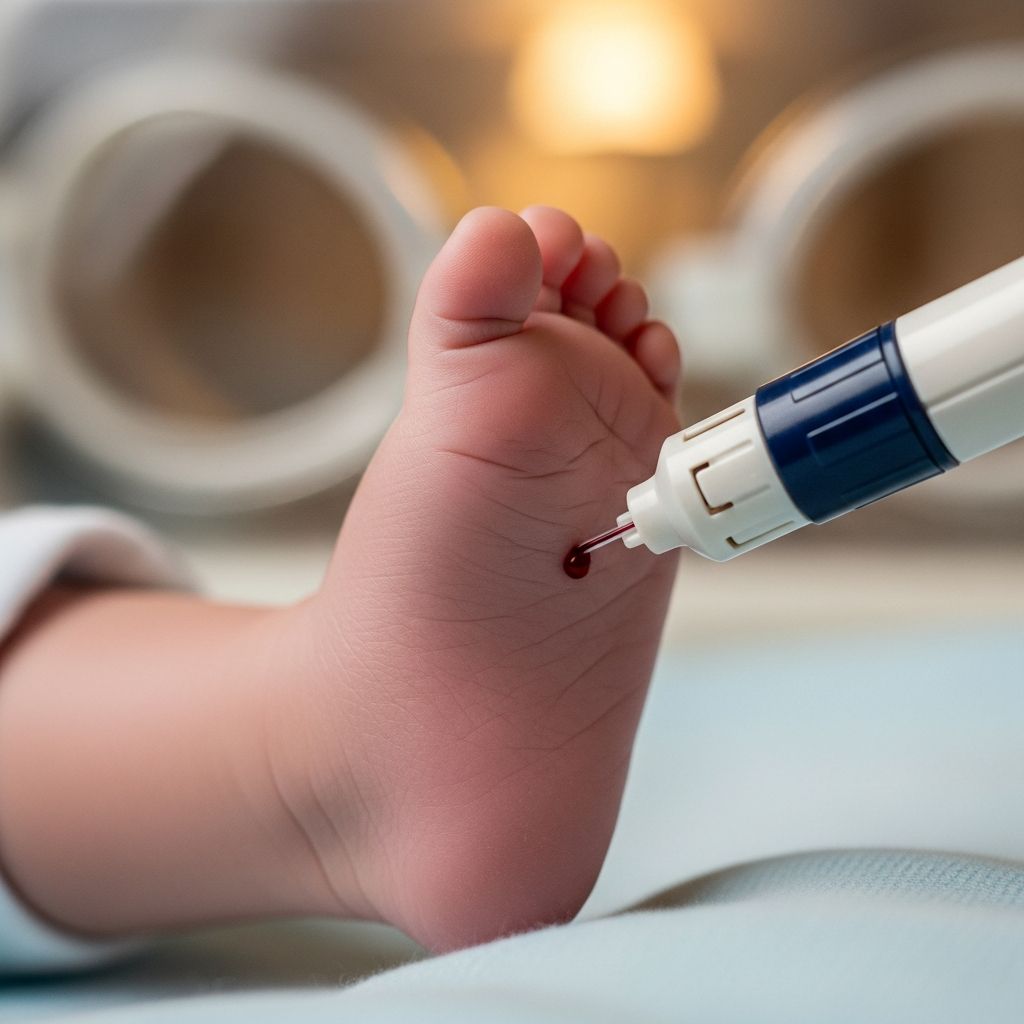
Neonatal diabetes is a rare condition where diabetes is diagnosed in babies under six months old. It affects around 1 in 100,000 to 400,000 live births and is distinct from type 1 diabetes, which typically appears later in childhood. Unlike type 1 diabetes caused by autoimmune destruction of insulin-producing beta cells, neonatal diabetes results from genetic mutations affecting insulin production or secretion.
This monogenic form of diabetes requires prompt diagnosis and specialized management to prevent complications like dehydration and developmental delays. Early genetic testing is crucial as it guides treatment, with around 50% of cases responsive to oral sulfonylureas rather than lifelong insulin.
What is neonatal diabetes?
Neonatal diabetes mellitus (NDM) presents as persistent hyperglycemia in newborns, often before 6 months of age. It is classified into
permanent neonatal diabetes (PNDM)
, which persists lifelong, andtransient neonatal diabetes (TNDM)
, which may remit but can relapse later. PNDM accounts for about 50-60% of cases, while TNDM makes up 40-50%.Symptoms mimic those in older children but are more severe due to infants’ vulnerability: excessive thirst (polydipsia), frequent urination (polyuria), dehydration, weight loss despite feeding, lethargy, irritability, and high blood glucose levels often exceeding 250 mg/dL. Ketones may be absent, distinguishing it from type 1. Hyperglycemia persisting beyond 7-14 days without other causes like infection or prematurity warrants suspicion.
In TNDM, remission often occurs by 12-18 months, but relapse is common in adolescence or adulthood, requiring renewed treatment. PNDM demands lifelong therapy, though responsive forms allow oral medications. Associated features may include low birth weight, developmental delays (especially in KCNJ11 mutations), and macroglossia in TNDM.
Types of neonatal diabetes
Neonatal diabetes is categorized by genetic cause and duration:
- Transient neonatal diabetes (TNDM): Most common in chromosome 6q24 region (duplication/loss of imprinting), remits spontaneously but relapses later. Features include intrauterine growth restriction and macroglossia.
- Permanent neonatal diabetes (PNDM): Includes mutations in INS (insulin gene, 10-20%), KCNJ11 (potassium channel, 30-40%), ABCC8 (sulfonylurea receptor, 10-15%), and others like FOXP3 (IPEX syndrome with immune issues). KCNJ11/ABCC8 cases often respond to sulfonylureas.
- Syndromic forms: Associated with conditions like Wolfram syndrome or cerebral palsy.
| Type | Genetic Cause | Duration | Treatment Response |
|---|---|---|---|
| TNDM | 6q24 | Transient (remits <18 months) | Insulin initially |
| PNDM (KCNJ11) | KCNJ11 mutation | Permanent | Sulfonylureas (90-95% success) |
| PNDM (INS) | INS mutation | Permanent | Insulin |
Genetic testing identifies the subtype in over 90% of cases, predicting treatment and prognosis.
Causes of neonatal diabetes
NDM is monogenic, caused by single gene defects impairing beta-cell function:
- 6q24 region (TNDM): Loss of maternal imprinting leads to overexpression of imprinted genes, causing temporary beta-cell exhaustion.
- KCNJ11 mutations (PNDM): Affect Kir6.2 subunit of K-ATP channels, preventing channel closure and insulin secretion. Most common sulfonylurea-responsive form.
- ABCC8 mutations: Impact SUR1 subunit, similar mechanism.
- INS mutations: Misfolded proinsulin causes beta-cell endoplasmic reticulum stress and apoptosis.
- Rarer causes: PDX1, NEUROD1, EIF2AK3, etc.
No autoimmune component; autoantibodies are absent. Family history may be present in 10-20%.
Diagnosis of neonatal diabetes
Diagnosis combines clinical suspicion, lab tests, and genetics:
- Clinical: Hyperglycemia (>250 mg/dL persistent >7-14 days), polyuria/polydipsia, dehydration in infant <6 months.
- Labs: Blood/urine glucose, C-peptide (low), insulin (low), absent ketones/autoantibodies, HbA1c. Pancreatic ultrasound to rule out agenesis.
- Genetic testing: Essential; panels test 20+ genes. Confirm before treatment changes. Average delay: 10 weeks.
Differentiate from type 1 (autoimmune), stress hyperglycemia, or prematurity-related issues.
Treating neonatal diabetes
Treatment is mutation-specific:
- Insulin: Initial therapy for all; use continuous subcutaneous insulin infusion (CSII/pump) for precise micro-dosing (0.025 U/hr basal) in neonates to avoid hypo/hyperglycemia.
- Sulfonylureas (e.g., glibenclamide/glyburide): For KCNJ11/ABCC8 (50% cases); 90-95% transition off insulin, better HbA1c, fewer hypos. Higher doses needed; early use (<3 months) improves neurodevelopment. Trial before genetics if suspected.
- TNDM relapse: Non-insulin therapies like metformin may work.
Empiric sulfonylurea trial safe pre-genetics. Multidisciplinary team: neonatologists, endocrinologists, geneticists. Nutrition: 15-18 g/kg/day carbs.
Diabetes in the very young
NDM falls under ‘diabetes diagnosed under 12 months.’ Key differences from type 1: genetic vs. autoimmune, sulfonylurea option, no remission in PNDM. Genetic counseling recommended.
Research into neonatal diabetes
Ongoing trials focus on sulfonylurea long-term efficacy, neuroprotection, gene therapies. Registries track outcomes; early SU linked to better cognition.
Support
UK families: Contact diabetes.org.uk helpline. Specialist centers for genetic testing/treatment. Family support groups aid emotional/practical needs.
Frequently Asked Questions (FAQs)
What is the difference between neonatal diabetes and type 1 diabetes?
Neonatal diabetes is genetic/monogenic, diagnosed <6 months, often sulfonylurea-treatable; type 1 is autoimmune, later onset, insulin-dependent.
Can neonatal diabetes be cured?
TNDM remits temporarily; PNDM is lifelong but manageable, often without insulin.
Is genetic testing necessary?
Yes, confirms diagnosis, guides therapy (e.g., sulfonylureas), predicts prognosis.
What are the symptoms in babies?
Thirst, frequent wet nappies, dehydration, poor feeding, high blood sugar.
How is it treated without insulin?
Glibenclamide for responsive mutations; improves glucose and development.
References
- Neonatal Diabetes Mellitus: An Update on Diagnosis and Treatment — De Leon DD, et al. PMC. 2018-05-01. https://pmc.ncbi.nlm.nih.gov/articles/PMC5928785/
- Neonatal diabetes — Diabetes UK. Accessed 2026. https://www.diabetes.org.uk/about-diabetes/other-types-of-diabetes/neonatal-diabetes
- Neonatal Diabetes Mellitus — Oren A, et al. Frontiers in Pediatrics. 2020-09-25. https://www.frontiersin.org/journals/pediatrics/articles/10.3389/fped.2020.540718/full
- Neonatal diabetes: what it is, symptoms and treatment — Top Doctors. Accessed 2026. https://www.topdoctors.co.uk/medical-dictionary/neonatal-diabetes/
- Monogenic Diabetes (MODY & Neonatal Diabetes Mellitus) — NIDDK, NIH. 2024-06-01. https://www.niddk.nih.gov/health-information/diabetes/overview/what-is-diabetes/monogenic-neonatal-mellitus-mody
Similar Articles




Read full bio of medha deb