Neonatal Hepatitis: Causes, Symptoms, Diagnosis & Treatment
Understanding neonatal hepatitis: symptoms, diagnosis, and treatment options for infants.
What Is Neonatal Hepatitis?
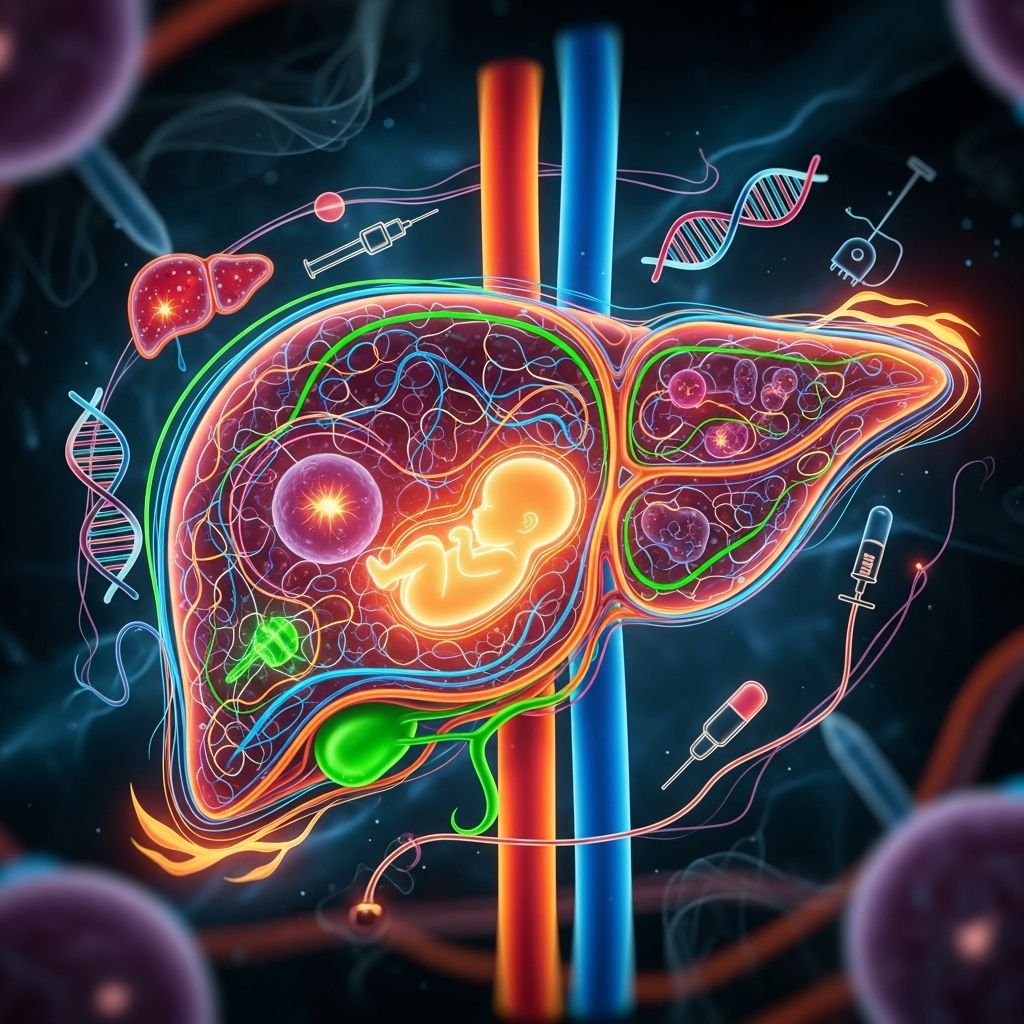
Neonatal hepatitis refers to inflammation of the liver that occurs in infants, typically within the first few months of life. It is not a single disease but rather an umbrella term for a group of liver disorders that present with similar symptoms and laboratory findings. The condition is characterized by impaired bile flow, liver cell damage, and often jaundice. Neonatal hepatitis can be caused by a variety of factors, including infections, metabolic disorders, and genetic conditions, or sometimes the cause remains unknown.
Causes of Neonatal Hepatitis
The causes of neonatal hepatitis are diverse and can be broadly categorized into infectious, metabolic, genetic, and idiopathic (unknown) origins.
Infectious Causes
- Viral infections: Common viruses include cytomegalovirus (CMV), herpes simplex virus, rubella, and enteroviruses.
- Bacterial infections: Congenital syphilis and toxoplasmosis can also lead to liver inflammation.
- Other infections: Less commonly, other pathogens such as echovirus may be involved.
Metabolic Disorders
- Cystic fibrosis
- Fatty acid oxidation defects
- Respiratory chain defects
- Alpha-1-antitrypsin deficiency
Genetic and Structural Disorders
- Alagille syndrome
- Progressive familial intrahepatic cholestasis (PFIC)
- Biliary atresia (the most common identifiable cause of neonatal cholestasis)
Idiopathic Neonatal Hepatitis
In many cases, no specific cause can be identified. This is referred to as idiopathic neonatal hepatitis. Despite the lack of a known cause, infants with this form often have a favorable prognosis, though some may develop chronic liver disease.
Symptoms of Neonatal Hepatitis
Symptoms of neonatal hepatitis typically appear within the first few weeks of life and may include:
- Jaundice: Yellowing of the skin and whites of the eyes, often the first sign.
- Dark urine: Due to increased bilirubin excretion.
- Pale stools: Indicative of impaired bile flow.
- Itchy skin (pruritus): Caused by bile salt accumulation.
- Failure to thrive: Poor weight gain and delayed growth.
- Enlarged liver and spleen: Detected on physical examination.
- Irritability: Often due to discomfort from itching or illness.
- Easy bruising or prolonged bleeding: In severe cases, due to impaired liver function.
- Abdominal swelling: From fluid accumulation (ascites).
Diagnosis of Neonatal Hepatitis
Diagnosing neonatal hepatitis involves a combination of clinical evaluation, laboratory tests, and imaging studies.
Initial Evaluation
- History and physical examination: Assessment of symptoms, family history, and physical signs such as jaundice and hepatomegaly.
- Blood tests: Measurement of liver enzymes (ALT, AST), bilirubin levels (especially conjugated bilirubin), and other markers of liver function.
Imaging Studies
- Ultrasound: To evaluate liver size, structure, and bile ducts.
- Hepatobiliary iminodiacetic acid (HIDA) scan: To assess bile flow.
Additional Tests
- Liver biopsy: May be performed to confirm the diagnosis and assess the extent of liver damage.
- Genetic testing: To identify inherited metabolic or genetic disorders.
- Infectious disease screening: To rule out viral or bacterial causes.
Related Stories



Treatment of Neonatal Hepatitis
There is no specific cure for neonatal hepatitis, and treatment is primarily supportive and aimed at managing symptoms and complications.
Nutritional Support
- Special formulas: Formulas containing medium-chain triglycerides (MCT) are often recommended, as they are absorbed without the need for bile.
- Vitamin supplementation: Fat-soluble vitamins (A, D, E, K) are frequently given to prevent deficiencies.
- Close monitoring of growth: Regular assessment of weight and height to ensure adequate nutrition.
Medications
- Ursodeoxycholic acid (UDCA): May be used to promote bile flow and protect the liver.
- Other medications: Rifampicin, naltrexone, cholestyramine, and sertraline may be tried if UDCA is ineffective.
- Barbiturates: Sometimes used to stimulate liver enzyme activity.
Surgical Interventions
- Kasai procedure: For infants with biliary atresia, a surgical procedure to restore bile flow.
- Liver transplant: Considered in cases of severe liver damage or chronic liver disease.
Complications of Neonatal Hepatitis
Infants with neonatal hepatitis are at risk for several complications, including:
- Malnutrition: Due to impaired nutrient absorption.
- Delayed growth and development: Resulting from chronic illness and poor nutrition.
- Chronic liver disease: Some infants may develop cirrhosis or liver failure.
- Neurological complications: In cases of severe metabolic disorders.
- Infections: Increased susceptibility due to compromised liver function.
Prognosis and Long-Term Outlook
The prognosis for neonatal hepatitis varies widely depending on the underlying cause and severity of liver involvement. Many infants with idiopathic neonatal hepatitis recover fully, while others may have chronic liver disease or require long-term management. Early diagnosis and appropriate treatment are crucial for improving outcomes.
Frequently Asked Questions (FAQs)
Q: What is the difference between neonatal hepatitis and biliary atresia?
A: Neonatal hepatitis is a broad term for liver inflammation in infants, while biliary atresia is a specific condition where the bile ducts are blocked or absent. Biliary atresia is the most common identifiable cause of neonatal cholestasis.
Q: Can neonatal hepatitis be prevented?
A: There is no specific way to prevent neonatal hepatitis, but early detection and management of underlying causes can improve outcomes.
Q: What are the long-term effects of neonatal hepatitis?
A: Long-term effects depend on the cause and severity. Some infants recover completely, while others may have chronic liver disease or require a liver transplant.
Q: Is neonatal hepatitis contagious?
A: Neonatal hepatitis itself is not contagious, but some of the underlying causes, such as viral infections, can be transmitted from mother to baby.
Q: When should I seek medical attention for my infant?
A: Seek medical attention if your infant develops jaundice, dark urine, pale stools, poor weight gain, or any other signs of liver disease.
References
- Neonatal Hepatitis: Symptoms, Diagnosis, and Treatment — Medical News Today. 2023-04-12. https://www.medicalnewstoday.com/articles/neonatal-hepatitis
- Neonatal Hepatitis — Riley Children’s Health. 2023-03-15. https://www.rileychildrens.org/health-info/neonatal-hepatitis
- Neonatal Cholestasis – Symptoms, Causes, Treatment — National Organization for Rare Disorders (NORD). 2022-12-01. https://rarediseases.org/rare-diseases/idiopathic-neonatal-hepatitis/
Similar Articles








Read full bio of Sneha Tete