Nepafenac Eye Drops: Uses, Dosage, Side Effects
Comprehensive guide to Nepafenac eye drops for post-cataract surgery pain relief and inflammation control.

Nepafenac eye drops, commonly known as Nevanac, are a specialized non-steroidal anti-inflammatory drug (NSAID) formulation designed specifically for ocular use. These drops are primarily prescribed to alleviate pain and reduce inflammation following cataract surgery, a common procedure to remove the clouded lens of the eye and replace it with an artificial one. By inhibiting the production of prostaglandins—chemicals that promote inflammation—nepafenac helps patients recover more comfortably.
Cataract surgery is one of the most frequently performed operations worldwide, with millions benefiting from restored vision each year. However, postoperative complications like pain, swelling, and in high-risk cases, macular edema, can hinder recovery. Nepafenac addresses these issues effectively, particularly in diabetic patients where the risk of macular edema is elevated. This article covers everything from the medicine’s mechanism to practical usage tips, ensuring patients and caregivers have comprehensive information.
About Nepafenac Eye Drops
Nepafenac is classified as a
non-steroidal anti-inflammatory eye drop
, belonging to the NSAID family but optimized for topical ocular application. Unlike oral NSAIDs, it targets inflammation directly in the eye, minimizing systemic side effects.| Type of Medicine | Used For | Also Called | Available As |
|---|---|---|---|
| A non-steroidal anti-inflammatory eye drop | Before and after eye surgery, to control inflammation and pain | Nevanac® | Eye drops (suspension) |
The active ingredient, nepafenac, is a prodrug that penetrates the cornea easily. Once inside the eye, ocular enzymes convert it to amfenac, its active form, which potently inhibits prostaglandin H synthase (COX enzymes). This reduces pain, redness, and swelling associated with surgical trauma. Available strengths include 0.1% (1 mg/ml) and 0.3% (3 mg/ml), with Nevanac typically referring to the 0.1% or 0.3% suspensions.
Clinical studies demonstrate its efficacy: in trials with diabetic patients, nepafenac reduced the incidence of postoperative macular edema after 90 days of use. Onset of action is rapid, around 15 minutes, with effects lasting over 8 hours, making it suitable for scheduled dosing.
Before Using Nepafenac Eye Drops
Before starting nepafenac, consult your doctor to ensure it’s safe for your health profile. Certain conditions or medications can interact adversely.
- Allergies: Inform your doctor if you’ve had reactions to aspirin, other NSAIDs (e.g., ibuprofen, naproxen, diclofenac), or preservatives in eye drops. Allergic responses can include rash, swelling, or itching around the eyes.
- Bleeding tendencies: NSAIDs can impair blood clotting; disclose if you bleed easily or take anticoagulants.
- Eye infections: Do not use if an active infection is present, as it may worsen.
- Pregnancy or breastfeeding: Use only if benefits outweigh risks; discuss with your healthcare provider.
- Diabetes or rheumatoid arthritis: These increase risks like macular edema or corneal issues; monitoring is essential.
- Other medications: List all prescriptions, over-the-counter drugs, herbals, or other eye drops, as interactions (e.g., with steroids) can occur.
Patients with complicated surgeries or high inflammation risk may require additional precautions. Always shake the bottle well before use, as it’s a suspension.
How to Use Nepafenac Eye Drops
Follow your doctor’s instructions precisely. Dosing varies by strength and formulation.
- 1 mg/ml (0.1% Nevanac): One drop in the affected eye
three times daily
, starting 1 day before surgery, on surgery day, and for 2 weeks post-op. - 3 mg/ml (0.3% Ilevro/Nevanac): One drop
once daily
, beginning 1 day prior, with an extra drop 30-120 minutes before surgery if advised.
Administration Steps:
- Wash hands thoroughly.
- Shake the bottle vigorously.
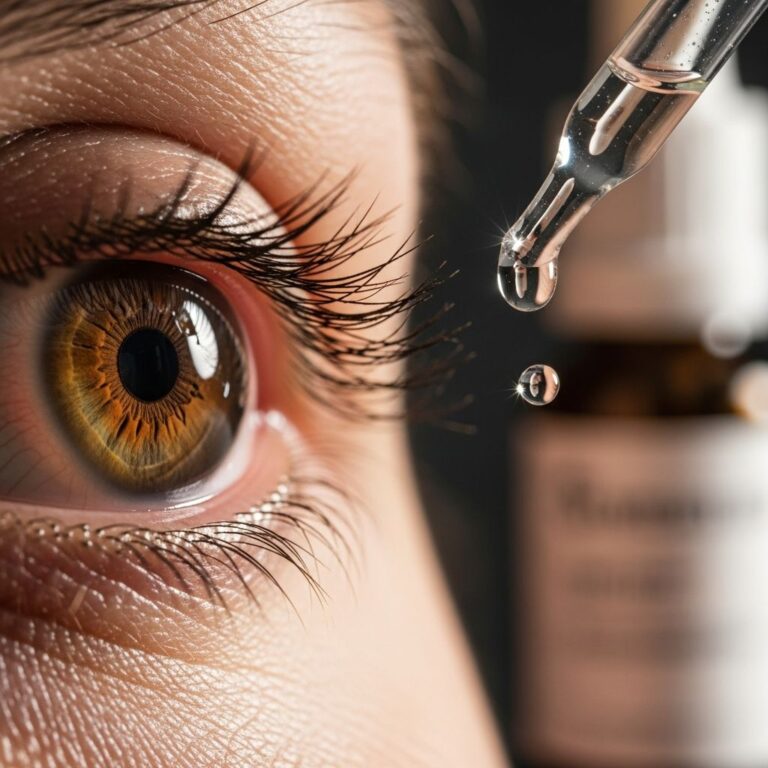
- Tilt head back, pull down lower eyelid to form a pocket.
- Instill one drop without touching the eye or lashes.
- Close eye for 1-2 minutes, gently press the inner corner to prevent drainage.
- Wipe excess with clean tissue. Wait 5-10 minutes before other drops.
Related Stories



Initially, drops may cause watering or blurred vision—wait until clear before driving or operating machinery. Complete the full course, even if symptoms improve, to prevent rebound inflammation.
Understanding the Treatment
Nepafenac is typically used short-term around cataract surgery. Benefits peak within days, reducing pain and swelling effectively. Keep follow-up appointments for progress checks; your doctor may adjust based on healing.
Lifestyle Adjustments:
- Sun Sensitivity: Eyes may be more light-sensitive; wear sunglasses and avoid sunbeds.
- Contact Lenses: Do not wear during treatment or post-surgery recovery—the preservative (benzalkonium chloride) can damage soft lenses.
- **Storage:** Keep at room temperature, away from children; discard 4 weeks after opening.
In diabetics, extended use (up to 90 days) may prevent macular edema, a swelling in the retina’s center that blurs vision.
Side Effects of Nepafenac Eye Drops
Most users tolerate nepafenac well, but side effects occur in some. Common ones resolve as eyes adjust.
| Common Side Effects | Management |
|---|---|
| Eye discomfort, discharge, dry eyes, redness | Mention to doctor if persistent |
| Increased light sensitivity (photophobia) | Wear sunglasses |
| Blurred vision or watering | Avoid driving/tools until clear |
| Headache | Hydrate; use pharmacist-recommended painkiller; consult if ongoing |
Serious Risks (Rare): Keratitis, corneal thinning, erosion, ulceration, or perforation—sight-threatening in susceptible patients. Stop use and seek immediate care if corneal issues suspected. Allergic reactions: rash, swelling, severe itching—discontinue and contact a doctor. Long-term preserved drop use may cause dry eye syndrome or inflammation.
Post-marketing data notes corneal epithelium defects, sometimes requiring surgery. Monitor especially if diabetic or with prior corneal issues.
How to Cope with Side Effects
What should you do if side effects happen?
- For eye irritation: Artificial tears may soothe; avoid rubbing eyes.
- Photophobia: UV-protective sunglasses outdoors.
- Vision blur: Rest eyes; recheck after 10-15 minutes.
- Persistent issues: Contact your ophthalmologist promptly—do not self-medicate.
- Allergy signs: Stop drops, rinse eyes, seek medical advice.
Hydration and rest aid recovery. Report any vision changes immediately.
Frequently Asked Questions (FAQs)
Q: Who should not use Nepafenac eye drops?
A: Avoid if allergic to NSAIDs/aspirin, active eye infection, or bleeding disorders. Consult for pregnancy, diabetes, or other meds.
Q: How long before cataract surgery to start drops?
A: Begin 1 day prior, continue through surgery day and 2 weeks after.
Q: Can I wear contact lenses with Nepafenac?
A: No, due to preservatives and post-surgery recovery needs.
Q: What if I miss a dose?
A: Use as soon as remembered; do not double up. Resume schedule.
Q: Is Nepafenac safe for children?
A: Approved for ages 10+ at doctor’s discretion; not for under 10 without guidance.
Q: Does it prevent macular edema?
A: Yes, reduces risk in diabetic patients post-cataract surgery.
References
- Nepafenac eye drops (Nevanac) — Patient.info. 2023. https://patient.info/medicine/nepafenac-eye-drops-nevanac
- Nevanac – Nepafenac suspension — PrescriberPoint. 2024. https://prescriberpoint.com/therapies/nevanac-11b9a0c
- NEVANAC EPAR Product Information — European Medicines Agency. 2023-05-12. https://www.ema.europa.eu/en/documents/product-information/nevanac-epar-product-information_en.pdf
- Nepafenac (ophthalmic route) — Mayo Clinic. 2025. https://www.mayoclinic.org/drugs-supplements/nepafenac-ophthalmic-route/description/drg-20067489
- Nepafenac Ophthalmic — MedlinePlus. 2024. https://medlineplus.gov/druginfo/meds/a606007.html
- Topical ophthalmic NSAIDs: focus on nepafenac — PMC (PubMed Central). 2009-06-01. https://pmc.ncbi.nlm.nih.gov/articles/PMC2693998/
- Nepafenac: Uses, Interactions — DrugBank. 2025. https://go.drugbank.com/drugs/DB06802
Similar Articles








Read full bio of Sneha Tete