Nephrogenic Systemic Fibrosis: What You Need To Know
Rare fibrosing disorder linked to kidney disease and gadolinium exposure, causing skin thickening and potential systemic involvement.
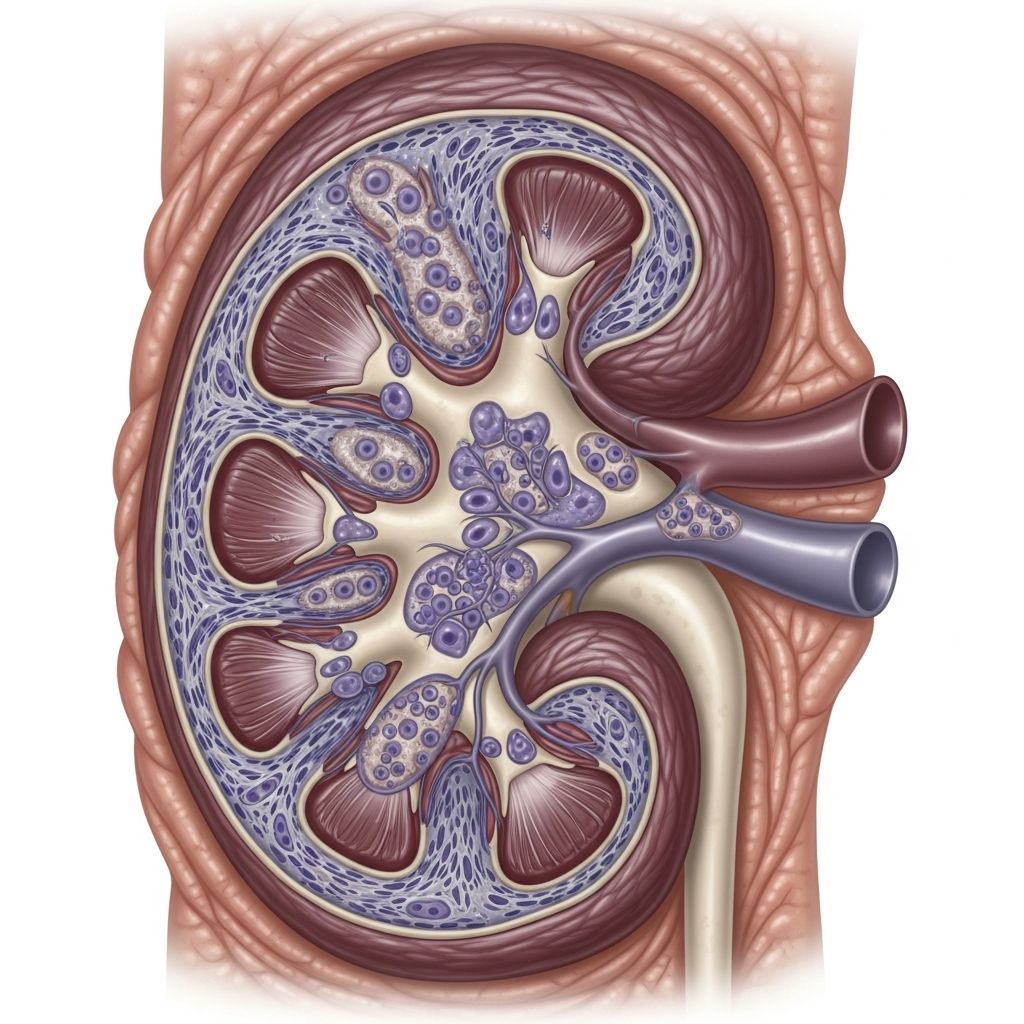
Nephrogenic systemic fibrosis (NSF), previously known as nephrogenic fibrosing dermopathy, is a rare, debilitating condition characterized by fibrosis of the skin and subcutaneous tissues, primarily affecting individuals with severe kidney dysfunction who have been exposed to gadolinium-based contrast agents (GBCAs).
What is Nephrogenic Systemic Fibrosis?
NSF is an acquired, idiopathic, chronic, and progressive fibrosing disorder that manifests as thickening and hardening of the skin, often extending to deeper tissues and internal organs. It was first described in 1997 and initially termed nephrogenic fibrosing dermopathy due to its predominant skin involvement, but later recognized as a systemic condition capable of affecting muscles, lungs, heart, and other organs. The disease does not occur in individuals with normal kidney function, highlighting its strong association with renal impairment.
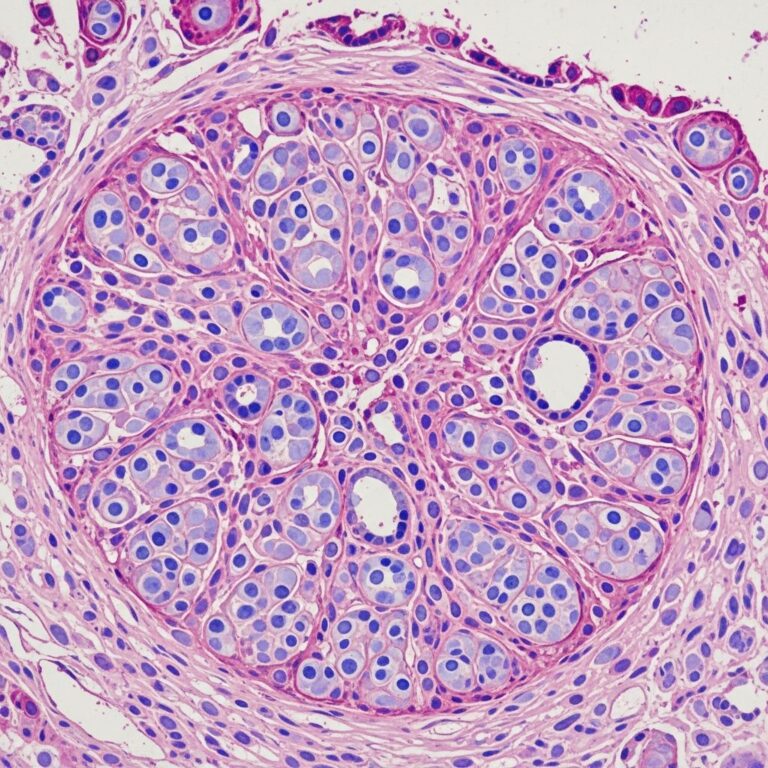
The fibrosis in NSF results from an aberrant proliferation of fibroblasts and circulating fibrocytes, leading to excessive collagen deposition. Histologically, affected skin shows thickened collagen bundles with surrounding clefts, mucin accumulation, and spindle-shaped cells. This process can lead to severe disability through joint contractures and restricted mobility.
Who gets Nephrogenic Systemic Fibrosis (Epidemiology)?
NSF predominantly affects patients with advanced chronic kidney disease (CKD stages 4-5) or those on dialysis. Cases have been reported across ages from 8 to 87 years, with a mean onset age of about 46 years. It impacts males and females equally and has been documented mainly in the US, Europe, and increasingly in other regions like India.
Although rare even among at-risk populations, exposure to GBCAs during MRI scans is the primary trigger in nearly all confirmed cases. A registry has documented around 175 cases, underscoring its rarity. Dialysis patients represent a high-risk group, particularly those receiving hemodialysis.
What causes Nephrogenic Systemic Fibrosis?
The etiology of NSF is strongly linked to the administration of GBCAs in patients with impaired renal function. Gadolinium, a lanthanide metal, cannot be adequately cleared by failing kidneys, leading to dechelation where free gadolinium ions (Gd3+) are released. These ions are hypothesized to trigger an inflammatory cascade, recruiting circulating fibrocytes (CFs) that differentiate into myofibroblasts, promoting fibrosis.
CFs are bone marrow-derived cells that normally aid wound healing but are inappropriately activated in NSF, homing to the skin and producing excessive collagen. Other factors like acute inflammatory insults or high-dose GBCA exposure may exacerbate risk. Linear GBCAs (e.g., gadodiamide) pose higher risk than macrocyclic ones due to greater instability. Since regulatory warnings and restrictions on GBCA use in renal patients, new cases have dramatically declined.
Clinical features (Symptoms and Signs)
NSF typically begins with subtle skin changes on the extremities, progressing to widespread fibrosis. Initial symptoms include painful, burning, or itchy skin with red or dark patches, edema, and peau d’orange appearance.
- Skin involvement: Symmetric thickening and induration starting on legs and arms, sparing the face; shiny, hyperpigmented plaques; progressive hardening leading to loss of flexibility.
- Musculoskeletal: Joint contractures at ankles, knees, wrists, elbows, causing inward angulation (e.g., elbows and knees flexed inward); severe mobility limitations.
- Systemic features: Fibrosis extending to lungs (reduced diffusing capacity), diaphragm (respiratory failure), heart (myocardium, pericardium), pleura, and dura mater; symptoms like shortness of breath, muscle weakness, Raynaud’s phenomenon, palpitations.
Related Stories



Yellowish scleral plaques may appear, and deep tissue involvement causes chronic pain. Progression varies; some cases stabilize, while others lead to profound disability.
Diagnosis
Diagnosis relies on clinical history, physical exam, and confirmatory skin biopsy. Key is identifying GBCA exposure in renal patients.
- Clinical criteria: Skin fibrosis without preceding injury, in CKD context.
- Biopsy: Thickened collagen bundles with clefts, mucin, CD34+ fibrocytes, procollagen I expression.
- Imaging/Tests: MRI for deep involvement; lung function tests; exclude mimics like scleroderma.
Standardized criteria exist, emphasizing biopsy for definitive diagnosis.
Differential diagnosis
| Condition | Key Distinguishing Features |
|---|---|
| Scleromyxedema | Widespread papules, monoclonal gammopathy, no renal link. |
| Scleredema | Post-infectious, neck/trunk involvement, no fibrocytes. |
| Eosinophilic fasciitis | Peripheral eosinophilia, fascial thickening on MRI. |
| Scleroderma (systemic sclerosis) | Raynaud’s, autoantibodies (e.g., ANA), visceral involvement pattern differs. |
| Drug-induced fibrosis | Specific drug history, resolves on discontinuation. |
Biopsy and history differentiate NSF from these.
Investigations
- Skin biopsy with immunohistochemistry for CD34, procollagen.
- Rodnan skin score for severity.
- Renal function (eGFR), dialysis history.
- GBCA exposure confirmation.
- Systemic evaluation: PFTs, echocardiography, MRI.
Management (Treatment)
No curative treatment exists; focus is symptom control and halting progression. Restoring renal function via transplant offers best outcomes.
- Dialysis/Transplant: Hemodialysis post-GBCA may reduce risk; transplant improves NSF.
- Photopheresis: Extracorporeal photopheresis (ECP) with UVA shows mild benefits, though expensive.
- Immunomodulators: IVIG, imatinib, pentoxifylline, steroids; inconsistent results.
- Supportive: Physical therapy to prevent contractures; pain management.
Rare spontaneous resolutions reported.
Complications
- Wheelchair dependence from contractures.
- Respiratory failure from diaphragmatic fibrosis.
- Cardiac arrhythmias, deep vein thrombosis.
- Chronic pain, reduced quality of life.
Prevention
Avoid GBCAs in CKD stage 4-5 or dialysis patients; use non-contrast MRI or alternatives. If essential, prefer macrocyclic agents and prompt dialysis. Screening eGFR before administration is standard.
Prognosis
Variable; some stabilize post-transplant, others progress to death from complications. Early intervention improves outcomes; overall mortality 10-20% in severe cases.
Frequently Asked Questions
Q: Who is at risk for NSF?
A: Patients with severe kidney disease (eGFR <30 mL/min) exposed to gadolinium contrasts.
Q: Is NSF curable?
A: No cure, but kidney transplant can lead to improvement; supportive therapies help manage symptoms.
Q: How is NSF diagnosed?
A: By clinical features, history of GBCA exposure, and skin biopsy showing characteristic fibrosis.
Q: Can NSF affect internal organs?
A: Yes, lungs, heart, and diaphragm can be involved, leading to respiratory or cardiac issues.
Q: How can NSF be prevented?
A: Avoid GBCAs in high-risk renal patients or dialyze immediately after exposure.
References
- DI 23022.835 – Nephrogenic Systemic Fibrosis — Social Security Administration (SSA). 2023. https://secure.ssa.gov/apps10/poms.nsf/lnx/0423022835
- Nephrogenic fibrosing dermopathy: a comprehensive review — PubMed (Cowper SE et al.). 2006-08-01. https://pubmed.ncbi.nlm.nih.gov/16901184/
- Nephrogenic Systemic Fibrosis — National Organization for Rare Disorders (NORD). 2023. https://rarediseases.org/rare-diseases/nephrogenic-systemic-fibrosis/
- Nephrogenic systemic fibrosis – Diagnosis and treatment — Mayo Clinic. 2023-10-26. https://www.mayoclinic.org/diseases-conditions/nephrogenic-systemic-fibrosis/diagnosis-treatment/drc-20352303
- Nephrogenic Systemic Fibrosis — StatPearls, NCBI Bookshelf (Khurana A et al.). 2023-07-17. https://www.ncbi.nlm.nih.gov/books/NBK567754/
Similar Articles








Read full bio of Sneha Tete