Nerve Damage After Anesthetic: Causes, Symptoms & Treatment
Understand the causes, symptoms, recovery prospects, and management of nerve damage following anaesthesia procedures.
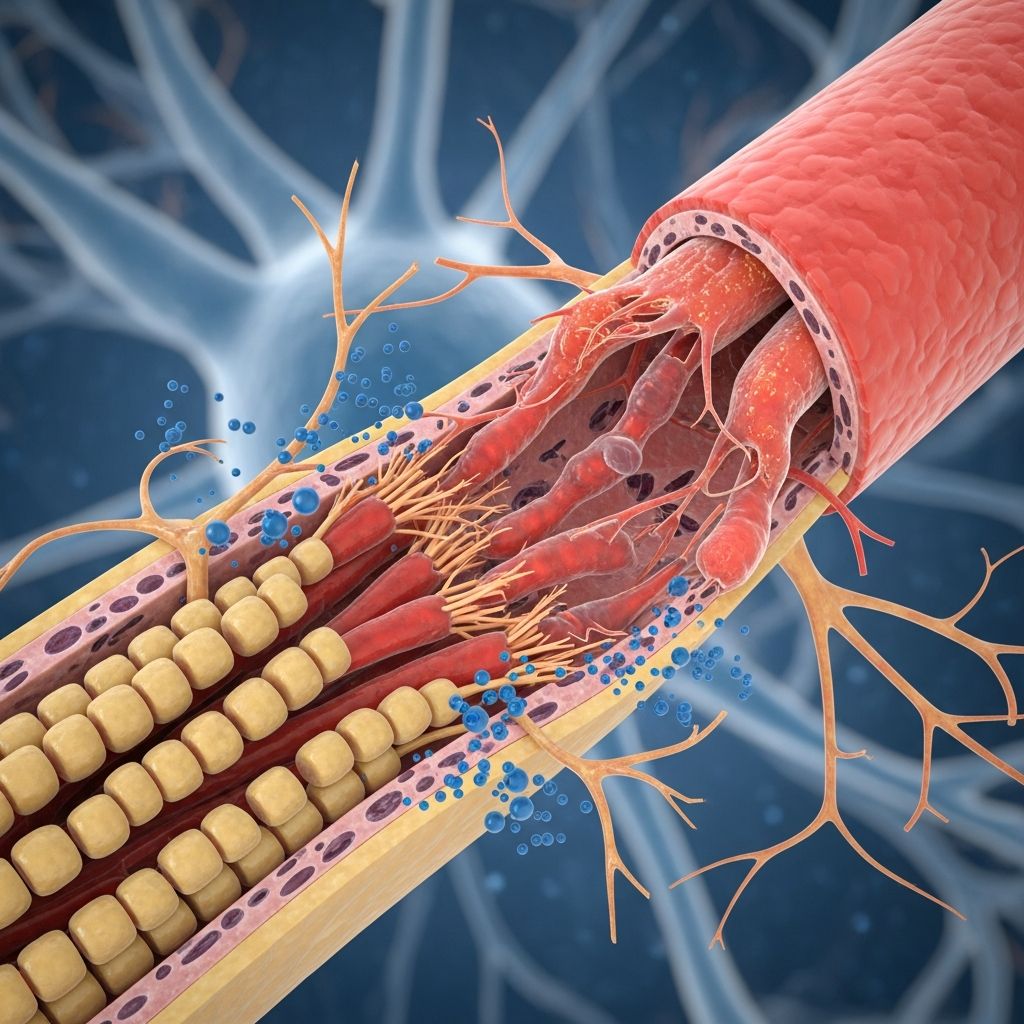
Nerve damage after anaesthetic is a recognised but uncommon complication of surgery under general or regional anaesthesia, affecting sensory, motor, or mixed nerves and leading to symptoms such as numbness, tingling, pain, or weakness.
What is nerve damage after anaesthetic?
Nerve damage, also known as peripheral neuropathy in this context, occurs when nerves are injured during or after anaesthesia administration. This can involve sensory nerves (transmitting touch, pain, and temperature sensations), motor nerves (controlling muscle movement), or mixed nerves with both functions. The damage may result in temporary or, rarely, permanent deficits, impacting a small patch of skin or an entire limb depending on the affected nerve.
Under general anaesthesia, patients are unconscious and positioned for surgery, which can inadvertently stretch or compress nerves. Regional anaesthesia, such as nerve blocks or epidurals, involves needles or catheters near nerves, introducing risks of direct trauma or chemical injury from local anaesthetics.
How common is nerve damage after anaesthetic?
Nerve damage following anaesthesia is rare. Studies indicate peripheral nerve injury occurs in approximately 1 in 1,000 general anaesthetics and up to 1 in 200 spinal or epidural anaesthetics, with most cases resolving spontaneously within weeks to months. Severe, permanent damage is even less frequent, affecting fewer than 1 in 5,000 cases. Ulnar, common peroneal, femoral, and sciatic nerves, along with brachial and lumbosacral plexuses, are most commonly involved regardless of anaesthesia type.
Symptoms of nerve damage
Symptoms typically emerge as anaesthesia effects wear off, often within hours to days post-surgery. They vary by nerve type and damage severity:
- Sensory nerve damage: Numbness, tingling (pins and needles), pain (aching, burning, or shooting), or abnormal sensations like inappropriate warmth or cold.
- Motor nerve damage: Muscle weakness, paralysis, or loss of movement in the affected area.
- Mixed nerve damage: Combination of sensory and motor symptoms.
Common sites include the ulnar nerve (numbness in ring and little fingers, hand weakness), common peroneal nerve (foot drop, numbness on foot dorsum), and others like femoral or sciatic nerves. Severe cases may involve spinal cord damage, causing bilateral weakness and sensory loss below the injury level.
Causes of nerve damage after anaesthetic
Several mechanisms contribute to nerve injury:
- Intraoperative positioning: Prolonged stretching or compression of nerves due to patient positioning (e.g., arms tucked or legs flexed), a leading cause across anaesthesia types.
- Direct mechanical trauma: From needles, catheters, or intraneural injections during regional blocks; also compressing hematomas.
- Local anaesthetic toxicity: High doses or concentrations causing nerve inflammation or ischemia, exacerbated by epinephrine.
- Ischemia: Reduced blood flow from tight bandages, casts, or vascular compression.
- Other factors: Patient-related risks like diabetes, obesity, or alcohol use; surgical duration; or rare events like epidural hematoma.
In general anaesthesia, positioning predominates; in regional, procedural aspects are key.
Diagnosis of nerve damage
Diagnosis begins with clinical history and examination post-anaesthesia recovery. Persistent symptoms beyond expected anaesthetic duration warrant investigation:
- Neurological exam: Assess sensation, strength, reflexes in affected areas.
- Neurophysiological tests: Nerve conduction studies (NCS) and electromyography (EMG) to confirm damage and monitor recovery.
- Imaging: MRI for spinal or hematoma suspicions; ultrasound for peripheral nerves.
- Surgical exploration: Definitive for unclear cases, allowing repair if needed.
Early specialist referral (neurologist or nerve surgeon) is crucial for optimal outcomes.
Treatment of nerve damage
Treatment depends on severity and time since injury:
| Severity | Treatment Approach |
|---|---|
| Mild (neurapraxia) | Conservative: Observation, physiotherapy, pain management (gabapentin, amitriptyline). |
| Moderate (axonotmesis) | Protect affected area, splinting (e.g., for foot drop), medications for neuropathic pain. |
| Severe (neurotmesis) | Surgical: Neurolysis, repair, grafting, or nerve transfer after 3-6 months no recovery. |
Related Stories



Most recover spontaneously: 80-90% within 6 months via nerve regeneration at 1mm/day. Pain relief includes anticonvulsants, antidepressants, or opioids short-term. Physical therapy prevents muscle atrophy and contractures.
Recovery from nerve damage
Recovery timelines vary:
- Temporary (mild): Days to 3 months as inflammation resolves.
- Axonal injury: 3-12 months; slower if mixed motor/sensory.
- Severe/untreated: May be incomplete or permanent, causing chronic pain or disability.
Prognosis improves with early intervention. Full recovery is common in positioning-related cases; poorer in direct trauma. Monitor with serial NCS/EMG.
Preventing nerve damage
Prevention strategies include:
- Preoperative assessment: Identify risks (e.g., thin body habitus, neuropathies).
- Careful positioning: Padding pressure points, avoiding excessive stretch.
- Regional techniques: Ultrasound guidance, low-concentration anaesthetics, nerve stimulation.
- Intraoperative monitoring: Vigilance for pressure or traction.
- Postoperative checks: Early mobility, avoid tight dressings.
When to get help
Seek urgent medical advice if:
- Symptoms persist >48 hours post-anaesthesia.
- Severe weakness, paralysis, bowel/bladder dysfunction, or speech/walking issues.
- Worsening pain, numbness spreading, or new symptoms.
Contact surgeon, anaesthetist, or GP promptly; emergency if spinal symptoms suggest hematoma.
Legal aspects
If negligence is suspected (e.g., improper positioning, faulty equipment), patients may pursue claims. Document symptoms, seek independent review. Success depends on proving breach of duty; awards cover pain, lost earnings. Consult medico-legal experts; statutes vary by jurisdiction.
Frequently Asked Questions (FAQs)
Is nerve damage after anaesthetic permanent?
Most cases (80-90%) resolve fully within 6-12 months; permanent damage is rare (<0.02%).
How long does numbness last after anaesthetic?
Temporary numbness from blocks lasts hours to days; nerve injury symptoms may persist weeks but improve.
Can nerve damage from anaesthesia be treated?
Yes, with medications, therapy, or surgery for severe cases; early diagnosis aids recovery.
Who is at higher risk for nerve damage during surgery?
Patients with diabetes, alcoholism, thin build, or prolonged surgeries.
Does insurance cover nerve damage from anaesthesia?
Clinical negligence claims may compensate; routine complications are not claimable.
References
- Everything You Need to Know About Nerve Damage After Surgery — Boston Trials. 2023. https://www.bostontrials.com/nerve-damage-after-surgery/
- Neurologic complications of anesthesia: A practical approach — PMC (National Library of Medicine). 2017-12-01. https://pmc.ncbi.nlm.nih.gov/articles/PMC5765958/
- Nerve injury after undergoing surgery — The Nerve Clinic. 2024. https://nerveclinic.co.uk/nerve-injuries/nerve-injury-after-undergoing-surgery
- Risk of nerve injury after general anaesthesia — St. Vincent’s University Hospital. 2022. https://www.sivuh.ie/download.aspx?f=Risk+of++nerve+injury+after+general+anaesthesia.pdf
- Nerve damage associated with an operation under general anaesthesia — Southampton Anaesthetics. 2023. https://southampton-anaesthetics.squarespace.com/s/Nerve-damage-with-a-GA.pdf
Similar Articles








Read full bio of Sneha Tete