Undefined Nerve Pain Guide: Expert Tips For Relief
Comprehensive insights into nerve pain: from symptoms and causes to effective management strategies for better daily living.
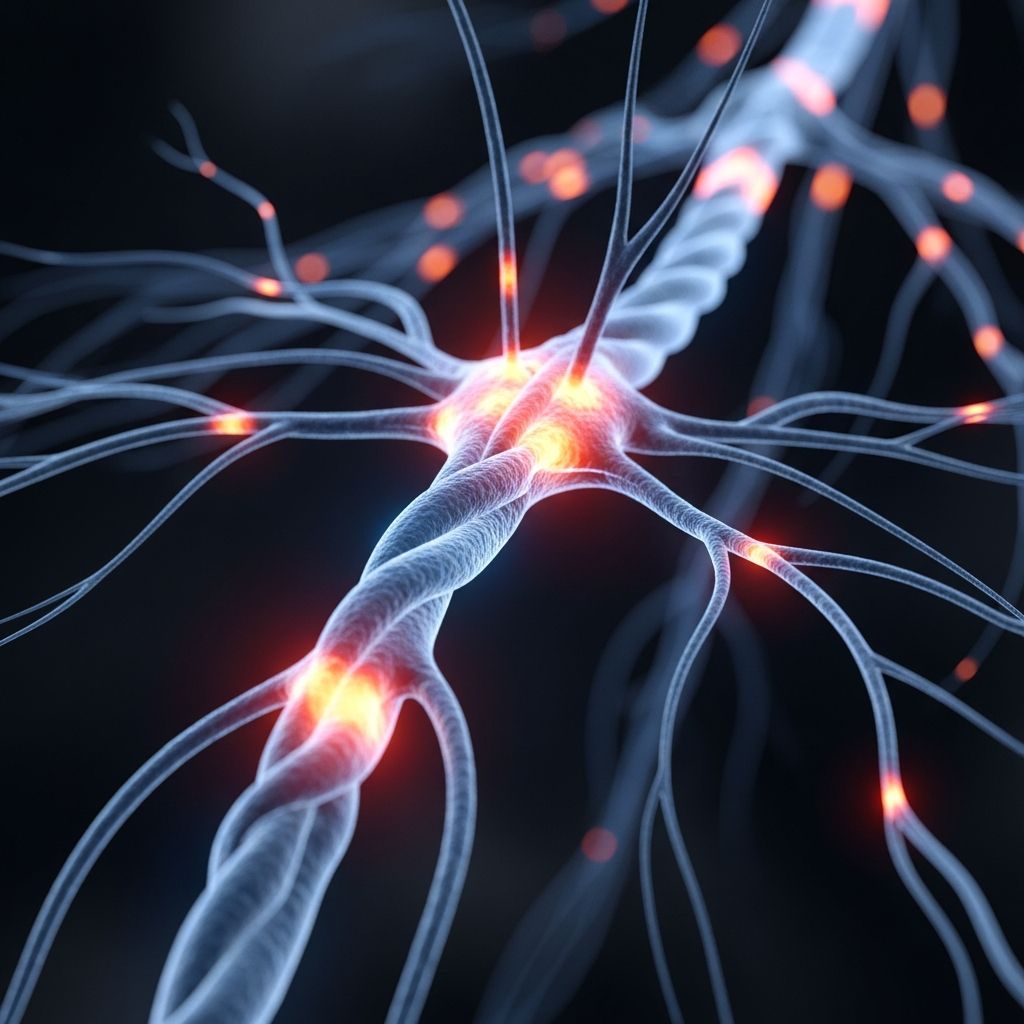
Nerve pain, also known as neuropathic pain or neuralgia, arises from damage or dysfunction in the nervous system, leading to sensations like burning, stabbing, or tingling that can significantly disrupt daily life. This guide provides an in-depth look at its manifestations, origins, evaluation processes, and a range of management options to help individuals regain control and improve well-being.
Recognizing the Signs of Nerve Pain
Distinct from typical aches, nerve pain often feels electric, sharp, or like pins and needles, stemming from faulty signals in damaged nerves. Common indicators include:
- Burning or shooting sensations that radiate along nerve paths, frequently in the limbs.
- Numbness or tingling, especially in hands and feet, which may progress to loss of sensation.
- Heightened sensitivity to touch, where even light contact provokes intense discomfort.
- Muscle weakness or coordination issues, leading to frequent drops or balance problems.
- Throbbing or stabbing pains that worsen at night or with movement.
These symptoms can be intermittent or constant, varying by the affected nerves—peripheral types impact extremities, while central ones involve the brain or spinal cord.
Primary Triggers Behind Nerve Discomfort
Nerve pain develops when nerves are injured, compressed, or diseased, interrupting normal signal transmission. Key contributors fall into damage and impingement categories.
Direct Nerve Damage
Trauma from accidents, surgeries, or repetitive motions like typing can sever or inflame nerves, as seen in carpal tunnel syndrome. Metabolic issues, notably diabetes, elevate blood sugar levels that toxically harm nerve fibers, causing peripheral neuropathy in up to 50% of long-term cases.
Nerve Compression and Pressure
Structures like herniated discs, bone spurs, cysts, or tumors pinch nerves, as in sciatica or degenerative disc conditions, triggering radiating pain from the back to legs.
| Category | Examples | Common Sites Affected |
|---|---|---|
| Damage | Diabetes, chemotherapy, infections (shingles, HIV) | Feet, hands, legs |
| Impingement | Sciatica, carpal tunnel, tumors | Back, arms, jaw |
| Diseases | MS, autoimmune (lupus, rheumatoid arthritis), stroke | Whole body, face (trigeminal neuralgia) |
Other Contributors
Autoimmune attacks, vitamin deficiencies (B12, B1), alcoholism, kidney disease, and toxins also play roles. Postherpetic neuralgia follows shingles, with damaged fibers sending erroneous burning signals. In idiopathic cases, no clear cause emerges, complicating management.
Professional Evaluation Process
Accurate diagnosis starts with a detailed history and physical exam, assessing reflexes, strength, and touch response. Neurologists probe symptom triggers, duration, and patterns.
- Nerve conduction studies: Measure electrical signals to pinpoint damage sites.
- Electromyography (EMG): Evaluates muscle responses to nerve stimuli.
- Imaging: MRI or CT scans reveal compressions or structural issues.
- Blood tests: Check for diabetes, vitamin levels, or infections.
Early detection is crucial, as addressing root causes like blood sugar control can halt progression.
Management Strategies for Relief
Treatment targets the source while alleviating symptoms through a multimodal approach, often combining options for optimal results.
Pharmacological Interventions
Related Stories



Medications modulate faulty nerve signals:
- Anticonvulsants (e.g., gabapentin): Stabilize overactive nerves.
- Antidepressants (e.g., duloxetine): Alter pain perception pathways.
- NSAIDs or opioids: Reduce inflammation or severe pain, used cautiously.
Combinations enhance efficacy, minimizing side effects.
Interventional Procedures
For persistent cases:
- Nerve blocks: Inject anesthetics to interrupt pain signals temporarily.
- Epidural steroid injections: Deliver anti-inflammatories to spinal areas, easing compression.
- Spinal cord stimulation: Implants disrupt pain transmission; studies show 70% relief in responders.
- Ablation: Deactivates problematic nerves for longer-term relief.
Rehabilitative and Complementary Therapies
Non-invasive options build resilience:
- Physical therapy: Strengthens muscles, improves mobility, and desensitizes nerves.
- Acupuncture: Stimulates points to reduce inflammation; used by millions annually.
- Massage therapy: Eases muscle tension around affected nerves.
Lifestyle tweaks—balanced diet, exercise, alcohol moderation, and B-vitamin supplementation—support nerve health.
Specialized Conditions and Tailored Care
Certain neuralgias demand specific focus:
- Trigeminal neuralgia: Facial stabs treated with carbamazepine or surgery.
- Postherpetic neuralgia: Antivirals early, plus gabapentinoids.
- Diabetic neuropathy: Glycemic control prevents worsening.
Surgery like decompression is reserved for structural issues unresponsive to conservatives.
Daily Coping Techniques
Empower yourself with:
- Temperature regulation (warm baths for numbness).
- Capsaicin creams for localized burning.
- Mindfulness or CBT to reframe pain perception.
- Support networks for emotional relief.
Frequently Asked Questions (FAQs)
What distinguishes nerve pain from other types?
It features burning, tingling, or electric shocks rather than dull aches, often without visible injury.
Can nerve pain resolve completely?
Yes, if the cause is treatable; otherwise, management focuses on symptom control and function restoration.
Is over-the-counter relief effective?
For mild cases, yes; severe requires prescription interventions.
How does diabetes contribute?
High sugars damage nerves over time, starting in extremities.
When to seek urgent care?
Sudden weakness, vision changes, or bowel/bladder issues signal emergencies.
Outlook and Prevention Tips
With prompt intervention, many achieve substantial relief. Prevent by managing chronic conditions, protecting against injuries, and maintaining nutrition. Consult specialists for personalized plans, as nerve pain varies widely.
References
- Nerve Pain: Symptoms, Causes, and Treatments — AZ Pain Doctors. 2023. https://www.azpaindoctors.com/blog/nerve-pain-symptoms-causes-and-treatments
- 5 Ways to Treat Chronic Nerve Pain — Clearway Pain Solutions. 2023. https://clearwaypain.com/5-ways-to-treat-chronic-nerve-pain/
- Nerve Pain: Causes, Symptoms, and Treatment — New York Neurologists. 2023. https://www.nyneurologists.com/pain-management/nerve-pain
- How Do Neurologists Treat Nerve Pain — Neurological Medicine, P.A. 2023. https://neuromedpa.com/how-do-neurologists-treat-nerve-pain/
- Nerve pain (neuralgia) – causes, diagnosis and treatments — healthdirect.gov.au (Australian Government). 2024-02-23. https://www.healthdirect.gov.au/nerve-pain
- Peripheral neuropathy – Symptoms and causes — Mayo Clinic. 2024. https://www.mayoclinic.org/diseases-conditions/peripheral-neuropathy/symptoms-causes/syc-20352061
Similar Articles








Read full bio of Sneha Tete