Neural Tube Defects (NTDs): What They Are, Causes & Prevention
Understanding neural tube defects: types, causes, diagnosis, treatment, and prevention strategies for expectant parents.
Understanding Neural Tube Defects (NTDs)
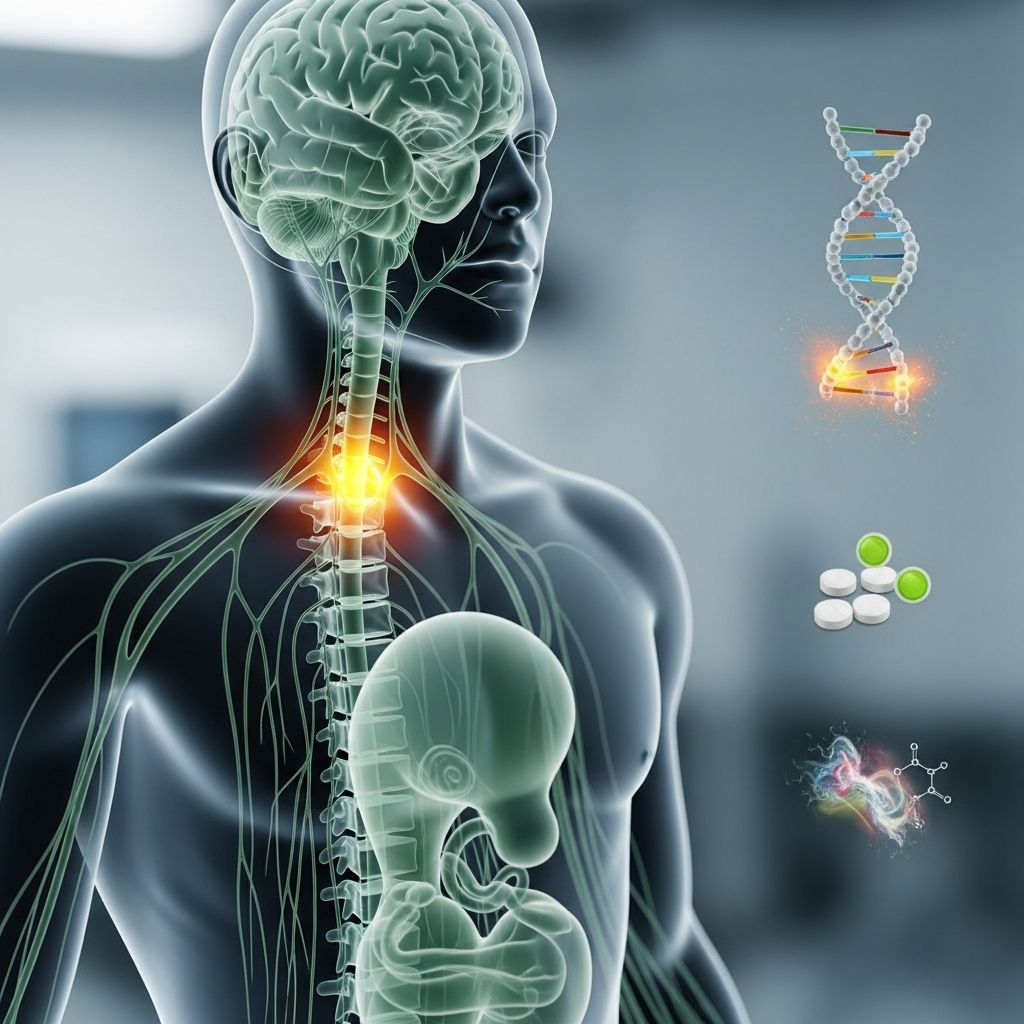
Neural tube defects (NTDs) are birth defects of the brain, spine, or spinal cord that occur during the earliest stages of fetal development. These serious congenital conditions develop within the first month of pregnancy, often before a woman even knows she is pregnant. The neural tube is a crucial embryonic structure that forms during early pregnancy and eventually develops into the baby’s brain and spinal cord. When this tube fails to close completely along its length, it results in a neural tube defect.
NTDs represent the second most common class of congenital malformations affecting humans, with significant implications for child health and development. As the neural tube develops during pregnancy, the upper portion becomes the brain while the remainder transforms into the spinal cord. An NTD occurs when this critical closure process is interrupted, leaving an opening somewhere along the tube’s length. Understanding these defects is essential for expectant parents, healthcare providers, and anyone involved in prenatal care.
Types of Neural Tube Defects
Neural tube defects encompass several distinct conditions, each varying in severity, location, and prognosis. The classification depends on where along the neural tube the closure fails to occur. Here are the primary types:
Spina Bifida
Spina bifida is the most common type of neural tube defect, affecting approximately 1,300 babies annually in the United States. This condition occurs when the neural tube fails to close completely along the spine during fetal development. When the neural tube remains open, the backbone that protects the spinal cord does not form and close properly, frequently resulting in damage to the spinal cord and nerves. Spina bifida can occur anywhere along the spine, and the severity depends on the location and size of the opening. Myelomeningocele represents the most severe form of spina bifida, characterized by a fluid-filled sac containing nerve tissue protruding through the spinal opening.
Anencephaly
Anencephaly is one of the most severe neural tube defects, affecting approximately 700 babies each year in the United States. This condition develops when the upper part of the neural tube fails to close completely. In anencephaly, the front part of the brain (forebrain) and the cerebrum, which controls thinking and coordination, are missing at birth. Additionally, bone or skin does not cover the remaining portions of the brain. Babies with anencephaly are typically stillborn or die shortly after birth due to complications arising from this severe defect.
Encephalocele
Encephalocele is a neural tube defect that causes brain tissue and membranes to protrude through an opening in the baby’s skull. Unlike anencephaly, encephalocele involves a defect in the cranial vault where brain tissue extends outward. The severity and prognosis depend on the size and location of the opening and how much brain tissue is involved.
Iniencephaly
Iniencephaly results from a failure of closure at the cervical and upper thoracic vertebral level. This rare defect causes deformity of the spine and skull, with extreme retroflexion of the head. Babies with iniencephaly typically do not survive beyond the neonatal period.
Craniorachischisis
Craniorachischisis affects both the brain and spinal cord, resulting from a failure of the initial closure site. This results in an open brain and spine, making it one of the most severe forms of neural tube defects.
Risk Factors and Causes
Neural tube defects result from a complex interplay of genetic and environmental factors. While the exact mechanisms of NTD pathogenesis have not been fully elucidated, researchers have identified numerous risk factors that increase the likelihood of these defects occurring.
Related Stories



Genetic Factors
Genetic predisposition plays a significant role in NTD development. Families with a history of neural tube defects have increased risk, suggesting hereditary components. Certain genetic syndromes are associated with higher NTD rates. Additionally, specific genetic variations affecting folate metabolism and neural development can increase susceptibility.
Environmental Factors
Environmental exposures during pregnancy significantly influence NTD risk. Maternal nutrition, particularly folate deficiency, stands as a major preventable risk factor. Certain medications, including anti-epileptic drugs, can increase NTD risk if used during pregnancy. Maternal diabetes and obesity have been associated with elevated NTD rates. Infections and exposure to teratogens during the critical first month of pregnancy may also contribute to neural tube defect development.
Maternal Health Conditions
Pre-existing maternal health conditions can increase NTD risk. Women with poorly controlled diabetes face higher risks, as does obesity. Certain maternal infections, particularly during the first trimester, may interfere with normal neural tube development.
Symptoms and Clinical Presentation
The symptoms of neural tube defects vary considerably depending on the type and severity of the condition. Some babies with NTDs experience no visible symptoms, while others face serious disabilities that significantly impact their quality of life.
General Symptoms
Common manifestations of neural tube defects include:
– Loss of sensation or feeling in the legs or lower body
– Weakness or paralysis in the lower extremities
– Bowel or bladder control issues
– Visible opening, dimple, or hairy patch on the spine
– Fluid accumulation around the brain (hydrocephalus)
– Clubfoot or other skeletal abnormalities
– Developmental delays in mobility and motor skills
Severity-Dependent Outcomes
For babies with anencephaly and iniencephaly, the prognosis is uniformly poor. These infants are typically stillborn or die shortly after birth due to the severity of brain malformation and associated complications. In contrast, babies with spina bifida and encephalocele have variable outcomes depending on the size, location, and extent of the defect. Many children with these conditions survive to adulthood with appropriate medical management, though they may experience lifelong physical challenges and require ongoing medical care.
Diagnosis and Prenatal Detection
Early detection of neural tube defects allows healthcare providers to prepare for specialized care and counseling. Multiple diagnostic methods are available to identify NTDs during pregnancy.
Ultrasound Screening
Ultrasound evaluation represents a primary tool for neural tube defect detection. During routine mid-trimester screening ultrasounds, typically performed between 18 and 22 weeks of gestation, healthcare providers examine the fetal spine and central nervous system. They look for specific signs indicating NTDs, such as abnormal spinal anatomy, fluid accumulation around the brain, or characteristic features like the “lemon sign” or “banana sign” associated with certain NTDs.
Maternal Serum Screening
Blood tests measuring specific markers can indicate NTD risk. Elevated levels of alpha-fetoprotein (AFP) in maternal serum may suggest the presence of an open neural tube defect. Combined screening panels incorporating multiple markers provide improved detection rates.
Advanced Imaging
When NTDs are suspected on ultrasound, healthcare providers may recommend targeted neurosonography for confirmation. Magnetic resonance imaging (MRI) and computed tomography (CT) scans provide detailed visualization of brain and spinal cord structures, helping to confirm diagnosis and assess the extent of the defect.
Specialized Referral
When an NTD is suspected during initial ultrasound screening, patients are referred to tertiary care centers for specialized ultrasound examination. These centers employ expertise in targeted neurosonography to confirm the lesion, evaluate its size and location, and detect any associated anomalies that might influence management decisions.
Treatment Options
Treatment approaches for neural tube defects depend on the specific type and severity of the condition. Surgical intervention forms the cornerstone of NTD management.
Surgical Repair
For spina bifida, particularly myelomeningocele, surgical closure of the spinal opening represents the primary treatment. This surgery can be performed either before birth (fetal surgery) or shortly after delivery (postnatal surgery). During fetal surgery, surgeons access the defect through the uterus and close the opening in the spinal column. Postnatal surgery typically occurs within the first 24 to 48 hours after birth. Intrauterine repair has shown promise in reducing neurological damage and reversing associated complications like Arnold-Chiari malformation.
Encephalocele Management
Healthcare providers typically treat encephalocele surgically by placing the protruding brain tissue and membranes back into the skull, then closing the opening in the skull. The timing and approach depend on the size and location of the defect.
Long-Term Management
Long-term treatment depends on the child’s specific condition and complications. Many children require multiple surgeries over time. Some develop hydrocephalus (excess fluid surrounding the brain) requiring placement of a shunt to divert fluid and relieve pressure. Physical therapy, mobility aids, and other supportive treatments help maximize function and independence.
Prevention Strategies
While not all neural tube defects can be prevented, specific measures significantly reduce the risk of occurrence.
Folic Acid Supplementation
Folic acid supplementation stands as one of the most effective prevention strategies. Taking folic acid during the periconceptional period—the months before conception and during early pregnancy—has been found to substantially reduce the risk of neural tube defects in offspring. Women of childbearing age should consume 400 micrograms of folic acid daily, with higher doses recommended for those with previous NTD pregnancies or taking certain medications.
Dietary Measures
Consuming foods rich in folate, including leafy green vegetables, legumes, and fortified grains, contributes to adequate folate intake. A balanced diet supporting overall maternal health during pregnancy reduces various pregnancy complications.
Medical Management
Women with diabetes should work to achieve optimal blood sugar control before conception and throughout pregnancy. Maintaining a healthy weight before pregnancy and avoiding teratogenic medications reduces NTD risk. Pregnant women should avoid alcohol and smoking, which can increase defect risks.
Prognosis and Living with Neural Tube Defects
The prognosis for neural tube defects varies significantly based on the type and severity of the condition.
Survival and Quality of Life
Many babies with spina bifida and encephalocele can live into adulthood with appropriate medical management. However, babies with anencephaly and iniencephaly typically do not survive, either being stillborn or dying shortly after birth. For survivors, quality of life depends on multiple factors including the location and severity of the defect, associated complications, and available medical and rehabilitative services.
Neurological Outcomes
Nerve damage present at birth is usually permanent. However, appropriate treatments can sometimes prevent further damage and help manage complications. The degree of paralysis and other neurological deficits depends on the level and extent of spinal cord involvement. Early surgical intervention and comprehensive medical care optimize functional outcomes and developmental potential.
Frequently Asked Questions
Q: When do neural tube defects develop?
A: Neural tube defects develop within the first month of pregnancy, often before a woman knows she is pregnant. The neural tube typically closes by day 28 of gestation, making early folic acid supplementation crucial for all women of childbearing age.
Q: Can neural tube defects be detected before birth?
A: Yes, neural tube defects can be detected during pregnancy through ultrasound screening, blood tests measuring AFP levels, and advanced imaging techniques like MRI. Most NTDs are identified during routine second-trimester ultrasounds.
Q: What is the most common neural tube defect?
A: Spina bifida is the most common neural tube defect, affecting approximately 1,300 babies annually in the United States. Myelomeningocele is the most severe form of spina bifida.
Q: Can children with spina bifida live normal lives?
A: Many children with spina bifida can live into adulthood with appropriate medical management, education, and support. However, they may experience lifelong physical challenges requiring ongoing medical care, therapy, and assistive devices.
Q: How much folic acid should women take to prevent neural tube defects?
A: Women of childbearing age should take 400 micrograms of folic acid daily. Women with a history of NTD pregnancies or taking certain medications may require higher doses, typically 4,000-5,000 micrograms daily, as recommended by their healthcare provider.
Q: What is the difference between open and closed neural tube defects?
A: Open neural tube defects involve an actual opening in the spinal column or skull where neural tissue is exposed, such as in myelomeningocele. Closed neural tube defects involve abnormal development of the spine and spinal cord but without an obvious opening, though the spinal cord may still be tethered or abnormal.
References
- Neural Tube Defects — Centers for Disease Control and Prevention (CDC). 2024. https://www.cdc.gov/birth-defects/about/neural-tube-defects.html
- Overview on Neural tube defects: from development to physical features — PMC/NIH National Center for Biotechnology Information. 2019. https://pmc.ncbi.nlm.nih.gov/articles/PMC6511489/
- Neural Tube Defects — American College of Obstetricians and Gynecologists (ACOG). 2017. https://www.acog.org/clinical/clinical-guidance/practice-bulletin/articles/2017/12/neural-tube-defects
- Folic Acid Supplementation to Prevent Neural Tube Defects — U.S. Preventive Services Task Force (USPSTF). 2017. https://www.uspreventiveservicestaskforce.org/uspstf/recommendation/folic-acid-for-the-prevention-of-neural-tube-defects-preventive-medication
- Ultrasound Evaluation of the Neural Tube — GLOWM (Global Library of Women’s Medicine). 2017. https://www.glowm.com/article/heading/vol-18–ultrasound-in-obstetrics–ultrasound-evaluation-of-the-neural-tube/id/419293
Similar Articles








Read full bio of Sneha Tete