Neurocristic Hamartoma: Pathology, Diagnosis, Malignant Risk
Understanding the pathological features and clinical significance of neurocristic hamartoma lesions.
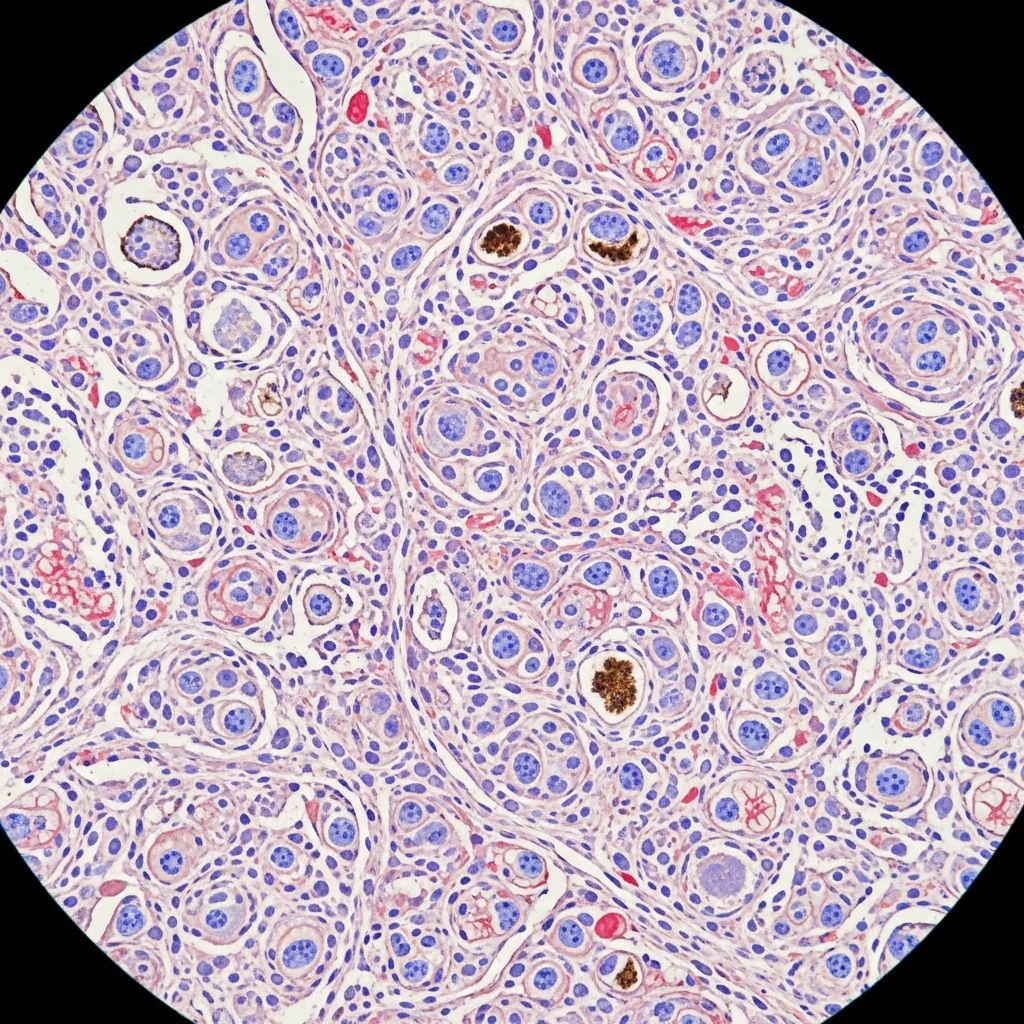
Neurocristic Hamartoma Pathology
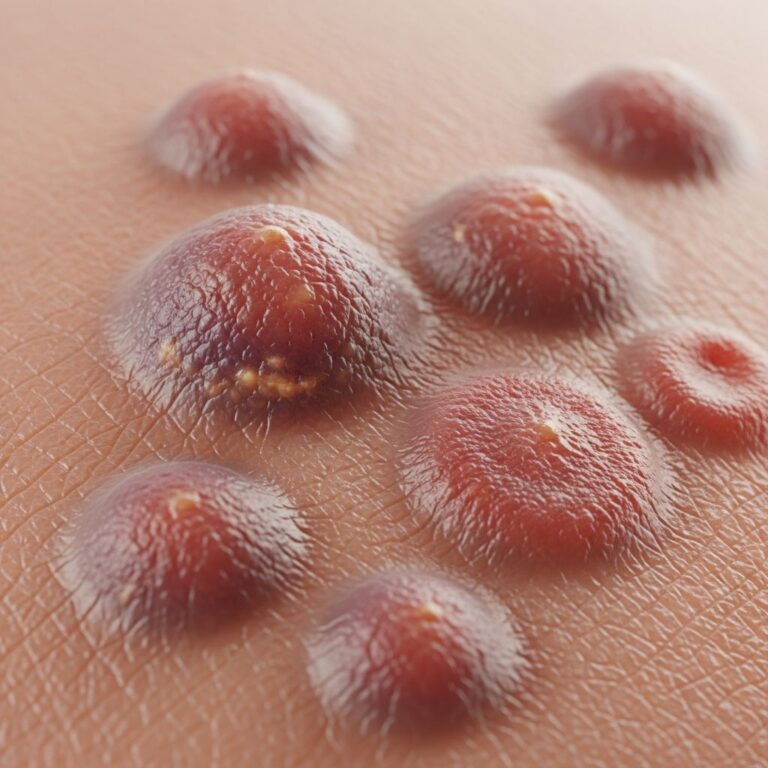
Neurocristic hamartoma (NCH) is a rare, benign neoplastic skin lesion that presents as a slowly enlarging multinodular variably pigmented plaque. It most commonly presents in the head and neck region but has been described arising in diverse anatomical sites. The clinical significance of this condition lies in both the potential for diagnostic misinterpretation and the well-documented risk of malignant transformation to melanoma over variable time periods.
Introduction to Neurocristic Hamartoma
Neurocristic cutaneous hamartomas result from the aberrant development of the neuromesenchyme, representing dysplastic development of neural crest-derived cells. The condition was first described by Tuthill and colleagues in 1982 as pilar neurocristic hamartoma. This lesion represents a distinctive type of dermal melanocytosis characterized by a combination of neuroectodermal and mesodermal components derived from neural crest origin.
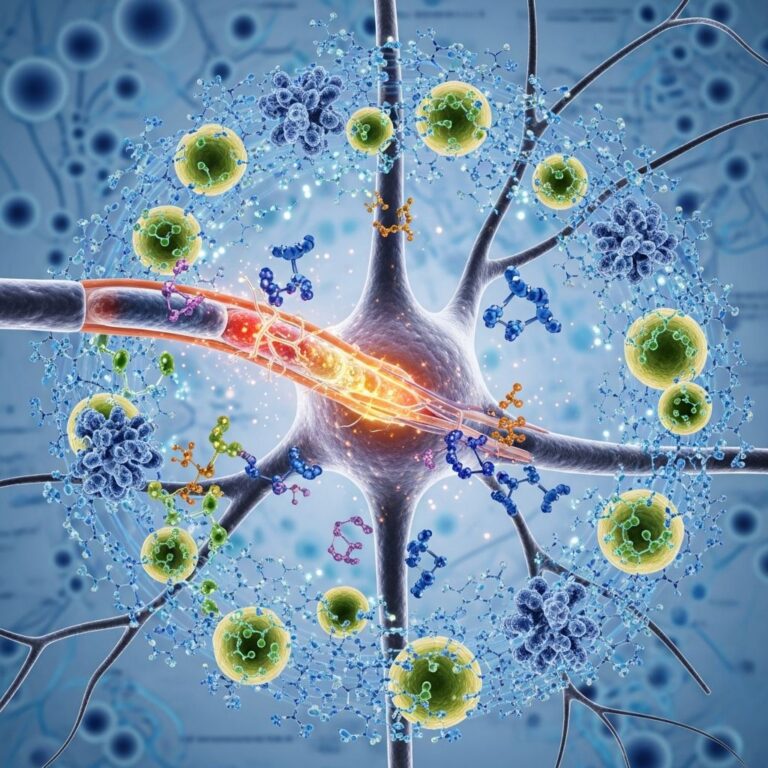
The embryological basis of this condition involves the abnormal migration and differentiation of neural crest-derived cells during fetal development. Neural crest-derived cells demonstrate fibrogenic, melanogenic, and neurosustentacular differentiation capacity and contribute significantly to the formation and development of local mesenchyme, particularly in cephalic regions. When this developmental process becomes aberrant, it results in the characteristic features of neurocristic hamartoma.
Clinical Presentation and Characteristics
Neurocristic hamartomas typically present with the following clinical features:
- Asymptomatic, well-circumscribed, and elevated cutaneous nodules
- Slowly enlarging multinodular variably pigmented plaques
- Blue or blue-gray coloration, resembling blue nevus
- Predilection for the scalp with focal alopecia
- Possible congenital or acquired presentation
- Size typically ranging from 1-3 cm in documented cases
- Increased complexity and size progression over time
Anatomical distribution predominantly favors the head and neck region, though cases have been documented on the trunk and other body surfaces. The scalp represents the most common site of involvement, with associated alopecia being a characteristic feature that aids in clinical differentiation from similar lesions.
Histopathology of Neurocristic Hamartoma
Gross and Microscopic Features
The histopathological examination of neurocristic hamartoma reveals a distinctive architecture composed of various components of neural crest origin. Low-power examination demonstrates a lesion that extends deep into the dermis and involves the subcutis, characteristically surrounding hair follicles. The lesion presents with a distinct separation between the epidermis and superficial dermis, known as a Grenz zone, which helps distinguish it from other conditions.
Histologically, neurocristic hamartoma is characterized by:
- Multinodular but well-circumscribed dermal lesion extending to subcutis
- Areas with epithelioid melanocytes demonstrating heavy pigmentation
- Mixture of fibrous areas and peripheral nerve differentiation
- Nests of pigmented melanocytes with varying degrees of fibrosis
- Dense collagen deposition throughout the lesion
- Fascicles of monotonous spindle cells
Cellular Components
The lesion comprises three primary cellular components derived from neural crest origin: melanocytes, nerve elements, and stromal components. The epithelioid melanocytes are intensely pigmented with dendritic morphology, arranged diffusely between dense dermal collagen. These pigmented cells are typically concentrated around follicular bulbs and distributed around hair follicles, eccrine glands, vessels, and nerves.
Related Stories



Neural elements including nerve fibers and ganglion cells are characteristic features, along with Schwann cell components showing schwannian differentiation. The stroma is typically dense and fibrous, with the stromal cells throughout the lesion demonstrating characteristic immunohistochemical properties. The presence of these diverse neural crest-derived components distinguishes neurocristic hamartoma from other dermal melanocytoses and pigmented lesions.
Nuclear and Atypical Features
An important characteristic of benign neurocristic hamartoma is the absence of significant cytologic atypia or mitotic activity in typical cases. The stroma displays no significant cytologic atypia, helping distinguish it from malignant neoplasms. However, it is important to note that sometimes the epithelioid areas can show a degree of nuclear atypia and even frankly malignant nuclear changes, which poses diagnostic challenges when distinguishing between benign hamartoma and melanoma.
Immunohistochemical Studies
Immunohistochemical staining provides valuable diagnostic information in identifying and confirming neurocristic hamartoma. The characteristic immunophenotype includes:
| Marker | Staining Pattern | Significance |
|---|---|---|
| S-100 protein | Diffuse staining in nerve-like structures and pigmented cells extending to deep dermis | Highlights neural and melanocytic components |
| HMB-45 | Diffuse staining of pigmented cells; negative in schwannian differentiation areas | Confirms melanocytic component; helps distinguish from schwannoma |
| CD34 | Diffuse staining of stromal cells throughout lesion | Distinguishes from blue nevus; rarely CD34+ in blue nevus |
| NSE (Neuron-Specific Enolase) | Staining within nerve-like structures | Confirms neural component |
The immunohistochemical profile is particularly useful in differentiating neurocristic hamartoma from blue nevus, which typically does not stain with CD34. Additionally, the presence of CD34-positive stromal cells and the decreased number of hair follicles in neurocristic hamartoma contrast with blue nevus, where hair follicle numbers are preserved and CD34 staining is absent.
Histological Variants and Special Features
Pigmentation Patterns
Neurocristic hamartomas display variable pigmentation patterns ranging from lightly pigmented to heavily pigmented lesions. The pigmentation is typically more prominent in epithelioid areas, while spindle cell regions may show variable pigment distribution. The blue or blue-gray coloration often observed clinically reflects the dermal location of pigmented melanocytes and their interaction with light scattering in the dermis.
Alopecia and Hair Follicle Involvement
A distinctive feature of neurocristic hamartoma, particularly when occurring on the scalp, is the associated focal alopecia with decreased number of hair follicles. The lesion characteristically surrounds hair follicles but paradoxically results in hair loss. This finding represents a key diagnostic feature differentiating neurocristic hamartoma from blue nevus and other similar pigmented lesions.
Additional Histological Features
Other reported histological features of neurocristic hamartoma include:
- Tactoid bodies within the lesion
- Involvement of subcutaneous tissue in extensive cases
- Occasional skeletal muscle involvement in extensive neurocristic hamartomas
- Nerve-like structure proliferation with spindle cells
- Variable degree of collagen deposition and fibrosis
Differential Diagnoses
The histopathological and clinical features of neurocristic hamartoma overlap significantly with several other conditions, necessitating careful differential diagnosis:
Blue Nevus
Blue nevus represents the primary differential diagnosis. However, key distinguishing features include CD34 negativity in blue nevus (positive in NCH), preserved hair follicles in blue nevus (decreased in NCH), and the scalp predilection with alopecia unique to neurocristic hamartoma. Histologically, blue nevus lacks the neural and schwannian components characteristic of neurocristic hamartoma.
Melanotic Schwannoma
Melanotic schwannoma must be excluded, as it can mimic neurocristic hamartoma histologically. However, melanotic schwannoma typically shows more extensive neural differentiation and lacks the organized melanocytic nests characteristic of neurocristic hamartoma. The distribution of cellular elements and stromal composition differ between these entities.
Neurofibroma and Pigmented Dermatofibrosarcoma
Neurofibromas typically lack significant melanocytic component and pigmentation. Pigmented dermatofibrosarcoma protuberans shows a different growth pattern and cellular arrangement. Desmoplastic malignant melanoma presents with atypical nuclear features and increased mitotic activity more prominent than seen in benign neurocristic hamartoma.
Malignant Melanoma
The most clinically significant differential diagnosis involves distinguishing benign neurocristic hamartoma from malignant melanoma. Some neurocristic hamartomas exhibit nuclear atypia, cellular pleomorphism, and increased mitotic activity that can resemble melanoma. The presence of neural crest-derived components, Grenz zone preservation, and overall architectural features aid in this distinction, though cases may require multidisciplinary approach involving dermatologists, pathologists, and oncologists.
Malignant Transformation
Clinical Importance of Malignant Transformation
Malignant transformation represents the most critical clinical consideration in neurocristic hamartoma management. Transformation to malignant melanoma over a poorly described and unpredictable time period has been well-documented in the literature. This risk period ranges from 1 to 67 years following initial presentation, necessitating long-term clinical surveillance.
The rarity of malignant transformation in these lesions stands in contrast to the frequency of melanomas in other contexts. However, when transformation does occur, it represents a serious clinical complication requiring aggressive management and treatment modification.
Histological Features of Malignant Transformation
Lesions undergoing malignant transformation may display concerning histological features including increased cellular atypia, elevated mitotic activity, focal areas of necrosis, and loss of the organized architecture typical of benign lesions. These features present significant diagnostic challenges, as distinguishing between complex benign neurocristic hamartoma and early malignant transformation based solely on histopathology can be difficult. The coexistence of overlapping features between benign and malignant presentations underscores the importance of careful clinical and pathological correlation.
Diagnostic Considerations and Surveillance
Diagnostic Challenges
The histological pleomorphism characteristic of neurocristic hamartoma precludes meaningful random biopsies as a means of cancer surveillance. Single biopsies may not adequately represent the entire lesion, potentially missing areas of early malignant transformation or mischaracterizing the lesion. Complete lesional examination through Mohs micrographic surgery or complete surgical excision with histological examination may be necessary for definitive diagnosis and exclusion of malignancy.
Management Implications
Given the potential for malignant transformation, recognition and accurate diagnosis of neurocristic hamartoma is clinically important. Complete surgical excision with careful histological examination is often recommended. Mohs micrographic surgery has been employed in some cases to achieve complete removal while minimizing tissue loss, particularly when lesions involve cosmetically sensitive areas such as the face and scalp.
Frequently Asked Questions
Q: What is the primary origin of neurocristic hamartoma?
A: Neurocristic hamartoma originates from aberrant development of neural crest-derived cells, which normally migrate and differentiate during embryogenesis to form various tissues including melanocytes, nerve elements, and mesenchymal components.
Q: How is neurocristic hamartoma distinguished from blue nevus?
A: Key distinguishing features include positive CD34 staining in neurocristic hamartoma (negative in blue nevus), decreased hair follicles with focal alopecia in neurocristic hamartoma (preserved in blue nevus), and the presence of neural and schwannian differentiation unique to neurocristic hamartoma.
Q: What is the risk of malignant transformation in neurocristic hamartoma?
A: While malignant transformation is rare, it has been well-documented with transformation to melanoma occurring over variable periods ranging from 1 to 67 years. This unpredictable timeline necessitates long-term clinical surveillance of diagnosed lesions.
Q: Why is complete surgical excision recommended for neurocristic hamartoma?
A: Complete excision is recommended because the histological pleomorphism and potential for malignant transformation require comprehensive histological examination of the entire lesion. Random biopsies may not adequately represent the lesion and could miss areas of atypia or early malignant change.
Q: What immunohistochemical markers are most useful for diagnosing neurocristic hamartoma?
A: The most useful markers include S-100 protein (highlighting neural and melanocytic components), CD34 (positive in stromal cells, unlike blue nevus), and HMB-45 (confirming melanocytic differentiation while remaining negative in schwannian areas).
References
- Malignant Cutaneous Neurocristic Hamartoma With Features of Melanoma — National Center for Biotechnology Information (NCBI), PMC11484887. 2024. https://pmc.ncbi.nlm.nih.gov/articles/PMC11484887/
- Neurocristic Hamartoma Pathology — DermNet, New Zealand Dermatological Society. 2025. https://dermnetnz.org/topics/neurocristic-hamartoma-pathology
- Neurocristic Cutaneous Hamartoma of the Scalp — National Center for Biotechnology Information (NCBI), PMC2861272. 2010. https://pmc.ncbi.nlm.nih.gov/articles/PMC2861272/
- Extensive Neurocristic Hamartoma with Skeletal Muscle Involvement — Wiley Online Library. 2006. https://onlinelibrary.wiley.com/doi/abs/10.1111/j.1600-0560.2006.00682.x
- Neurocristic Cutaneous Hamartoma: A Distinctive Dermal Melanocytosis — PubMed, National Center for Biotechnology Information. 1998. https://pubmed.ncbi.nlm.nih.gov/9647596/
Similar Articles








Read full bio of Sneha Tete