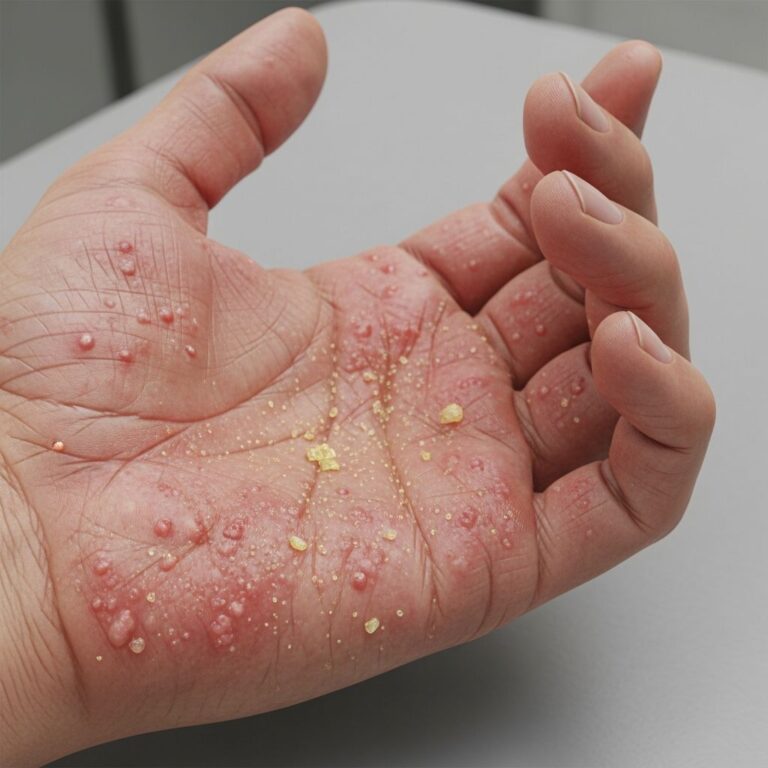
Neurofibromatosis Type 1: Causes, Symptoms & Treatment
Complete guide to NF1: understanding genetic disorder affecting skin and nervous system.
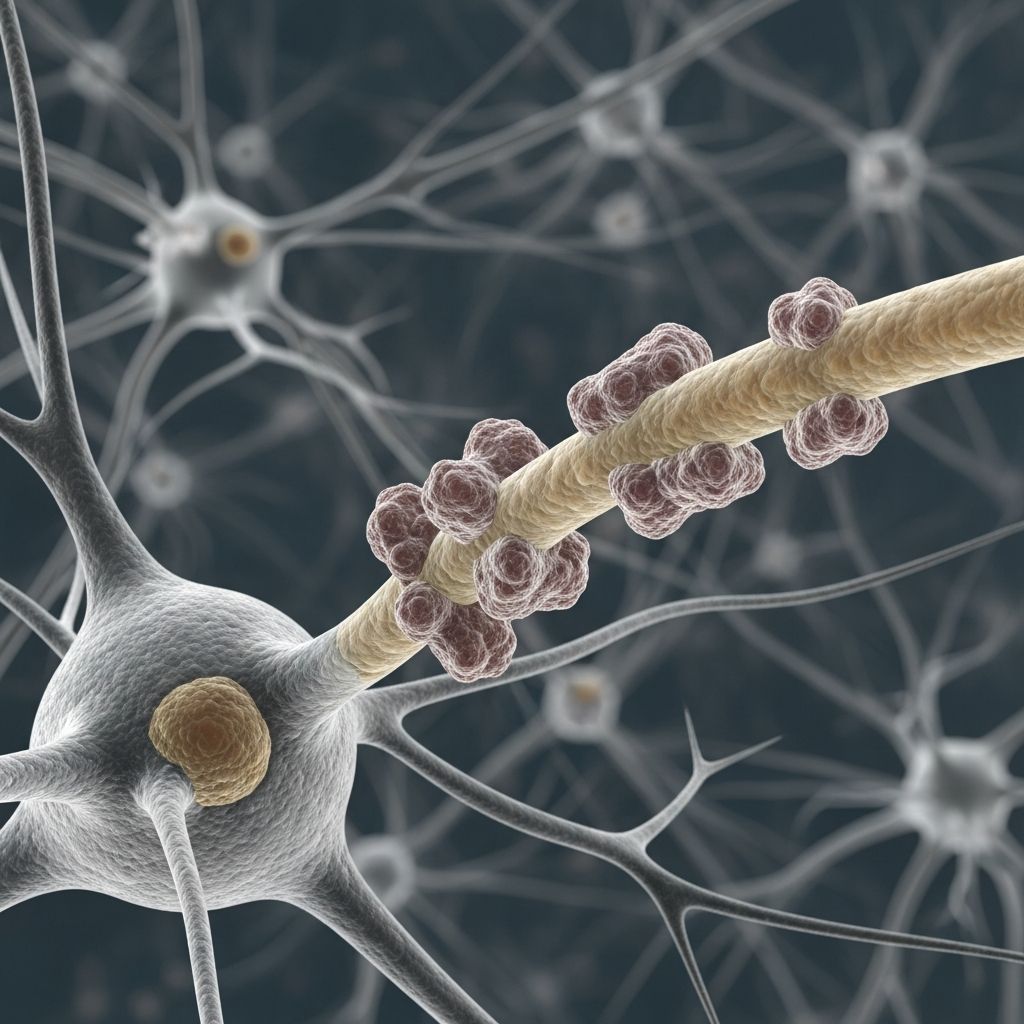
Understanding Neurofibromatosis Type 1
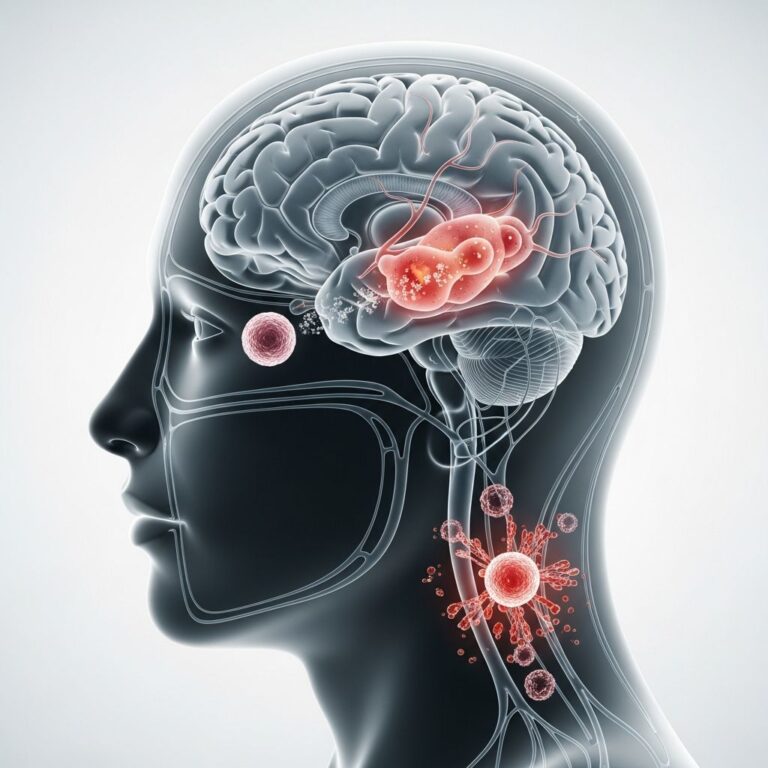
Neurofibromatosis type 1 (NF1) is a genetic disorder that affects the growth and development of nerve tissue throughout the body. This hereditary condition causes tumors to form on nerves in the brain, spinal cord, and skin, though these tumors are typically benign (noncancerous). NF1 is one of the most common inherited neurological disorders, affecting approximately one in 3,000 to 4,000 people worldwide. The condition influences how certain cells grow and multiply in the body, leading to the characteristic formation of neurofibromas—benign nerve tumors that can appear anywhere in the nervous system.
The condition varies significantly from person to person. While some individuals experience only mild symptoms and require minimal medical intervention, others may develop more serious complications affecting multiple body systems. Understanding NF1 is essential for patients, families, and healthcare providers to ensure appropriate monitoring, early intervention, and symptom management.
What Causes Neurofibromatosis Type 1?
NF1 is caused by mutations in the NF1 gene located on chromosome 17. This gene normally produces a protein called neurofibromin, which acts as a tumor suppressor by regulating cell growth. When the NF1 gene is mutated, the body cannot produce enough functional neurofibromin protein, leading to uncontrolled cell growth and tumor formation.
About 50% of NF1 cases are inherited from a parent who carries the mutated gene, while the remaining 50% result from spontaneous mutations that occur without a family history of the condition. If one parent has NF1, there is a 50% chance that each child will inherit the condition, regardless of the child’s gender.
Symptoms and Clinical Features of NF1
The symptoms of neurofibromatosis type 1 are highly variable and can change over time. While some individuals may have only mild manifestations, others develop multiple complications affecting various body systems. No two patients experience NF1 identically, and it is impossible to predict who will have a mild case versus more severe symptoms.
Skin Changes
The most visible signs of NF1 typically involve skin changes. Café-au-lait spots are the hallmark feature of NF1—these are flat, light brown patches that appear on the skin and are usually present at birth or develop in early childhood. These spots tend to increase in number and size with age.
Freckling in the armpits and groin is another characteristic skin manifestation, often appearing by ages 3 to 5. These freckles are smaller than café-au-lait spots and tend to occur in clusters within skin folds.
Neurofibromas are benign tumors that grow on or under the skin. These tumors typically appear during the teenage years or early 20s and can be painful or itchy. In some cases, extensive neurofibromas may cause cosmetic concerns and emotional distress, even though they are medically benign.
Eye-Related Symptoms
Eye problems are common in NF1 patients. Lisch nodules are tiny, benign colored spots on the iris (the colored part of the eye) that develop in most people with NF1. These nodules are usually not visible without special examination and do not affect vision.
Related Stories



An optic pathway glioma is a tumor that grows on the nerve connecting the eye to the brain. This tumor typically appears by age 3 but rarely develops in late childhood, teenagers, or adults. Many optic gliomas do not cause symptoms, but some may result in vision problems, eye bulging, or associated complications like headaches or nausea.
Other eye problems may include squinting, reduced vision, cataracts, and vision loss.
Skeletal and Bone Issues
Bone abnormalities are present in many NF1 patients and are often evident at birth. Scoliosis (curvature of the spine) is a common skeletal manifestation that may require bracing or surgical intervention. Bowing of the lower legs (particularly the tibia or fibula) occurs in approximately 5% of patients and can affect mobility and gait.
Children with NF1 may have low bone mineral density, increasing their risk of osteoporosis and fractures that may not heal properly. Other bone changes include irregular bone formation, congenital abnormalities in skull structure, and structural irregularities in long bones.
Large head size is common in children with NF1, resulting from increased brain volume, and short stature (below-average height) is another recognized feature of the condition.
Neurological and Developmental Features
Learning disabilities are among the most common neurological symptoms associated with NF1. Children with NF1 frequently experience specific learning difficulties, such as trouble with reading or mathematics. Attention-deficit/hyperactivity disorder (ADHD) and speech delay are also common manifestations.
Less common but serious complications include epilepsy and the buildup of excess fluid in the brain (hydrocephalus). Cognitive difficulties with thinking and learning are the most prevalent neurological issues, though severity varies widely among patients.
Other Systemic Complications
Beyond skin and bone changes, NF1 can affect multiple body systems. High blood pressure is a recognized complication, requiring regular monitoring. Some individuals develop pain related to tumors or nerve involvement. Emotional and psychological issues, including depression, anxiety, and low self-esteem, may arise from the visible manifestations of the condition or the burden of managing a chronic disorder.
Diagnosis of Neurofibromatosis Type 1
Diagnosis of NF1 typically begins with a thorough medical history and physical examination. Approximately 97% of individuals with NF1 have sufficient diagnostic features to confirm the diagnosis by age eight.
Diagnostic Criteria
NF1 is diagnosed when a patient meets two or more of the following clinical criteria:
- Six or more café-au-lait spots (larger than 5 mm in children or 15 mm after puberty)
- Freckling in the armpit or groin area
- Two or more neurofibromas of any type, or one plexiform neurofibroma
- Two or more Lisch nodules or two or more choroid abnormalities
- An optic pathway glioma
- Specific bone changes, such as sphenoid wing dysplasia or tibial bowing
If a child has a parent diagnosed with NF1, diagnosis can be made with one or more of these criteria.
Diagnostic Tests
Physical Examination: A healthcare provider carefully examines the skin for characteristic café-au-lait spots and other skin manifestations. Although some features may be present at birth, many physical characteristics become apparent after age five.
Eye Examination: An ophthalmologic evaluation can reveal Lisch nodules, cataracts, vision problems, and optic gliomas.
Imaging Studies: Various imaging modalities help identify internal complications:
- X-rays can show bone abnormalities and skeletal changes
- CT (computed tomography) scans provide detailed images of bone and soft tissue
- MRI (magnetic resonance imaging) is particularly useful for detecting tumors in the brain, spinal cord, and identifying optic gliomas
Genetic Testing: DNA analysis can confirm NF1 by identifying the specific mutation in the NF1 gene, though this test is not always necessary if clinical features are clearly present.
Treatment and Management Approaches
Currently, there is no cure for neurofibromatosis type 1. Treatment focuses on managing symptoms, monitoring for complications, and treating tumors when necessary. A multidisciplinary approach involving various medical specialists is often essential.
Monitoring and Surveillance
Regular monitoring is crucial for early detection of complications. Annual eye examinations help identify vision problems and optic gliomas. Yearly physical examinations allow healthcare providers to assess new symptoms and changes in existing manifestations. Regular imaging studies, particularly MRI scans, may be recommended to monitor for tumor development and growth, especially in the brain and spinal cord.
Women with NF1 should undergo annual breast cancer screening starting at age 40, as they have an increased risk of developing breast cancer.
Surgical Intervention
Surgery may be necessary to remove or reduce neurofibromas that cause pain, functional impairment, or cosmetic concerns. Severe scoliosis may require spinal fusion surgery. Optic gliomas that cause vision loss or other complications may need surgical removal or treatment.
Symptom Management
Pain management strategies, educational support for learning disabilities, and behavioral interventions for ADHD are important components of comprehensive care. Speech therapy may benefit children with speech delays. Orthopedic devices and bracing can help manage skeletal complications like scoliosis.
Cancer Surveillance
Approximately 10% of individuals with NF1 develop malignant tumors, with increased risk for certain cancers, including breast cancer, brain tumors, and pheochromocytomas. Regular screening and surveillance are essential for early detection and treatment.
Living with Neurofibromatosis Type 1
Many individuals with NF1 live full, productive lives with appropriate medical management and support. The majority of people with NF1 (approximately 60%) experience relatively mild symptoms with minimal medical complications. However, comprehensive medical care, regular monitoring, psychological support, and family education are important components of optimal management.
Support groups, genetic counseling, and connections with other individuals and families affected by NF1 can provide valuable emotional and practical support. Advances in medical research continue to improve understanding and treatment options for NF1.
Frequently Asked Questions About NF1
Q: Is neurofibromatosis type 1 hereditary?
A: Yes, NF1 is an inherited genetic disorder. If one parent has NF1, there is a 50% chance each child will inherit the condition. However, about 50% of cases result from spontaneous mutations without family history.
Q: Can NF1 be cured?
A: There is currently no cure for NF1. Treatment focuses on managing symptoms, monitoring for complications, and treating tumors when necessary through various medical interventions.
Q: At what age do symptoms of NF1 typically appear?
A: Café-au-lait spots are often present at birth or develop in early childhood. Freckling typically appears by ages 3 to 5. Neurofibromas often develop during teenage years or early adulthood. Many features are apparent by age 8.
Q: What is the life expectancy for someone with NF1?
A: Most individuals with NF1 have a normal or near-normal life expectancy. Regular medical monitoring and appropriate management of complications are important for optimal health outcomes.
Q: Are there medications to treat NF1?
A: While no medications cure NF1, emerging therapies target specific manifestations. Treatment typically focuses on managing individual symptoms and complications through various medical and surgical approaches.
Q: Should children with NF1 be screened for learning disabilities?
A: Yes, educational and developmental screening is recommended, as learning disabilities, ADHD, and speech delays are common. Early intervention and appropriate educational support improve outcomes.
References
- Neurofibromatosis Type 1: Symptoms and Causes — Mayo Clinic. 2024. https://www.mayoclinic.org/diseases-conditions/neurofibromatosis-type-1/symptoms-causes/syc-20350490
- Neurofibromatosis Type 1 (NF1) — NHS. 2024. https://www.nhs.uk/conditions/neurofibromatosis-type-1/
- Diagnosing Neurofibromatosis — NYU Langone Health. 2024. https://nyulangone.org/conditions/neurofibromatosis/diagnosis
- What is Neurofibromatosis Type 1 – NF1 — Children’s Tumor Foundation. 2024. https://www.ctf.org/nf1/
- Neurofibromatosis Type 1 (NF1): Symptoms & Treatment — Cleveland Clinic. 2024. https://my.clevelandclinic.org/health/diseases/14422-neurofibromatosis-type-1-nf1
- Neurofibromatosis Type 1 — Children’s Hospital of Philadelphia. 2024. https://www.chop.edu/conditions-diseases/neurofibromatosis-type-1
- Neurofibromatosis Type 1 (NF1) — American Cancer Society. 2024. https://www.cancer.org/cancer/risk-prevention/genetics/family-cancer-syndromes/neurofibromatosis-type-1.html
Similar Articles








Read full bio of Sneha Tete