Neuroleptic Malignant Syndrome: Symptoms & Treatment
Understanding NMS: A rare but life-threatening antipsychotic medication reaction requiring immediate emergency care.
What Is Neuroleptic Malignant Syndrome?
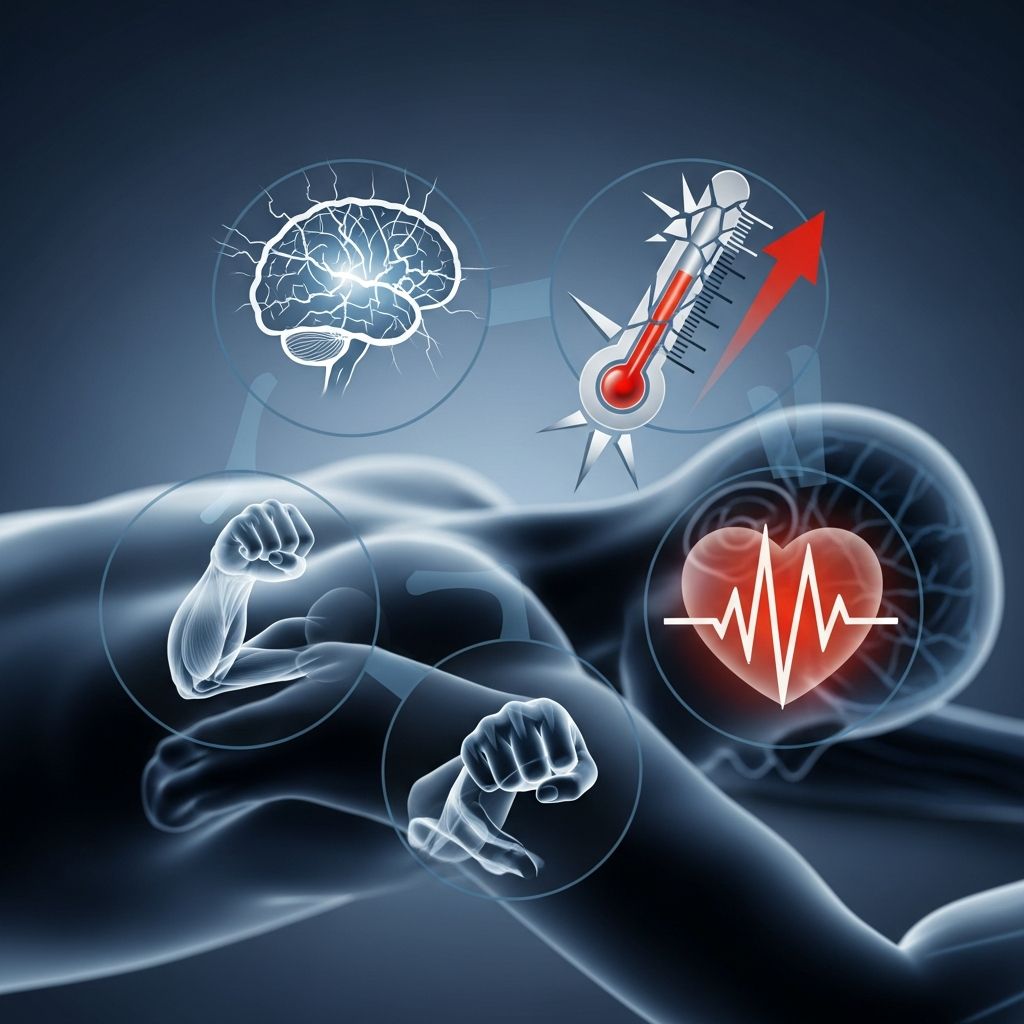
Neuroleptic malignant syndrome (NMS) is a rare and life-threatening reaction to the use of neuroleptic medication, commonly known as antipsychotic drugs. This serious medical condition represents an idiosyncratic reaction that can develop in patients taking these medications to manage symptoms of various psychiatric conditions. Although uncommon, NMS remains a critical consideration in clinical practice because it requires prompt recognition and intervention to prevent significant morbidity and mortality. The condition is characterized by a constellation of symptoms including high fever, severe muscle rigidity, altered mental status, and autonomic instability.
Medications Associated With Neuroleptic Malignant Syndrome
Several categories of medications can trigger NMS, making it essential for healthcare providers and patients to understand which drugs carry this risk. NMS is primarily associated with first-generation antipsychotics but can occur with second-generation antipsychotics and other medication classes.
Typical Neuroleptic (Antipsychotic) Medications
First-generation antipsychotics, also called typical antipsychotics, have historically been most strongly associated with NMS development. These medications include haloperidol, chlorpromazine, fluphenazine, and perphenazine.
Atypical Neuroleptic (Antipsychotic) Medications
Second-generation antipsychotics, known as atypical antipsychotics, carry a lower but still present risk of NMS. These medications include risperidone, olanzapine, quetiapine, aripiprazole, and paliperidone.
Antiemetic Medications
Certain antiemetic (anti-nausea) medications that have dopamine-blocking properties can trigger NMS. Metoclopramide and prochlorperazine are notable examples.
Dopaminergic Medication Withdrawal
Paradoxically, the abrupt withdrawal of dopaminergic medications used to treat Parkinson’s disease can precipitate NMS. This includes levodopa and other dopamine agonists.
Understanding the Distinction: NMS Versus Similar Conditions
Several medical conditions present with symptoms similar to NMS, making differential diagnosis crucial for appropriate treatment. Healthcare providers must carefully evaluate patient history and presenting symptoms to distinguish NMS from other serious conditions.
NMS Versus Malignant Hyperthermia
Malignant hyperthermia is a rare and severe reaction to general anesthesia drugs and muscle relaxants. While both conditions feature muscle rigidity, hyporeflexia, and skin changes including bluish discoloration or flushing, they differ fundamentally in their triggers. Malignant hyperthermia occurs in response to anesthetic exposure, whereas NMS develops from antipsychotic medication exposure. Medical history of recent anesthesia versus neuroleptic medication use provides the key distinguishing factor.
NMS Versus Serotonin Syndrome
Serotonin syndrome, caused by excessive serotonergic activity typically from serotonin reuptake inhibitors or other serotonergic agents, presents with overlapping symptoms. Healthcare providers can differentiate between these conditions by evaluating both patient history and the specific symptom pattern. NMS typically develops more gradually over one to three days, while serotonin syndrome often emerges more rapidly.
Symptoms of Neuroleptic Malignant Syndrome
NMS symptoms typically develop over one to three days after exposure to the triggering medication. Recognition of these symptoms is critical for prompt diagnosis and treatment initiation.
Primary Symptoms
The classic presentation of NMS includes the characteristic triad of fever, muscle rigidity, and altered mental status. High fever, often exceeding 103°F (39.4°C), develops as a hallmark feature. Muscle rigidity, described as a “lead pipe” rigidity or waxy flexibility, affects multiple muscle groups throughout the body. Altered mental status can range from confusion and agitation to delirium and coma.
Related Stories



Associated Symptoms
Beyond the classic triad, patients commonly experience additional symptoms reflecting autonomic dysfunction and neurological involvement:
Autonomic instability manifests as tachycardia (rapid heart rate), elevated or fluctuating blood pressure, and profuse sweating. Neurological symptoms include tremor, difficulty coordinating movements, decreased or absent reflexes, and changes in consciousness ranging from confusion to complete unresponsiveness. Patients may experience difficulty swallowing, incontinence, or mutism. Physical examination may reveal hyporeflexia or slow reflexes and characteristic skin changes including bluish discoloration or flushing.
Timeline and Risk Factors for NMS Development
Understanding when NMS typically develops and which patients face elevated risk helps guide clinical vigilance and preventive strategies.
When Does NMS Occur?
Although two-thirds of NMS cases are thought to occur within the first week of starting neuroleptic medications, the syndrome may develop at any time during treatment. Most patients develop symptoms within two weeks of medication initiation, though nearly all cases occur within 30 days. NMS can happen from a single dose, an increasing dose, or even continuation of the same dose of medication.
Risk Factors for Neuroleptic Malignant Syndrome
Several factors increase the likelihood of developing NMS:
Initiation or dose increase of neuroleptic medication represents the primary risk factor. The use of more than one neuroleptic medication simultaneously significantly elevates risk. Concurrent lithium administration also increases susceptibility. Abrupt cessation of dopaminergic medication, such as Parkinson’s medications, can trigger NMS. Additionally, factors such as dehydration, organic brain disease, prior NMS episodes, and male gender may contribute to increased risk.
Diagnosis of Neuroleptic Malignant Syndrome
Diagnosis of NMS is based on clinical presentation and specific laboratory findings, as no single definitive test exists for this condition. Early recognition is paramount because delayed diagnosis leads to increased morbidity and mortality.
Clinical Diagnostic Criteria
The diagnosis requires fever and the presence of at least two of the following symptoms: muscle rigidity, altered mental status, autonomic instability, and laboratory evidence of muscle injury. Healthcare providers typically use the Diagnostic and Statistical Manual of Mental Disorders (DSM-IV) criteria as a framework for diagnosis.
Diagnostic Testing
Your healthcare provider may order the following tests if they suspect NMS:
Blood tests reveal elevated creatinine phosphokinase (CPK) due to rhabdomyolysis, indicating muscle breakdown. Complete blood count typically shows leukocytosis (elevated white blood cell count). Basic metabolic panel may demonstrate electrolyte abnormalities, metabolic acidosis, and elevated kidney function markers indicating potential renal involvement. When rhabdomyolysis is present, it can be severe enough to cause renal failure, requiring hemodialysis.
Cerebrospinal fluid and imaging studies are usually normal in NMS. An electroencephalogram may show nongeneralized slowing. Urinalysis may reveal myoglobin, indicating muscle breakdown. Thyroid function tests and other studies help exclude alternative diagnoses.
Treatment of Neuroleptic Malignant Syndrome
NMS represents a medical emergency requiring hospital admission, typically to an intensive care unit. Treatment is individualized based on clinical severity but follows established principles.
Immediate Management
The first and most critical step in essentially all cases involves immediate cessation of the suspected offending neuroleptic medication. If NMS has occurred in the setting of abrupt withdrawal of a dopaminergic medication, that medication is reinstituted as quickly as possible to restore dopamine activity.
Supportive Care
Comprehensive supportive measures form the foundation of NMS treatment. Aggressive cooling measures address the dangerous hyperthermia. Intravenous hydration prevents acute kidney injury from rhabdomyolysis and myoglobinuria. Monitoring in an ICU setting allows for continuous assessment of vital signs, cardiac rhythm, kidney function, and muscle enzymes. Patients receive treatment for specific complications as they develop, including management of electrolyte abnormalities, prevention of blood clots in immobilized patients, and treatment of infections.
Patients with NMS face increased risk of serious complications including renal failure and disseminated intravascular coagulation secondary to rhabdomyolysis, deep venous thrombosis and pulmonary embolism resulting from dehydration and immobilization, aspiration pneumonia due to difficulty swallowing combined with altered mental status, as well as cardiopulmonary failure, seizures, arrhythmias, myocardial infarction, and sepsis.
Pharmacological Interventions
In more severe cases of NMS, empiric pharmacologic therapy is typically tried after supportive measures are established. The two most frequently used medications are bromocriptine mesylate, a dopamine agonist that restores dopamine activity, and dantrolene sodium, a muscle relaxant that works by inhibiting calcium release from the sarcoplasmic reticulum. These medications may accelerate recovery, though their use remains controversial due to limited rigorous clinical trial data.
Prognosis and Recovery
The prognosis for NMS has improved dramatically over recent decades due to increased physician awareness and introduction of newer medications.
Mortality Rates
Initial reports of mortality rates from NMS exceeded 30%, but increased physician awareness and introduction of newer neuroleptic medications have helped reduce mortality to closer to 5% to 20%. When NMS does result in death, it is usually attributable to arrhythmias, disseminated intravascular coagulation, or cardiovascular, respiratory, or renal failure.
Recovery Timeline
If neuroleptic malignant syndrome is diagnosed quickly and treated aggressively and appropriately, most people recover within two to 14 days. When recognized early and treated aggressively, NMS is usually not fatal and a majority of patients will recover completely. However, delayed diagnosis and treatment can result in significant complications, and resolution can require several weeks or longer.
Potential Complications
Surviving patients may experience residual effects including persistent catatonia or parkinsonism. Significant morbidity can result from renal, cardiac, or pulmonary complications sustained during the acute illness. Complications of NMS include acute kidney injury, rhabdomyolysis with myoglobinuria, muscle breakdown and contractures, cardiac arrhythmias, aspiration pneumonia, deep vein thrombosis and pulmonary embolism, seizures, disseminated intravascular coagulation, and infections from prolonged ICU hospitalization.
Restarting Psychiatric Medications After NMS
A common concern for patients who have experienced NMS involves restarting necessary psychiatric medications. Many people can successfully restart neuroleptic medications under careful guidance from their healthcare provider. Strategies for safe reinitiation include using the lowest effective dose, avoiding the specific agent that triggered NMS when possible, considering alternative medication classes, and implementing slower dose escalation schedules. Close monitoring during any medication reintroduction is essential.
When to Seek Emergency Care
If you experience symptoms suggesting NMS, it is critical to call 911 and seek immediate medical treatment. Because NMS is a life-threatening emergency that may require intensive care unit admission, prompt action can mean the difference between full recovery and severe complications or death. Even though NMS is rare, it is important to talk to your healthcare provider or pharmacist about side effects and symptoms to look out for if you take neuroleptic medications.
Frequently Asked Questions (FAQs)
Q: Can NMS develop after a single dose of medication?
A: Yes, NMS can occur from a single dose, an increasing dose, or even continuation of the same dose of neuroleptic medication. Most cases develop within the first week to two weeks of starting the medication, but NMS can technically occur at any time during treatment.
Q: What should I do if I experience symptoms of NMS?
A: Immediately call 911 or go to the nearest emergency department. NMS is a medical emergency requiring prompt hospitalization, typically in an intensive care unit. Do not wait or delay seeking care, as early recognition and treatment significantly improve outcomes.
Q: Can I restart antipsychotic medications after having NMS?
A: Yes, many people can successfully restart neuroleptic medications under careful medical supervision. Your healthcare provider will typically recommend the lowest effective dose, may suggest an alternative medication class, and will monitor you closely during reintroduction with slow dose escalation.
Q: What is the mortality rate for NMS?
A: Mortality rates for NMS range from 5% to 20%. The mortality rate has significantly improved over the past few decades due to increased awareness of NMS among healthcare providers and the development of new antipsychotic medications. Early recognition and aggressive treatment substantially reduce the risk of fatal outcomes.
Q: How quickly does NMS develop after starting medication?
A: Most NMS cases develop within one to three days after exposure to the triggering medication. Although two-thirds of cases occur within the first week of starting medication, symptoms typically manifest within two weeks, and nearly all cases occur within 30 days of medication initiation.
Q: What tests help diagnose NMS?
A: Diagnostic tests include blood tests showing elevated CPK (creatinine phosphokinase), leukocytosis (elevated white blood cells), and elevated kidney function markers. Urinalysis may reveal myoglobin. Cerebrospinal fluid and imaging studies are usually normal. There is no single definitive test; diagnosis relies on clinical presentation combined with laboratory findings.
References
- Neuroleptic Malignant Syndrome: A Review for Neurohospitalists — National Center for Biotechnology Information, National Institutes of Health. 2012. https://pmc.ncbi.nlm.nih.gov/articles/PMC3726098/
- Neuroleptic Malignant Syndrome: Symptoms & Treatment — Cleveland Clinic. 2024. https://my.clevelandclinic.org/health/diseases/22703-neuroleptic-malignant-syndrome
- Neuroleptic Malignant Syndrome — Cleveland Clinic Journal of Medicine. 1984. https://www.ccjm.org/content/53/4/355
- Neuroleptic Malignant Syndrome in Children and Adolescents — Sage Journals. 2001. https://journals.sagepub.com/doi/pdf/10.1177/088307380101600301
- Neuroleptic Malignant Syndrome — PubMed/National Library of Medicine. https://pubmed.ncbi.nlm.nih.gov/3278570/
Similar Articles








Read full bio of Sneha Tete