Understanding Neurological Disorders: Causes, Symptoms & Treatment
Complete guide to neurological disorders: symptoms, diagnosis, and treatment options.
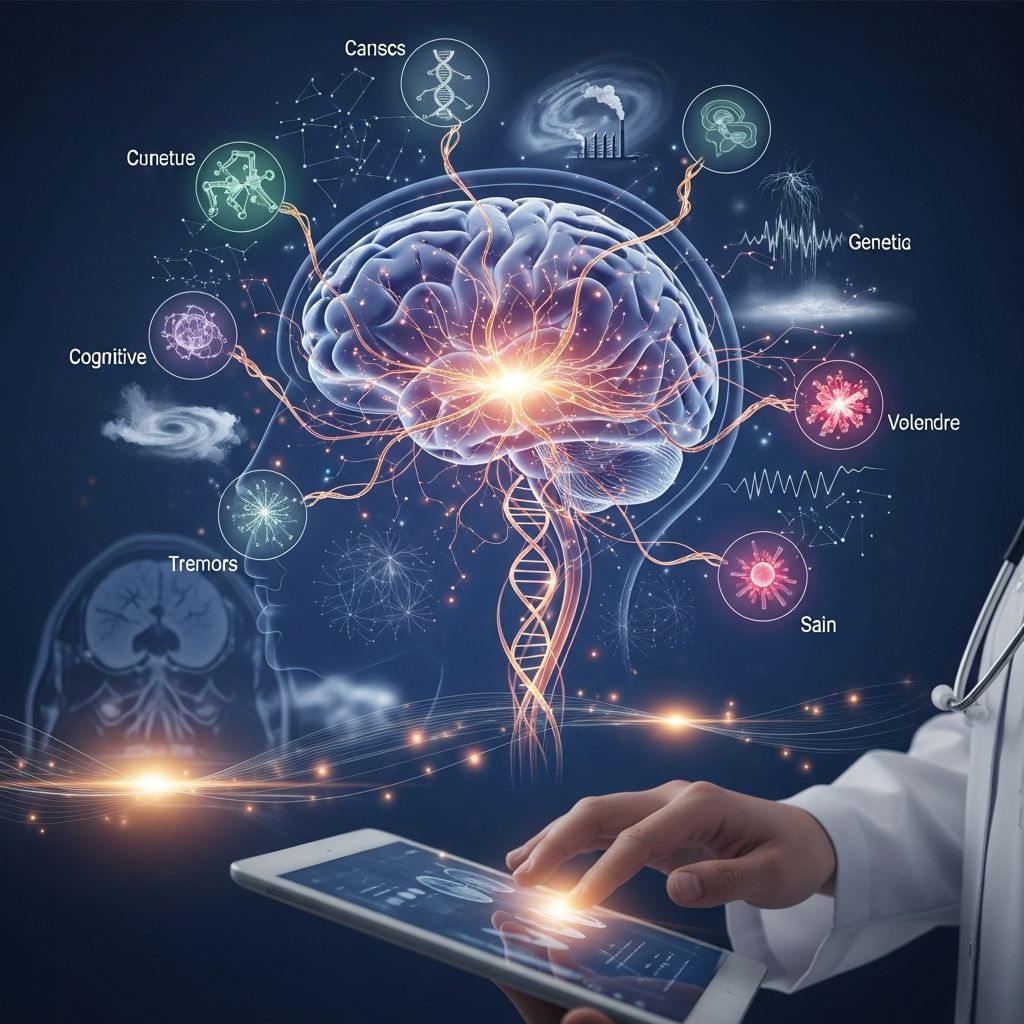
Understanding Neurological Disorders
Neurological disorders represent a diverse group of medical conditions that affect the brain, spinal cord, and peripheral nervous system. These disorders can range from relatively mild conditions to serious, life-threatening diseases that significantly impact quality of life. Understanding the nature of neurological disorders, their causes, symptoms, and available treatments is essential for patients, families, and healthcare providers.
The nervous system is a complex network responsible for controlling all bodily functions, from basic movements and sensations to complex cognitive processes and emotional responses. When this intricate system is disrupted by disease or injury, it can result in a wide range of neurological symptoms and complications.
The Nervous System and Neurological Function
To understand neurological disorders, it is important to first understand how the nervous system functions. The nervous system is divided into two main anatomical compartments: the central nervous system (CNS) and the peripheral nervous system (PNS).
Central Nervous System (CNS)
The central nervous system comprises the brain and spinal cord. The brain serves as the command center for the body, processing information, controlling movement, managing emotions, and regulating vital functions such as breathing and heart rate. The spinal cord acts as the main pathway for communication between the brain and the rest of the body. Damage to either the brain or spinal cord can result in severe neurological complications.
Peripheral Nervous System (PNS)
The peripheral nervous system consists of nerves and nerve fibers that connect the brain and spinal cord to muscles, skin, and organs throughout the body. These nerves transmit sensory information to the central nervous system and carry motor commands from the brain to muscles. The peripheral nervous system can be further divided into the somatic nervous system, which controls voluntary movements and sensations, and the autonomic nervous system, which regulates involuntary functions such as heart rate, digestion, and blood pressure.
Common Types of Neurological Disorders
Neurological disorders encompass a wide range of conditions, each with unique characteristics, causes, and treatments. Some of the most common types include:
Neurodegenerative Diseases
Neurodegenerative disorders are characterized by progressive loss of nerve cell function and structure. Conditions such as Alzheimer’s disease, Parkinson’s disease, amyotrophic lateral sclerosis (ALS), and Huntington’s disease fall into this category. These disorders typically develop gradually over time and can significantly impact cognitive function, motor control, and autonomy.
Cerebrovascular Disorders
Cerebrovascular disorders involve problems with blood vessels supplying the brain. Stroke, which occurs when blood flow to the brain is interrupted, is one of the most common cerebrovascular disorders. Other conditions in this category include transient ischemic attacks (TIAs), aneurysms, and arteriovenous malformations.
Seizure Disorders and Epilepsy
Epilepsy is a neurological disorder characterized by recurrent seizures, which are sudden, uncontrolled electrical disturbances in the brain. Seizures can vary in severity from brief lapses in consciousness to severe convulsions. Epilepsy can develop at any age and may result from brain injury, infection, genetic factors, or unknown causes.
Related Stories



Peripheral Neuropathies
Peripheral neuropathies involve damage to the peripheral nerves and can cause weakness, numbness, and pain, typically beginning in the hands and feet. These conditions may result from diabetes, infections, injuries, medications, or other underlying causes. Peripheral neuropathy can affect 5-10% of people with certain autoimmune conditions and may present as either large-fiber or small-fiber neuropathy, each with distinct symptom profiles and diagnostic considerations.
Movement Disorders
Movement disorders affect the ability to control voluntary movements and may include conditions such as Parkinson’s disease, essential tremor, dystonia, and functional movement disorders. These conditions can result in tremors, rigidity, slowness of movement, or abnormal involuntary movements.
Cognitive and Mood Disorders
Some neurological conditions primarily affect cognitive function and mood, including Alzheimer’s disease, mild cognitive impairment, depression, and anxiety disorders. These conditions can significantly impact memory, thinking, emotional regulation, and overall quality of life.
Symptoms and Clinical Presentation
Neurological disorders present with a diverse array of symptoms depending on which part of the nervous system is affected and the nature of the underlying condition. Common symptoms may include:
Sensory Symptoms
Patients may experience numbness, tingling, burning sensations, or altered pain perception. These symptoms can range from mild and localized to severe and widespread. Some patients describe sensations as feeling like their skin is on fire or experiencing lancinating pain.
Motor Symptoms
Motor symptoms may include weakness, tremors, loss of coordination, difficulty with balance, or paralysis. Patients may also experience clumsiness or difficulties with fine motor tasks.
Autonomic Symptoms
Autonomic dysfunction can result in lightheadedness upon standing, abnormal sweating patterns, heart rhythm disturbances, and gastrointestinal problems such as early satiety or constipation. These symptoms reflect disruption of the autonomic nervous system, which regulates heart rate, respiration, and digestive function.
Cognitive and Psychiatric Symptoms
Neurological disorders may present with cognitive difficulties, memory loss, confusion, depression, anxiety, or behavioral changes. These symptoms can significantly impact daily functioning and quality of life.
Diagnosis of Neurological Disorders
Accurate diagnosis of neurological disorders typically involves a combination of clinical evaluation, imaging studies, and specialized testing. The diagnostic approach varies depending on the suspected condition but may include:
Clinical History and Physical Examination
The physician takes a detailed history of the patient’s symptoms, onset, and progression. A comprehensive neurological examination assesses mental status, cranial nerves, motor function, sensory perception, reflexes, coordination, and gait.
Neuroimaging Studies
Magnetic resonance imaging (MRI) and computed tomography (CT) scans provide detailed images of the brain and spinal cord, allowing physicians to identify structural abnormalities, inflammation, or other pathological changes. MRI is particularly useful for detecting lesions and evaluating conditions affecting the central nervous system.
Electrodiagnostic Testing
Electromyography (EMG) and nerve conduction studies assess the function of muscles and peripheral nerves. These tests can detect abnormalities in large-fiber nerves and help differentiate between different types of neuropathies. Video electroencephalography (EEG) monitoring is the gold standard for diagnosing seizure disorders.
Lumbar Puncture and Cerebrospinal Fluid Analysis
Spinal taps allow for collection and analysis of cerebrospinal fluid, which can help identify infections, inflammatory conditions, or other abnormalities affecting the central nervous system.
Blood Tests and Biomarkers
Laboratory testing may identify autoimmune antibodies, genetic markers, metabolic abnormalities, or infectious agents that contribute to neurological symptoms.
Treatment Approaches for Neurological Disorders
Treatment strategies for neurological disorders vary depending on the specific condition, severity of symptoms, and individual patient factors. Treatment approaches may include:
Pharmacological Interventions
Medications are often the first line of treatment and may include anticonvulsants for seizure disorders, dopaminergic agents for Parkinson’s disease, immunosuppressants for autoimmune conditions, or neuropathic pain medications for peripheral neuropathies.
Physical and Occupational Therapy
Rehabilitation therapies help patients maintain or improve mobility, strength, coordination, and functional independence. Physical therapy addresses movement and motor control, while occupational therapy focuses on activities of daily living and adaptive strategies.
Behavioral and Psychological Interventions
Psychotherapy, cognitive behavioral therapy, and counseling can help patients manage emotional responses to their condition and develop coping strategies. For functional neurological symptom disorder, psychological interventions combined with physiotherapy help reprogram neural circuits and restore the patient’s sense of control over their body.
Specialized Neurological Programs
Many medical centers have developed comprehensive programs for managing specific neurological conditions. These programs often employ multidisciplinary teams including neurologists, physiatrists, physical therapists, occupational therapists, psychologists, and social workers to provide coordinated, individualized care.
Neurological Complications and Comorbidities
Certain systemic diseases can cause significant neurological complications. For example, patients with autoimmune diseases such as Sjögren’s disease may experience neurological complications affecting 10-20% of those with the condition, ranging from cognitive difficulties to burning sensations in the toes and feet.
Conditions such as neuromyelitis optica (NMO) and multiple sclerosis can present with similar symptoms, including optic neuritis and myelitis. However, these conditions have different patterns of disease progression and may require different treatment approaches. When myelitis is particularly severe or involves extensive regions of the spine, neuromyelitis optica should be considered in the differential diagnosis.
Living with Neurological Disorders
Managing a neurological disorder requires ongoing medical care, adaptation, and support. Patients benefit from regular follow-up appointments with their neurologist, medication management, rehabilitation therapy, and psychological support. Many patients find benefit in connecting with support groups, either in-person or online, where they can share experiences and learn from others managing similar conditions.
Family members and caregivers play an important role in supporting patients with neurological disorders. Education about the condition, assistance with daily tasks, and emotional support contribute significantly to patient outcomes and quality of life.
Recent Advances in Neurological Medicine
The field of neurology continues to advance with new diagnostic techniques, therapeutic approaches, and research findings. Neuroimaging technology provides increasingly detailed visualization of brain structure and function. Genetic research is identifying disease-causing mutations and genetic risk factors. Functional neuroimaging studies are helping researchers understand the pathophysiology of conditions such as functional neurological disorders, where symptoms result from altered neural circuits rather than structural damage.
Rehabilitation medicine has evolved to incorporate evidence-based approaches tailored to specific conditions. For functional neurological symptom disorder, treatment focuses on helping patients regain their sense of agency and control through coordinated physiotherapy and psychological intervention.
Frequently Asked Questions
Q: What is the difference between neurological and psychiatric disorders?
A: Neurological disorders involve dysfunction of the brain, spinal cord, or peripheral nerves due to structural or biochemical abnormalities. Psychiatric disorders primarily involve disturbances in emotional regulation, thought processes, and behavior. However, the distinction is not always clear-cut, as some conditions have both neurological and psychiatric components.
Q: Are neurological disorders hereditary?
A: Some neurological disorders have a genetic component and can run in families, including Huntington’s disease, certain forms of epilepsy, and some inherited neuropathies. However, many neurological disorders result from environmental factors, infections, injuries, or unknown causes. Genetic predisposition may increase risk, but does not guarantee development of the condition.
Q: Can neurological disorders be cured?
A: The curability of neurological disorders depends on the specific condition. Some acute conditions such as infections may be curable with appropriate treatment. Many chronic neurological conditions cannot be cured but can be effectively managed with medications, therapy, and lifestyle modifications to control symptoms and maintain quality of life.
Q: How are neurological disorders diagnosed?
A: Diagnosis typically involves clinical evaluation by a neurologist, detailed history and physical examination, and specialized tests such as MRI or CT imaging, electrodiagnostic studies, and laboratory analysis. The specific diagnostic approach depends on the suspected condition.
Q: What should I do if I suspect I have a neurological disorder?
A: If you experience symptoms such as unexplained weakness, numbness, cognitive changes, or seizures, consult with your primary care physician or request a referral to a neurologist. Early diagnosis and treatment can help prevent progression and improve outcomes.
References
- Neurologic Complications in Sjögren’s Disease — Johns Hopkins Sjögren’s Center. 2024. https://www.hopkinssjogrens.org/disease-information/sjogrens-disease/neurologic-complications/
- Functional Neurological Symptom Disorder: Clinical Insights and Treatment Approaches — Johns Hopkins Psychiatry and Behavioral Sciences. 2024. https://www.hopkinsmedicine.org
- The Science of Neurological Disorders — Johns Hopkins University Center for Talented Youth. 2024. https://cty.jhu.edu/programs/online/courses/the-science-of-neurological-disorders-snds
- Understanding the Central and Peripheral Nervous Systems — National Institute of Neurological Disorders and Stroke (NINDS). 2024. https://www.ninds.nih.gov
- Diagnostic Approaches in Modern Neurology — American Academy of Neurology. 2024. https://www.aan.com
Similar Articles








Read full bio of Sneha Tete