Neurological Symptoms Not To Ignore: 9 Urgent Signs
Discover critical neurological warning signs that demand immediate attention to prevent serious health complications.
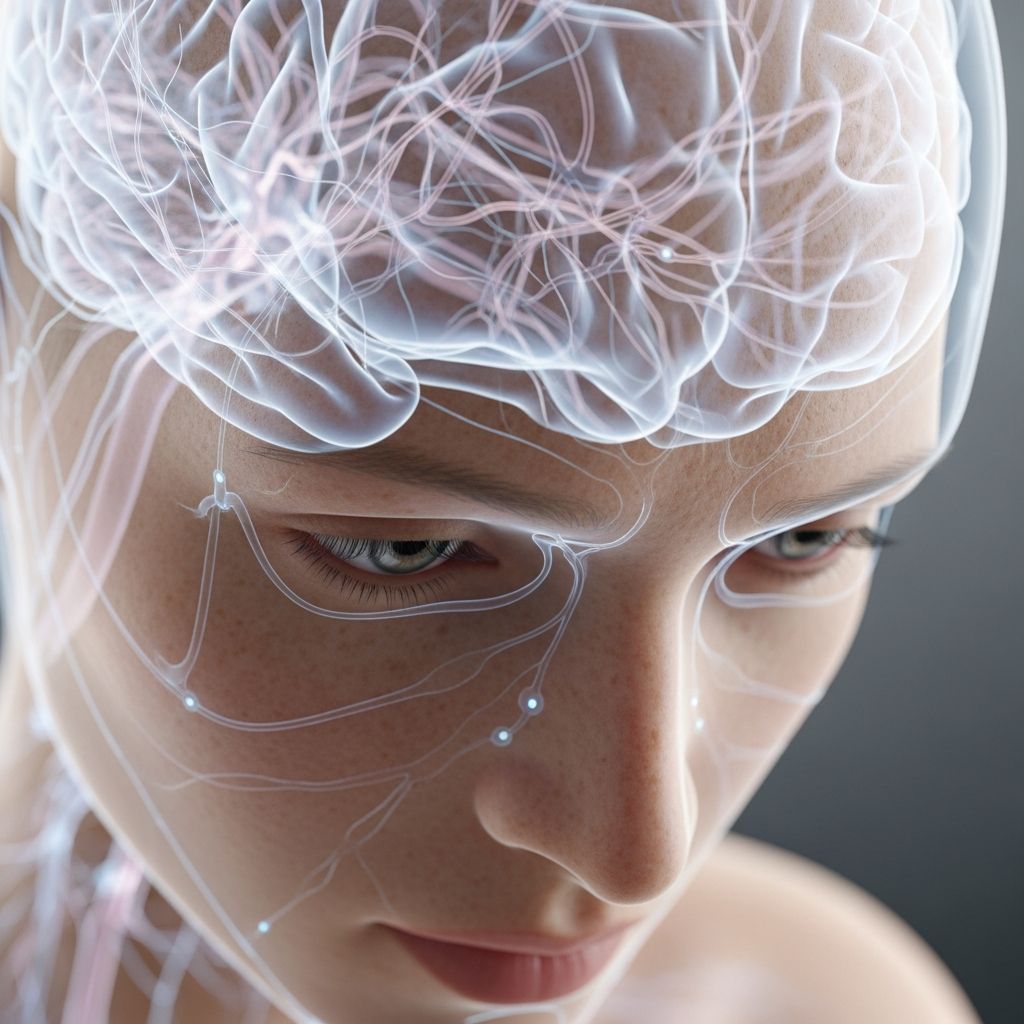
Your brain and nervous system control every aspect of your life, from movement and sensation to thought and emotion. Subtle or sudden changes in these functions can signal serious underlying issues like stroke, tumors, or degenerative diseases. Ignoring them risks permanent damage or life-threatening emergencies. This article details
key neurological symptoms
requiring prompt medical attention, drawing from expert neurology guidance.Severe or Sudden ‘Thunderclap’ Headaches
The most alarming headache strikes with explosive intensity, often described as the ‘worst of your life,’ peaking in seconds. Unlike typical migraines, these
thunderclap headaches
may indicate subarachnoid hemorrhage, ruptured aneurysm, or meningitis.- Accompanied by nausea, vomiting, neck stiffness, or sensitivity to light.
- Worsens with exertion or doesn’t respond to usual pain relievers.
- Demands immediate ER evaluation—delays can be fatal.
Research from Yale highlights the hidden prevalence of neurological issues, affecting over half of Americans, underscoring why sudden headaches warrant urgency.
Numbness, Tingling, or Limb Weakness
Sudden
numbness or weakness
in the face, arm, or leg—especially on one side—screams stroke (FAST: Face drooping, Arm weakness, Speech difficulty, Time to call 911). Other causes include multiple sclerosis, nerve compression, or spinal injury.- Pins-and-needles persisting beyond minutes, spreading, or with coordination loss.
- Post-accident onset, signaling delayed nerve damage.
- Even mild cases can progress to paralysis if untreated.
Neurology experts emphasize documentation: note onset, duration, and triggers for accurate diagnosis.
Vision Changes or Sudden Vision Loss
Blurred, double, or partial vision loss; seeing flashes, spots, or patterns signals optic neuritis, stroke, migraines with aura, or tumors pressing on visual pathways.
- One-eye blindness lasting minutes to hours (amaurosis fugax, a stroke precursor).
- Associated with headache or neurological deficits.
- Immediate ophthalmology or neurology consult needed.
Early intervention preserves vision and uncovers brain issues.
Confusion, Memory Loss, or Cognitive Decline
Sudden confusion, disorientation, memory gaps, or trouble speaking/understanding points to transient ischemic attack (mini-stroke), infection, or early dementia. Persistent issues affect daily function.
- Getting lost in familiar areas or repeating questions.
- Post-trauma: concussion or brain bleed effects.
- Accompanied by personality changes or slowed thinking.
A PMC review notes cognitive symptoms in major disorders like Alzheimer’s and epilepsy, stressing holistic neurological health.
Tremors, Muscle Spasms, or Involuntary Movements
Uncontrolled shaking, jerks, or stiffness suggests Parkinson’s, essential tremor, or dystonia. Post-injury spasms indicate nervous system disruption.
- Worsens with stress or fatigue; improves with rest.
- Interferes with writing, eating, or walking.
- Track patterns for specialist evaluation.
Functional neurology centers advise against dismissal as ‘just nerves’.
Seizures or Blackouts
Any convulsion, staring spell, or loss of awareness—even brief—requires urgent care. Causes: epilepsy, brain injury, electrolyte imbalance, or tumors.
Related Stories



- Post-accident: heightened risk from swelling or bleeding.
- Followed by confusion (postictal state).
- Protect airway, time the event, and seek ER help.
One seizure can herald ongoing epilepsy.
Trouble with Balance, Coordination, or Walking
Sudden dizziness, vertigo, gait instability, or falls signals cerebellar stroke, inner ear issues, or neuropathy.
- Veering to one side or needing walls for support.
- With numbness: spinal cord compression.
- Risks injury; prompts imaging like MRI.
Delayed post-trauma symptoms often emerge as swelling subsides.
Unexplained Muscle Weakness or Paralysis
Progressive or sudden drop in strength, from difficulty rising from chairs to full paralysis, indicates Guillain-Barré, myasthenia gravis, or stroke.
- Affects proximal muscles (hips, shoulders) first in some disorders.
- With fatigue worsening later in day.
- Neurological exam differentiates from orthopedic issues.
Elite neurology centers flag this as non-negotiable for evaluation.
Personality Changes or Severe Mood Swings
Irritability, apathy, or uncharacteristic behavior can stem from frontal lobe issues, depression, or tumors. Often subtle but disruptive.
- Sudden aggression or withdrawal.
- With cognitive slips: dementia red flag.
- Psychiatric vs. neurological differentiation vital.
Holistic assessment rules out reversible causes.
When to Seek Emergency Care
Use this table for rapid triage:
| Symptom | Action | Possible Cause |
|---|---|---|
| Thunderclap headache + neuro signs | Call 911 | Aneurysm/bleed |
| One-sided weakness/numbness | Call 911 | Stroke |
| Seizure or blackout | ER immediately | Epilepsy/injury |
| Persistent confusion | Urgent care/ER | Infection/TIA |
| Mild tremors/balance issues | See neurologist within days | Parkinson’s/MS |
Post-accident: Any new symptom, even days later, needs evaluation.
Why Early Detection Matters
Neurological disorders burden millions silently. Prompt action via CT/MRI, EEG, or lumbar puncture enables treatments like tPA for stroke (within 4.5 hours) or surgery for aneurysms. Lifestyle factors—BP control, no smoking—prevent many.
Stress masks symptoms; monitor post-trauma. Yale’s 2025 study reveals >50% U.S. prevalence, many undiagnosed.
Frequently Asked Questions (FAQs)
Should I ignore mild tingling if it goes away?
No. Recurrent or one-sided tingling can precede stroke or MS. Track and consult a doctor.
Are all headaches dangerous?
Most aren’t, but sudden severe ones with nausea or vision changes are.
What if symptoms follow an accident?
Delayed onset is common; seek neurology specialist immediately to avoid permanent damage.
Can stress cause these symptoms?
Temporarily yes, but persistent ones need ruling out disorders.
How is neurological health defined?
Beyond absence of disease, it includes optimal brain function per recent research.
References
- Neurological Symptoms That Should Never Be Ignored — Apexosn. 2024. https://www.apexosn.com/neurological-symptoms-that-should-never-be-ignored/
- Top 10 Neurological Symptoms You Shouldn’t Ignore — Functional Neurology Brain Center. 2024. https://www.functionalneurologybraincenter.com/blog-post/neurological-symptoms-not-to-ignore
- 10 Neurological symptoms NOT to ignore for your health — Neurology Mobile. 2024. https://neurologymobile.com/neurological-symptoms-not-to-ignore/
- 5 Neurological symptoms not to ignore — Elite Atlanta Centers. 2024. https://eliteatlantacenters.com/5-neurological-symptoms-not-to-ignore/
- The massive, hidden burden of neurological disorders — Yale News. 2025-12-09. https://news.yale.edu/2025/12/09/massive-hidden-burden-neurological-disorders
- Neurological Health: Not Merely the Absence of Disease — PMC (NCBI). 2023. https://pmc.ncbi.nlm.nih.gov/articles/PMC9989493/
Similar Articles








Read full bio of Sneha Tete