Neuropathic Pain: Causes, Symptoms & Treatment
Understanding neuropathic pain: comprehensive guide to causes, symptoms, and effective treatment options.
Understanding Neuropathic Pain
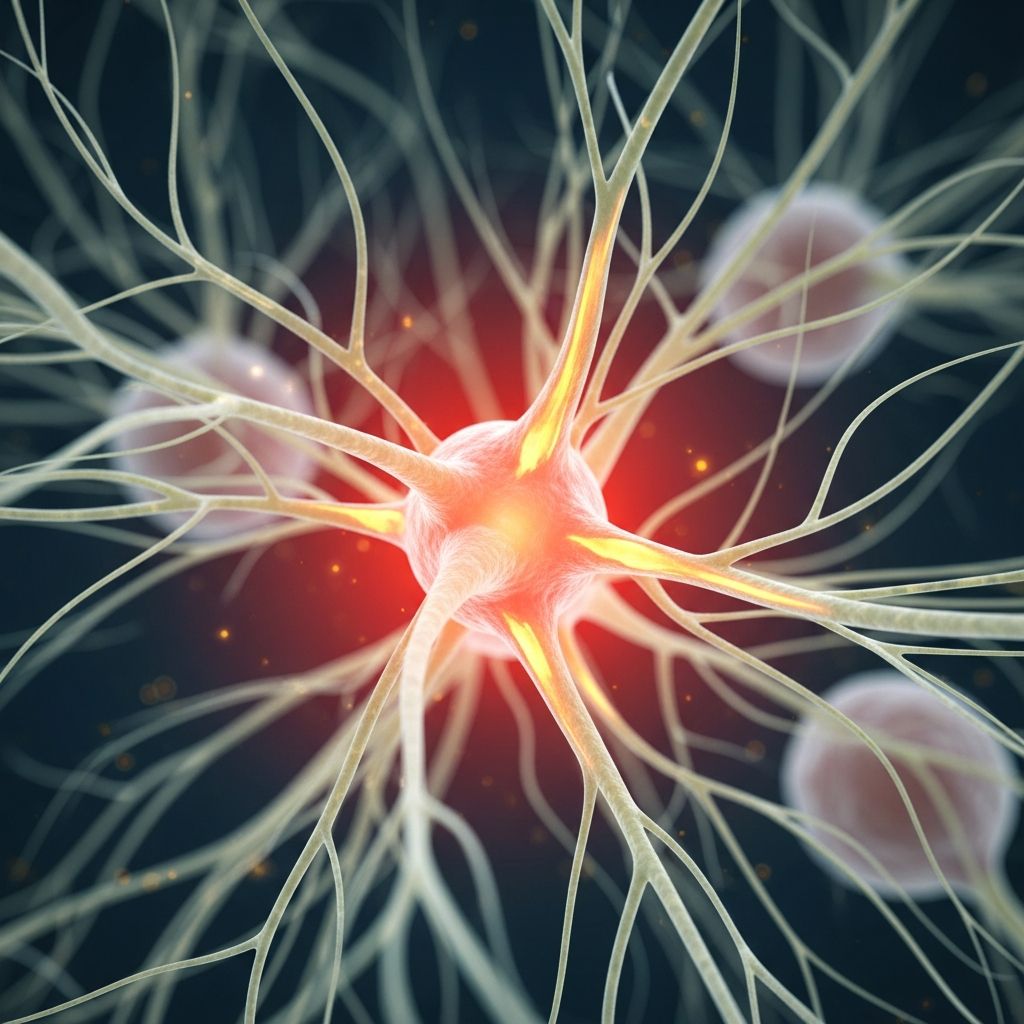
Neuropathic pain is a complex condition that results from damage to the nervous system anywhere along the neuraxis, including the peripheral nervous system, spinal cord, or brain. Unlike other types of pain that serve as warning signals for injury, neuropathic pain occurs as a result of dysfunction within the nervous system itself. This distinctive form of pain differs considerably from somatic and visceral pain, both in how patients experience it and how healthcare providers approach treatment. Neuropathic pain affects millions of individuals worldwide and represents one of the most challenging chronic pain conditions to manage effectively.
What Causes Neuropathic Pain?
Neuropathic pain can develop from various underlying conditions and injuries. Common causes include diabetes, infections such as shingles, chemotherapy side effects, spinal cord or brain injuries, and physical trauma to nerves. Post-stroke pain syndrome represents a particularly severe form of neuropathic pain, characterized by burning sensations and sharp shooting pains that can persist for years after the initial stroke. Peripheral neuropathy, which involves damage to peripheral nerves, frequently manifests as neuropathic pain in the feet and hands.
The Physiology of Neuropathic Pain
Pain perception involves a delicate balance between pain-conduction pathways and pain-inhibiting pathways. Damage anywhere in this system can disrupt normal pain signaling and lead to neuropathic pain. In early stages of nerve damage, patients may experience only loss of sensation. However, in more entrenched cases, patients exhibit pain due to both loss of first-order neurons and disinhibition of pain-conducting pathways. This creates a paradoxical situation where patients with complete loss of sensation in certain areas may simultaneously experience spontaneous burning pain, sharp jabbing sensations, and allodynia—pain from stimuli that normally do not cause pain.
Recognizing Symptoms of Neuropathic Pain
Neuropathic pain presents with distinctive symptoms that differ from other pain types. Patients often describe sensations such as burning, tingling, numbness, or electric shock-like pain. These symptoms can be unpredictable and vary significantly in intensity and character from moment to moment.
Common Symptoms Include:
- Burning or tingling sensations, particularly in the feet and hands
- Sharp, jabbing, or shooting pain
- Numbness or decreased sensation in affected areas
- Allodynia, where normal touch causes pain
- Hyperalgesia, where pain signals become abnormally intense
- Electric shock-like sensations
- Weakness or loss of muscle control in affected areas
- Balance and coordination problems
- Autonomic symptoms affecting vital functions
Impact on Quality of Life
The symptoms of neuropathic pain can significantly disrupt daily functioning. Pain from peripheral neuropathy is usually the most disruptive symptom, affecting work performance and routine activities. Motor and sensory symptoms can cause severe problems with mobility, balance, and coordination. Autonomic symptoms, which involve vital body functions, are particularly serious as dysfunction in these areas can have severe and sometimes dangerous effects. The psychological burden of chronic neuropathic pain often leads to depression and anxiety, further reducing quality of life.
Diagnosis and Classification
Accurate diagnosis of neuropathic pain requires a systematic clinical approach. Healthcare providers classify a patient’s pain based on the clinical picture, considering the location, character, onset, and progression of symptoms. Advanced diagnostic tools such as nerve conduction studies and neurologic examinations help identify the specific type and severity of nerve damage. Small fiber neuropathy, for example, is often characterized by neuropathic pain in the feet despite normal nerve conduction studies and neurologic examination, requiring specialized diagnostic approaches.
Related Stories



Treatment Approaches for Neuropathic Pain
Management of neuropathic pain has advanced significantly due to a better understanding of the mechanisms underlying this condition. A comprehensive treatment strategy typically combines multiple approaches tailored to the individual patient’s needs.
Pharmacological Treatments
Modern pharmacological therapy for neuropathic pain includes several classes of medications with proven efficacy. New antidepressants and anticonvulsants with novel mechanisms of action have become first-line treatments, replacing or supplementing traditional pain medications. Selective norepinephrine reuptake inhibitors and other antidepressants help modulate pain signaling pathways. Recent research has demonstrated that opioids can be effective for treating chronic and breakthrough neuropathic pain, though they are typically reserved for cases where other treatments prove insufficient.
Nonpharmacological Therapies
Current treatment protocols emphasize combining pharmacological therapy with nonpharmacological approaches. Physical therapy helps maintain mobility and muscle strength while improving overall function. Cognitive behavioral therapy addresses the psychological components of chronic pain, helping patients develop coping strategies and reduce pain-related disability. These evidence-based approaches often produce better long-term outcomes than medication alone.
Interventional Pain Procedures
For patients who fail to respond adequately to conservative therapy, interventional pain procedures offer additional options. Advanced implantable devices can provide sustained relief from chronic pain. These procedures are particularly valuable for severe, refractory neuropathic pain that significantly impairs quality of life.
Emerging Therapies
Recent advances include nerve growth factor (NGF) inhibitors, which show promise in treating chronic neuropathic pain conditions. Cleveland Clinic researchers participated in multicenter, double-blind randomized controlled trials demonstrating that NGF inhibitors not only effectively treat chronic low back pain but may perform even better than weak opioids for challenging pain syndromes. NGF is one of many inflammatory mediators that facilitate pain sensitization and is released from mast cells along with other pro-inflammatory cytokines.
Deep Brain Stimulation
Deep brain stimulation (DBS) represents an innovative approach for complex neuropathic pain cases. The first prospective, randomized, controlled trial of DBS for neuropathic pain demonstrated that stimulation of the ventral striatum and anterior limb of the internal capsule is safe and feasible in addressing the affective component of pain. This groundbreaking research suggests a paradigm shift in chronic pain management, targeting neurostimulation to brain structures related to emotion and behavior control rather than focusing exclusively on pain transmission and amplitude. Patients receiving active DBS showed significant improvements in depression, anxiety, and quality of life, suggesting that reducing pain-related suffering and disability may be as important as reducing pain intensity itself.
Living with Neuropathic Pain
Prognosis and Outlook
The outlook for neuropathic pain varies considerably depending on the underlying cause, symptom severity, and treatment response. Pain from peripheral neuropathy is typically the most disruptive symptom, but medications and other treatments can often provide significant relief. Motor and sensory symptoms can severely impact the ability to work and perform daily activities, though rehabilitation and adaptive strategies can help. Importantly, treatments can make a significant difference in overall prognosis. Some treatments can greatly reduce or even stop symptoms, though response varies among individuals. Your healthcare provider is the best source of information regarding the specific outlook for your case and strategies to optimize outcomes.
Management Strategies
Successful management of neuropathic pain requires a multifaceted approach combining appropriate medical treatment with lifestyle modifications. Regular physical activity as tolerated, stress reduction techniques, adequate sleep, and emotional support all contribute to better pain control and improved quality of life. Working closely with a healthcare team experienced in pain management ensures access to the most current and effective treatment options.
Frequently Asked Questions
Q: What is the difference between neuropathic pain and other types of chronic pain?
A: Neuropathic pain results from damage to the nervous system itself, rather than from injury to other tissues. This causes distinctive symptoms like burning, tingling, and electric shock sensations. Unlike acute pain that warns of injury, neuropathic pain persists even after the initial injury has healed and represents a malfunction in pain signaling.
Q: Can neuropathic pain be cured?
A: Treatment depends on the underlying cause. While some causes can be addressed directly, cure is not always possible. However, various treatments can significantly reduce symptoms and improve quality of life. The goal of treatment is often to manage pain-related suffering and disability rather than achieve complete pain elimination.
Q: What medications are most effective for neuropathic pain?
A: First-line medications typically include certain antidepressants and anticonvulsants with novel mechanisms of action. The specific medication recommended depends on individual factors including other medical conditions and medications. Your healthcare provider will determine the best option for your specific situation.
Q: How long does it take for neuropathic pain treatment to work?
A: Treatment timelines vary depending on the type of therapy and individual factors. Some medications require several weeks to reach full effectiveness. Physical therapy and behavioral interventions may show benefits over weeks to months. Interventional procedures sometimes provide more rapid relief.
Q: Are there side effects associated with neuropathic pain treatments?
A: Most treatments can have side effects, though many are manageable. Emerging treatments like NGF inhibitors may cause increased incidence of nasopharyngitis, paresthesia, arthralgia, and upper respiratory tract infections in some patients. Your healthcare provider will discuss potential side effects and monitor you closely during treatment.
Q: Should I see a specialist for neuropathic pain management?
A: If initial treatments from your primary care provider are not providing adequate relief, or if you have complex neuropathic pain, consulting a pain management specialist or neurologist experienced in neuropathic conditions is advisable. Specialists have access to advanced diagnostic tools and treatment options.
References
- Clinical approach to patients with neuropathic pain — Cleveland Clinic Journal of Medicine. 2006. https://www.ccjm.org/content/ccjom/73/8/726.full.pdf
- Clinical approach to patients with neuropathic pain — PubMed/National Center for Biotechnology Information. https://pubmed.ncbi.nlm.nih.gov/16913197/
- Peripheral Neuropathy: What It Is, Symptoms & Treatment — Cleveland Clinic. https://my.clevelandclinic.org/health/diseases/14737-peripheral-neuropathy
- First Randomized Controlled Trial of DBS for Chronic Pain Shows Promise — Cleveland Clinic Consult QD. 2017. https://consultqd.clevelandclinic.org/first-randomized-controlled-trial-of-dbs-for-chronic-pain-shows-promise
- Mounting Evidence Points to a Role for Nerve Growth Factor Inhibitors in Taming Chronic Pain — Cleveland Clinic Consult QD. https://consultqd.clevelandclinic.org/mounting-evidence-points-to-a-role-for-nerve-growth-factor-inhibitors-in-taming-chronic-pain
- Office approach to small fiber neuropathy — Cleveland Clinic Journal of Medicine. 2017. https://www.ccjm.org/content/85/10/801
Similar Articles








Read full bio of medha deb