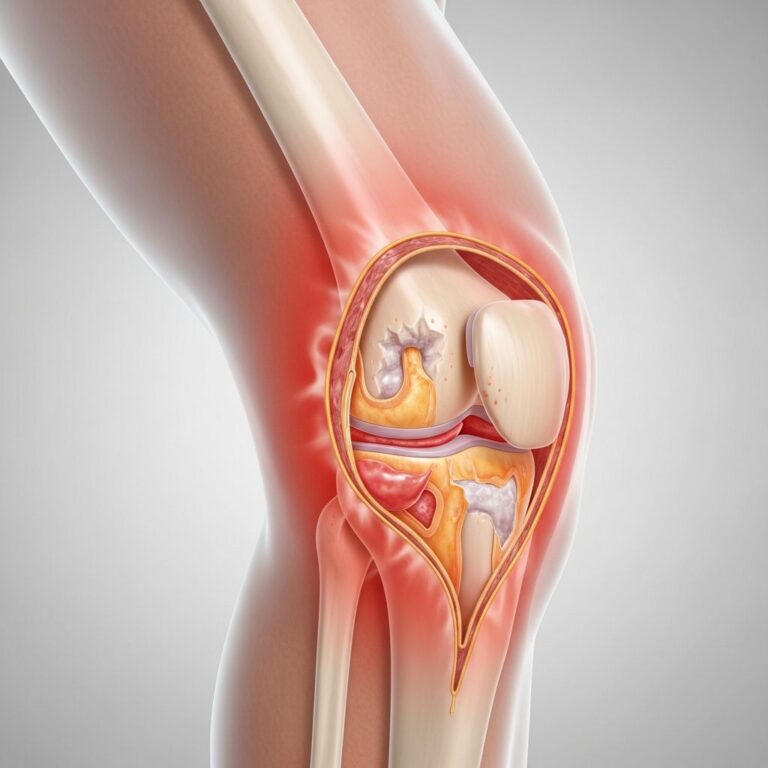
Neuropraxia: Causes, Symptoms & Treatment
Understanding neuropraxia: a mild nerve injury with temporary effects and full recovery potential.
What Is Neuropraxia?
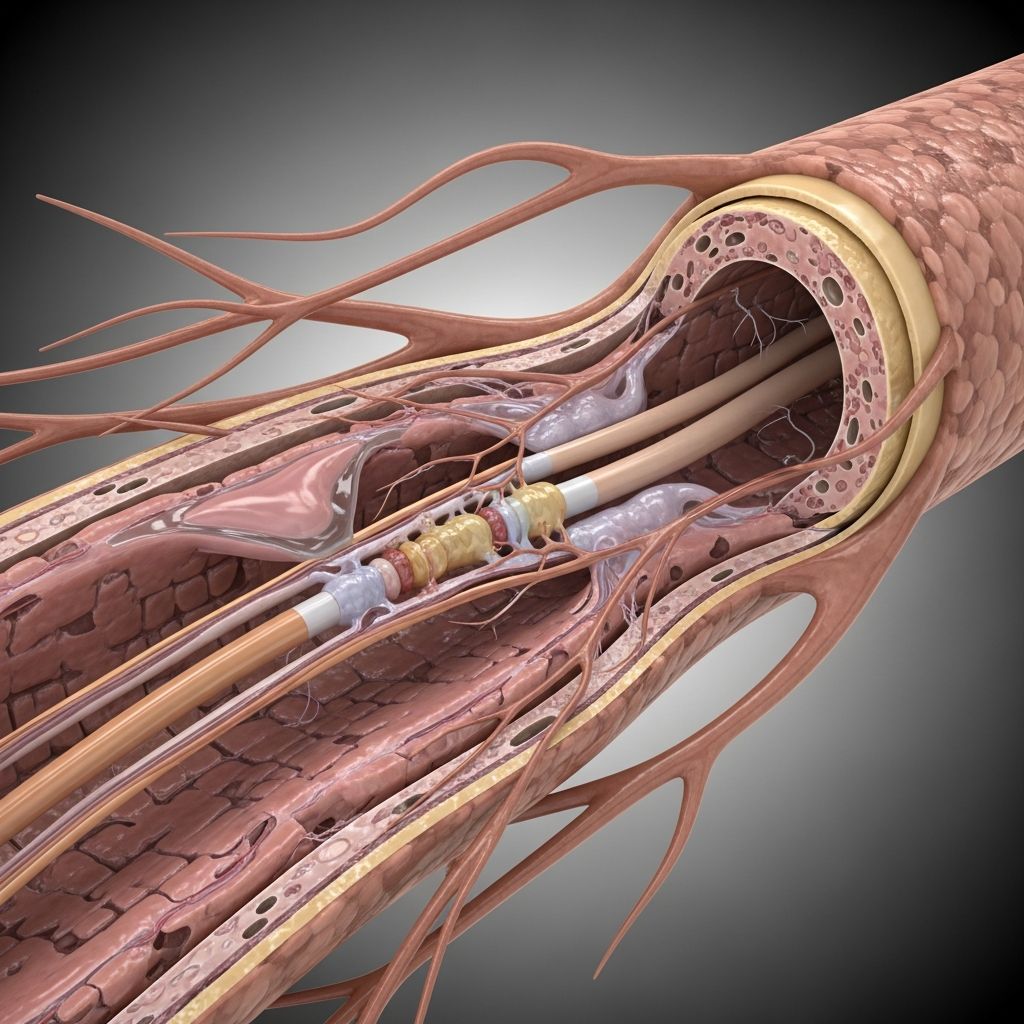
Neuropraxia is a mild injury to the peripheral nerves, which are the nerves outside the brain and spinal cord. These nerves transmit electrical signals from the central nervous system to the rest of the body, enabling movement, sensation, and other vital functions. When a peripheral nerve is injured, it may temporarily lose its ability to send signals, resulting in a condition known as neuropraxia.
Neuropraxia is the mildest form of peripheral nerve injury. It typically occurs when a nerve is compressed, stretched, or otherwise traumatized, but the nerve itself remains intact. Unlike more severe nerve injuries, neuropraxia does not involve damage to the nerve fibers (axons) or the connective tissue surrounding them. Instead, the injury affects the nerve’s ability to conduct electrical impulses, leading to a temporary loss of motor and sensory function in the affected area.
Causes of Neuropraxia
Neuropraxia can result from a variety of causes, most commonly trauma or compression. The following are some of the most frequent causes:
- Trauma: Falls, blows, or accidents can compress or stretch peripheral nerves, leading to neuropraxia. For example, a direct hit to the arm or leg during sports or a car accident can cause this type of injury.
- Compression: Prolonged pressure on a nerve, such as from sitting in one position for too long or wearing tight clothing, can also result in neuropraxia.
- Sports injuries: Athletes are particularly susceptible to neuropraxia, especially in contact sports like football or rugby, where sudden impacts or awkward movements can compress nerves.
- Surgical procedures: Sometimes, neuropraxia can occur as a complication of surgery, especially if nerves are inadvertently compressed or stretched during the procedure.
- Medical conditions: Certain medical conditions, such as diabetes or autoimmune disorders, can increase the risk of nerve injury, including neuropraxia.
Symptoms of Neuropraxia
The symptoms of neuropraxia depend on which nerve is affected and the severity of the injury. Common symptoms include:
- Numbness: Loss of sensation in the affected area, often described as a “pins and needles” feeling.
- Tingling: A sensation of tingling or “electric shocks” in the skin.
- Weakness: Reduced muscle strength or difficulty moving the affected limb.
- Burning sensations: Some people experience a burning or stinging sensation at the site of the injury.
- Abnormal sensitivity: The affected area may become unusually sensitive to touch or temperature.
- Flaccid paralysis: In cases involving motor nerves, there may be temporary paralysis of the muscles innervated by the injured nerve.
Symptoms are usually temporary and may last from a few days to several weeks. In most cases, they resolve completely as the nerve heals.
Diagnosis of Neuropraxia
Diagnosing neuropraxia involves a combination of clinical evaluation and diagnostic tests. Your healthcare provider will typically:
- Take a detailed medical history, including information about any recent trauma or activities that may have caused nerve injury.
- Perform a physical examination to assess muscle strength, sensation, and reflexes in the affected area.
- Order imaging scans, such as MRI or CT, to rule out more serious injuries like fractures or spinal cord damage.
- Conduct nerve and muscle function tests, such as electromyography (EMG) or nerve conduction studies, to evaluate the extent of nerve damage and confirm the diagnosis.
Related Stories



Treatment of Neuropraxia
Neuropraxia usually heals on its own with time and rest. However, your healthcare provider may recommend several treatments to help manage symptoms and promote recovery:
- Pain management: Over-the-counter pain relievers, such as acetaminophen or ibuprofen, can help reduce discomfort. In some cases, prescription medications may be needed.
- Physiotherapy: Range-of-motion exercises and physical therapy can help maintain muscle strength and prevent stiffness while the nerve heals.
- Massage and acupuncture: These therapies may be helpful for some people, but only if recommended by a healthcare provider.
- Rest: It’s important to avoid activities that may aggravate the injury and allow the nerve time to recover.
- Medications: In some cases, medications such as anticonvulsants or antidepressants may be prescribed to manage neuropathic pain.
Recovery and Prognosis
Most people with neuropraxia recover fully within a few weeks to a few months. Recovery time depends on the severity of the injury and the individual’s overall health. In general:
- Recovery begins within two to three weeks after the injury.
- Complete recovery typically occurs within six to eight weeks.
- In some cases, it may take up to four months for full function to return.
- Older adults or those with underlying health conditions may take longer to heal.
Complications are rare, but if scar tissue forms around the nerve, surgery may be needed to release the compression and allow the nerve to heal.
Prevention of Neuropraxia
While not all cases of neuropraxia can be prevented, there are steps you can take to reduce your risk:
- Practice proper technique in sports and physical activities to avoid unnecessary trauma to nerves.
- Avoid prolonged pressure on nerves, such as from sitting in one position for too long.
- Wear protective gear during contact sports to minimize the risk of injury.
- Seek prompt medical attention if you experience symptoms of nerve injury.
When to See a Doctor
You should see a healthcare provider if you experience any of the following:
- Sudden or severe numbness, tingling, or weakness in any part of your body.
- Symptoms that persist for more than a few days or worsen over time.
- New symptoms that develop after an injury or surgery.
- Difficulty moving or controlling a limb.
Frequently Asked Questions (FAQs)
Q: Is neuropraxia permanent?
A: No, neuropraxia is a temporary condition. Most people recover fully within a few weeks to a few months.
Q: Can neuropraxia cause permanent nerve damage?
A: In most cases, neuropraxia does not cause permanent nerve damage. However, if the nerve is repeatedly injured or if scar tissue forms, surgery may be needed.
Q: How is neuropraxia different from other nerve injuries?
A: Neuropraxia is the mildest form of nerve injury. Unlike more severe injuries, it does not involve damage to the nerve fibers or connective tissue.
Q: Can neuropraxia affect any nerve in the body?
A: Yes, neuropraxia can affect any peripheral nerve, but it is most common in the arms and legs.
Q: What should I do if I suspect I have neuropraxia?
A: Rest the affected area and seek medical attention if symptoms persist or worsen.
References
- Neuropraxia: What It Is, Causes, Symptoms & Treatment — Cleveland Clinic. 2023. https://my.clevelandclinic.org/health/diseases/22608-neuropraxia
- Neurapraxia – Wikipedia — Wikipedia. 2023. https://en.wikipedia.org/wiki/Neurapraxia
- Peripheral Nerve Trauma: Mechanisms of Injury and Recovery — PMC. 2015. https://www.ncbi.nlm.nih.gov/pmc/articles/PMC4408553/
Similar Articles








Read full bio of medha deb