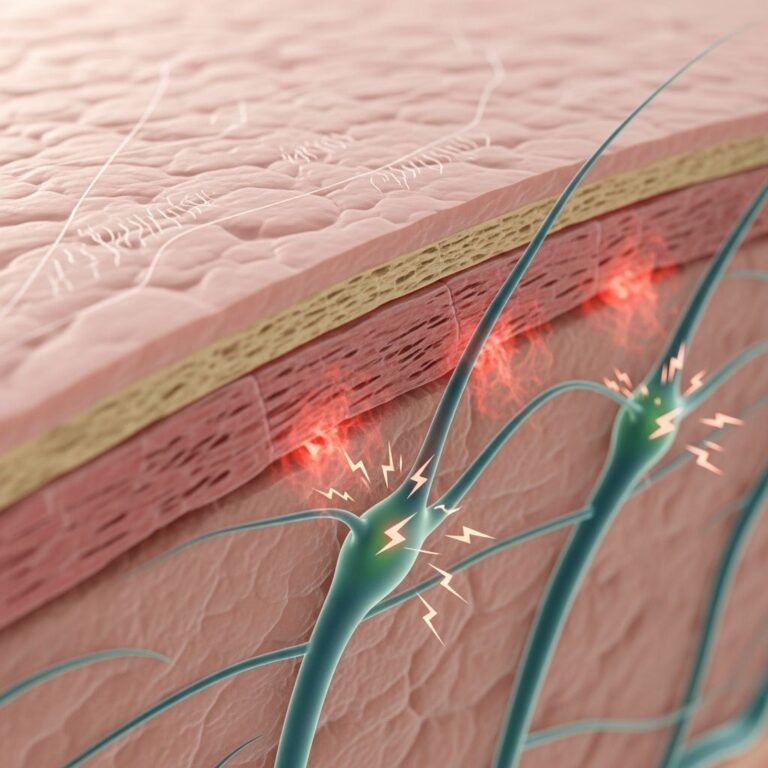
Neurotransmitters: Chemical Messengers of the Brain
Understanding how neurotransmitters regulate brain function, mood, and behavior.
What Are Neurotransmitters?
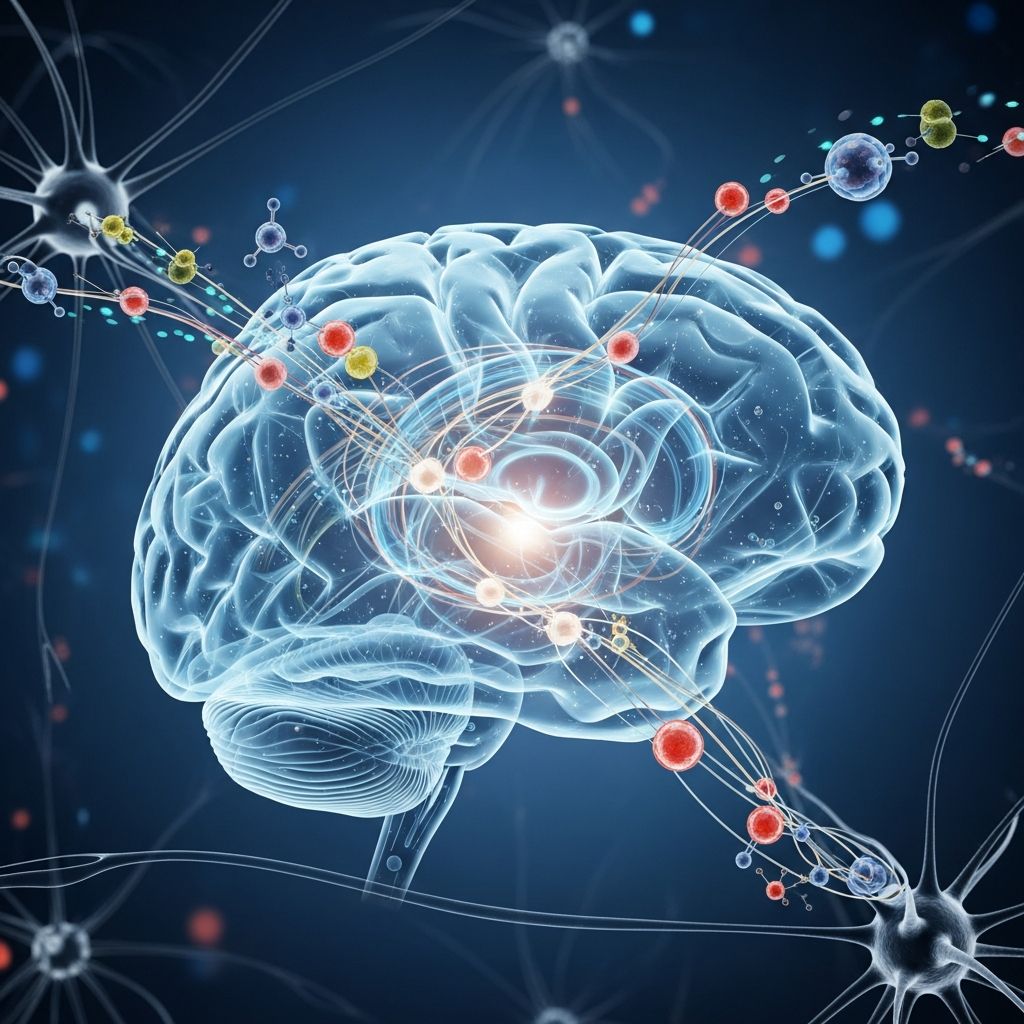
Neurotransmitters are chemical messengers in your brain that transmit signals between nerve cells, or neurons. These essential molecules are synthesized and released by neurons, enabling communication across synapses and eliciting responses in target cells. Without neurotransmitters, your brain could not function properly, and your body would be unable to carry out vital processes ranging from movement and memory to mood regulation and emotional responses. Neurotransmitters were first discovered in the early 20th century, revolutionizing our understanding of how the nervous system communicates and operates.
The term “neurotransmitter” itself describes the fundamental role these chemicals play: they literally transmit messages between neurons. When an electrical signal travels along a nerve cell, it triggers the release of neurotransmitters into the synaptic cleft—the fluid-filled space between two neurons. These chemical messengers then bind to specific receptors on the receiving neuron, continuing the communication signal throughout your nervous system.
How Neurotransmitters Work
Understanding the mechanism of neurotransmitter function is crucial to understanding how your brain operates. The process begins when an electrical impulse travels down a nerve cell. As the signal moves along, specialized structures called vesicles containing neurotransmitters are triggered to release their contents into the synapse, the small space between two neurons.
Once released into the synapse, neurotransmitters must bind to specific receptors on the postsynaptic neuron—the receiving cell. This binding process is highly specific; each neurotransmitter has particular receptors it can attach to, similar to a key fitting into a lock. Once the neurotransmitter binds to its receptor, it triggers a chemical change in the receiving neuron, allowing the communication signal to continue its journey from cell to cell throughout your brain and nervous system.
The communication process doesn’t end once the message is transmitted. After delivering their message, neurotransmitters are typically reabsorbed into the sending neuron through a process called reuptake, or they may be broken down by enzymes in the synapse. This recycling process is crucial for maintaining proper neurotransmitter levels and ensuring that your brain can continue to communicate effectively.
Types of Neurotransmitters
Neurotransmitters can be categorized in several ways. One of the most important classifications distinguishes between excitatory and inhibitory neurotransmitters based on their effects on nerve cells.
Excitatory vs. Inhibitory Neurotransmitters
Excitatory neurotransmitters stimulate or excite nerve cells, making it more likely that the chemical message will continue to move from nerve cell to nerve cell and not be stopped. These include glutamate and acetylcholine. In contrast, inhibitory neurotransmitters calm or inhibit nerve cell activity, slowing down the transmission of signals. GABA (gamma-aminobutyric acid) is the primary inhibitory neurotransmitter in the brain.
Major Neurotransmitters
Several neurotransmitters play particularly important roles in brain function and behavior:
Glutamate is the most abundant excitatory neurotransmitter in your brain. It plays a major role in learning and memory and is involved in more than 90% of all excitatory functions in the human brain. Glutamate can bind to four different types of receptors, giving it considerable influence over neural communication. The proper concentration of glutamate is essential; too much can damage nerve cells, while too little results in poor communication between neurons. Excessive glutamate has been associated with neurodegenerative diseases including Parkinson’s disease, Alzheimer’s disease, and Huntington’s disease.
Related Stories



Acetylcholine is a key neurotransmitter crucial for muscle activation and cognitive functions. It was the first neurotransmitter ever discovered and plays essential roles in memory, learning, attention, arousal, and involuntary muscle movement. In the brain, acetylcholine promotes rapid eye movement (REM) sleep and is critical for learning and memory formation. Acetylcholine is made at the end of nerve cells through a reaction between choline and an acetyl group, facilitated by the enzyme choline acetyltransferase.
GABA (Gamma-Aminobutyric Acid) is the primary inhibitory neurotransmitter in the brain. It slows down brain activity by blocking specific signals in your central nervous system. GABA lessens a nerve cell’s ability to receive, create, or send chemical messages to other nerve cells. It works through two main receptor types—GABA-A and GABA-B—both of which decrease the responsiveness of nerve cells.
Dopamine is a neurotransmitter and hormone that plays a role in many important body functions, including movement, memory, and pleasurable reward. It is also involved in motivation and focus. Dysfunction in dopamine systems has been linked to various conditions including Parkinson’s disease and addiction disorders.
Serotonin plays a key role in numerous bodily functions including mood regulation, sleep, appetite, anxiety, digestion, blood clotting, and sexual desire. Imbalances in serotonin are often associated with depression, anxiety disorders, and other mental health conditions. Many psychiatric medications work by modulating serotonin levels in the brain.
Norepinephrine (also known as noradrenaline) is both a neurotransmitter and a hormone that plays an important role in your body’s “fight-or-flight” response. It affects arousal, emotional responses, and attention, helping your body respond to stress and danger.
Epinephrine (also known as adrenaline) is another neurotransmitter and hormone involved in the fight-or-flight response. It works alongside norepinephrine to increase heart rate, blood pressure, and alertness during stressful situations.
The Importance of Proper Neurotransmitter Balance
For your brain to function properly, neurotransmitters need to be present in the right concentration, in the right places, at the right time. Both deficiency and excess of neurotransmitters can cause serious problems. How neurotransmitters act at the synapse between nerve cells can either strengthen or weaken the communication signal, which then affects the function being carried out.
When neurotransmitter levels are suboptimal, communication between neurons becomes impaired. Less than the right amount of glutamate released at the right places for the right amount of time results in poor communication and cognitive dysfunction. Conversely, too much glutamate can overstimulate nerve cells and cause excitotoxicity—a condition where excessive stimulation damages or kills nerve cells. This imbalance has been implicated in various neurodegenerative diseases.
Neurotransmitter Abnormalities and Disease
Imbalances in neurotransmitter levels and function are associated with numerous medical and psychiatric conditions. Understanding these relationships has led to the development of many medications that target specific neurotransmitter systems.
Neurodegenerative Diseases
Some neurodegenerative diseases are associated with too much glutamate exciting nerve cells, including Parkinson’s disease, Alzheimer’s disease, and Huntington’s disease. In these conditions, excitotoxicity—excessive glutamate stimulation—contributes to neuronal death and progressive neurological decline.
Mental Health Disorders
Problems in making or using neurotransmitters have been linked to various mental health disorders. Autism, depression, and schizophrenia have all been associated with abnormalities in neurotransmitter function. Many psychiatric medications work by correcting these imbalances. For example, selective serotonin reuptake inhibitors (SSRIs) increase serotonin levels by preventing its reabsorption, helping to alleviate depression and anxiety symptoms.
Neuromuscular Conditions
Acetylcholine deficiency or dysfunction is characteristic of certain neuromuscular conditions. In Alzheimer’s disease, for instance, there is severe depletion of acetylcholine in affected brain regions, contributing to memory loss and cognitive decline. Cholinesterase inhibitors—medications that prevent the breakdown of acetylcholine—are used to treat Alzheimer’s disease and myasthenia gravis by increasing cholinergic transmission at the synapse, providing symptomatic benefits in some patients.
Recent Discoveries in Neurotransmitter Research
Our understanding of neurotransmitters continues to evolve. Early neuroscientists believed that each synapse used only one type of neurotransmitter. However, modern research has revealed that the reality is far more complex. Multiple neurotransmitters can be released simultaneously at a single synapse, and neurons can communicate in multiple directions. Postsynaptic neurons can send chemical messages back to presynaptic cells, creating feedback loops that fine-tune neural communication. Additionally, neurotransmitters can be released not just at synapses but also from nonsynaptic neuronal membranes, allowing for more widespread effects throughout the brain.
Neurotransmitter Networks and Brain Function
In your brain, groups of nerve cells connect to form smaller circuits to manage smaller tasks like memory retrieval, or larger, more extensive networks to carry out larger, more complex tasks such as sight, hearing, or movement. Glutamate is the most abundant neurotransmitter that carries the chemical message across these circuits and networks. The precise balance and timing of neurotransmitter release across these networks determines how effectively your brain can perform its various functions.
Clinical Applications and Treatments
Understanding neurotransmitter function has led to the development of numerous therapeutic strategies. Many medications are designed to modulate neurotransmitter levels or receptor activity. These include:
– Reuptake inhibitors: Block the reabsorption of neurotransmitters, increasing their availability in the synapse (e.g., SSRIs for depression)
– Receptor agonists: Mimic neurotransmitter action by binding to receptors (e.g., dopamine agonists for Parkinson’s disease)
– Receptor antagonists: Block neurotransmitter binding to receptors (e.g., antipsychotic medications)
– Enzyme inhibitors: Prevent the breakdown of neurotransmitters (e.g., cholinesterase inhibitors for Alzheimer’s disease)
– Synthesis promoters: Increase the production of neurotransmiters
Frequently Asked Questions
Q: What is the most abundant neurotransmitter in the brain?
A: Glutamate is the most abundant excitatory neurotransmitter in the brain, involved in more than 90% of all excitatory neural functions. It plays a crucial role in learning, memory, and overall brain communication.
Q: Can neurotransmitter imbalances be treated?
A: Yes, various medications can help balance neurotransmitter levels. These include selective serotonin reuptake inhibitors (SSRIs) for depression and anxiety, dopamine agonists for Parkinson’s disease, and cholinesterase inhibitors for Alzheimer’s disease, among many others.
Q: How do neurotransmitters affect mood and emotions?
A: Different neurotransmitters influence mood in various ways. Serotonin is primarily associated with mood regulation and well-being, dopamine with pleasure and motivation, and norepinephrine with arousal and emotional responses. Imbalances in these neurotransmitters can lead to mood disorders.
Q: What happens when there is too much glutamate in the brain?
A: Excessive glutamate can cause excitotoxicity, where neurons become overstimulated and damaged. This condition is associated with neurodegenerative diseases such as Parkinson’s disease, Alzheimer’s disease, and Huntington’s disease.
Q: How long do neurotransmitters remain in the synapse?
A: Neurotransmiters typically remain in the synapse for only a brief period. They are quickly reabsorbed into the presynaptic neuron through reuptake or broken down by enzymes. This rapid clearing allows for precise control of neural signaling and the ability to transmit new signals.
Q: Can diet affect neurotransmitter levels?
A: Yes, diet can influence neurotransmitter production. For example, choline (found in eggs and other foods) is a precursor of acetylcholine and can support its production. Amino acids from protein are precursors for other neurotransmitters. However, simply consuming neurotransmiters directly (such as through supplements) is often ineffective because they cannot cross the blood-brain barrier.
Q: How do neurotransmitter medications work?
A: Different neurotransmitter medications work through various mechanisms. Some prevent reuptake (SSRIs), some mimic neurotransmitter action (agonists), some block neurotransmitter receptors (antagonists), and some prevent the breakdown of neurotransmiters (enzyme inhibitors). The specific mechanism depends on the condition being treated.
References
- Glutamate: What It Is & Function — Cleveland Clinic. 2024. https://my.clevelandclinic.org/health/articles/22839-glutamate
- Acetylcholine (ACh): What It Is, Function & Deficiency — Cleveland Clinic. 2024. https://my.clevelandclinic.org/health/articles/24568-acetylcholine-ach
- Gamma-Aminobutyric Acid (GABA): What It Is, Function & Benefits — Cleveland Clinic. 2024. https://my.clevelandclinic.org/health/articles/22857-gamma-aminobutyric-acid-gaba
- Dopamine: What It Is, Function & Symptoms — Cleveland Clinic. 2024. https://my.clevelandclinic.org/health/articles/22581-dopamine
- Serotonin: What Is It, Function & Levels — Cleveland Clinic. 2024. https://my.clevelandclinic.org/health/articles/22572-serotonin
- Neurotransmiters — EBSCO Health Research Starters. 2024. https://www.ebsco.com/research-starters/health-and-medicine/neurotransmiters
Similar Articles








Read full bio of Sneha Tete