Neurotrophic Keratitis: Effective Treatment Strategies
Explore proven therapies from lubrication to advanced nerve regeneration for managing neurotrophic keratitis and preserving vision.
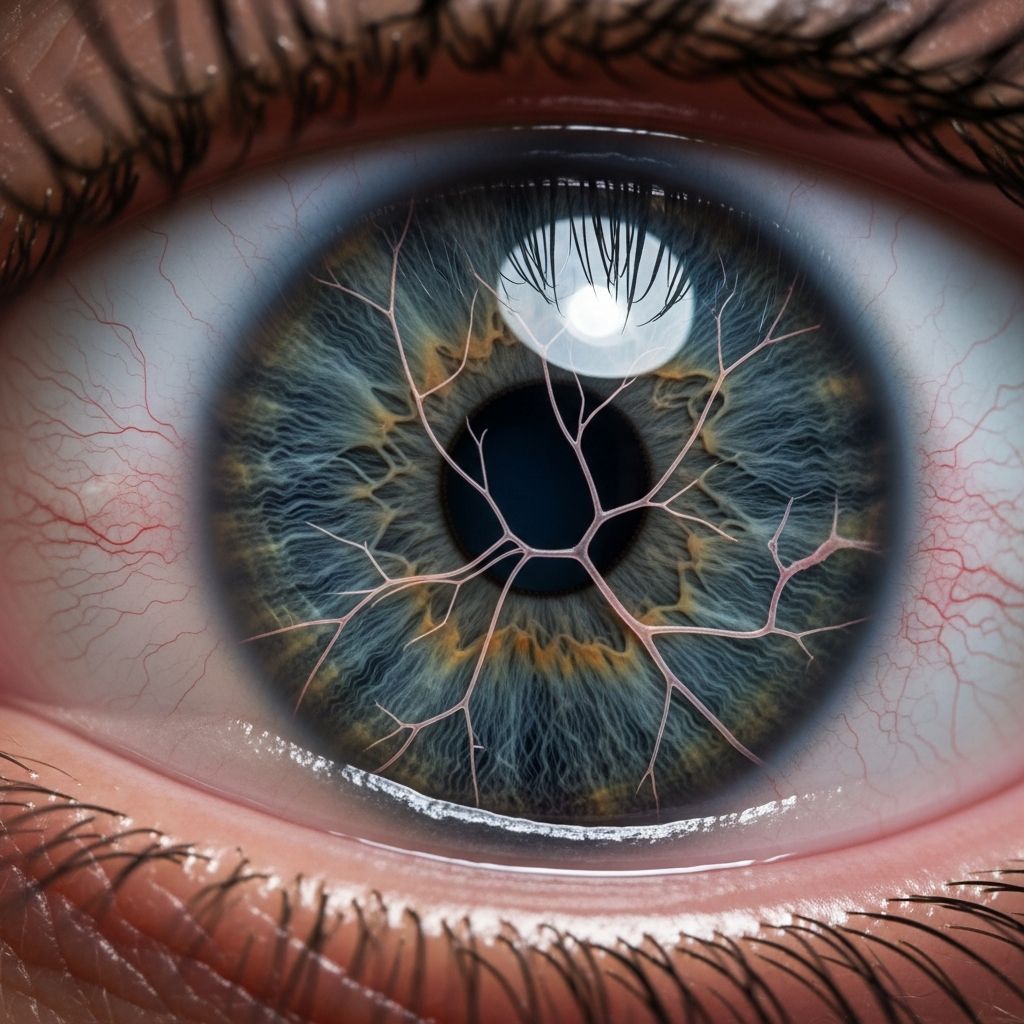
Neurotrophic keratitis arises from damage to the corneal nerves, leading to impaired sensation, poor healing, and potential vision-threatening complications. This condition demands a structured approach to management, progressing from simple supportive care to sophisticated regenerative therapies.
Understanding the Pathophysiology of Corneal Nerve Damage
The cornea relies on a dense network of sensory nerves from the trigeminal ganglion for protection, nutrition, and epithelial maintenance. When these nerves are compromised—often due to herpes zoster, diabetes, or surgical trauma—the cornea becomes vulnerable to desiccation and ulceration. Reduced blink reflex and tear production exacerbate exposure, creating a cycle of inflammation and tissue breakdown.
Key mechanisms include diminished neurotrophic factors like nerve growth factor (NGF), which normally support epithelial cell turnover. Without this, persistent defects form, progressing to stromal melting or perforation if untreated. Early recognition through reduced corneal sensation via esthesiometry is crucial for intervention.
Clinical Staging: A Foundation for Tailored Therapy
Neurotrophic keratitis is classified into three stages based on severity, guiding treatment escalation.
- Stage 1 (Epithelial Dysfunction): Manifests as punctate keratitis or superficial erosions with mild symptoms like foreign body sensation. Corneal sensation is typically decreased but not absent.
- Stage 2 (Epithelial Breakdown): Features persistent epithelial defects larger than 3 mm, unresponsive to lubrication. Risk of infection rises here.
- Stage 3 (Stromal Involvement): Involves stromal ulceration, neovascularization, or perforation, posing imminent vision loss.
This staging, adapted from established frameworks, ensures therapies match disease progression, optimizing outcomes while minimizing invasiveness.
Initial Management: Protecting and Lubricating the Ocular Surface
For all stages, foundational therapy centers on ocular surface preservation. Non-preserved artificial tears and ointment provide hydration, used frequently—up to every hour in early disease. Hydrogel punctal plugs or moisture chamber devices retain tears, reducing evaporation.
Prophylactic topical antibiotics (e.g., fluoroquinolones) prevent superinfection in defects. Bandage contact lenses, particularly soft therapeutic or scleral lenses, shield the epithelium and promote migration, though monitoring for microbial keratitis is essential.
| Stage | Primary Interventions | Expected Benefits |
|---|---|---|
| 1 | Artificial tears, ointments, punctal plugs | Stabilizes epithelium, relieves symptoms |
| 2 | Add bandage lenses, autologous serum | Accelerates defect closure |
| 3 | Escalate to growth factors, surgery | Prevents perforation |
Advanced Medical Therapies: Harnessing Biological Agents
When lubrication fails, biologic drops step in. Autologous serum tears, derived from the patient’s blood, deliver growth factors, vitamins, and cytokines mimicking natural tears. Preparation involves centrifugation; dosing is 20-50% solution every 1-2 hours.
Platelet-rich plasma (PRP) drops offer similar benefits with anti-inflammatory properties. For moderate-to-severe cases, cenegermin-bkbj (Oxervate), a recombinant human NGF, marks a breakthrough. FDA-approved in 2018, it’s applied six times daily for eight weeks. Clinical trials showed 72% complete healing in Stage 2/3, with 80% maintaining healing at one year.
Other agents like N-acetylcysteine (10-20%) inhibit collagenolysis in stromal melts, while oral tetracyclines reduce matrix metalloproteinases. Medroxyprogesterone drops suppress inflammation cautiously.
Surgical Interventions: From Temporary Measures to Nerve Restoration
Related Stories



Refractory cases require procedures to protect or regenerate the cornea. Tarsorrhaphy—partial or full eyelid closure—limits exposure, aiding healing in 70-80% of advanced ulcers. Botulinum toxin-induced ptosis offers reversibility.
Amniotic membrane transplantation (AMT), using cryopreserved grafts like PROKERA, supplies anti-inflammatory cytokines and growth factors. In-office application suits Stage 2; OR-based for deeper ulcers.
Conjunctival flaps (e.g., Gundersen) provide vascular support for non-healing defects. For perforation, cyanoacrylate glue with bandage lens or tectonic keratoplasty stabilizes acutely.
Emerging corneal neurotization transplants healthy nerves (supraorbital/infraorbital) to the cornea, restoring sensation. Studies report sensation recovery within months, reducing relapse risk.
Emerging Innovations and Future Directions
Regenerative medicine promises transformation. Mesenchymal stem cells modulate inflammation and promote neurite growth. Matrix therapy agents like RGTA (Cacicol, Europe-only) accelerate healing via extracellular matrix regeneration.
Gene therapy targeting NGF delivery and bioengineered scaffolds are in trials, aiming for permanent nerve repair. Interprofessional care involving neurologists addresses underlying causes like diabetes or herpes.
Patient Outcomes and Prognostic Factors
Prognosis hinges on stage at diagnosis and prompt therapy. Stage 1 responds in weeks; advanced cases risk scarring. Cenegermin’s durability underscores its curative potential.
Complications like bacterial keratitis or descemetocele demand vigilance. Long-term follow-up with sensation testing ensures stability.
Frequently Asked Questions (FAQs)
What causes neurotrophic keratitis?
Common culprits include viral infections (herpes zoster/simplex), diabetes, ocular surgeries, and neurological disorders impairing trigeminal nerve function.
How is corneal sensation tested?
Esthesiometry with Cochet-Bonnet threads or non-contact devices measures thresholds; cotton wisp screening suffices initially.
Is cenegermin a cure?
It heals 70%+ of persistent defects, with sustained remission in most, representing the first disease-modifying therapy.
When is surgery indicated?
For non-healing ulcers >2 weeks despite medical therapy, or perforation threats.
Can neurotrophic keratitis recur?
Yes, if underlying neuropathy persists; neurotization offers lowest relapse via sensation restoration.
References
- Neurotrophic Keratitis – StatPearls — NCBI Bookshelf, NIH. 2023-07-17. https://www.ncbi.nlm.nih.gov/books/NBK431106/
- Neurotrophic Keratitis — EyeWiki, AAO. 2024-01-15. https://eyewiki.org/Neurotrophic_Keratitis
- Neurotrophic Keratitis: New Approaches — Modern Optometry. 2020-06-01. https://modernod.com/mod-issues/mayjune-2020-supplement/neurotrophic-keratitis-new-approaches-to-manage-disease-and-improve-patient-satisfaction/38099/
- Neurotrophic Keratitis — Ohio State Wexner Medical Center. 2023-11-10. https://wexnermedical.osu.edu/eye-care-ophthalmology/conditions-and-services/corneal-disorders/neurotrophic-keratitis
- Addressing Neurotrophic Keratitis — EyeWorld. 2023-05-20. https://www.eyeworld.org/2023/addressing-neurotrophic-keratitis/
Similar Articles








Read full bio of medha deb