Neutropenia: 3 Severity Levels, Causes, And Treatment
Understand low neutrophil counts, infection risks, causes, diagnosis, and management strategies for this immune condition.
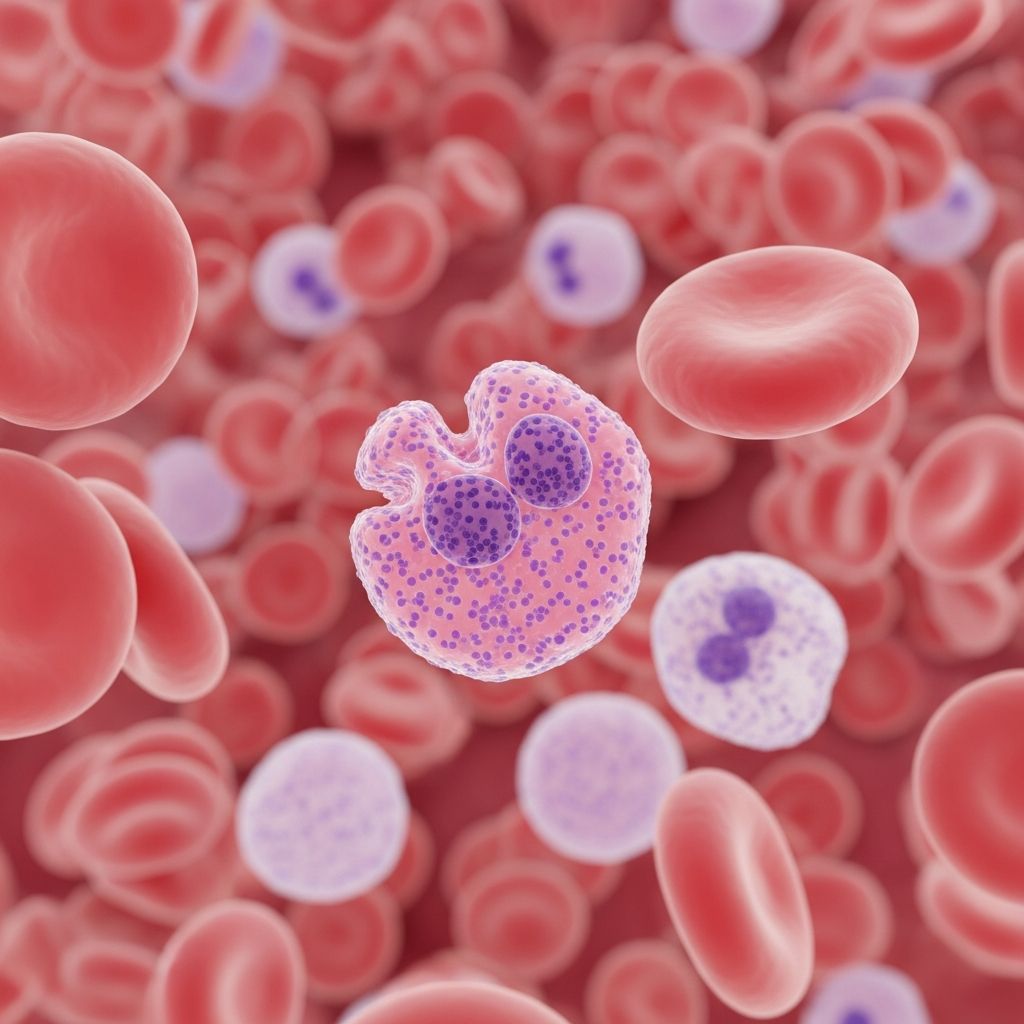
Neutropenia occurs when the body maintains insufficient levels of neutrophils, a vital type of white blood cell essential for combating bacterial and fungal infections. This condition heightens susceptibility to infections, which can range from mild to life-threatening, particularly in severe cases where neutrophil counts drop below 500 per microliter. Understanding neutropenia is crucial for those undergoing treatments like chemotherapy or managing chronic immune disorders, as timely intervention can significantly mitigate risks.
The Role of Neutrophils in Immune Defense
Neutrophils represent the most abundant granulocytes in human blood, comprising 50-70% of all white blood cells, and serve as the first line of defense against invading pathogens. These cells rapidly migrate to infection sites, where they engulf and destroy microorganisms through phagocytosis, releasing antimicrobial substances and forming neutrophil extracellular traps (NETs) to contain threats. An absolute neutrophil count (ANC) below 1500 per microliter defines neutropenia, with severe forms under 500/microL posing the greatest danger.
In healthy individuals, bone marrow continuously produces neutrophils, which circulate for mere hours before tissue deployment, ensuring constant immune vigilance. Disruptions in this production or accelerated destruction lead to neutropenia, impairing the innate immune response and allowing opportunistic infections to flourish.
Types and Severity Levels of Neutropenia
Neutropenia manifests in diverse forms based on duration, origin, and severity. Acute neutropenia arises suddenly, often from transient causes like infections or medications, while chronic cases persist beyond three months, frequently linked to genetic or autoimmune factors. Congenital neutropenia, present from birth, includes rare syndromes such as cyclic neutropenia—characterized by 21-day neutrophil oscillations—or Shwachman-Diamond syndrome, affecting bone marrow function.
- Mild: ANC 1000-1500/microL; minimal infection risk.
- Moderate: ANC 500-1000/microL; increased vulnerability to bacterial infections.
- Severe: ANC <500/microL; high risk of life-threatening sepsis.
Acquired neutropenia dominates in adults, often secondary to cancer therapies, contrasting with primary forms rooted in inherent marrow defects.
Common Causes and Risk Factors
Multiple mechanisms underlie neutropenia, broadly categorized as production deficits, increased destruction, or excessive consumption. Chemotherapy and radiation top the list, affecting up to 50% of recipients by suppressing bone marrow activity. Viral infections like hepatitis or HIV, alongside bacterial overloads such as sepsis, trigger secondary neutropenia via immune-mediated clearance.
Autoimmune processes, prevalent in conditions like lupus or Felty syndrome (rheumatoid arthritis with splenomegaly), generate anti-neutrophil antibodies that destroy these cells in the spleen or marrow. Genetic mutations in genes like CYBB (chronic granulomatous disease) or CXCR4 (WHIM syndrome) cause congenital variants, impairing neutrophil function or retention. Other culprits include hypersplenism, nutritional deficiencies (e.g., vitamin B12), and idiopathic chronic neutropenia without identifiable triggers.
| Cause Category | Examples | Mechanism |
|---|---|---|
| Cancer Treatments | Chemotherapy, radiation | Bone marrow suppression |
| Infections | Viral (HIV), bacterial sepsis | Neutrophil consumption/destruction |
| Autoimmune | Lupus, Felty syndrome | Antibody-mediated lysis |
| Congenital | Cyclic, Shwachman-Diamond | Genetic production defects |
Recognizing Symptoms and Complications
Neutropenia itself is often asymptomatic, detected incidentally via blood work, but ensuing infections signal its presence. Common manifestations include recurrent fevers, oral ulcers, sore throat, skin abscesses, gum inflammation, and prolonged colds. In severe neutropenia, pneumonia, urinary tract infections, or cellulitis can escalate rapidly to sepsis, demanding immediate care.
Chronic forms may present with fatigue from repeated illnesses, while congenital types in children often feature mouth sores and skin issues early in life. Monitoring for fever above 100.4°F (38°C) is critical, as it may indicate neutropenic fever—a medical emergency.
Related Stories



Diagnosis: From Blood Tests to Advanced Evaluation
Diagnosis hinges on complete blood count (CBC) with differential to calculate ANC: ANC = (% neutrophils + % bands) × total WBC count. Values under 1500/microL prompt further investigation. Bone marrow biopsy assesses production capacity, revealing hypoplasia or infiltration in primary cases.
Flow cytometry detects anti-neutrophil antibodies in autoimmune neutropenia, while genetic testing confirms congenital etiologies like ELANE mutations in severe congenital neutropenia. Serial CBCs track cyclic patterns, and cultures identify concurrent infections. Differential diagnosis excludes pseudoneutropenia from lab artifacts or marginalation.
Treatment Approaches and Management Strategies
Treatment targets the root cause while supporting neutrophil recovery and preventing infections. For chemotherapy-induced neutropenia, colony-stimulating factors (CSFs) like filgrastim (G-CSF) stimulate marrow production, reducing duration and severity. Immunosuppressants such as corticosteroids or rituximab address autoimmune destruction.
Splenectomy may benefit hypersplenism-related cases, and antibiotics prophylactically guard against bacterial threats in profound neutropenia. Congenital severe forms often require chronic G-CSF or, in high-risk mutations, stem cell transplantation. Supportive care emphasizes hydration, nutrition, and avoiding live vaccines.
Prevention: Safeguarding Against Infections
Patients must adopt stringent precautions during neutropenic phases. Key measures include:
- Frequent handwashing with soap for 20 seconds.
- Avoiding crowds, sick individuals, and raw/undercooked foods.
- Maintaining oral hygiene to prevent ulcers.
- Wearing masks in high-risk settings and ensuring pets are parasite-free.
Caregivers should monitor for early infection signs, promoting a clean environment and prompt reporting of symptoms. Vaccinations (non-live) prior to treatment enhance baseline protection.
Living with Neutropenia: Long-Term Outlook
Prognosis varies widely: mild acquired forms resolve with cause elimination, while congenital severe neutropenia carries risks of myelodysplasia or leukemia transformation. Regular hematology follow-up, lifestyle adjustments, and patient education optimize quality of life. Many with autoimmune or post-chemotherapy neutropenia achieve full recovery, underscoring vigilant management.
Frequently Asked Questions (FAQs)
What is the normal neutrophil count?
Normal ANC ranges from 1500-8000 per microliter; below 1500 indicates neutropenia.
Can neutropenia be cured?
Many cases resolve by treating the underlying cause, like stopping offending drugs, though congenital types require lifelong management.
Is neutropenia contagious?
No, it stems from internal blood production issues, not transmissible.
How long does chemotherapy neutropenia last?
Typically 7-14 days post-treatment, aided by growth factors.
Should I avoid hospitals if neutropenic?
Use precautions like masks; seek care immediately for fevers.
References
- Neutropenia Defined — American Academy of Allergy, Asthma & Immunology. 2024-07-08. https://www.aaaai.org/tools-for-the-public/allergy,-asthma-immunology-glossary/neutropenia-defined
- Neutropenia Fact Sheet — Yale Medicine. Accessed 2026. https://www.yalemedicine.org/conditions/neutropenia
- Neutropenia – StatPearls — NCBI Bookshelf / StatPearls Publishing. 2023. https://www.ncbi.nlm.nih.gov/books/NBK507702/
- Neutropenia: What It Is, Types, Symptoms & Causes — Cleveland Clinic. 2023-11-27. https://my.clevelandclinic.org/health/diseases/21058-neutropenia
- Neutropenia: A Vulnerable Time for Infections — University of Rochester Medical Center. Accessed 2026. https://www.urmc.rochester.edu/encyclopedia/content?ContentTypeID=34&ContentID=21859-1
- Neutropenia — American Academy of Family Physicians. 2025. https://www.aafp.org/pubs/afp/issues/2025/1200/patient-information-neutropenia.html
Similar Articles








Read full bio of Sneha Tete