Neutrophilia: Causes, Symptoms, Diagnosis & Treatment
Understanding neutrophilia: When your body produces too many infection-fighting white blood cells.
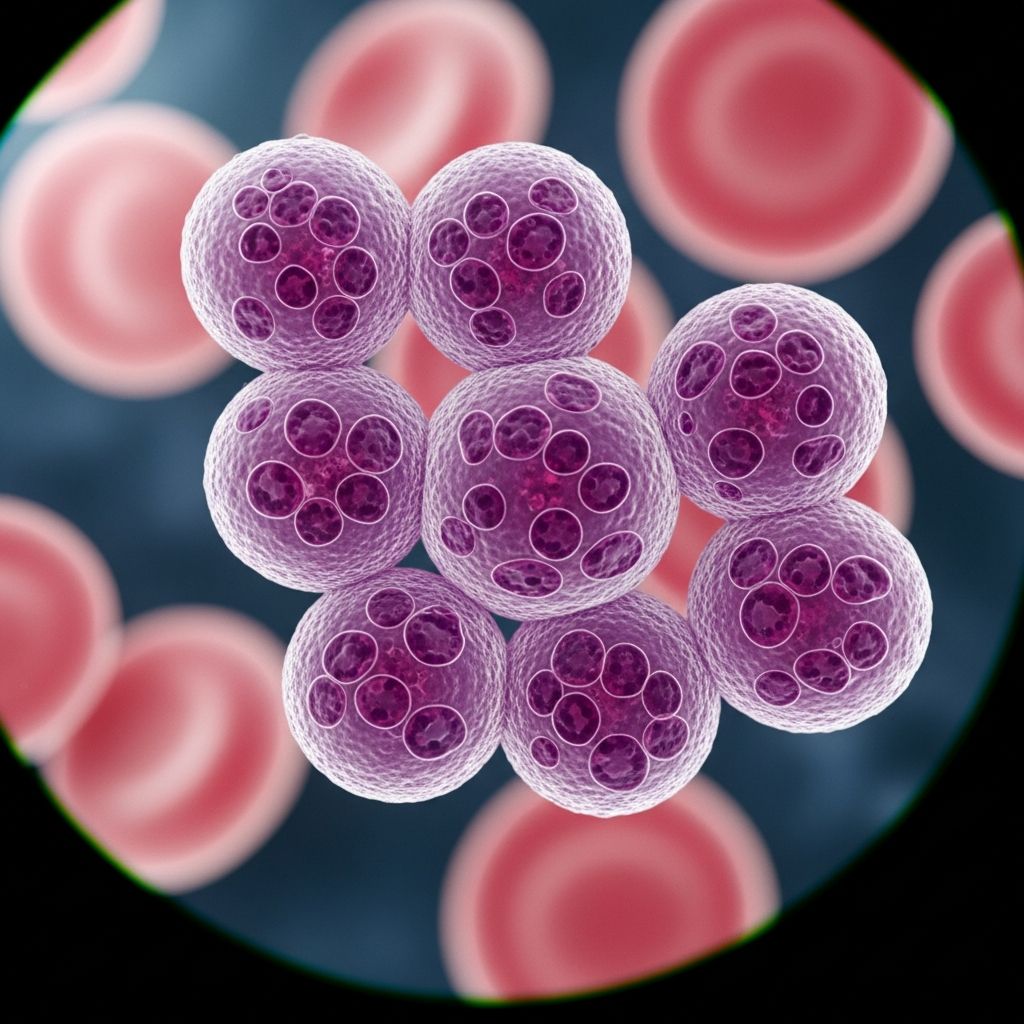
What Is Neutrophilia?
Neutrophilia is a medical condition in which your body produces an abnormally high number of neutrophils, a critical type of white blood cell responsible for fighting off infections. Neutrophils serve as your body’s first line of defense against bacterial infections and other pathogens that threaten your health. When you have neutrophilia, your neutrophil count exceeds the normal range, which can indicate an underlying health issue that requires medical attention.
Neutrophils are part of your immune system and work continuously to protect you from harmful invaders. However, when your body produces too many of these cells, it often signals that something else is happening in your body—whether it’s an infection, inflammation, stress, or a more serious medical condition. Understanding neutrophilia is essential for recognizing when you should seek medical care and what steps to take for proper management.
Understanding Normal Neutrophil Counts
To understand neutrophilia, it’s important to know what constitutes a normal neutrophil count. Your normal neutrophil level can vary based on several factors, including your age, overall health, and individual physiology. Generally, a normal neutrophil level ranges from 1,450 to 7,500 neutrophils per microliter of blood.
When your neutrophil count exceeds 7,500 neutrophils per microliter, you have neutrophilia. Additionally, if your total white blood cell count goes above 11,000 cells per microliter, you have a condition called leukocytosis, which is often accompanied by neutrophilia. These measurements are typically obtained through blood tests that your healthcare provider orders.
Symptoms of Neutrophilia
Interestingly, neutrophilia itself typically does not produce specific symptoms on its own. The condition is often discovered incidentally during routine blood work or when your healthcare provider orders tests for other reasons. However, a high white blood cell count may indicate underlying medical conditions that can cause their own set of symptoms.
When neutrophilia is present, any symptoms you experience are usually related to the underlying cause rather than the elevated neutrophil count itself. The symptoms you might experience could include:
- Fever and chills
- Fatigue and weakness
- Persistent infections
- Inflammation or swelling
- Joint or muscle pain
- Unexplained weight loss
- Night sweats
- Shortness of breath
If you experience any of these symptoms along with an elevated neutrophil count, it’s important to consult with your healthcare provider to determine the underlying cause and appropriate treatment.
Common Causes of Neutrophilia
Neutrophilia can develop for various reasons, ranging from temporary and benign causes to more serious medical conditions. Understanding the potential causes can help you and your healthcare provider identify the underlying issue and develop an appropriate treatment plan.
Infections
One of the most common causes of neutrophilia is infection. Your body naturally increases neutrophil production when fighting bacterial, viral, or fungal infections. This is a normal immune response as your body attempts to combat the invading pathogen. Bacterial pneumonia, abscess formation, and other acute infections frequently trigger elevated neutrophil counts.
Related Stories



Inflammation and Autoimmune Conditions
Inflammatory conditions and autoimmune disorders can cause your body to produce elevated levels of neutrophils. Conditions such as rheumatoid arthritis, inflammatory bowel disease, and other autoimmune diseases stimulate neutrophil production as part of the inflammatory response.
Stress and Physical Exertion
Both physical and emotional stress can temporarily increase neutrophil counts. Intense exercise, surgery, or significant emotional stress may cause your body to release more neutrophils into the bloodstream as part of your stress response.
Leukemia and Blood Disorders
Certain blood cancers and bone marrow disorders, including chronic myeloid leukemia (CML) and acute myeloid leukemia (AML), can cause dramatically elevated neutrophil counts. These conditions require specialized medical evaluation and treatment.
Medications and Treatments
Some medications can increase neutrophil production as a side effect. Additionally, corticosteroid use is known to elevate neutrophil counts. Certain cancer treatments and other medications may also contribute to neutrophilia.
Other Contributing Factors
Additional factors that may elevate neutrophil counts include smoking, recent heart attack, certain hormonal changes, and metabolic conditions.
Diagnosis of Neutrophilia
Diagnosing neutrophilia involves several steps and tests that help your healthcare provider determine both the presence of elevated neutrophils and the underlying cause.
Complete Blood Count (CBC) Test
The primary test used to diagnose neutrophilia is a complete blood count (CBC) with differential. This blood test shows your total white blood cell count and specifies how many of those white blood cells are neutrophils. The CBC is a standard laboratory test that provides detailed information about your blood cell composition.
Physical Examination
Because neutrophilia can indicate underlying medical conditions, healthcare providers typically perform a thorough physical examination. During this examination, your doctor will look for signs of infection, inflammation, or blood disorders. They may check for lymph node enlargement, fever, or other physical indicators of illness.
Additional Testing
Depending on your initial results and clinical presentation, your healthcare provider may order additional tests to identify the underlying cause. These might include blood cultures to check for infection, bone marrow biopsy to evaluate bone marrow function, or imaging studies to detect inflammation or abnormalities.
When to Seek Medical Attention
You should contact your healthcare provider if you experience persistent symptoms that might be associated with elevated neutrophil counts, or if you have risk factors for neutrophilia-related complications. Seek immediate medical attention if you develop high fever, signs of serious infection, severe fatigue, or unexplained bruising or bleeding, as these may indicate a more serious condition requiring urgent evaluation.
Treatment Options
Treatment for neutrophilia depends entirely on the underlying cause. Your healthcare provider will develop a treatment plan targeting the specific condition responsible for your elevated neutrophil count.
Treating Underlying Infections
If neutrophilia results from an infection, your doctor may prescribe antibiotics, antivirals, or antifungal medications depending on the type of infection. Once the infection is treated, your neutrophil count typically normalizes.
Managing Inflammatory Conditions
For autoimmune or inflammatory conditions causing neutrophilia, treatment may include anti-inflammatory medications, immunosuppressants, or other targeted therapies to control inflammation.
Addressing Medication Side Effects
If medications are causing your elevated neutrophil count, your healthcare provider may adjust your dosage, switch you to an alternative medication, or discontinue the problematic drug if possible.
Specialized Treatment for Blood Disorders
If neutrophilia results from leukemia or other blood cancers, your doctor may recommend chemotherapy, targeted therapy, radiation, or stem cell transplantation depending on the specific diagnosis and severity.
Relationship Between Neutrophilia and Heart Health
Recent research has revealed important connections between neutrophil-to-lymphocyte ratio (NLR) and cardiac outcomes. Studies have shown that elevated NLR is associated with increased mortality risk in patients with advanced heart failure, suggesting that neutrophil counts may serve as a prognostic indicator in cardiac disease. This finding highlights how neutrophil counts can reflect broader health status beyond simple infection response.
Lifestyle Modifications and Prevention
While you cannot prevent neutrophilia entirely, certain lifestyle choices may help support healthy immune function and reduce the risk of infections that trigger elevated neutrophil production:
- Maintain good hygiene practices including regular handwashing
- Get adequate sleep and manage stress effectively
- Eat a balanced diet rich in nutrients that support immune health
- Avoid smoking and limit alcohol consumption
- Exercise regularly but avoid excessive overtraining
- Stay up-to-date with vaccinations
- Avoid close contact with people who are ill
Prognosis and Outlook
The prognosis for neutrophilia depends on the underlying cause. If neutrophilia results from a temporary infection or stress, your neutrophil count typically returns to normal once the triggering factor is resolved. For conditions like infections, treatment usually leads to normalization of neutrophil levels within days to weeks.
However, if neutrophilia stems from chronic conditions like autoimmune diseases or blood cancers, management may require ongoing medical attention and monitoring. Your healthcare provider will work with you to develop a long-term treatment plan that addresses your specific condition and helps you maintain the best possible health outcomes.
Frequently Asked Questions About Neutrophilia
Q: Is neutrophilia dangerous?
A: Neutrophilia itself is not directly dangerous, but it indicates an underlying condition that may require treatment. The danger depends on what’s causing the elevated neutrophil count. Some causes are minor and self-resolving, while others may be serious and require medical intervention.
Q: Can stress cause neutrophilia?
A: Yes, both physical and emotional stress can temporarily increase neutrophil counts as part of your body’s stress response. Once the stress is relieved and your body recovers, neutrophil levels typically return to normal.
Q: How long does it take for neutrophil counts to return to normal?
A: The time required depends on the underlying cause. For infections, it may take days to weeks after treatment begins. For stress-related elevation, it may normalize within hours to days. For chronic conditions, ongoing management may be necessary.
Q: Does neutrophilia require treatment?
A: Neutrophilia itself doesn’t require direct treatment, but the underlying cause does. Your healthcare provider will focus on treating the condition responsible for the elevated neutrophil count, which typically results in normalization of neutrophil levels.
Q: Can I lower my neutrophil count at home?
A: While lifestyle modifications can support overall health, you cannot directly lower neutrophil counts at home. Treatment must target the underlying cause, which requires medical evaluation and professional guidance from your healthcare provider.
Q: What’s the difference between neutrophilia and leukocytosis?
A: Neutrophilia specifically refers to elevated neutrophils, while leukocytosis refers to elevated total white blood cell count. You can have neutrophilia without leukocytosis if only neutrophils are elevated, but leukocytosis often includes neutrophilia.
References
- Usefulness of Neutrophil-to-Lymphocyte Ratio in Risk Stratification of Patients With Advanced Heart Failure — National Institutes of Health, National Center for Biotechnology Information. 2014-12-01. https://www.ncbi.nlm.nih.gov/pmc/articles/PMC4262659/
- What Are Neutrophils? — Cleveland Clinic. 2024. https://my.clevelandclinic.org/health/body/22313-neutrophils
- White Blood Cells: Types, Function & Normal Ranges — Cleveland Clinic. 2024. https://my.clevelandclinic.org/health/body/21871-white-blood-cells
- Neutrophil Dysfunction — Cleveland Clinic Journal of Medicine. 2024. https://www.ccjm.org/content/53/3/299
- Neutropenia: What it Is, Types, Symptoms & Causes — Cleveland Clinic. 2024. https://my.clevelandclinic.org/health/diseases/21058-neutropenia
- Agranulocytosis: Symptoms, Causes & Treatment — Cleveland Clinic. 2024. https://my.clevelandclinic.org/health/diseases/15262-agranulocytosis
Similar Articles








Read full bio of Sneha Tete