Neutrophilic Dermatoses: Recognition, Diagnosis, Treatment
Emergent management of autoinflammatory skin disorders with neutrophilic infiltrates in dermatological emergencies.
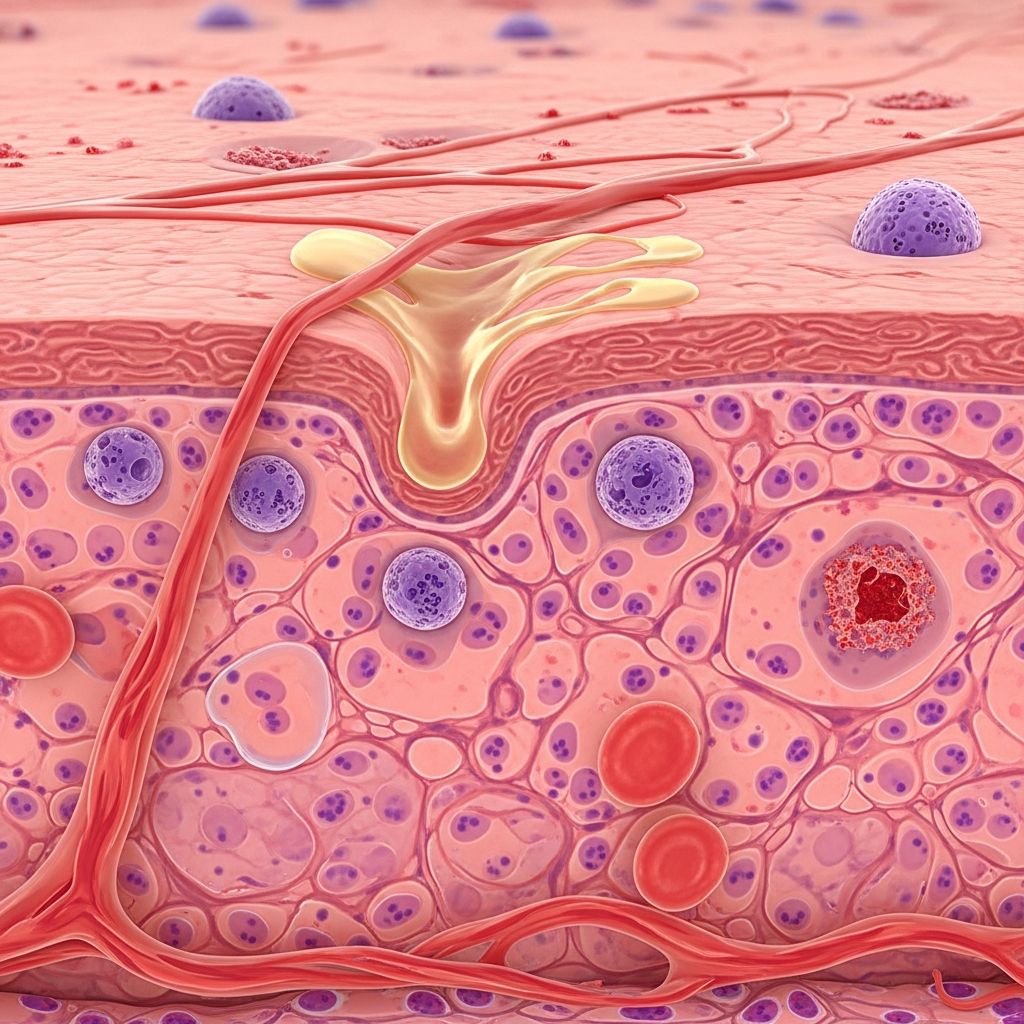
Neutrophilic dermatoses represent a group of autoinflammatory conditions characterized by sterile infiltrates of neutrophils in the skin, often presenting as dermatological emergencies due to rapid onset, pain, and potential systemic involvement. These disorders, including
Sweet syndrome
(acute febrile neutrophilic dermatosis),pyoderma gangrenosum
, and others, require prompt recognition and management to prevent complications like scarring or extracutaneous spread.What are the neutrophilic dermatoses?
Neutrophilic dermatoses are a spectrum of inflammatory skin diseases defined by dense dermal or epidermal neutrophilic infiltration without evidence of infection. They share histopathological features of neutrophilic abscesses but differ clinically: some are vesiculopustular (e.g., Behçet syndrome), others plaque-like (Sweet syndrome), or ulcerative (pyoderma gangrenosum). Pathogenesis involves dysregulated innate immunity, with cytokines like IL-1, IL-17, and TNF-α driving neutrophil recruitment. Associations include malignancies (20-30% of cases), inflammatory bowel disease (IBD), infections, drugs, and idiopathic forms.
Who gets neutrophilic dermatoses?
These conditions affect adults primarily (peak 30-60 years), with female predominance in Sweet syndrome (F:M 4:1). Pyoderma gangrenosum often links to IBD or arthritis in younger patients. Risk factors include hematologic malignancies (AML in Sweet syndrome), autoimmune diseases, and pregnancy. Pediatric cases are rare but reported in autoinflammatory syndromes.
Clinical features of neutrophilic dermatoses
Presentations vary by subtype but commonly feature tender, erythematous lesions with fever, arthralgia, or pathergy (lesion worsening with trauma).
- Sweet Syndrome: Abrupt tender red-violet papules/plaques on face, neck, upper trunk/extremities; pseudovesiculation; fever, neutrophilia.
- Pyoderma Gangrenosum (PG): Painful pustule/nodule rapidly ulcerating with violaceous, undermined borders; classic ulcerative (85%), bullous, vegetative variants; pathergy classic.
- Others: Erythema elevatum diutinum (chronic plaques on extensors), neutrophilic eccrine hidradenitis (chemotherapy-related), bowel-associated dermatosis-arthritis syndrome.
Complications of neutrophilic dermatoses
Untreated, lesions scar, ulcerate deeply, or disseminate extracutaneously (lungs, eyes, bones in Sweet syndrome). PG risks squamous cell carcinoma in chronic ulcers. Systemic involvement includes sterile neutrophilic infiltrates in viscera, mimicking infection.
Diagnosis of neutrophilic dermatoses
Diagnosis integrates clinical, laboratory, and histopathologic findings. Exclude infection via cultures/biopsy.
| Feature | Sweet Syndrome | Pyoderma Gangrenosum |
|---|---|---|
| Histology | Dense upper dermal neutrophils, papillary edema, no vasculitis | Ulcer base: neutrophils, mixed infiltrate; no organisms |
| Labs | Leukocytosis, ↑ESR/CRP | Variable; screen for IBD/malignancy |
| Key Diagnostic Criteria | 2 major (lesions, histology) + 2 minor (fever, neutrophilia) | Clinical + biopsy excluding others |
Skin biopsy is mandatory, showing sterile neutrophilic infiltrates. Immunofluorescence rules out vasculitis.
Treatment of neutrophilic dermatoses
Urgent systemic therapy targets inflammation; address underlying disease (e.g., malignancy, IBD). First-line:
corticosteroids
(prednisone 0.5-1.5 mg/kg/day, taper over 3-6 weeks).Sweet Syndrome Treatment
- First-line: Prednisone 0.5-1.5 mg/kg/day; rapid response in days.
- Alternatives: Colchicine 0.5 mg TID, potassium iodide 300 mg TID, NSAIDs.
- Refractory: Dapsone, cyclosporine, biologics (infliximab, anakinra).
Pyoderma Gangrenosum Treatment
Local wound care essential (avoid debridement due to pathergy). Systemic:
- Corticosteroids: Prednisone 1 mg/kg/day.
- Immunosuppressants: Cyclosporine, azathioprine, mycophenolate.
- Antibiotics: Tetracyclines, clindamycin-rifampin for anti-inflammatory effect.
- Biologics: Infliximab (90% response in trials), adalimumab (FDA-approved), etanercept.
General Supportive Measures
- Analgesia, antipyretics.
- Topical CS/tacrolimus for mild cases.
- Monitor for steroid side effects; taper slowly.
Related Stories



Differential diagnosis
| Condition | Distinguishing Features |
|---|---|
| Erythema nodosum | Panniculitis; painful subcutaneous nodules on shins; septal inflammation |
| Infectious cellulitis | Fever, leukocytosis; cultures positive; responds to antibiotics |
| Leukocytoclastic vasculitis | Palpable purpura; fibrinoid necrosis, leukocytoclasia on biopsy |
| Factitial dermatitis | Angulated ulcers; pathergy-like; psychiatric history |
| Calciphylaxis | Retiform purpura; ESRD; vessel calcification |
Frequently Asked Questions (FAQs)
What causes neutrophilic dermatoses?
Idiopathic or triggered by malignancy, infections, drugs, or autoimmune diseases; cytokine dysregulation key.
How is Sweet syndrome diagnosed?
Clinical tetrad: fever, neutrophilia, tender plaques, biopsy-confirmed dermal neutrophils.
Is pyoderma gangrenosum contagious?
No, sterile inflammatory ulcer; biopsy excludes infection.
What is the prognosis?
Excellent with prompt treatment; recurrences in 30-50%, especially malignancy-associated.
Can biologics cure PG?
Induce remission (e.g., infliximab 90% response); not curative, maintenance often needed.
Emergencies in neutrophilic dermatoses
Rapid progression, systemic symptoms, or extracutaneous involvement (e.g., pulmonary Sweet syndrome) warrants hospitalization. Multidisciplinary approach: dermatology, rheumatology, gastroenterology for IBD-associated cases.
This overview equips clinicians for emergent recognition and intervention, emphasizing biopsy and systemic CS as cornerstones.
References
- Acute Febrile Neutrophilic Dermatosis — Merck Manual Professional Edition. 2023. https://www.merckmanuals.com/professional/dermatologic-disorders/hypersensitivity-and-reactive-skin-disorders/acute-febrile-neutrophilic-dermatosis
- Treatment Strategies in Neutrophilic Dermatoses — PubMed Central (PMC). 2023-10-29. https://pmc.ncbi.nlm.nih.gov/articles/PMC10649056/
- Acute Febrile Neutrophilic Dermatosis (Sweet syndrome) — MD Searchlight. 2024. https://mdsearchlight.com/skin-problems-and-treatments/acute-febrile-neutrophilic-dermatosis-sweet-syndrome-gomm-button-disease/
- Sweet Syndrome — Cleveland Clinic. 2023. https://my.clevelandclinic.org/health/diseases/17725-sweet-syndrome
- Neutrophilic Dermatoses — DermNet NZ. 2024. https://dermnetnz.org/topics/neutrophilic-dermatoses
Similar Articles








Read full bio of medha deb