Neutrophilic Dermatoses: Causes, Diagnosis, Treatment Guide
Exploring autoinflammatory skin disorders defined by sterile neutrophilic infiltrates and diverse clinical presentations.
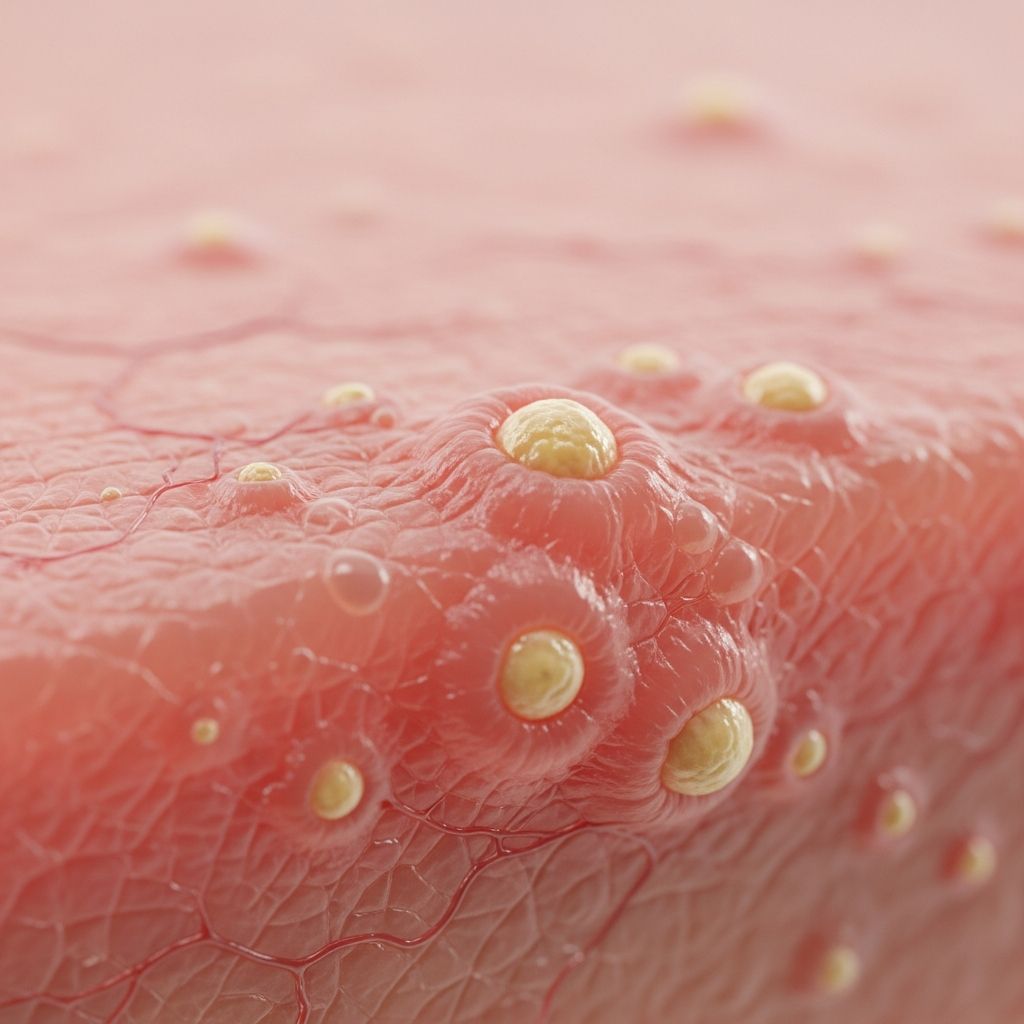
Neutrophilic dermatoses represent a heterogeneous group of autoinflammatory skin conditions characterized by dense infiltration of neutrophils in the affected tissue without evidence of infection. These disorders often associate with systemic diseases and exhibit diverse clinical presentations ranging from papules and plaques to ulcers and pustules.
What are neutrophilic dermatoses?
Neutrophilic dermatoses are unified by a sterile neutrophilic infiltrate on histopathology, despite varied cutaneous manifestations. The location of the infiltrate—epidermal, dermal, or subcutaneous—along with clinical appearance and chronicity, distinguishes individual entities. They can occur on a spectrum, with examples including Sweet syndrome (acute febrile neutrophilic dermatosis), pyoderma gangrenosum, Behçet’s disease, and neutrophilic eccrine hidradenitis.
These conditions arise from dysregulated innate immunity, where neutrophils accumulate in skin layers due to cytokine-driven inflammation. Superficial forms affect the epidermis, while deep variants involve dermis or subcutis, leading to abscesses or ulceration.
Who gets neutrophilic dermatoses?
Neutrophilic dermatoses affect individuals across ages but show predispositions. Sweet syndrome classically occurs in women aged 30-60 years, often idiopathic or malignancy-associated. Pyoderma gangrenosum links to inflammatory bowel disease, rheumatoid arthritis, or hematologic disorders, peaking in young to middle-aged adults. Pediatric cases, though rarer, include infantile-onset forms tied to genetic autoinflammatory syndromes.
Risk factors include underlying infections, malignancies (e.g., AML), autoimmune diseases, and medications like granulocyte colony-stimulating factor (G-CSF). Genetic predispositions involve mutations in genes like PSTPIP1 in pyoderma gangrenosum with immunodeficiency.
Causes
The pathogenesis involves aberrant neutrophil activation, often triggered by external or internal stimuli. Key categories include:
- Idiopathic/classic: No identifiable trigger, comprising about 70% of Sweet syndrome cases.
- Drug-induced: Common culprits are G-CSF, tyrosine kinase inhibitors, and antineoplastics, as in neutrophilic eccrine hidradenitis.
- Malignancy-associated: Up to 20-25% of cases, especially solid tumors or leukemias.
- Infection or inflammatory-associated: Upper respiratory infections, IBD, rheumatoid arthritis, pregnancy.
Cytokines like IL-1, IL-17, and TNF-α drive neutrophil recruitment, with genetic factors amplifying responses in susceptible individuals.
Types of neutrophilic dermatoses
Classification relies on infiltrate depth and morphology:
Superficial neutrophilic dermatoses
- Subcorneal pustular dermatosis (Sneddon-Wilkinson disease): Flaccid, sterile pustules on trunk and flexures, associated with IgA paraproteinemia or IBD. Histology shows subcorneal neutrophil collections without spongiosis.
- Intercellular IgA dermatosis: Similar to subcorneal pustular dermatosis but with IgA deposits.
- Amicrobial pustulosis of the folds: Pustules in intertriginous areas, often with autoimmune disorders.
Deep neutrophilic dermatoses
- Sweet syndrome (acute febrile neutrophilic dermatosis): Tender erythematous plaques, fever, neutrophilia. Variants: bullous, pustular, subcutaneous.
- Pyoderma gangrenosum: Painful ulcers with violaceous undermined borders, pathergy. Starts as pustules or nodules progressing to necrosis.
- Neutrophilic dermatosis of the dorsal hands: Abscess-like nodules on hands, mimicking infection; vasculitis on biopsy.
Other variants
- Neutrophilic eccrine hidradenitis: Edematous plaques on trunk, linked to chemotherapy; peri-eccrine neutrophils.
- Erythema elevatum diutinum: Chronic plaques on extensors with leukocytoclastic vasculitis evolving to fibrosis.
- Behçet’s disease: Oral/genital ulcers, pathergy, systemic involvement with neutrophilic vasculitis.
Clinical features
Presentations vary by type but share acute onset, tenderness, and systemic symptoms like fever, arthralgia, malaise.
| Condition | Key Features | Common Sites |
|---|---|---|
| Sweet Syndrome | Painful red plaques/nodules, pustules, fever | Face, neck, arms |
| Pyoderma Gangrenosum | Ulcers with undermined edges, pathergy | Legs, peristomal |
| Neutrophilic Eccrine Hidradenitis | Edematous plaques, post-chemotherapy | Trunk, extremities |
| Dorsal Hands Variant | Bluish nodules, blisters, ulceration | Hands (dorsum) |
Extracutaneous involvement: eyes (conjunctivitis, uveitis), mouth (aphthae), lungs, bones.
Related Stories



Diagnosis
Diagnosis combines clinical, laboratory, and histologic findings. For Sweet syndrome, major criteria include abrupt tender plaques and dermal neutrophilic infiltrate without vasculitis; minor criteria: fever >38°C, neutrophilia, elevated ESR/CRP, steroid response.
Biopsy is essential: dense neutrophils, papillary edema, no organisms. Rule out infection/malignancy with cultures, blood work, imaging.
Neutrophilic dermatosis of the hands
This localized variant features bluish-grey nodules or blisters on dorsal hands, thumbs, or palms, often ulcerating. Previously termed ‘pustular vasculitis,’ it shows neutrophilic infiltrate with vasculitis. It may herald systemic disease like leukemia; full blood count is crucial.
Treatment
Treatment targets underlying causes and suppresses inflammation:
- First-line: Systemic corticosteroids (prednisone 0.5-1 mg/kg/day), rapid response expected.
- Alternatives: Potassium iodide, colchicine, dapsone for steroid-sparing.
- Refractory cases: Cyclosporine, TNF inhibitors (infliximab), IL-1 blockers (anakinra).
- Topical: Potent steroids for mild/localized disease.
- Specific: Address malignancy, infection, or IBD.
Wound care for ulcerative forms like pyoderma gangrenosum; avoid debridement due to pathergy.
Outcome
Most respond well to therapy, but relapses occur in 30-50% of Sweet syndrome, especially malignancy-associated. Chronic forms like erythema elevatum diutinum may persist years. Prognosis ties to underlying disease; monitor for extracutaneous complications.
Frequently Asked Questions (FAQs)
What causes neutrophilic dermatoses?
Triggers include infections, drugs, malignancies, or idiopathic; pathogenesis involves cytokine-mediated neutrophil activation.
Is Sweet syndrome contagious?
No, it is a sterile inflammatory condition, not infectious.
How is pyoderma gangrenosum diagnosed?
By clinical features, exclusion of infection/malignancy, and biopsy showing neutrophilic infiltrate.
Can neutrophilic dermatoses affect children?
Yes, though rarer; pediatric forms often link to autoinflammatory syndromes.
What is the prognosis for neutrophilic dermatosis of the hands?
Good with treatment, but investigate for systemic associations like blood dyscrasias.
References
- Febrile Neutrophilic Dermatosis (Sweet’s syndrome) — Patient.info. 2023-10-15. https://patient.info/doctor/dermatology/febrile-neutrophilic-dermatosis
- Neutrophilic Dermatoses: a Clinical Update — PubMed Central (PMC). 2022-03-15. https://pmc.ncbi.nlm.nih.gov/articles/PMC8924564/
- Sweet Syndrome – Symptoms, Causes, Treatment — National Organization for Rare Disorders (NORD). 2024-01-10. https://rarediseases.org/rare-diseases/sweet-syndrome/
- Overview of Neutrophilic Biology, Pathophysiology — BINASSS (PDF). 2024-04-01. https://www.binasss.sa.cr/abr24/29.pdf
- Neutrophilic dermatosis of the hands — DermNet NZ. 2023-08-20. https://dermnetnz.org/topics/neutrophilic-dermatosis-of-the-hands
Similar Articles








Read full bio of Sneha Tete