Nevirapine for HIV: Treatment, Use & Benefits
Complete guide to nevirapine (Viramune) for HIV management and immune system support.
Nevirapine for HIV
Nevirapine is an antiretroviral medicine used to manage and treat human immunodeficiency virus (HIV) infection. This medication slows the progress of HIV infection and helps improve your immune system, making it an important component of combination antiretroviral therapy. While nevirapine is not a cure for HIV or AIDS, it plays a critical role in reducing viral load and preventing the development of AIDS-related complications. Understanding how this medication works, how to use it properly, and what side effects to expect is essential for anyone prescribed this treatment.
About Nevirapine
| Medication Details | Information |
|---|---|
| Type of Medicine | Non-nucleoside reverse transcriptase inhibitor (NNRTI) antiretroviral medicine |
| Used For | Human immunodeficiency virus (HIV) infection in adults and children |
| Also Called | Viramune® |
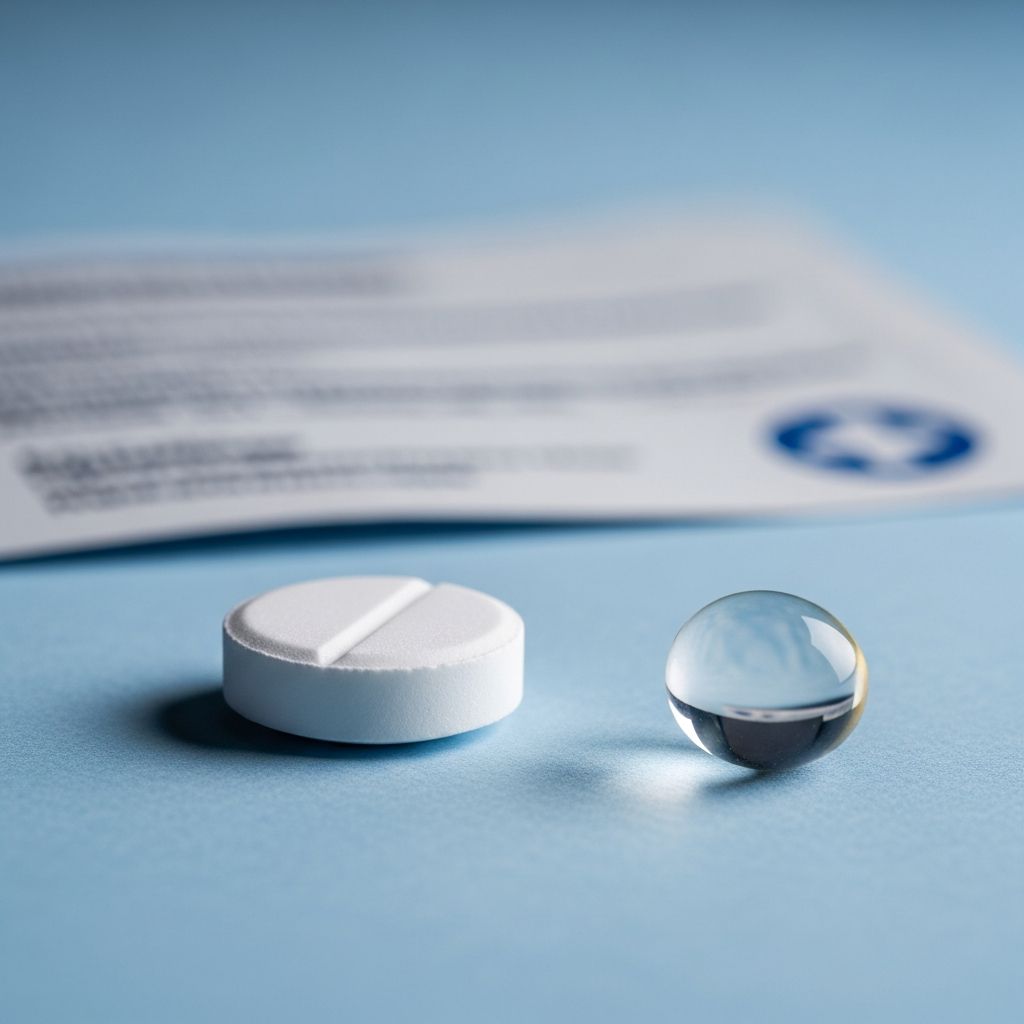
| Available As | Immediate-release tablets, prolonged-release tablets, and oral liquid medicine |
Nevirapine is classified as a non-nucleoside reverse transcriptase inhibitor (NNRTI). This class of antiretroviral medicines works by interfering with the enzyme reverse transcriptase, which HIV uses to replicate itself within infected cells. By blocking this critical enzyme, nevirapine reduces the amount of virus circulating in your bloodstream and helps preserve the function of your immune system.
How HIV Affects the Body
To understand how nevirapine works, it is important to first understand how HIV affects your health. HIV destroys cells in the body called CD4 T cells, which are a type of white blood cell and are crucial for protecting your body from infection. These cells are at the front lines of your immune system’s defense against bacteria, viruses, and other pathogens.
When HIV infection goes untreated, the virus progressively weakens your immune system, leaving your body unable to defend itself effectively against opportunistic infections and diseases. This deterioration can lead to the development of acquired immune deficiency syndrome (AIDS), a condition characterized by severe immunosuppression and vulnerability to serious infections and certain cancers.
How Nevirapine Works
Nevirapine works by blocking the reverse transcriptase enzyme, an enzyme produced by HIV-1 that allows the virus to reproduce itself in the cells it has infected. By inhibiting this essential enzyme, nevirapine prevents the virus from making copies of itself, thereby reducing the viral load in your body.
When taken in combination with at least two other antiviral medicines, nevirapine reduces the amount of HIV-1 in the blood and keeps it at a low level. This combination approach is crucial because using multiple medications with different mechanisms of action is far more effective than using a single drug alone. The combination helps prevent the development of drug-resistant strains of HIV, which can occur when the virus is exposed to a single medication over time.
By slowing down the progress of HIV infection, nevirapine helps hold off damage to the immune system and prevents the development of infections and diseases associated with AIDS. However, it is important to understand that nevirapine does not cure HIV-1 infection or AIDS, nor does it prevent transmission of the virus to other people.
Dosage and Administration
Nevirapine is available in multiple formulations to accommodate different treatment regimens and patient preferences. The dosage prescribed will depend on several factors, including your age, weight, kidney and liver function, and whether you are starting treatment for the first time or switching from another regimen.
Related Stories



For adults initiating treatment with extended-release tablets, a typical regimen involves starting with one 200 mg immediate-release tablet once daily for the first 14 days (known as the lead-in period). This gradual introduction helps reduce the risk of serious skin reactions and other adverse effects. Following this lead-in period, patients typically switch to one 400 mg extended-release tablet once daily, taken in combination with other HIV medicines.
Nevirapine must always be taken as part of a combination antiretroviral regimen and should never be used as a monotherapy. Your healthcare provider will determine the most appropriate dosage and formulation for your individual circumstances and will monitor your response to treatment through regular blood tests and clinical assessments.
Important Safety Information
Nevirapine has been associated with some serious side effects, and your doctor will discuss these with you before you start treatment. Understanding these potential risks is important for your safety and for ensuring you receive appropriate monitoring during therapy.
One significant concern is the risk of hepatotoxicity (liver damage). Treatment-naive patients, particularly women with CD4+ counts greater than 250 cells/mm³, have an elevated risk of developing symptomatic hepatic events with nevirapine therapy. In fact, women in this category can have a 12-fold higher risk compared to other patient populations. Regular liver function tests are essential for monitoring during treatment with nevirapine.
Patients of either gender with detectable HIV-1 RNA in plasma and higher CD4+ counts at the start of nevirapine therapy are at increased risk for hepatic complications. This is why baseline laboratory assessments and regular monitoring are critical components of safe nevirapine therapy.
Clinical Efficacy
Clinical trials have demonstrated the effectiveness of nevirapine in reducing HIV viral load and improving immune function. The majority of recent clinical data regarding nevirapine efficacy have been produced with the immediate-release formulation at doses of 200 mg twice daily, primarily in antiretroviral-naive patients or as a switching strategy.
Several key clinical trials have evaluated nevirapine’s performance:
- VERxVE Trial (2011): In treatment-naive adults (n=1011), nevirapine extended-release achieved HIV-1 RNA concentrations below 50 copies per mL in 81.0% of patients, compared to 75.9% with immediate-release formulation at 48 weeks.
- ARTEN Trial (2011): In 569 treatment-naive adults, nevirapine immediate-release achieved viral suppression in 66.8% of patients, demonstrating comparable efficacy to protease inhibitor-based regimens.
- TRANxITION Trial (2010): When switching experienced patients from immediate-release to extended-release nevirapine, viral suppression was maintained in 88.8% of patients at 48 weeks.
These trials demonstrate that nevirapine, when used as part of appropriate combination antiretroviral therapy, is effective at suppressing HIV replication and maintaining immune function in both treatment-naive and experienced patients.
Side Effects and Tolerability
While nevirapine is generally well-tolerated, patients should be aware of potential adverse effects. The most concerning side effects involve skin reactions and liver function abnormalities. Serious skin reactions, though rare, can occur and may be life-threatening in some cases. These reactions are more common during the first 18 weeks of therapy, particularly during the initial lead-in period.
Liver function abnormalities are also a concern, particularly in patients with high CD4+ counts at baseline. Women with CD4+ counts above 250 cells/mm³ and men with counts above 400 cells/mm³ should receive additional monitoring and counseling about hepatic risk before starting nevirapine therapy.
Additional side effects may include rash, fever, fatigue, nausea, and headache. Most of these effects are mild to moderate and tend to diminish with continued use. However, any persistent or severe symptoms should be reported to your healthcare provider immediately.
Drug Interactions
Nevirapine can interact with many other medications, potentially affecting the effectiveness of either nevirapine or the other drug. Important interactions exist with certain protease inhibitors, oral contraceptives, and other medications that are metabolized by the liver.
Women taking oral contraceptives should use an alternative or additional method of contraception, as nevirapine can reduce the effectiveness of hormonal birth control. It is essential to inform your healthcare provider about all medications, supplements, and herbal products you are taking before starting nevirapine therapy.
Monitoring During Treatment
Regular monitoring is essential for safe and effective nevirapine therapy. Before starting treatment, you will need baseline laboratory tests including liver function tests, CD4+ count, and HIV-1 RNA (viral load) measurements. During the first 18 weeks of therapy—the period of highest risk for serious adverse effects—close clinical and laboratory monitoring is recommended.
Ongoing monitoring typically includes:
- Periodic liver function tests (LFTs)
- CD4+ count measurements
- HIV-1 RNA (viral load) testing
- Assessment of treatment adherence and side effects
- Evaluation for any signs or symptoms of hepatotoxicity or rash
Adherence to Treatment
Strict adherence to your nevirapine regimen is crucial for treatment success. Taking your medication exactly as prescribed—at the correct dose, at the correct time, and in combination with your other antiretroviral medicines—is essential for maintaining viral suppression and preventing the development of drug-resistant HIV.
Missing doses or skipping medication allows HIV to replicate and can lead to the emergence of virus strains that are resistant to nevirapine and potentially to other medications in the same drug class. If you miss a dose, take it as soon as you remember, unless it is almost time for your next scheduled dose. Never double-dose to make up for a missed dose.
Special Populations
Nevirapine is approved for use in both adults and children with HIV infection. However, special considerations apply to certain populations. Pregnant women and patients with hepatitis B or C co-infection require careful evaluation before starting nevirapine, as pregnancy and liver disease can affect both the safety and efficacy of the medication.
The use of nevirapine to prevent mother-to-child transmission of HIV has been established in clinical practice, though this indication requires specialized dosing and monitoring protocols different from those used in standard antiretroviral therapy.
Frequently Asked Questions (FAQs)
Q: Is nevirapine a cure for HIV?
A: No, nevirapine is not a cure for HIV or AIDS. However, when used as part of combination antiretroviral therapy and taken consistently, it can reduce viral load to undetectable levels, improve immune function, prevent progression to AIDS, and allow people with HIV to live long and healthy lives.
Q: Will nevirapine prevent me from transmitting HIV to others?
A: No, nevirapine will not prevent you from spreading HIV to other people. Even with an undetectable viral load, HIV transmission through unprotected sexual contact, sharing needles, or from mother to child during pregnancy and breastfeeding is still possible. You must use protection and inform partners of your status.
Q: How long does it take for nevirapine to work?
A: Nevirapine begins to work relatively quickly after starting treatment, but it can take several weeks to months for viral load to become undetectable and for CD4+ counts to recover significantly. Regular blood tests will monitor your response to treatment.
Q: Can I stop taking nevirapine once my viral load becomes undetectable?
A: No, you must continue taking nevirapine exactly as prescribed, even if your viral load is undetectable. Stopping treatment or missing doses allows HIV to rebound and can lead to the development of drug-resistant strains. Treatment with antiretroviral medications is typically lifelong.
Q: What should I do if I experience a severe rash while taking nevirapine?
A: Severe rash, particularly if accompanied by fever, blistering, or other symptoms, is a serious side effect that requires immediate medical attention. Contact your healthcare provider or seek emergency care if you develop a severe rash. Do not continue taking nevirapine without medical guidance.
Q: Are there any foods or supplements I should avoid while taking nevirapine?
A: While there are no specific foods to avoid, you should inform your healthcare provider about all supplements and herbal products you use, as some may interact with nevirapine. St. John’s Wort, for example, can reduce nevirapine effectiveness and should be avoided.
Q: Can women of childbearing age take nevirapine?
A: Yes, women can take nevirapine, but if you are using oral contraceptives, you must use an alternative or additional form of contraception, as nevirapine reduces the effectiveness of hormonal birth control. If you plan to become pregnant, discuss this with your healthcare provider before conception.
References
- Viramune (European Medicines Agency) — European Medicines Agency. 2024. https://www.ema.europa.eu/en/medicines/human/EPAR/viramune
- Nevirapine for HIV — Patient.info. Last updated August 30, 2022. https://patient.info/medicine/nevirapine-for-hiv-viramune
- Viramune Oral Suspension — NPS MedicineWise. 2024. https://www.nps.org.au/medicine-finder/viramune-tablets
- Nevirapine (Oral Route) – Description and Dosage — Mayo Clinic. 2024. https://www.mayoclinic.org/drugs-supplements/nevirapine-oral-route/description/drg-20065048
- Viramune (INN-Nevirapine) – Product Information — European Medicines Agency. 2024. https://www.ema.europa.eu/en/documents/product-information/viramune-epar-product-information_en.pdf
- Pharmacological and Clinical Evidence of Nevirapine Immediate-Release and Extended-Release Formulations — PubMed Central. 2012. https://pmc.ncbi.nlm.nih.gov/articles/PMC3501953/
Similar Articles








Read full bio of Sneha Tete