2017 ACC/AHA High Blood Pressure Guidelines: 4 Key Changes
Understanding the revised 2017 ACC/AHA blood pressure guidelines and what they mean for your health.

In November 2017, the American College of Cardiology (ACC) and the American Heart Association (AHA) released updated guidelines for managing high blood pressure in adults. These new guidelines represent a significant shift in how healthcare providers diagnose and treat hypertension, lowering the threshold for what is considered elevated blood pressure and hypertension. Understanding these changes is crucial for anyone concerned about cardiovascular health or managing their blood pressure.
What Changed in the 2017 Guidelines?
The most striking change in the 2017 ACC/AHA guidelines is the new definition of hypertension itself. Previously, under the JNC 7 (Seventh Joint National Committee) guidelines, high blood pressure was defined as 140/90 mmHg or higher. The new guidelines lower this threshold significantly, redefining hypertension as blood pressure of 130/80 mmHg or higher.
This adjustment means that millions of Americans who previously had normal blood pressure readings are now classified as having hypertension. In fact, research shows that the prevalence of hypertension among US adults increases substantially with this new definition—from approximately 32% under the old JNC 7 criteria to 46% under the new ACC/AHA definition.
New Blood Pressure Categories
The 2017 guidelines introduce a refined classification system for blood pressure readings that provides a more nuanced approach to risk assessment and treatment planning. Understanding these categories is essential for both patients and healthcare providers.
| BP Category | Systolic (top number) | Diastolic (bottom number) |
|---|---|---|
| Normal | Less than 120 mmHg | and less than 80 mmHg |
| Elevated | 120-129 mmHg | and less than 80 mmHg |
| Hypertension Stage 1 | 130-139 mmHg | or 80-89 mmHg |
| Hypertension Stage 2 | 140 mmHg or higher | or 90 mmHg or higher |
The introduction of the “Elevated” category represents a new addition to the classification system, identifying individuals with systolic pressure between 120-129 mmHg and diastolic pressure below 80 mmHg. This category emphasizes the importance of lifestyle modifications before blood pressure reaches hypertension levels.
Why Were the Guidelines Changed?
The decision to lower blood pressure thresholds was driven by emerging evidence from major clinical trials, particularly the SPRINT (Systolic Blood Pressure Intervention Trial) study. This landmark trial demonstrated that in patients at high risk for cardiovascular disease, achieving a systolic blood pressure target lower than 140 mmHg—specifically below 130 mmHg—resulted in reduced rates of cardiovascular events and improved health outcomes.
The guidelines emphasize that the new lower targets apply particularly to patients with documented coronary artery disease or those at high risk for cardiovascular complications. The evidence suggests that maintaining blood pressure closer to normal levels provides greater cardiovascular protection than previously recommended targets.
Treatment Recommendations Based on Blood Pressure Category
The 2017 guidelines differentiate treatment approaches based on the patient’s blood pressure category and individual risk factors:
Normal Blood Pressure
Individuals with normal blood pressure readings should continue lifestyle modifications including regular physical activity, a heart-healthy diet, stress management, and limiting sodium and alcohol intake.
Elevated Blood Pressure
Patients in the elevated category should focus on nonpharmacological treatment, meaning lifestyle changes rather than medication. These modifications are recommended as the primary intervention to prevent progression to hypertension.
Related Stories



Hypertension Stage 1
For most patients newly classified with Stage 1 hypertension (130-139/80-89 mmHg), lifestyle modification remains the cornerstone of treatment. However, patients with existing cardiovascular disease or at high risk may require antihypertensive medication in addition to lifestyle changes.
Hypertension Stage 2
Patients with Stage 2 hypertension typically require pharmacological treatment (medication) along with lifestyle modifications to achieve target blood pressure goals.
Impact on Patient Population
One important consideration is that while the new definition substantially increases the percentage of Americans classified as hypertensive, most of these newly classified patients will not immediately require medication. Instead, they are recommended to pursue intensive lifestyle modifications as their primary treatment strategy.
This approach aims to prevent progression to higher blood pressure stages while avoiding unnecessary medication use. Healthcare providers are expected to use clinical judgment in determining when medication becomes necessary based on individual patient circumstances, existing conditions, and overall cardiovascular risk assessment.
Lifestyle Modifications for Blood Pressure Control
The 2017 guidelines emphasize that lifestyle changes form the foundation of blood pressure management across all categories. Key modifications include:
Dietary Changes: Following the DASH (Dietary Approaches to Stop Hypertension) diet, which emphasizes fruits, vegetables, whole grains, lean proteins, and low-fat dairy products while restricting sodium intake to less than 2,300 mg per day.
Physical Activity: Engaging in at least 150 minutes of moderate-intensity aerobic exercise per week or 75 minutes of vigorous-intensity exercise, combined with muscle-strengthening activities at least twice weekly.
Weight Management: Achieving and maintaining a healthy body weight, with even modest weight loss showing significant blood pressure reduction benefits.
Stress Reduction: Implementing stress management techniques such as meditation, yoga, deep breathing exercises, or other relaxation methods.
Alcohol Moderation: Limiting alcohol consumption to no more than one drink daily for women and two drinks daily for men.
Sodium Restriction: Reducing sodium intake, which can have a direct positive effect on blood pressure reduction.
Clinical Implications for High-Risk Patients
For patients with existing cardiovascular disease, diabetes, or other high-risk conditions, the new guidelines recommend more aggressive blood pressure targets. Research indicates that patients with coronary artery disease may benefit from maintaining blood pressure below 130/80 mmHg, representing a meaningful change from previous treatment targets.
Patients who have experienced myocardial infarction, have documented coronary stenosis, or have undergone coronary interventions are now considered candidates for more intensive blood pressure management to prevent recurrent cardiovascular events.
Measurement and Monitoring
Accurate blood pressure measurement is critical for proper diagnosis and treatment decisions. The guidelines recommend:
- Using validated automated blood pressure devices for consistency
- Taking multiple readings over time rather than relying on single measurements
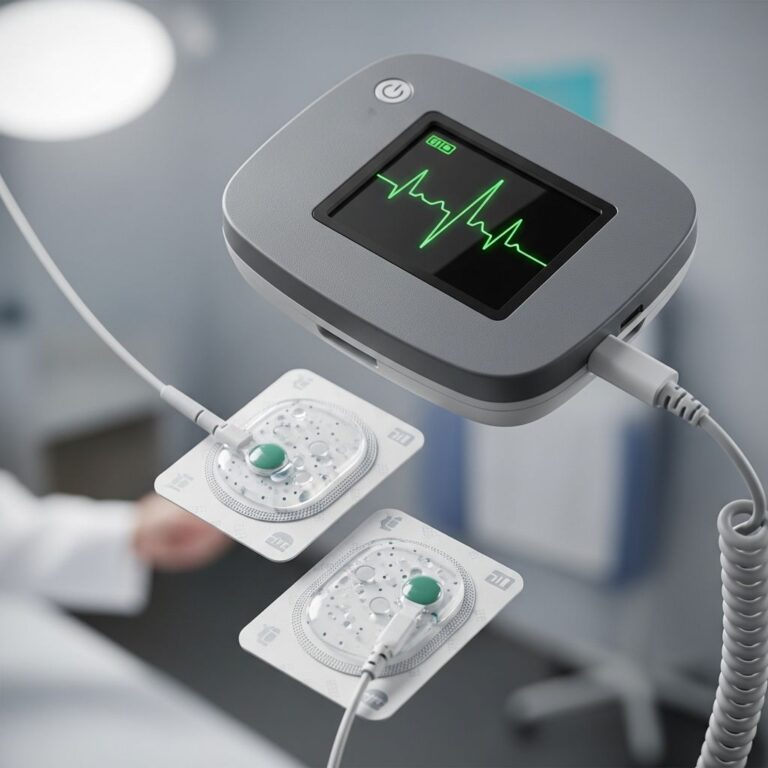
- Using ambulatory blood pressure monitoring or home blood pressure measurements to confirm diagnosis
- Avoiding measurement errors such as improper cuff size or positioning
- Regular monitoring to assess treatment effectiveness and guide therapeutic adjustments
Frequently Asked Questions
Q: Do I need medication if my blood pressure is 130-139/80-89 mmHg?
A: Not necessarily. For most people newly classified as Stage 1 hypertension, lifestyle modifications are recommended as the initial treatment approach. Medication may be considered based on individual risk factors, existing medical conditions, and your healthcare provider’s assessment of your cardiovascular risk.
Q: How often should I have my blood pressure checked?
A: Adults should have their blood pressure checked at least once annually during routine healthcare visits. Those with elevated or high blood pressure may need more frequent monitoring to track trends and assess treatment effectiveness.
Q: Can lifestyle changes alone lower my blood pressure?
A: Yes, for many people, lifestyle modifications can significantly lower blood pressure. Regular exercise, dietary changes, weight loss, stress reduction, and limiting sodium and alcohol can all contribute to meaningful blood pressure reduction, potentially eliminating the need for medication in some cases.
Q: What is the DASH diet and how does it help blood pressure?
A: The DASH diet emphasizes fruits, vegetables, whole grains, lean proteins, and low-fat dairy while limiting sodium, saturated fats, and added sugars. Research shows it can lower systolic blood pressure by up to 11 mmHg, making it one of the most effective dietary interventions for hypertension management.
Q: Are home blood pressure monitors reliable?
A: Yes, validated home blood pressure monitors can provide reliable readings when used correctly. They are useful for tracking your blood pressure between healthcare visits and can help detect patterns that single office measurements might miss.
Q: How quickly can I expect to see results from lifestyle changes?
A: Some improvements may appear within weeks, but meaningful and sustained blood pressure reduction typically takes several months of consistent lifestyle modification. Your healthcare provider can help track progress and adjust your treatment plan as needed.
Conclusion
The 2017 ACC/AHA high blood pressure guidelines represent an important evolution in how hypertension is diagnosed and managed. By lowering diagnostic thresholds and emphasizing early intervention through lifestyle modifications, these guidelines aim to prevent cardiovascular disease before it develops. While more Americans are now classified as having elevated blood pressure or hypertension, this shift allows for earlier intervention when lifestyle changes can be most effective.
Understanding your blood pressure category and working closely with your healthcare provider to develop an individualized treatment plan is essential. Whether through lifestyle modifications alone or in combination with medication, managing blood pressure effectively reduces the risk of heart disease, stroke, and kidney disease, contributing to better long-term health outcomes.
References
- Potential impact of the 2017 ACC/AHA guideline on high blood pressure in patients with coronary artery disease — National Center for Biotechnology Information (NCBI). 2018. https://pmc.ncbi.nlm.nih.gov/articles/PMC6234847/
- 2017 ACC/AHA/AAPA/ABC/ACPM/AGS/APhA/ASH/ASPC/NMA/PCNA Guideline for the Prevention, Detection, Evaluation, and Management of High Blood Pressure in Adults — American Heart Association (AHA). 2017. https://www.ahajournals.org/doi/10.1161/hyp.0000000000000065
- Baseline Blood Pressure and the 2017 ACC/AHA High Blood Pressure Guidelines — PubMed/National Institutes of Health (NIH). 2018. https://pubmed.ncbi.nlm.nih.gov/29421687/
Similar Articles








Read full bio of medha deb