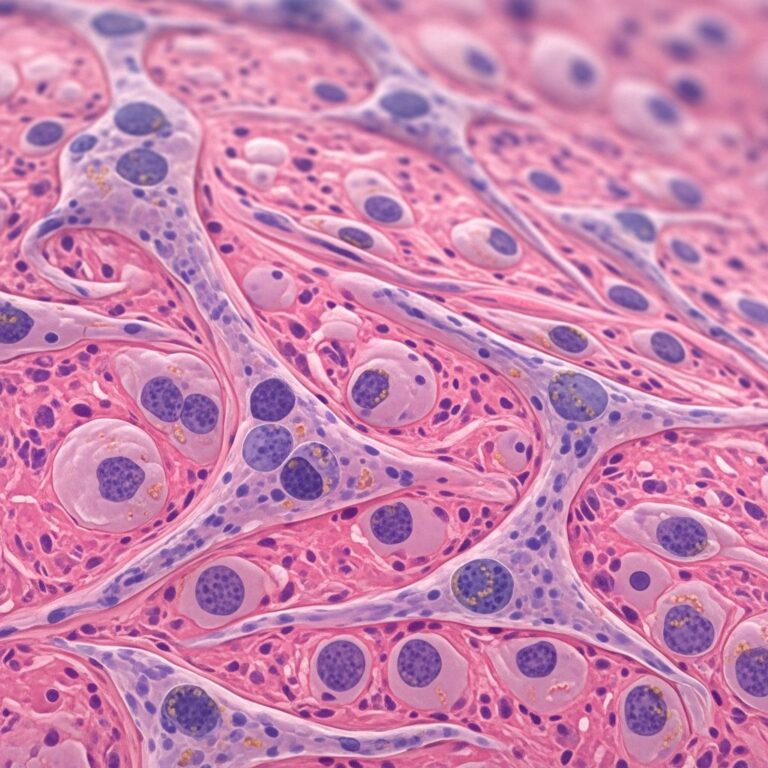
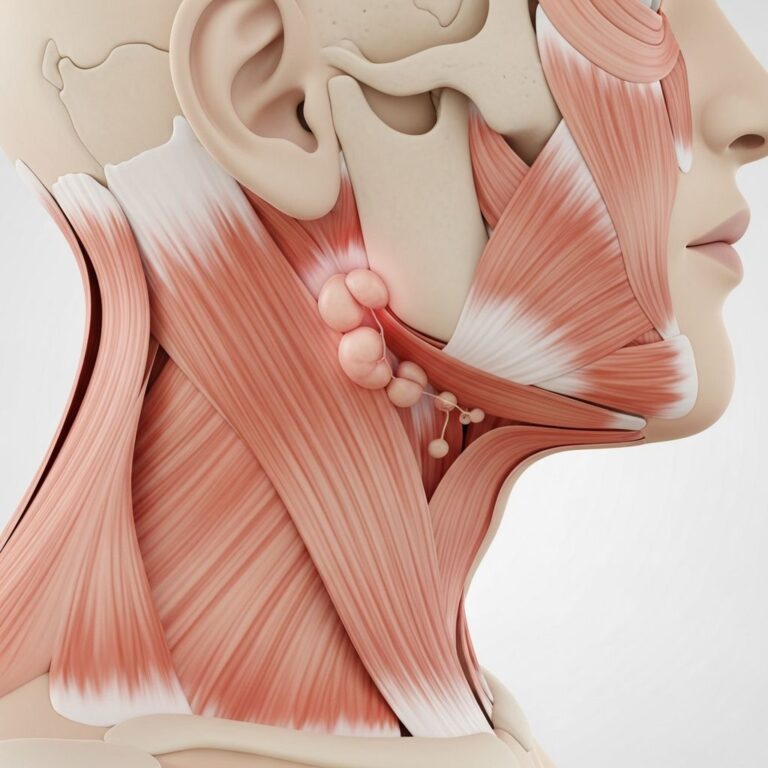
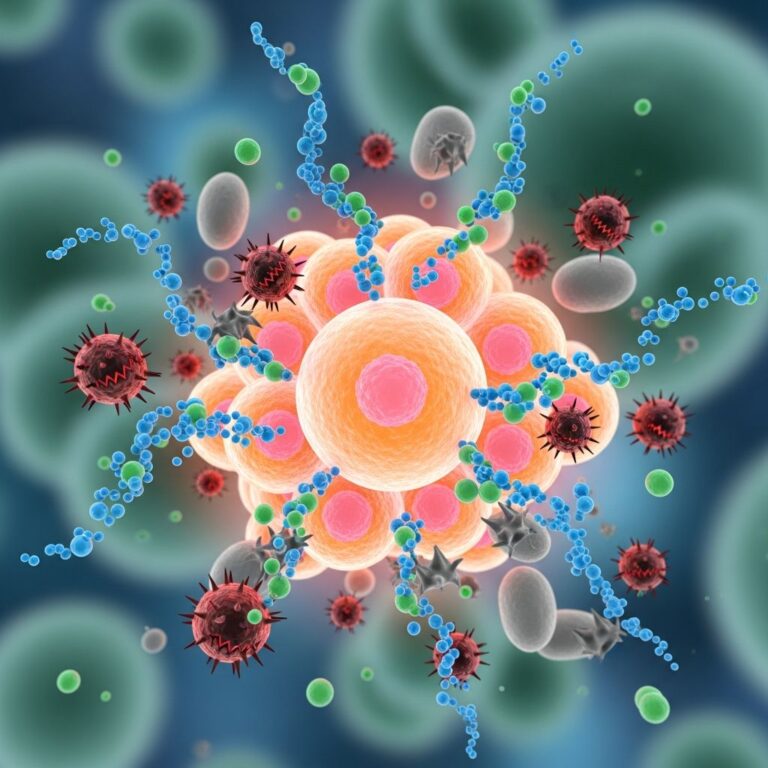
New Inflammatory Childhood Illness Linked to COVID-19
Discover multisystem inflammatory syndrome in children (MIS-C), its links to COVID-19, differences from Kawasaki disease, and expert guidance for parents.
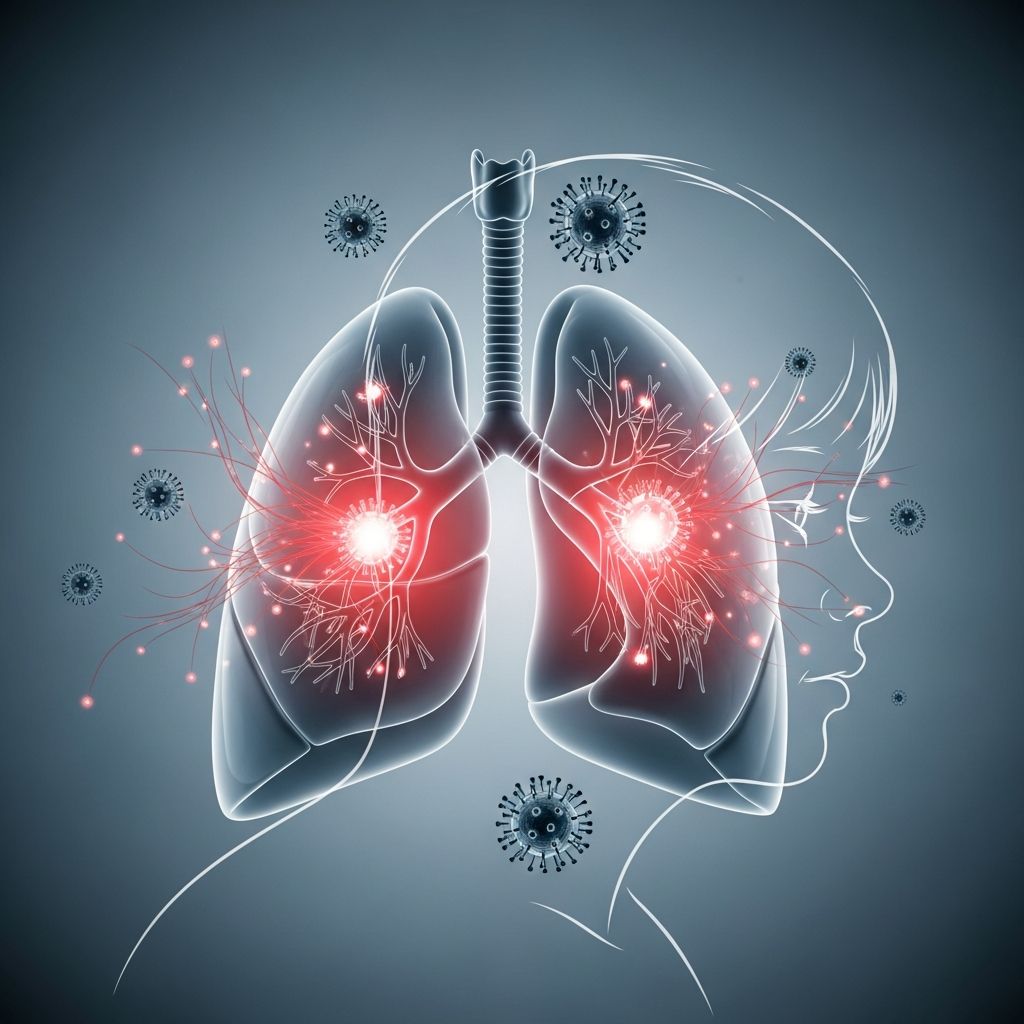
A novel inflammatory syndrome in children, known as multisystem inflammatory syndrome in children (MIS-C), has emerged in connection with COVID-19, presenting symptoms that closely resemble but differ from Kawasaki disease (KD). Pediatric rheumatologists are at the forefront of diagnosing and treating this condition, providing critical insights into its management.
Pediatric Rheumatologists Lead the Way in Treating a New Inflammatory Illness in Children
Recent news has highlighted a mysterious illness striking children, potentially tied to the COVID-19 virus. Often likened to Kawasaki disease—a rare vasculitis linked to childhood arthritis—this new condition has alarmed parents worldwide. The Arthritis Foundation is actively monitoring connections to juvenile arthritis and compiling vital information from top pediatric rheumatologists.
Prior to this outbreak, children were thought to experience milder COVID-19 cases compared to adults. However, clusters of severe pediatric cases have surfaced in Italy, the United Kingdom, and the United States, prompting urgent investigation. These cases exhibit striking similarities to KD but with distinct features, drawing in rheumatologists as key consultants.
“We are the experts on inflammation, and so we are in a good position to help understand how to diagnose and treat this condition,” states Peter A. Nigrovic, MD, a rheumatologist at Brigham and Women’s Hospital and Boston Children’s Hospital, and associate professor at Harvard Medical School.
What is Multisystem Inflammatory Syndrome in Children (MIS-C)?
Officially termed multisystem inflammatory syndrome in children (MIS-C) by the Centers for Disease Control and Prevention (CDC), this syndrome can be life-threatening and affects multiple organ systems. While some cases might have been misclassified as atypical KD in the past, MIS-C is now recognized as a unique entity.
Most children infected with COVID-19 recover without issue, but a small percentage develop MIS-C. Importantly, children with a history of KD, juvenile idiopathic arthritis (JIA)—including systemic JIA—or those on immunosuppressive therapies do not appear at heightened risk, though ongoing research continues.
- Key Characteristics of MIS-C: Involves fever, gastrointestinal symptoms, cardiac inflammation, and multi-organ involvement.
- Age Range: Unlike KD, which primarily affects infants and toddlers, MIS-C impacts children up to age 21.
- COVID-19 Link: Patients often show antibodies from prior infection, not active virus.
How MIS-C Differs from Kawasaki Disease
Sivi Lapidus, MD, pediatric rheumatologist at Joseph M. Sanzari Children’s Hospital in Hackensack, New Jersey, and leader of their MIS-C task force, notes critical distinctions. KD typically strikes children under 5, while MIS-C spans all pediatric ages. Gastrointestinal distress is more prominent in MIS-C, and cardiac issues can be more severe.
Dr. Nigrovic emphasizes that MIS-C patients frequently test positive for COVID-19 antibodies from infections 4-6 weeks prior, explaining surges following COVID waves in regions like Italy, the U.S., and U.K. Nasal swabs often negative for active virus support a post-infectious immune overreaction theory.
| Feature | Kawasaki Disease (KD) | MIS-C |
|---|---|---|
| Typical Age | Under 5 years | Up to 21 years |
| Primary Symptoms | Fever, rash, conjunctivitis, strawberry tongue, swollen extremities | Fever, abdominal pain, vomiting, shock, cardiac dysfunction |
| COVID-19 Association | None | Antibodies from prior infection |
| Organ Involvement | Vasculitis, mainly coronary arteries | Multi-organ: heart, kidneys, GI tract, brain |
Related Stories



This table summarizes core differences, aiding clinicians in differentiation.
Symptoms and Early Recognition of MIS-C
Early detection is crucial for favorable outcomes. Parents should watch for persistent high fever (over a few days), poor appetite, reduced urination, breathing difficulties, extreme fatigue, or general unwellness. Seek emergency care immediately if these appear.
Common MIS-C symptoms include:
- Prolonged fever
- Abdominal pain, vomiting, diarrhea
- Heart inflammation (myocarditis)
- Rash, conjunctivitis, swollen lips/tongue
- Shock or low blood pressure
- Neurological changes like irritability or confusion
Specialists are now primed to screen for MIS-C in ill children.
Treatment Approaches and Ongoing Research
Treatment mirrors KD protocols initially: intravenous immunoglobulin (IVIG), aspirin, and steroids to curb inflammation. Advanced cases may require ICU support. Registries worldwide, including those by CARRA (sponsored by the Arthritis Foundation), track cases to refine therapies.
Dr. Nigrovic collaborates internationally to share data. For children with rheumatic diseases, biologics like TNF inhibitors do not elevate severe COVID-19 or MIS-C risk.
Risks for Children with Juvenile Arthritis
Reassuringly, kids with JIA face low hospitalization rates from COVID-19 (only 7% in studies), with most mild cases. Immunosuppressants do not worsen outcomes. However, any child post-COVID merits monitoring for MIS-C.
COVID-19 Vaccination and Juvenile Arthritis
The CDC recommends annual COVID-19 vaccines for moderately to severely immunocompromised children, including those on JA immunosuppressants. Studies affirm vaccines do not flare JA or reduce treatment efficacy for most. Rare myocarditis post-vaccine resolves quickly with NSAIDs and prednisone, unrelated to JA predisposition.
Long COVID Considerations in Children
Beyond acute MIS-C, long COVID affects some kids with fatigue, pain, and cognitive issues. Risk factors include female sex, older age, Hispanic ethnicity, obesity, and pre-existing conditions. Autoimmune flares post-COVID, like new-onset RA or diabetes, underscore immune dysregulation.
Frequently Asked Questions (FAQs)
Is MIS-C more common in children with arthritis?
No, children with JIA or KD are not at increased risk for MIS-C based on current data.
Should my child with JA continue medications during COVID-19?
Yes, per ACR guidance; do not stop without consulting your rheumatologist.
Can COVID-19 vaccines cause flares in JA kids?
Most studies show no; infections pose greater flare risk.
What if my child had mild COVID but now seems unwell?
Monitor for MIS-C symptoms and seek prompt medical evaluation.
Is MIS-C the same as Kawasaki disease?
No, though similar; MIS-C is post-COVID and more multisystemic.
Prevention and Parental Guidance
Vaccination, masking in high-risk settings, and hygiene remain key. For JA families, infection risks are manageable with vigilance. Consult pediatric rheumatologists for tailored advice.
This condition highlights the need for continued research into post-viral inflammation, with rheumatologists pivotal in unraveling its mechanisms.
References
- New Inflammatory Childhood Illness Linked to COVID-19 — Arthritis Foundation. 2020-05-15. https://www.arthritis.org/health-wellness/about-arthritis/related-conditions/other-diseases/new-inflammatory-childhood-illness-linked-to-covid
- Managing Infection Risk for Kids with Arthritis — Arthritis Foundation. 2023-01-10. https://www.arthritis.org/health-wellness/about-arthritis/related-conditions/other-diseases/managing-infection-risk-for-kids-with-arthritis
- COVID-19 FAQs: Juvenile Arthritis — Arthritis Foundation. 2024-09-20. https://www.arthritis.org/health-wellness/about-arthritis/related-conditions/other-diseases/covid-19-faqs-juvenile-arthritis
- What We Know About Long COVID in Kids — Arthritis Foundation. 2023-11-05. https://www.arthritis.org/health-wellness/about-arthritis/related-conditions/other-diseases/long-covid-in-kids
- COVID-19 Medication Guidance for Pediatric Rheumatology Patients — Arthritis Foundation. 2023-06-12. https://www.arthritis.org/drug-guide/medication-topics/covid-19-medication-guidance-for-pediatric-patient
Similar Articles








Read full bio of Sneha Tete