Newborn Physical Examinations: Complete Guide For Parents
Essential guide to newborn and infant physical exams that detect heart, hip, eye, and testicular issues early for timely care.
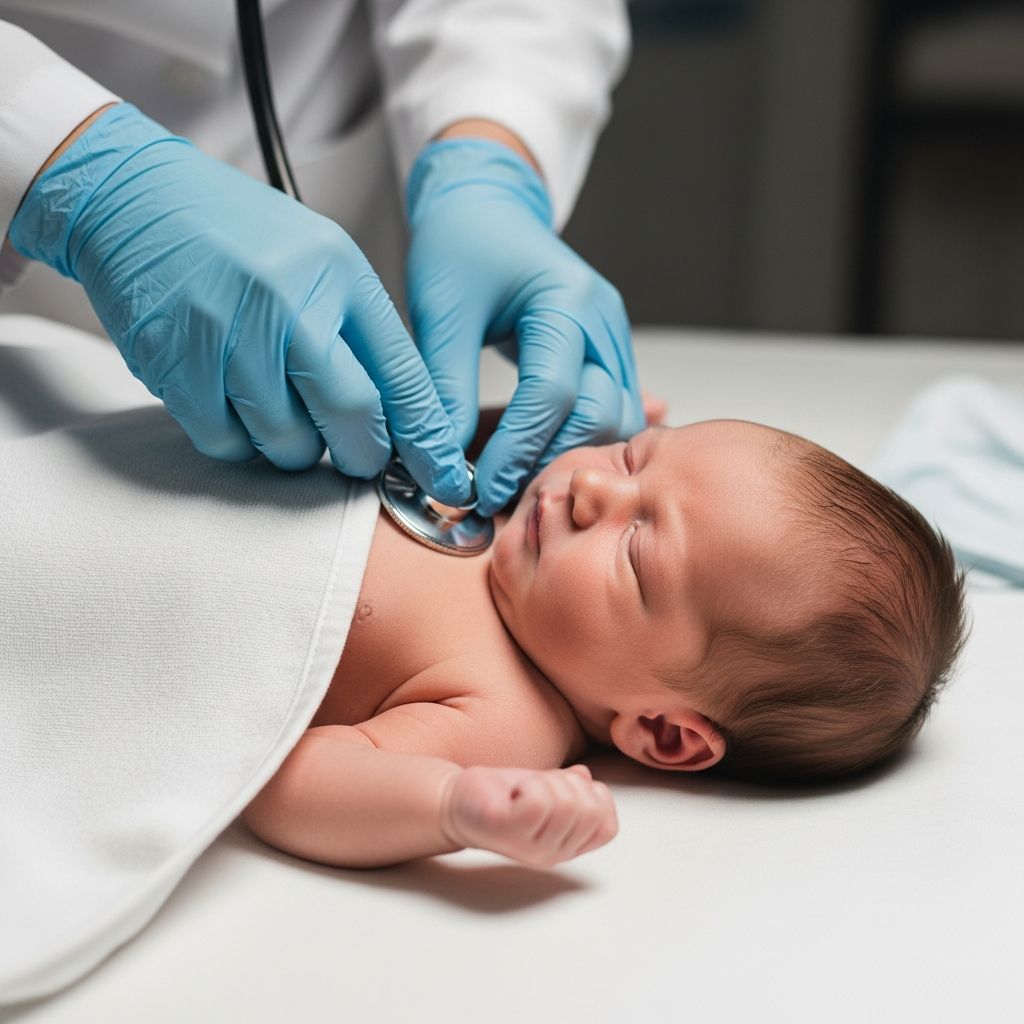
The Newborn and Infant Physical Examination (NIPE) is a vital screening programme offered to all babies in England to detect congenital abnormalities in the eyes, heart, hips, and testes (for boys). These checks occur at two key stages: within 72 hours of birth and at 6-8 weeks, enabling early identification and referral to reduce long-term health risks.
Why Newborn Physical Examinations Are Important
Newborn physical examinations play a crucial role in safeguarding infant health by identifying treatable conditions early. The NIPE programme aims to detect abnormalities in the eyes, heart, hips, and male testes that are present at birth or become apparent shortly after. Early detection allows for prompt referral and intervention, potentially preventing morbidity and mortality associated with these conditions.
Performed by trained healthcare professionals, these exams are non-invasive and form part of routine postnatal care. The newborn exam typically happens before hospital discharge, maximising the chance of completion within the recommended 72-hour window. The follow-up infant exam at 6-8 weeks catches any issues that may develop later.
When Newborn Physical Examinations Take Place
The NIPE newborn screening examination must be offered and ideally completed before or at 72 hours of age, a key performance indicator (KPI NP1) to ensure timely detection. For hospital births, this is usually done prior to discharge. There is no minimum age limit, but for early discharges (e.g., at 6 hours), the exam should occur as close to discharge as possible or be arranged in primary care.
The NIPE infant screening examination follows at 6 to 8 weeks of age, often in a GP practice or primary care setting. This timing allows detection of conditions not visible at birth. Babies remain eligible for the newborn exam up to 6 weeks if missed initially, including those moving into the area.
Who Performs Newborn Physical Examinations
Qualified practitioners such as midwives, doctors, or advanced nurse practitioners with NIPE-specific training conduct these exams. Hospitals manage the newborn check, while primary care handles the infant exam. Results are recorded in the NIPE national IT system (SMaRT4NIPE or S4N), the personal child health record (PCHR, or ‘red book’), and GP systems for seamless care continuity.
For babies transferred between providers, responsibility shifts formally via S4N, ensuring no gaps in screening. Neonatal units or maternity services record results accordingly.
Preparation for Newborn Physical Examinations
Parents receive information about NIPE screening antenatally and postnatally via leaflets like ‘Screening tests for you and your baby’, available in multiple languages. Healthcare providers explain the purpose, process, benefits, and risks before obtaining verbal consent. Parents can ask questions and decline any or all elements.
- Ensure baby is calm and undressed for the exam.
- Bring the red book if available.
- Discuss family history if relevant.
The Newborn Physical Examination Process
The exam is thorough yet gentle, with the baby fully undressed on a warm surface. It lasts 5-10 minutes and checks:
Related Stories



- Eyes: For red reflex (using an ophthalmoscope to detect cataracts or other issues), corneal opacities, and pupil size.
- Heart: Listening for murmurs, checking pulses, and assessing colour/breathing.
- Hips: Barlow and Ortolani manoeuvres to test for developmental dysplasia of the hip (DDH).
- Testes (boys): Presence and position in the scrotum.
- Additionally, general checks for head circumference, fontanelles, clefts, and limbs.
During the exam, the practitioner observes the baby’s overall appearance, measurements, and reflexes.
Newborn Examination Checklist
| Check | What It Involves | Normal Finding |
|---|---|---|
| Eyes | Red reflex test | Even glow in both eyes |
| Heart | Auscultation, pulses | No murmurs, equal pulses |
| Hips | Barlow/Ortolani tests | Stable hips, no clunk |
| Testes | Palpation | Both descended |
The 6-8 Week Infant Physical Examination
This follow-up exam revisits the four key areas, as some abnormalities (e.g., certain hip issues) may only become evident later. Conducted in primary care, it includes a holistic developmental review. Practitioners verify any prior screen-positive results and ensure referrals progressed.
Results are documented in S4N, PCHR, and GP records. This exam supports the Healthy Child Programme, checking growth, vision, hearing cues, and social smiling.
Results of Newborn Physical Examinations
- All Normal: No action needed; routine care continues.
- Screen Positive: Immediate referral to specialists (e.g., cardiology for heart murmurs, orthopaedics for hips). Urgency varies by finding.
- Incomplete/Declined: Documented and communicated; baby remains eligible if within timelines.
Parents receive verbal and written results. Follow-up ensures interventions occur per national guidance.
If Your Baby Needs Further Tests or Treatment
Screen-positive results prompt urgent referrals:
- Heart: Echocardiogram, cardiology consult.
- Hips: Ultrasound at 4-6 weeks if risk factors.
- Eyes: Ophthalmologist review.
- Testes: Paediatric urology if undescended.
Timely action improves outcomes, e.g., hip bracing for DDH prevents surgery. Parents are supported throughout.
Declining the Newborn Physical Examination
Consent is voluntary. If declined, providers inform parents of each element’s importance, risks of missing issues, and ongoing eligibility (newborn up to 6 weeks, infant at 6-8 weeks). Record in S4N, PCHR, and notify GP/health visitor. Parents can revoke decline by contacting their provider.
Babies Who Move Area or Are Transferred
Eligibility persists regardless of location changes. Birth units retain responsibility until formally transferred via S4N. Receiving providers complete screening, recording in the system. ‘Move-in’ babies are offered exams per timelines.
Key Performance Indicators for NIPE
- Newborn exam ≤72 hours (NP1).
- Infant exam 6-8 weeks.
- All eligible babies offered screening.
- Referrals within national timescales.
- Follow-up to interventions.
Frequently Asked Questions (FAQs)
Q: When should the newborn physical exam happen?
A: Before or at 72 hours of age, ideally before hospital discharge.
Q: What if we miss the newborn exam?
A: Babies are eligible up to 6 weeks; contact your midwife or GP.
Q: Is the exam painful?
A: It’s gentle and non-invasive; babies may cry from being undressed.
Q: Can we decline individual checks?
A: Consent is per element; discuss with your practitioner.
Q: What happens at the 6-8 week check?
A: Re-examination of eyes, heart, hips, testes plus developmental review.
Q: How are results shared?
A: Verbally, in writing, and recorded in your red book and digital systems.
Related Screening Tests
NIPE complements the newborn blood spot test (heel prick at 5 days) screening for metabolic conditions like PKU and hypothyroidism, recommended for all babies.
References
- Newborn and Infant Physical Examination Screening Programme Handbook — UK Government. 2023. https://www.gov.uk/government/publications/newborn-and-infant-physical-examination-programme-handbook/newborn-and-infant-physical-examination-screening-programme-handbook
- Newborn blood spot test — NHS. 2024. https://www.nhs.uk/baby/newborn-screening/blood-spot-test/
- Screening tests for you and your baby — UK Government. 2023. https://www.gov.uk/government/publications/screening-tests-for-you-and-your-baby
Similar Articles








Read full bio of Sneha Tete