Newborn Eczema: Essential Care Guide For Soothing Skin
Discover causes, symptoms, and proven strategies to soothe and manage eczema in newborns for healthier skin.
Newborn eczema, a form of atopic dermatitis, affects many infants in their first months, causing discomfort through dry, inflamed skin. This condition arises from a mix of genetic vulnerabilities and environmental influences, but with consistent care, parents can significantly alleviate symptoms and support skin healing.
Genetic Foundations of Infant Skin Conditions
The predisposition to eczema in newborns often traces back to hereditary factors. A key contributor is mutations in the filaggrin gene, which impairs the skin’s protective barrier, leading to moisture loss and increased vulnerability to irritants. Babies with family histories of eczema, asthma, or allergies face higher risks, as these conditions cluster in atopic families. This genetic setup means the epidermis struggles to retain hydration, setting the stage for inflammation when exposed to everyday elements.
Immune system overactivity plays a parallel role, where common substances provoke exaggerated responses, worsening skin reactivity. While not fully curable, understanding these roots empowers targeted management from early onset.
Common Environmental Sparks for Flare-Ups
Beyond genetics, external factors frequently ignite or intensify eczema episodes in infants. Dry indoor air, especially during winter, strips natural oils, prompting itchiness and cracking. Other irritants encompass tobacco smoke, pet dander, pollen, and dust mites, which infiltrate sensitive skin.
- Household products: Fragranced soaps, detergents, and fabric softeners provoke reactions by embedding in clothing and bedding.
- Fabrics and wear: Wool or synthetic materials rub harshly, while tight garments trap heat and sweat.
- Personal factors: Drool on cheeks, excessive perspiration, or saliva exposure irritates facial areas.
- Hygiene items: Scented wipes, powders, and bubble baths disrupt the skin’s pH balance.
Tracking these via a symptom diary helps pinpoint personal triggers, enabling proactive avoidance.
Spotting the Hallmarks of Eczema in Babies
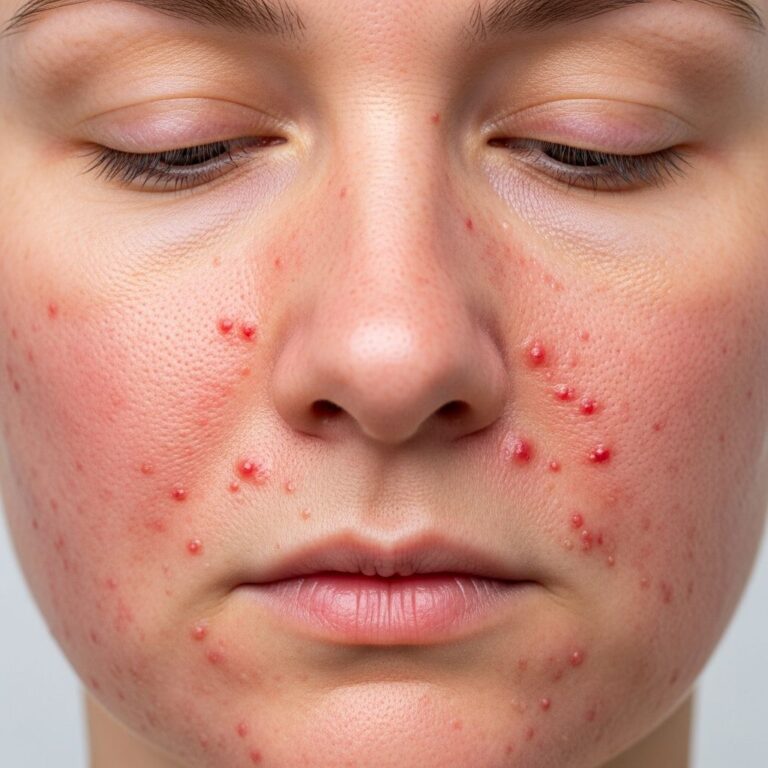
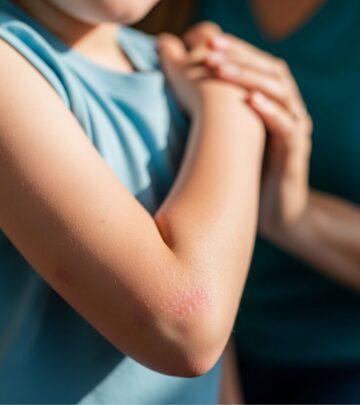
Infant eczema typically emerges between 2-6 months, manifesting as red, inflamed patches on cheeks, arms, legs, and torso. Affected areas appear dry, rough, or leathery, often with intense itching that prompts scratching and potential infection.
| Symptom | Description | Common Locations |
|---|---|---|
| Dry patches | Flaky, rough texture | Cheeks, elbows |
| Redness | Bright or brownish inflammation | Face, trunk |
| Itchiness | Persistent urge to scratch | Folds, limbs |
| Oozing | Weepy or crusted spots | Bent joints |
In severe cases, skin thickens or develops bumps, signaling the need for medical review. Distinguishing from cradle cap or contact dermatitis relies on persistence and distribution patterns.
Building a Robust Daily Skincare Routine
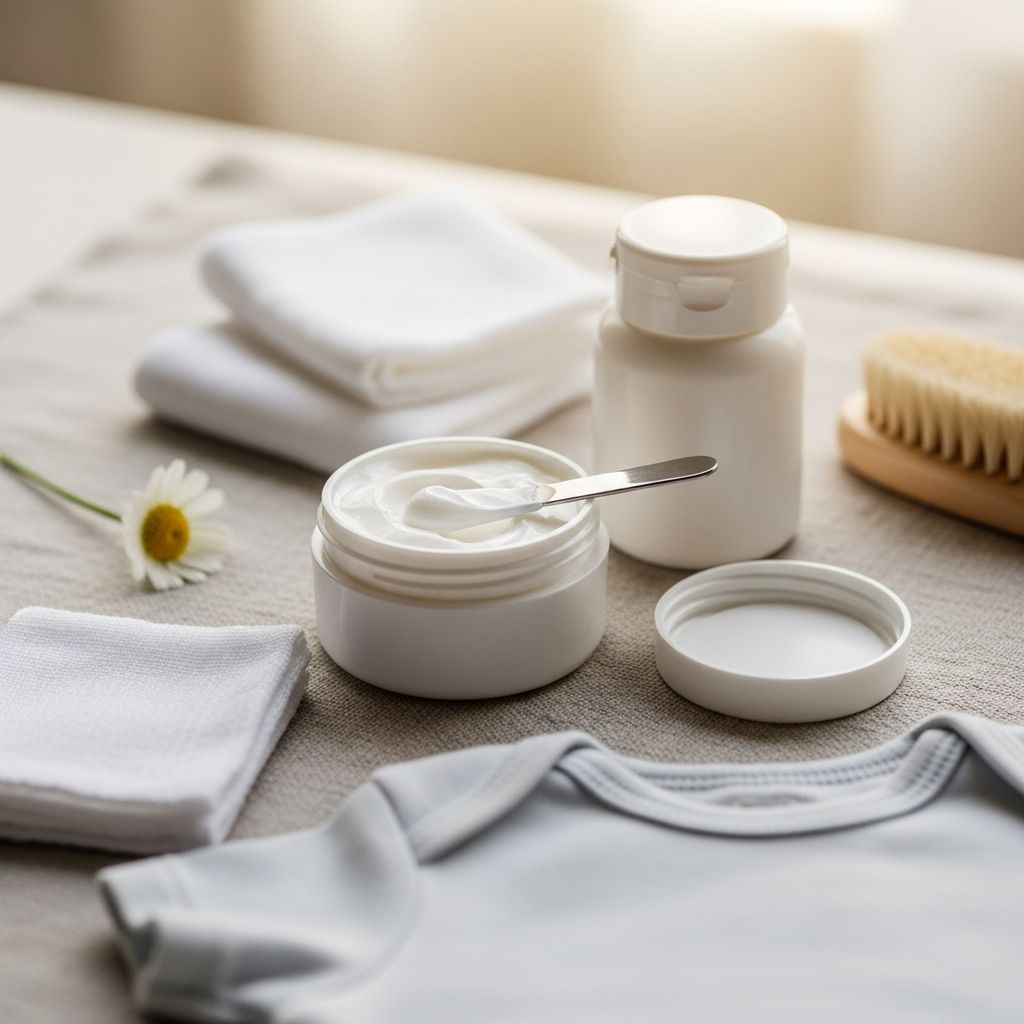
A cornerstone of eczema control involves gentle bathing followed by immediate moisturizing. Opt for lukewarm water baths lasting 5-10 minutes, 3-4 times weekly, using fragrance-free, soap-free cleansers to preserve oils.
- Gently pat dry without rubbing to retain dampness.
- Apply thick, ointment-based moisturizers like petroleum jelly or ceramide formulas within 3 minutes.
- Reapply several times daily, especially post-diaper changes or naps.
Dressing in loose, 100% cotton attire minimizes friction, and maintaining room humidity at 40-60% via humidifiers combats dryness. These steps fortify the skin barrier, reducing flare frequency by up to 50% in responsive cases.
Medical Interventions for Persistent Symptoms
When routine care falls short, topical corticosteroids offer rapid inflammation relief for mild-moderate flares. Low-potency options, applied sparingly twice daily for 7-14 days, calm redness under pediatric guidance. For infections indicated by pus or fever, oral or topical antibiotics may join the regimen.
Related Stories



Antihistamines occasionally ease nighttime itching, while severe cases might warrant wet wraps—moistened bandages over medicated skin—to enhance absorption. Emerging options like calcineurin inhibitors provide steroid-sparing alternatives for facial use. Always consult providers before initiating, as overuse risks skin thinning.
Navigating Food and Allergy Connections
Though not primary causes, certain foods trigger 30% of moderate-severe infant eczema cases, particularly dairy, eggs, or nuts in sensitized babies. Routine allergy testing isn’t advised for mild cases; instead, trial elimination under supervision if symptoms align post-introduction.
Breastfeeding may offer protective effects, but maternal diet tweaks lack strong evidence for universal benefit. Hypoallergenic formulas serve as backups for formula-fed infants with confirmed allergies.
Preventing Scratching and Complications
Infants instinctively scratch, exacerbating breaks and inviting bacteria like Staphylococcus. Mittens, long-sleeve sleepers, and trimmed nails curb damage.
- Keep nails short and filed smooth.
- Use soft cotton barriers over hands at night.
- Monitor for yellow crusting or swelling, seeking care promptly.
Consistent moisturizing slashes infection odds by maintaining barrier integrity.
Long-Term Outlook and Growth Patterns
Optimistically, 50-60% of affected babies outgrow eczema by school age, though 30% progress to childhood atopic conditions. Persistent cases benefit from allergy evaluations around age 3-5. Early intervention fosters better control and quality of life.
Frequently Asked Questions
Is newborn eczema contagious?
No, it’s an internal inflammatory response, not spread by contact.
When should I see a doctor for my baby’s eczema?
Seek help if rashes weep, spread rapidly, or resist home care after two weeks.
Can diet cure my baby’s eczema?
Diet adjustments aid some but don’t universally cure; consult specialists.
Are steroid creams safe for infants?
Yes, when used as directed short-term by professionals.
How often should I bathe my eczematous newborn?
Short, gentle baths 2-4 times weekly suffice to avoid over-drying.
References
- Baby Eczema: What to Know About Causes, Symptoms and Treatment — Riverchase Dermatology. 2023. https://www.riverchasedermatology.com/blog/baby_eczema_what_to_know_about_causes_symptoms_treatment/
- Baby eczema: causes, symptoms, treatment and more — National Eczema Association. 2024. https://nationaleczema.org/children/
- Baby Eczema Causes & Treatment — Cleveland Clinic. 2024-02-01. https://my.clevelandclinic.org/health/diseases/23408-baby-eczema
- What to Do When Your Child Has Newborn Eczema — Happy Skin Dermatology. 2024-05-03. https://www.happyskindermatology.com/2024/05/03/what-to-do-when-your-child-has-newborn-eczema/
- Baby eczema: how to treat my baby’s skin? — Bioderma US. 2024. https://www.bioderma.us/en/expert-advice/normal-dry-to-atopic-skin/baby-eczema.html
- Pediatric Eczema (Atopic Dermatitis) — Children’s National Hospital. 2024. https://www.childrensnational.org/get-care/health-library/eczema-atopic-dermatitis
- What is Baby Eczema? Eczema Therapy for Baby & Toddler — Aveeno. 2024. https://www.aveeno.com/skin-concerns/baby-eczema
Similar Articles








Read full bio of medha deb