Newborn Skin 101: Essential Care Guide for New Parents
Complete guide to understanding and caring for your newborn's delicate skin.
Understanding Your Newborn’s Skin
Your newborn’s skin is delicate, sensitive, and requires special attention during the first weeks and months of life. Newborn skin serves as a critical barrier protecting your baby from infection and helping regulate body temperature. Understanding the unique characteristics of baby skin is the first step toward providing optimal care. The skin of newborns is thinner than adult skin, with a less developed protective barrier that makes it more susceptible to irritation and moisture loss. During pregnancy, your baby’s skin was protected by amniotic fluid, but after birth, the skin must quickly adapt to a drier environment.
The first few weeks are crucial for establishing healthy skin care routines. Healthcare providers recommend a comprehensive approach to neonatal skin care that addresses cleansing, moisturizing, and protection from potential irritants. Many variations exist in skin care practices across different hospitals and pediatric offices, which is why education from trusted sources is essential for new parents.
Cleansing and First Bath Guidelines
One of the most important decisions parents make is when and how to give their newborn’s first bath. Healthcare professionals recommend waiting until your baby has achieved cardiorespiratory and thermal stabilization before the first bath. This typically means waiting between 6 to 24 hours after birth. This timing allows your baby’s body temperature to stabilize and ensures your little one is ready for the bathing experience.
When it comes to cleansing your newborn, less is often more. Blood and meconium should be gently removed from the skin using soft cotton swabs soaked in warm water, avoiding vigorous scrubbing. After the initial cleansing, gentle bathing practices should be established. Water alone is sufficient for regular baths, though a mild liquid cleanser can be used when necessary. It is crucial to select cleansers with a mildly acidic or neutral pH between 5.5 and 7, as alkaline products can disrupt your baby’s developing skin barrier and natural lipid layer.
During bath time, keep water warm but not hot, maintain a comfortable room temperature, and work quickly to minimize heat loss. Support your baby securely throughout the bathing process, and consider using a baby bathtub or sink insert designed for newborns. Pat your baby’s skin gently dry after bathing, paying special attention to skin folds where moisture can accumulate and create an environment for irritation.
Skin-to-Skin Contact and Bonding
Skin-to-skin contact immediately after birth offers remarkable benefits for both mother and baby. The World Health Organization, UNICEF, and pediatric skin care guidelines strongly recommend establishing skin-to-skin contact between mothers and newborns without complications during the first hour after birth. This practice does far more than simply feel comforting.
The benefits of skin-to-skin contact include:
- Prevention of hypothermia and maintenance of optimal body temperature
- Stimulation of breastfeeding instincts and improved feeding success
- Enhanced mother-baby bonding and increased maternal satisfaction
- Reduced stress hormones in the newborn
- Colonization of neonatal skin with beneficial maternal bacteria
- Promotion of immune system maturation and function
This early contact helps establish your baby’s microbiome with protective bacteria from your skin, creating a natural defense against harmful pathogens. The practice also promotes your baby’s neurological development and emotional security during the transition to life outside the womb.
Understanding Vernix Caseosa
Vernix caseosa is the white, cheese-like coating that covers your baby’s skin at birth. Rather than immediately removing all vernix, modern skin care recommendations suggest leaving some of this natural protective layer intact. Vernix provides valuable moisture and protection to your baby’s skin, helping to maintain hydration and protect against irritation during the critical transition period after birth.
Related Stories



The vernix gradually absorbs into the skin over the first few days, so there is no need to scrub it away aggressively. A gentle approach that allows some vernix to remain provides maximum benefit to your newborn’s developing skin barrier.
Umbilical Cord Care
Proper umbilical cord care is essential for preventing infection while the cord stump heals and eventually separates. The cord typically falls off between 7 to 14 days after birth. Current recommendations emphasize dry cord care, which means keeping the area clean and dry without applying antiseptic agents unless specifically recommended by your pediatrician.
To care for the umbilical cord:
- Keep the cord area clean and dry
- Fold diapers below the cord stump to allow air circulation
- Use sponge baths instead of tub baths until the cord falls off
- Wash your hands before handling the cord area
- Contact your pediatrician if you notice redness, discharge, or foul odor
Signs of cord infection include persistent bleeding, pus, increased redness, warmth, or a foul smell. If you notice any of these signs, contact your healthcare provider immediately, as cord infections can be serious.
Diaper Area Care and Prevention of Diaper Rash
Diaper rash is one of the most common skin concerns in newborns and infants. The warm, moist environment inside a diaper creates ideal conditions for irritation and fungal growth. Effective diaper area care includes frequent diaper changes, gentle cleansing, and allowing the skin to breathe when possible.
Follow these diaper care best practices:
- Change diapers frequently, ideally after every bowel movement and whenever wet
- Use warm water and soft washcloths for gentle cleansing during diaper changes
- Pat skin completely dry before applying a fresh diaper
- Use fragrance-free, hypoallergenic wipes or cloths
- Consider allowing diaper-free time to allow skin to air dry completely
- Apply a diaper cream or ointment as a protective barrier if rash develops
If diaper rash persists despite good hygiene practices, or if you notice signs of yeast infection including bright red raised areas with satellite lesions, consult your pediatrician. Your doctor can recommend appropriate treatments or may refer you to a pediatric dermatologist.
Moisturizing and Emollient Use
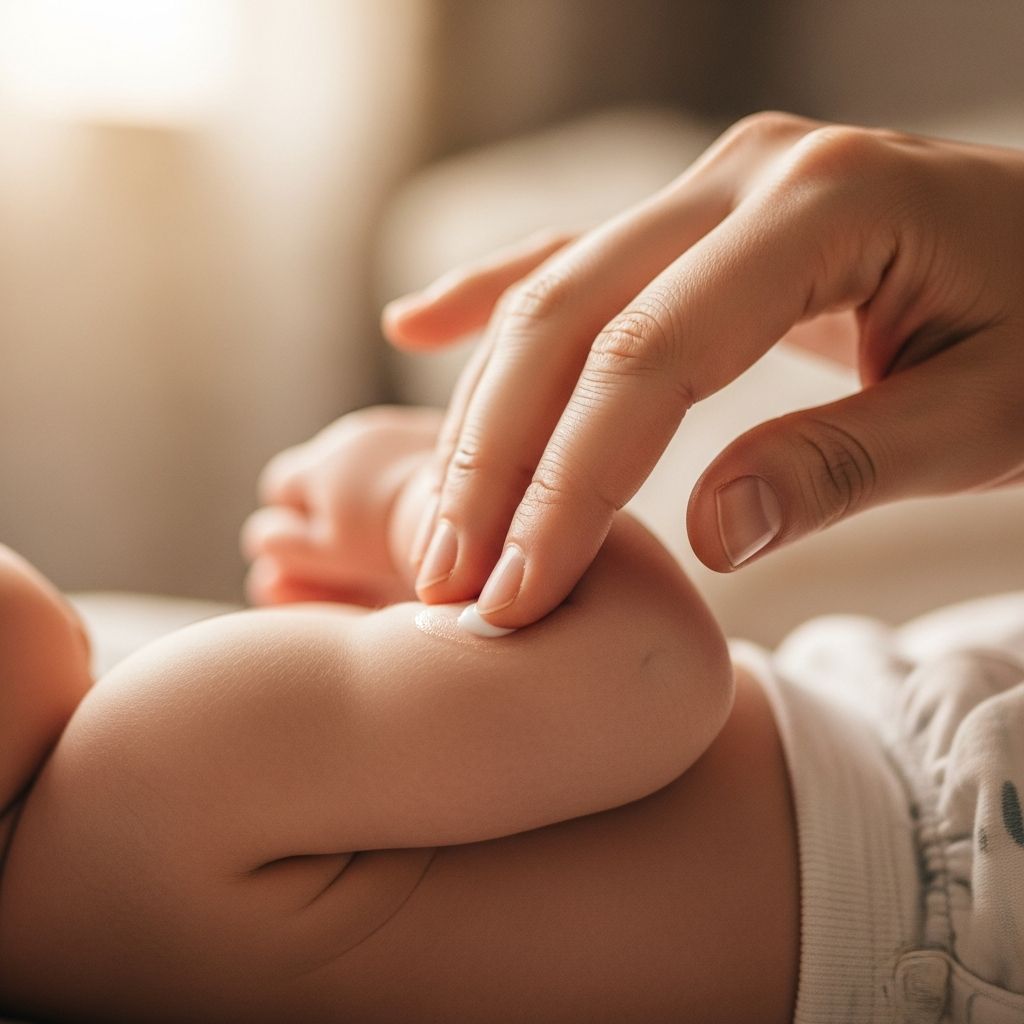
Proper moisturizing is crucial for maintaining your newborn’s skin barrier function. The skin of newborns loses moisture more readily than adult skin, making regular moisturizing essential. Emollients are recommended especially for neonates with higher risk factors for developing eczema, as they help maintain and enhance skin barrier function and integrity.
When selecting moisturizers for your baby:
- Choose fragrance-free, hypoallergenic products specifically formulated for babies
- Avoid products with alcohol or strong perfumes
- Look for ingredients like ceramides, glycerin, and natural oils
- Apply moisturizer to damp skin immediately after bathing for best absorption
- Consider using a humidifier in your baby’s room to maintain ambient moisture
Some babies may have naturally dry skin that requires regular moisturizing, while others develop dry patches during winter months or in dry climates. Pay attention to your individual baby’s skin needs and adjust your moisturizing routine accordingly.
Hair and Scalp Care
Your newborn’s hair and scalp also require gentle care. Cradle cap, medically known as seborrheic dermatitis, is a common condition affecting the scalp of young infants. This condition appears as yellowish, flaky, greasy patches on the scalp and is harmless, though sometimes concerning to new parents.
To care for your baby’s hair and scalp:
- Wash hair gently with mild shampoo during baths
- Use a soft brush or washcloth to gently massage the scalp
- Rinse thoroughly with warm water
- If cradle cap develops, apply a light oil before shampooing to help loosen scales
- Never pick at or scratch the affected areas
Most cases of cradle cap resolve naturally within a few months without treatment. However, if the condition worsens, spreads, or causes significant concern, your pediatrician or dermatologist can recommend appropriate treatments.
Recognizing and Managing Common Newborn Skin Conditions
Many skin conditions appear in newborns and are completely normal and harmless. Understanding which conditions require attention and which resolve naturally helps reduce unnecessary parental worry.
Erythema Toxicum Neonatorum
This common newborn rash appears as red blotches with white centers, typically appearing within the first few days of life. The rash is harmless and resolves on its own without treatment within one to two weeks.
Milia
Milia are tiny white bumps appearing on the baby’s face, particularly around the nose and cheeks. These are caused by keratin trapped beneath the skin and are completely harmless. They typically disappear within a few weeks without any treatment.
Neonatal Acne
Some newborns develop small acne-like bumps on their face, caused by exposure to maternal hormones in the womb. This condition typically appears within the first few weeks of life and resolves without treatment within a few weeks to months.
Hemangiomas
These are benign blood vessel formations that appear as red or purple marks on the skin. While most hemangiomas do not require treatment, some may need monitoring or treatment depending on their size and location. Consult your pediatrician if you notice any new marks.
When to Contact Your Pediatrician
Most newborn skin conditions are harmless and resolve naturally, but certain signs warrant professional evaluation. Contact your pediatrician if you notice:
- Persistent or worsening rashes that do not improve with basic care
- Signs of infection such as warmth, pus, or foul odor
- Severe diaper rash or signs of yeast infection
- Excessive dryness or cracking of the skin
- Blistering or severe irritation
- Any skin lesions that concern you or change in appearance
Your pediatrician can provide professional assessment and recommend appropriate treatments or referrals to a pediatric dermatologist when necessary.
Hand Hygiene and Preventing Infection
Proper hand hygiene is fundamental to protecting your newborn’s health. Before handling your baby, wash your hands thoroughly with soap and warm water, or use an alcohol-based hand sanitizer. This simple practice significantly reduces the transmission of bacteria and viruses to your vulnerable newborn.
Encourage all caregivers, family members, and visitors to follow hand hygiene practices before touching your baby. During cold and flu season, consider asking visitors to wear masks if they have any respiratory symptoms, and avoid contact with anyone who is actively ill.
Choosing Appropriate Baby Skin Care Products
The market offers countless baby skin care products, but not all are created equal. When selecting products for your newborn:
- Choose products specifically formulated for babies and newborns
- Look for hypoallergenic, fragrance-free options
- Avoid products with unnecessary additives, dyes, or harsh chemicals
- Read ingredient lists carefully and research unfamiliar components
- Perform patch tests on a small area before using new products extensively
- Consult your pediatrician if your baby has sensitive skin or a family history of allergies
Less is often better when it comes to baby products. Many babies thrive with just water for bathing and a simple moisturizer for hydration, making expensive specialty products unnecessary.
Discharge Checklist: Skin Care After Leaving the Hospital
Before leaving the hospital with your newborn, ensure you receive education and written instructions covering essential skin care topics. Your discharge checklist should include:
- Bathing frequency and water temperature guidelines
- Umbilical cord care instructions and warning signs of infection
- Diaper area care and prevention of diaper rash
- Moisturizing recommendations for your baby’s skin type
- Guidance on common newborn skin conditions and when to seek help
- Product recommendations specific to your baby’s needs
- Contact information for your pediatrician and dermatologist
Ask your healthcare team any questions you have before discharge, and do not hesitate to call with concerns once you arrive home.
Frequently Asked Questions
Q: How often should I bathe my newborn?
A: Most newborns do not need daily baths. Two to three times per week is typically sufficient unless there is visible soiling. More frequent bathing can dry out the skin. Use lukewarm water and keep bath time brief to prevent heat loss.
Q: What is the best temperature for my baby’s bath?
A: Water temperature should be warm but not hot—around 90 to 100 degrees Fahrenheit (32 to 37 degrees Celsius). Always test the water with your elbow or a thermometer before placing your baby in the water.
Q: Can I use regular adult skin care products on my baby?
A: No, adult skin care products are formulated for mature skin and may contain ingredients unsuitable for sensitive newborn skin. Always use products specifically designed for babies and newborns.
Q: When should I be concerned about a newborn rash?
A: Contact your pediatrician if a rash is accompanied by fever, spreading rapidly, contains pus, or causes your baby discomfort. Most common newborn rashes are harmless and resolve naturally.
Q: How can I prevent diaper rash?
A: Change diapers frequently, clean gently with water and soft cloth, pat completely dry, and allow diaper-free time when possible. Use a protective cream or ointment as needed, and choose fragrance-free diapers and wipes.
Q: Is it normal for my newborn’s skin to peel?
A: Yes, peeling skin is very common in newborns and typically occurs within the first week or two as the skin adjusts to the external environment. This is harmless and does not require treatment, though gentle moisturizing can provide comfort.
References
- Evidence-Based Consensus Recommendations for Skin Care in Newborns — National Center for Biotechnology Information. 2023. https://pmc.ncbi.nlm.nih.gov/articles/PMC10465361/
- Skin Care Practices in Newborn Nurseries and Mother-Baby Units in Maryland — Johns Hopkins University School of Medicine, Journal of Perinatology. 2017-06-01. https://pubmed.ncbi.nlm.nih.gov/28005064/
- World Health Organization Guidelines on Newborn Care — World Health Organization. https://www.who.int/
Similar Articles








Read full bio of Sneha Tete