NG And NJ Tube Feeding Guide: Essential Care Tips
Comprehensive overview of nasogastric and nasojejunal feeding tubes, their uses, procedures, benefits, and care tips for patients.
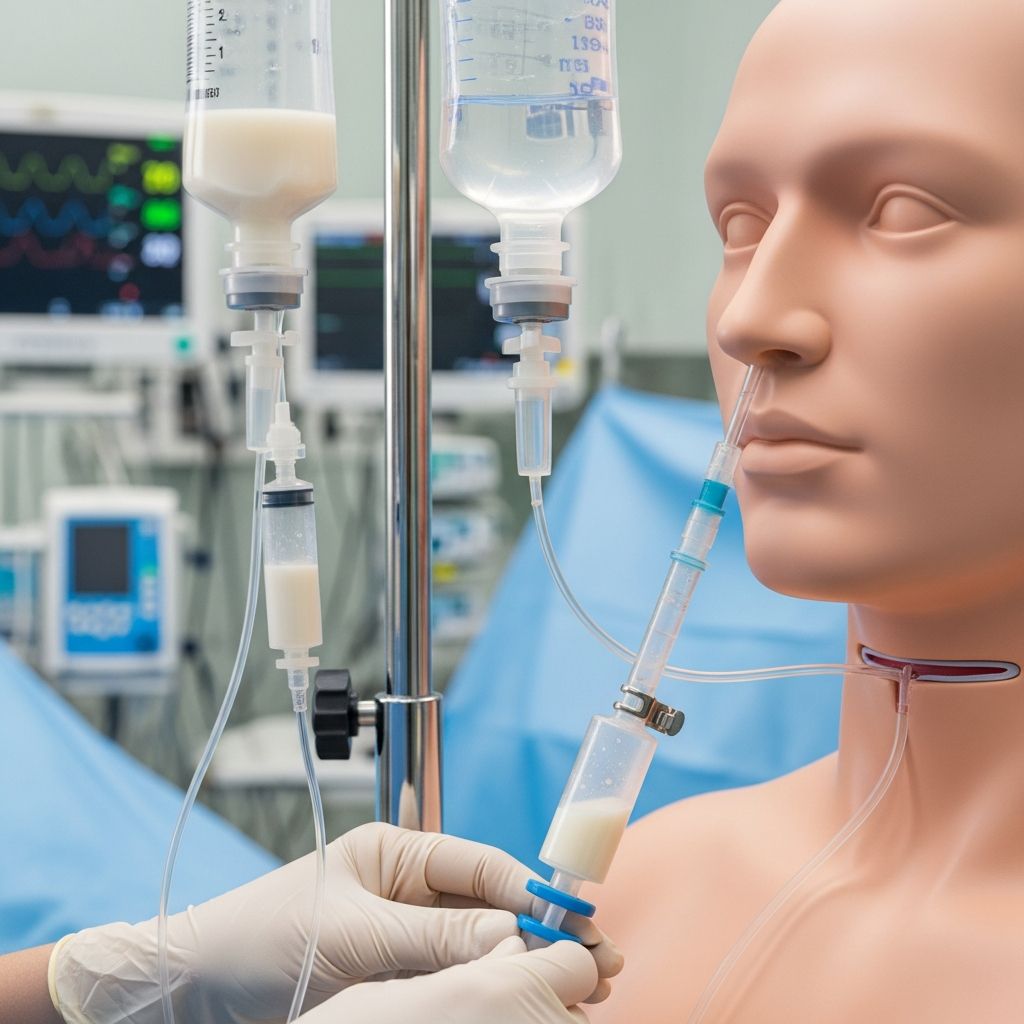
Tube feeding through nasogastric (NG) or nasojejunal (NJ) tubes delivers essential nutrition directly into the stomach or small intestine for individuals unable to eat normally. These methods, known as enteral nutrition, support recovery in conditions like severe pancreatitis, gastrointestinal disorders, or post-surgical care by providing nutrients while preserving gut function.
Understanding Enteral Nutrition Basics
Enteral nutrition uses the digestive system to process liquid formulas, unlike parenteral methods that bypass it entirely. NG tubes end in the stomach, allowing natural mixing with gastric juices, while NJ tubes extend into the jejunum, the middle small intestine section, to bypass stomach activity. This distinction matters for patients with specific digestive challenges.
Nutrition via these tubes starts ideally within 48 hours of acute illness to maintain mucosal integrity and reduce infection risks compared to intravenous feeding. Both tube types are nasal-inserted, flexible devices suited for short-term use, typically weeks rather than months.
Key Differences Between NG and NJ Tubes
| Feature | Nasogastric (NG) Tube | Nasojejunal (NJ) Tube |
|---|---|---|
| Endpoint | Stomach | Jejunum (small intestine) |
| Insertion Ease | Bedside, simple procedure | Often requires fluoroscopy or endoscopy |
| Typical Use | Short-term feeding, medication delivery | Pancreatitis, gastric motility issues |
| Replacement at Home | Possible with training | Requires medical professional |
| Cost and Availability | Lower cost, widely available | Higher, specialized equipment needed |
NG tubes suit most short-term needs due to simplicity, while NJ tubes target scenarios needing pancreatic rest or gastric bypass.
When NG Tubes Are the Preferred Choice
Nasogastric tubes excel in urgent situations requiring quick nutrition. Inserted through the nostril, they pass the esophagus to the stomach without imaging in routine cases. Healthcare providers confirm placement via pH testing of aspirated fluid or X-ray for safety, preventing errors like lung insertion.
- Ideal for unconscious patients or those with swallowing difficulties.
- Supports medication administration and gastric decompression.
- Common in hospitals for dehydration or post-operative recovery.
Studies show NG feeding matches NJ outcomes in severe acute pancreatitis, with no significant differences in mortality, feeding success, or complications, making it a practical first-line option.
Ideal Scenarios for NJ Tube Feeding
Nasojejunal tubes reach beyond the stomach into the jejunum, often using fluoroscopy for precise positioning past the ligament of Treitz. This placement minimizes pancreatic stimulation, theoretically aiding inflamed pancreas rest, though evidence questions clear superiority over NG methods.
- Beneficial for gastroparesis or outlet obstructions.
- Reduces aspiration risk in high-risk patients.
- Used when gastric feeding causes intolerance.
Despite theoretical benefits, randomized trials involving over 200 patients found no mortality or complication differences between NG and NJ in pancreatitis cases, highlighting equal efficacy.
Insertion Procedures Step-by-Step
NG Tube Insertion
- Patient sits upright; provider lubricates tube tip.
- Guide through nostril, aiming back then down, patient swallows to advance.
- Mark at nostril matches measured length to stomach.
- Confirm via air auscultation, pH check (<5.5), or X-ray.
Related Stories



NJ Tube Insertion
- Similar initial nasal passage, but advanced further.
- Fluoroscopy or endoscopy ensures jejunal position.
- Post-insertion X-ray verifies distal placement.
- Requires radiology expertise, delaying start compared to NG.
NG procedures take minutes at bedside; NJ may need specialized teams, impacting timely nutrition.
Managing Daily Tube Feeding Regimens
Feeding involves specialized formulas at controlled rates via pumps. Start slow to assess tolerance, flushing tubes with water prevents clogs. Bolus feeds mimic meals; continuous infusions suit sensitive patients.
- Formula Selection: Tailored to needs—polymeric for standard, elemental for malabsorption.
- Schedule: 4-6 boluses daily or 24-hour drip.
- Monitoring: Residual volumes, hydration, bowel sounds.
Caregivers learn flushing, site checks, and formula storage for home use.
Potential Risks and Complication Prevention
Both tubes carry risks like displacement, clogging, or sinusitis from nasal irritation. NG poses higher aspiration pneumonia risk if reflux occurs; NJ mitigates this but increases diarrhea chances from rapid delivery.
| Complication | NG Risk | NJ Risk | Prevention |
|---|---|---|---|
| Aspiration | Moderate | Low | Elevate head, check residuals |
| Tube Misplacement | Low with checks | Higher without imaging | X-ray confirmation |
| Diarrhea/Nausea | Low | Moderate | |
| Infection | Low | Low | Strict hygiene |
Trials report similar overall complication rates, emphasizing vigilant monitoring over route choice.
Care Tips for Home Tube Feeding
Discharge training covers tube replacement (NG only), formula handling, and emergency signs like tube pull-out or formula intolerance. NJ dislodgement demands immediate medical return.
- Secure tubes with tape or devices to prevent pulls.
- Clean nostril site daily, rotate nostrils.
- Report fever, vomiting, or skin breakdown promptly.
- Stock supplies; learn pump operation.
Home NG management empowers independence; NJ requires closer outpatient oversight.
Comparing Outcomes in Clinical Studies
Five randomized trials across countries compared NG vs. NJ in severe pancreatitis, finding no differences in death rates, infections, or hospital stays. Evidence quality is moderate, supporting either for most cases based on feasibility.
NG’s simplicity avoids delays from NJ’s technical demands, crucial for early feeding benefits like gut protection.
Transitioning to Long-Term Options
Short-term NG/NJ bridges to percutaneous tubes like gastrostomy (G-tube) for chronic needs. Factors include tube tolerance, nutritional goals, and anatomy.
- G-tubes for stomach feeding.
- J-tubes for jejunal access.
Frequently Asked Questions (FAQs)
Can I eat by mouth with a feeding tube?
Depends on condition; some combine oral intake with tube feeds under guidance.
How often should tubes be changed?
NG: Every 4-6 weeks or if damaged; NJ: Professional replacement as needed.
Does tube feeding hurt?
Insertion may cause brief discomfort; proper numbing helps.
What if the tube comes out at night?
NG: Replace if trained; NJ: Seek emergency care.
Are there dietary restrictions for caregivers?
No, but handle formulas sterilely to avoid contamination.
Psychological and Lifestyle Adjustments
Tube feeding impacts body image and social eating. Support groups aid coping; focus on benefits like weight stabilization and energy restoration. Families adapt meals around pump schedules, fostering normalcy.
References
- Nasogastric versus nasojejunal tube feeding for severe acute pancreatitis — Cochrane Database of Systematic Reviews (PMC). 2020-03-24. https://pmc.ncbi.nlm.nih.gov/articles/PMC7098540/
- Feeding Tubes – NG and NJ Tubes — American Academy of Pediatrics. Accessed 2026. https://publications.aap.org/patiented/article/doi/10.1542/ppe_schmitt_451/199153/Feeding-Tubes-NG-and-NJ-Tubes
- Tube Feeding (Enteral Nutrition) — Cleveland Clinic. 2023. https://my.clevelandclinic.org/health/treatments/21098-tube-feeding–enteral-nutrition
- Types of Feeding Tubes and Devices — St. Jude Children’s Research Hospital. Accessed 2026. https://together.stjude.org/en-us/medical-care/clinical-nutrition/types-of-tubes-and-devices.html
- Tube Tips: Coming Home With a NG or NJ Feeding Tube — TubeFed. 2021-06-30. https://tubefed.com.au/newsletter/tube-tips-coming-home-with-a-ng-or-nj-feeding-tube/
Similar Articles








Read full bio of medha deb