Niacinamide Benefits: Complete Guide to Vitamin B3 for Skin Health
Discover how niacinamide transforms skin health with anti-aging, anti-inflammatory, and barrier-repair benefits.
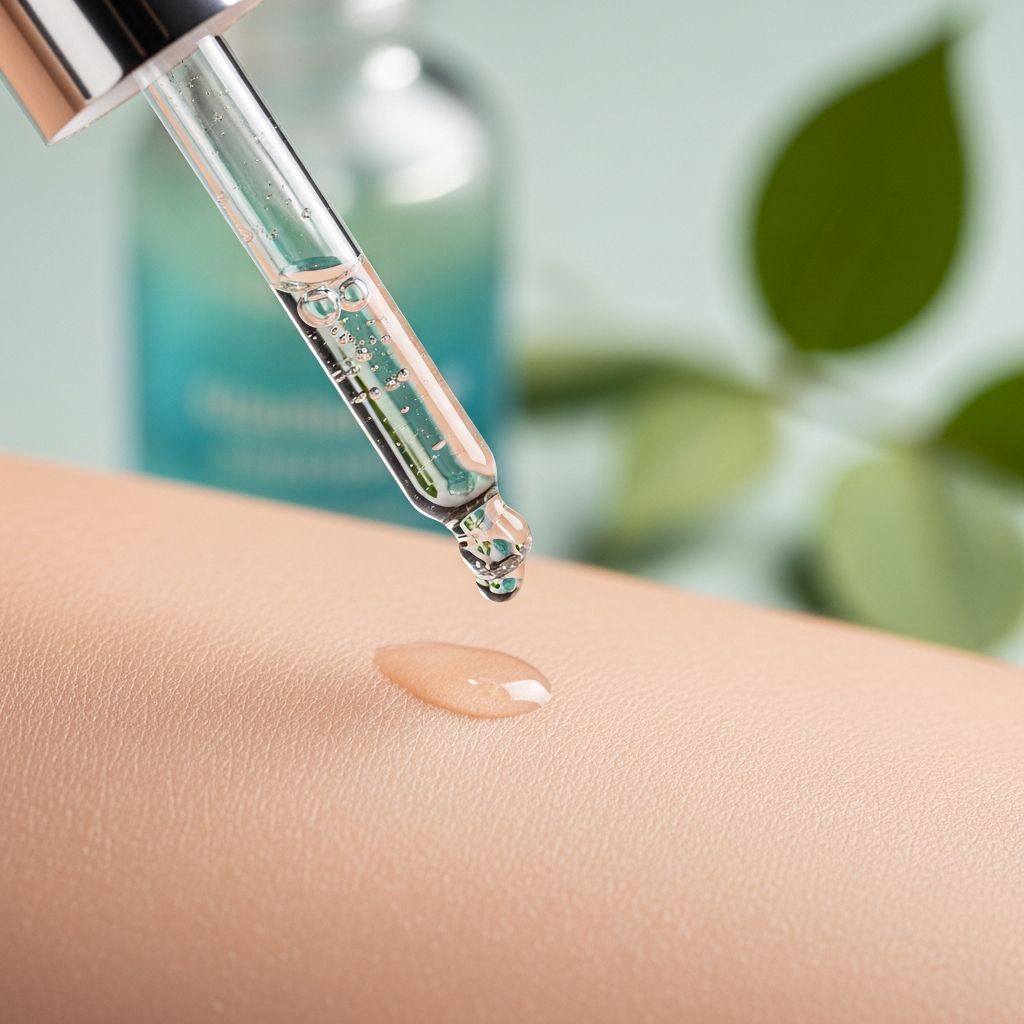
Niacinamide, commonly known as vitamin B3, has become one of the most sought-after ingredients in modern skincare. This powerhouse nutrient is a form of niacin that plays a crucial role in maintaining healthy skin and addressing numerous dermatological concerns. Whether you struggle with acne, signs of aging, or sensitive skin, niacinamide offers a multifaceted approach to achieving clearer, more youthful-looking skin. Understanding what niacinamide does and how to incorporate it into your skincare routine can transform your complexion and overall skin health.
What Is Niacinamide?
Niacinamide is a water-soluble B vitamin that serves as a precursor to NAD+, a coenzyme essential for cellular energy production and redox balance in the body. This vitamin is not something your body naturally produces in significant quantities, making it important to obtain through dietary sources or topical skincare products. Niacinamide is considered safe and well-tolerated, making it an excellent choice for individuals with various skin types, including sensitive skin. The ingredient works at the cellular level to support skin barrier function and regulate multiple biological processes that directly impact skin appearance and health.
Unlike some skincare ingredients that target a single concern, niacinamide functions as a multitasking marvel that addresses numerous skin issues simultaneously. Its versatility stems from its ability to influence cellular metabolism, regulate inflammatory responses, and provide powerful antioxidant protection. This comprehensive approach has made niacinamide a staple ingredient in serums, moisturizers, and treatment products across the skincare industry.
Reduces Inflammation and Soothes Irritated Skin
One of niacinamide’s most well-documented benefits is its potent anti-inflammatory activity. If your skin is red, irritated, or blotchy, niacinamide can help calm the irritation, making it particularly valuable for individuals with sensitive skin, acne, or rosacea. The ingredient works by reducing inflammatory cytokine release and inhibiting mast cell degranulation, which are key drivers of skin inflammation.
The anti-inflammatory properties of niacinamide extend beyond simple redness reduction. Clinical studies have demonstrated that niacinamide provides significant improvements in erythema (redness), blotchiness, and inflammation-related skin conditions. This makes it an excellent choice for managing chronic inflammatory skin disorders without the harsh side effects associated with some prescription treatments. The ingredient’s ability to calm inflammation without disrupting the skin’s natural balance is why dermatologists frequently recommend it for sensitive skin types.
Combats Acne and Regulates Sebum Production
Niacinamide has proven clinical effectiveness in treating inflammatory acne vulgaris, one of the most common skin conditions affecting teenagers and adults. The ingredient tackles acne through multiple mechanisms: it reduces sebum production, provides anti-inflammatory benefits, and demonstrates antimicrobial effects. By lowering the amount of oil produced by sebaceous glands, niacinamide helps prevent the clogged pores that lead to acne formation.
For individuals with oily skin, niacinamide’s sebum-regulating properties are particularly beneficial. The ingredient helps maintain balanced oil production without over-drying the skin, which can trigger even more sebum secretion as a compensatory response. Additionally, niacinamide’s antimicrobial properties help combat the bacteria associated with acne development, while its anti-inflammatory action reduces the redness and irritation characteristic of acne breakouts.
Strengthens and Repairs the Skin Barrier
The skin barrier, also called the stratum corneum, is the outermost layer of skin responsible for keeping out bacteria and environmental pollutants while locking in moisture and nutrients. Niacinamide plays a crucial role in supporting this essential barrier function. Research suggests that niacinamide helps support the skin’s ceramide barrier—lipids that are fundamental to barrier integrity. By promoting ceramide synthesis and enhancing intercellular lipid production, niacinamide strengthens the skin barrier and improves its ability to retain moisture.
Related Stories



A stronger skin barrier translates to multiple benefits: increased hydration, reduced sensitivity, improved skin texture, and a more resilient complexion that is less prone to irritation. This barrier-supporting function is especially important for individuals with compromised skin barriers due to conditions like atopic dermatitis or those who have damaged their barrier through excessive exfoliation or use of harsh products.
Anti-Aging Benefits and Fine Line Reduction
Niacinamide is an excellent addition to any anti-aging skincare routine due to its comprehensive approach to preventing premature aging. The ingredient addresses aging through multiple pathways: it protects against oxidative stress, supports collagen preservation, and improves skin hydration—all factors that contribute to a more youthful appearance.
Oxidative stress, caused by free radicals from environmental factors like sun exposure and pollution, is considered the core driving force in cutaneous aging. Niacinamide acts as a potent antioxidant, tackling oxidative stress at the cellular level. More moisture in the skin equals plumper skin, less dullness, and less-noticeable fine lines and wrinkles. Clinical trials have demonstrated improvement in fine lines, wrinkles, and the general appearance of skin with regular niacinamide use. The ingredient’s anti-inflammatory and anti-senescence properties further contribute to its anti-aging efficacy by reducing cellular damage and supporting cellular longevity.
Reduces Hyperpigmentation and Evening Skin Tone
Hyperpigmentation and uneven skin tone are common concerns that can significantly impact skin appearance and confidence. Niacinamide addresses these issues through its ability to inhibit melanosome transfer, the process by which melanin is distributed throughout the skin. By reducing this transfer, niacinamide helps achieve a lighter, more uniform skin tone and reduces the appearance of dark spots and blemishes.
This pigmentation-reducing benefit is particularly valuable for individuals dealing with melasma, post-inflammatory hyperpigmentation, or age spots. Studies have shown that niacinamide provides significant improvements in hyperpigmentation spots and helps reduce skin sallowness. A personalized approach using niacinamide-based products according to individual skin types and conditions is essential for achieving optimal results in reducing blemishes and dark spots while improving overall skin brightness.
Protects Against Environmental Damage and Oxidative Stress
Our skin faces constant assault from environmental stressors including ultraviolet rays, pollution, and toxins. Niacinamide helps protect skin cells from these environmental stresses while supporting their regeneration. The ingredient’s potent antioxidant activity neutralizes free radicals that cause oxidative damage, one of the primary mechanisms of skin aging and disease development.
Beyond antioxidant protection, niacinamide increases the enzymatic activity of catalase, an antioxidant enzyme that transforms hydrogen peroxide into oxygen and water. This dual approach to combating oxidative stress—both direct antioxidant action and enzymatic support—provides comprehensive protection against environmental damage. While niacinamide offers significant protection, it is still important to protect your skin with sunscreen and covering when spending time outdoors, as niacinamide should complement rather than replace sun protection strategies.
Improves Skin Hydration and Texture
Hydration is fundamental to healthy, youthful-looking skin, and niacinamide supports skin hydration through multiple mechanisms. By strengthening the skin barrier and promoting ceramide synthesis, niacinamide enhances the skin’s natural moisture retention capabilities. The result is more hydrated, plump skin that appears smoother and more refined.
Improved hydration also translates to better overall skin texture. Hydrated skin cells reflect light more effectively, creating a natural glow and making the skin appear healthier and more vibrant. For individuals with dry or dehydrated skin, incorporating niacinamide into their routine can dramatically improve skin feel and appearance without adding heavy or occlusive ingredients.
Treats Specific Skin Conditions
Beyond general skin health benefits, niacinamide has demonstrated efficacy in treating specific dermatological conditions:
- Rosacea: The anti-inflammatory and redness-reducing properties make niacinamide beneficial for managing rosacea symptoms.
- Psoriasis: Clinical evidence supports niacinamide’s use in managing psoriasis through its anti-inflammatory mechanisms.
- Atopic Dermatitis: Niacinamide successfully treats atopic dermatitis by reducing inflammation and improving barrier function.
- Contact Dermatitis: The anti-inflammatory properties help ease symptoms of contact dermatitis.
- Cutaneous Lupus Erythematosus: Topical formulations and oral supplements have shown significant improvement in this autoimmune condition.
These clinical applications demonstrate that niacinamide’s benefits extend far beyond cosmetic enhancement, offering therapeutic value for individuals with chronic skin conditions.
Potential Systemic Health Benefits
While niacinamide is primarily used in skincare, emerging research indicates potential benefits beyond dermatological applications. The ingredient may function as adjuvant therapy in arthritis through its anti-inflammatory action, potentially helping decrease pain associated with osteoarthritis. Additionally, niacinamide has been clinically used to treat systemic conditions including pellagra, schizophrenia, and type 1 diabetes, with research suggesting potential for beta-cell preservation.
The ingredient also shows promise in chronic kidney disease management for phosphate reduction and potential adjuvant therapy in neurological disorders. Furthermore, some research indicates that niacinamide may support skin cancer prevention by reducing non-melanoma skin cancer incidence in high-risk groups. These systemic applications highlight niacinamide’s multifaceted role in overall health beyond superficial skin benefits.
How to Use Niacinamide in Your Skincare Routine
Incorporating niacinamide into your skincare routine is straightforward, as the ingredient is well-tolerated and compatible with most other skincare actives. Niacinamide is available in various formulations including:
- Serums and essences for concentrated delivery
- Moisturizers for daily hydration and barrier support
- Cleansers for gentle daily cleansing
- Targeted treatments for specific concerns
- Body products including scrubs with jojoba beads for exfoliation and hydration
For best results, apply niacinamide to clean, damp skin, allowing it to absorb fully before applying other products. You can use niacinamide both morning and night, making it a flexible addition to any skincare routine. The ingredient’s effectiveness increases with consistent use, so incorporating it as a regular part of your routine is important for seeing optimal results.
Safety and Tolerability
Niacinamide is considered safe at low and moderate doses and is well-tolerated by most skin types, including sensitive skin. The ingredient has demonstrated good safety record in both topical and oral applications. However, it is advisable to check with a healthcare provider before trying niacinamide supplements, particularly if you have existing health conditions or take medications.
When introducing any new skincare ingredient, including niacinamide, it is prudent to perform a patch test first to ensure no adverse reactions occur. Most individuals experience no side effects and can enjoy the comprehensive benefits niacinamide offers.
Frequently Asked Questions
Q: What is niacinamide and where does it come from?
A: Niacinamide is a water-soluble form of vitamin B3 (niacin) that serves as a precursor to NAD+, an essential coenzyme for cellular energy. It can be obtained through dietary sources, supplements, or topical skincare products, making it a versatile nutrient for supporting skin and overall health.
Q: Is niacinamide suitable for all skin types?
A: Yes, niacinamide is well-tolerated and suitable for virtually all skin types, including sensitive, oily, dry, and combination skin. Its ability to regulate sebum, strengthen the barrier, and reduce inflammation makes it universally beneficial for most individuals.
Q: How long does it take to see results from using niacinamide?
A: Results vary depending on the skin concern and individual factors, but many people notice improvements in redness and irritation within 2-4 weeks. More significant benefits like reduction in fine lines, improved texture, and more even skin tone typically become apparent with consistent use over 8-12 weeks.
Q: Can niacinamide be used with other skincare actives?
A: Yes, niacinamide is compatible with most other skincare ingredients, including retinoids, vitamin C, hyaluronic acid, and chemical exfoliants. Its gentle nature and complementary mechanisms make it an excellent addition to comprehensive skincare routines.
Q: Are there any side effects associated with niacinamide?
A: Niacinamide is generally very safe and well-tolerated with minimal side effects. Some individuals may experience mild flushing when taking niacinamide supplements orally, but topical application rarely causes adverse reactions. Always consult with a healthcare provider before starting supplements.
Q: Does niacinamide provide sun protection?
A: While niacinamide offers antioxidant protection against environmental damage, it does not replace sunscreen. You should continue using broad-spectrum SPF 30 or higher daily and wearing protective clothing when outdoors, as niacinamide is a complementary rather than alternative sun protection strategy.
Q: Can niacinamide help with dark spots and hyperpigmentation?
A: Yes, niacinamide is particularly effective for reducing hyperpigmentation and dark spots through its ability to inhibit melanosome transfer, the process by which melanin is distributed. Clinical studies have demonstrated significant improvements in hyperpigmentation spots with regular niacinamide use.
Q: Is niacinamide effective for treating acne?
A: Yes, niacinamide has proven clinical effectiveness for treating acne through multiple mechanisms: reducing sebum production, providing anti-inflammatory benefits, and demonstrating antimicrobial effects. It is particularly beneficial for inflammatory acne and works well with other acne-fighting ingredients.
References
- Mechanistic Insights into the Multiple Functions of Niacinamide — National Center for Biotechnology Information (NCBI). 2024. https://pmc.ncbi.nlm.nih.gov/articles/PMC11047333/
- Niacinamide efficacy in skin therapy: The multitasking marvel for glowing skin—A comprehensive literature review — Cosmoderma. https://cosmoderma.org/niacinamide-efficacy-in-skin-therapy-the-multitasking-marvel-for-glowing-skin-a-comprehensive-literature-review/
- Niacinamide, a Type of Vitamin B3: Benefits, Side Effects, and Uses — Hers Health. https://www.forhers.com/blog/vitamin-b3-niacinamide
- Niacinamide Benefits: Why It’s Essential for Healthy Skin — Women’s Health Magazine. https://www.womenshealthmag.com/beauty/a64500111/what-is-niacinamide-skin-care/
- Niacinamide: Skin Benefits, Risks, and More — Healthline. https://www.healthline.com/health/beauty-skin-care/niacinamide
Similar Articles








Read full bio of medha deb