Nickel Allergy: Diagnosis, Treatment, And Prevention Guide
Understanding nickel allergy: causes, symptoms, diagnosis, treatment, and prevention strategies for this common contact dermatitis.
What is nickel allergy?
Nickel allergy is a form of
allergic contact dermatitis
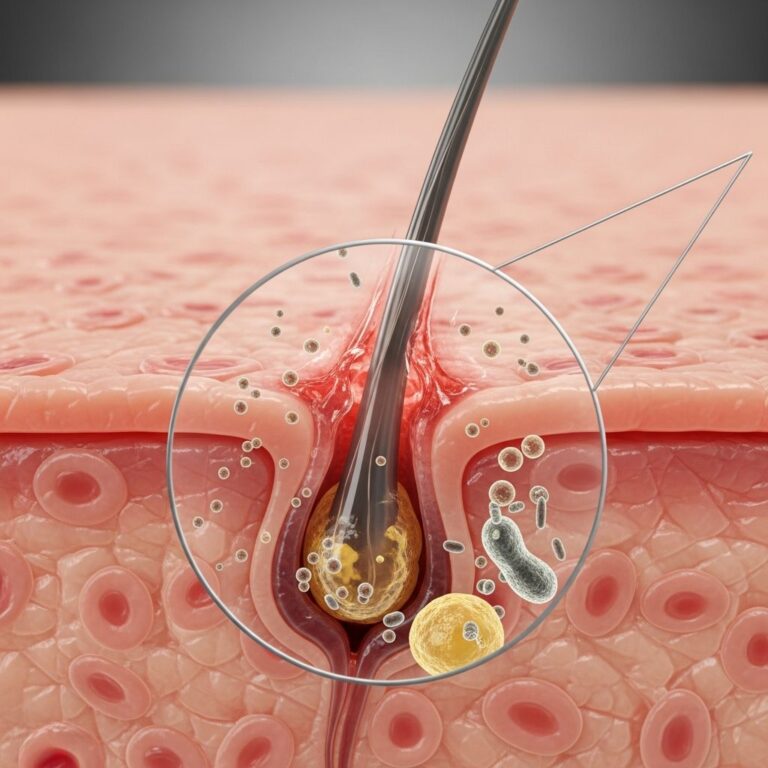
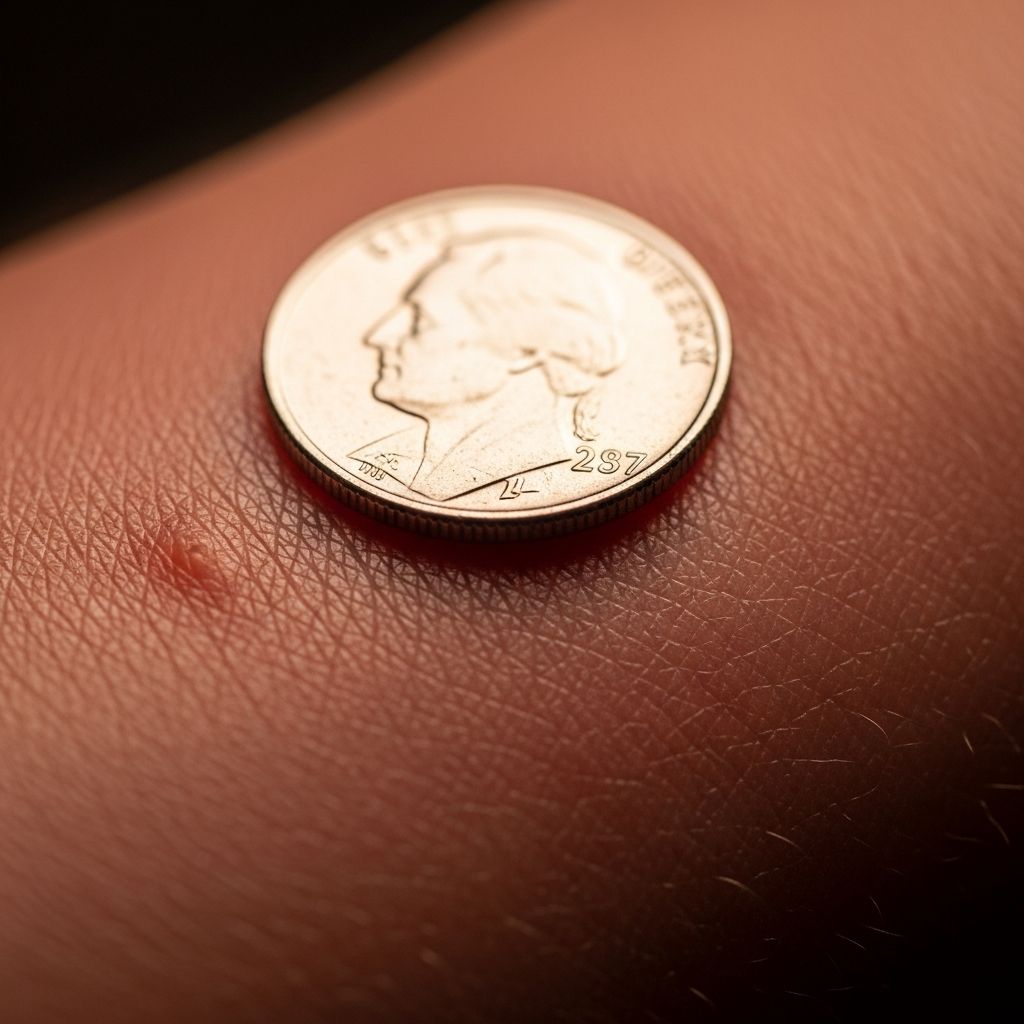
(ACD), which is a T-cell mediated type 4 delayed hypersensitivity reaction to nickel salts. It is the most common cause of ACD, affecting up to 18% of people in North America, including over 11 million children in the U.S. Sensitization occurs when nickel ions penetrate the skin barrier, triggering an immune response. Once sensitized, even small amounts of nickel can elicit reactions upon re-exposure.Nickel is a ubiquitous metal found in alloys, coins, jewelry, and consumer products. Alloys like stainless steel may contain nickel but often release insufficient ions to cause reactions. The condition is more prevalent in women due to higher exposure from jewelry and piercings.
Who gets nickel allergy?
Nickel allergy affects individuals of all ages but is particularly common in young women and girls due to earlobe piercings and jewelry use. Prevalence rates vary:
- 10–20% in females
- 1–3% in males
- Increasing in children due to fashion trends
Genetic predisposition plays a role, with family history increasing risk. Occupational exposure in metalworkers, hairdressers, and healthcare workers also contributes. Darker skin tones may show hyperpigmentation rather than typical redness.
What causes nickel allergy?
Nickel allergy develops in two phases: sensitization and elicitation. During sensitization, repeated skin contact with nickel ions (released from metals via sweat or corrosion) activates Langerhans cells, leading to T-lymphocyte proliferation specific to nickel. Subsequent exposure causes cytokine release, resulting in inflammation.
Common sources include:
- Jewelry: Earrings, necklaces, rings (especially cheap costume jewelry)
- Clothing items: Snaps, zippers, buckles, bra hooks
- Personal items: Watches, glasses frames, cell phones, keys
- Household: Coins, utensils, tools
- Medical: Dental braces, prosthetics (rarely)
- Food and water: High-nickel diets or contaminated water (systemic nickel allergy syndrome)
Sweat accelerates nickel release from metals, worsening reactions in humid climates.
What are the clinical features of nickel allergy?
Symptoms typically appear 12–48 hours after exposure, peaking at 2–5 days. Initial signs include:
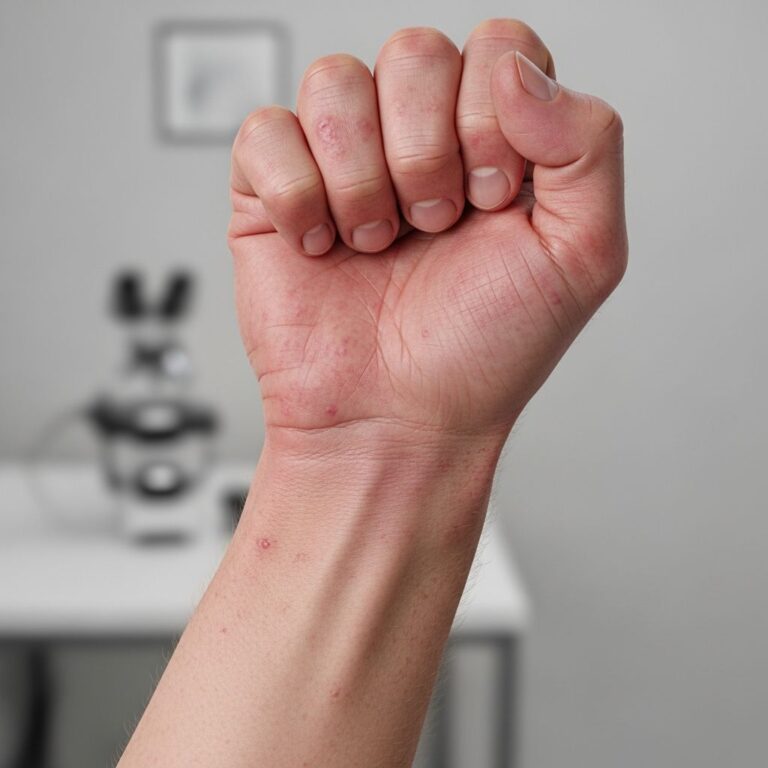
- Erythema and itching at contact sites
- Eczematous rash: vesicles, scaling, lichenification with chronicity
Common locations:
| Site | Common Triggers |
|---|---|
| Lobules and ear canals | Earrings, piercings |
| Neck, wrists, fingers | Necklaces, watches, rings |
| Abdomen, thighs | Belt buckles, jean studs |
| Eyelids, face | Auto-transfer from hands/hair clips |
| Hands, feet | Tools, coins, shoes |
Systemic reactions from dietary nickel cause generalized flares (systemic nickel allergy syndrome), with gastrointestinal symptoms in severe cases. On darker skin, rashes appear as hyperpigmented, dry patches. Chronic exposure leads to persistent dermatitis.
How is nickel allergy diagnosed?
Diagnosis combines history, examination, and
patch testing
, the gold standard.Patch testing: Standardized allergens (e.g., 5% nickel sulfate in petrolatum) are applied to the back under occlusive patches for 48 hours. Reactions are graded at day 2 and day 4–5:
- + Weak reaction
- ++ Strong edema/vesicles
- +++ Intense bullae/spreading
Open application tests assess suspect products like cosmetics. Dimethylglyoxime (DMG) spot tests detect nickel in objects (pink color indicates presence). Avoid testing during active dermatitis to prevent false positives.
Related Stories



What is the differential diagnosis for nickel allergy?
Conditions mimicking nickel ACD include:
- Irritant contact dermatitis: From soaps, detergents (immediate onset)
- Atopic dermatitis: Flexural, personal/family atopy history
- Other metal allergies: Cobalt, chromate (co-sensitizers)
- Infections: Tinea, impetigo
- Photosensitive disorders: If sun-exposed
Patch testing differentiates ACD from others.
What is the treatment for nickel allergy?
Treatment focuses on allergen avoidance and symptom relief.
Topical therapies
- Corticosteroids: Medium-potency (e.g., triamcinolone 0.1%) for 2–4 weeks; avoid prolonged use to prevent atrophy
- Non-steroidal: Tacrolimus (Protopic®), ruxolitinib (Opzelura®), crisaborole (Eucrisa®) for sensitive areas
- Emollients: Ceramide-rich, fragrance-free moisturizers restore barrier
Systemic therapies
- Oral antihistamines: Loratadine, cetirizine for itch (diphenhydramine at night)
- Oral corticosteroids: Prednisone burst for severe/widespread disease (short-term only)
- Phototherapy: Narrowband UVB for refractory cases
Home care
- Cool wet compresses with aluminum acetate or oatmeal
- Menthol/calamine lotions
- Avoid scratching to prevent infection
See a provider for blisters, fever, or non-resolving rash.
How can nickel allergy be prevented?
Avoidance is key:
- Jewelry: Choose surgical stainless steel (316L), titanium, niobium, high-karat gold, platinum. Use DMG test kits
- Clothing: Plastic covers over snaps/zippers; seam-free underwear; nickel-free bras
- Personal care: Barrier creams (e.g., with dimethicone); hypoallergenic watches
- Diet: Low-nickel for systemic cases: avoid chocolate, nuts, legumes, tea, canned foods
- Hygiene: Rinse skin post-exposure; harden skin with tannic acid
EU regulations limit nickel release in piercings (<0.5 µg/cm²/week).
Clinical variants of nickel allergy
- Piercing reactions: Lichenoid or eczematous around studs
- Systemic nickel allergy syndrome (SNAS): Dermatitis + GI symptoms from diet
- Occupational: Hands in metal handlers
Investigations for nickel allergy
Beyond patch testing: biopsy shows spongiosis, lymphocyte infiltrate. Rarely, blood tests for metal ions.
Management of nickel allergy
Multidisciplinary: dermatologist for testing, allergist for immunotherapy trials, dietitian for low-nickel diets. Patient education on avoidance is crucial.
Prognosis and complications
With avoidance, most improve in weeks. Chronic exposure leads to persistent ACD, secondary infection, or anxiety. Rare anaphylaxis from implants.
History of nickel allergy recognition
First described in 1920s; patch testing standardized in 1970s. Rising due to consumerism.
Frequently Asked Questions
What does a nickel allergy rash look like?
A red, itchy, bumpy rash at contact sites; vesicles or dry scales chronically. Darker skin shows hyperpigmentation.
Can nickel allergy be cured?
No cure, but avoidance prevents flares. Desensitization diets may help SNAS.
Is stainless steel safe for nickel allergy?
High-grade (e.g., 316L) releases little nickel; test individually.
How long does a nickel rash last?
2–4 weeks with treatment and avoidance.
Does diet affect nickel allergy?
Yes, high-nickel foods (soy, oats) can cause systemic flares.
References
- Nickel allergy – Diagnosis & treatment — Mayo Clinic. 2023-10-15. https://www.mayoclinic.org/diseases-conditions/nickel-allergy/diagnosis-treatment/drc-20351534
- Nickel Allergy: What To Look For (And Avoid) — Eternal Dermatology. 2024-05-20. https://www.eternaldermatology.com/nickel-allergy-what-to-look-for-and-avoid/
- Is Your Rash From a Nickel Allergy? — GoodRx. 2025-01-10. https://www.goodrx.com/conditions/skin-allergy/nickel-allergy
- Nickel allergy: How to avoid exposure and reduce symptoms — American Academy of Dermatology (AAD). 2024-08-01. https://www.aad.org/public/diseases/eczema/insider/nickel-allergy
- Human Health Fact Sheet 1: Nickel Allergic Contact Dermatitis — Nickel Institute. 2023-11-12. https://nickelinstitute.org/en/science/human-health-fact-sheets/fact-sheet-1-nickel-allergic-contact-dermatitis/
- Nickel Allergy — StatPearls, NCBI Bookshelf. 2024-07-22. https://www.ncbi.nlm.nih.gov/books/NBK557638/
- Diet in the Management of Nickel Allergy — Academy of Nutrition and Dietetics. 2023-06-05. https://www.eatrightpro.org/news-center/practice-trends/diet-in-the-management-of-nickel-allergy
Similar Articles








Read full bio of Sneha Tete