Nicotinamide Benefits: Science-Backed Health Uses
Discover evidence-based benefits of nicotinamide for skin, brain health, and disease prevention.

Nicotinamide, also known as niacinamide or vitamin B3, is far more than a simple nutritional supplement. Emerging scientific evidence reveals that this naturally occurring compound plays a multifaceted role in maintaining cellular health, preventing disease, and potentially reversing certain types of cellular damage. From protecting skin against ultraviolet radiation to supporting neurological function, nicotinamide has become the focus of intensive research in preventive and regenerative medicine.
What Is Nicotinamide and How Does It Work?
Nicotinamide is a form of vitamin B3 that serves as a precursor to nicotinamide adenine dinucleotide (NAD+), a coenzyme essential for cellular energy production and DNA repair. Unlike niacin (another form of vitamin B3), nicotinamide does not cause the flushing sensation that some people experience. The compound works by restoring cellular energy, repairing DNA damage, and suppressing inflammation by inhibiting the release of pro-inflammatory cytokines.
NAD+ levels naturally decline with age, contributing to many age-related diseases and conditions. By increasing nicotinamide intake through supplements or dietary sources, individuals can boost NAD+ levels and activate important cellular pathways, including sirtuins (SIRT1 and SIRT3), which are involved in longevity and metabolic health.
Skin Health and Cancer Prevention
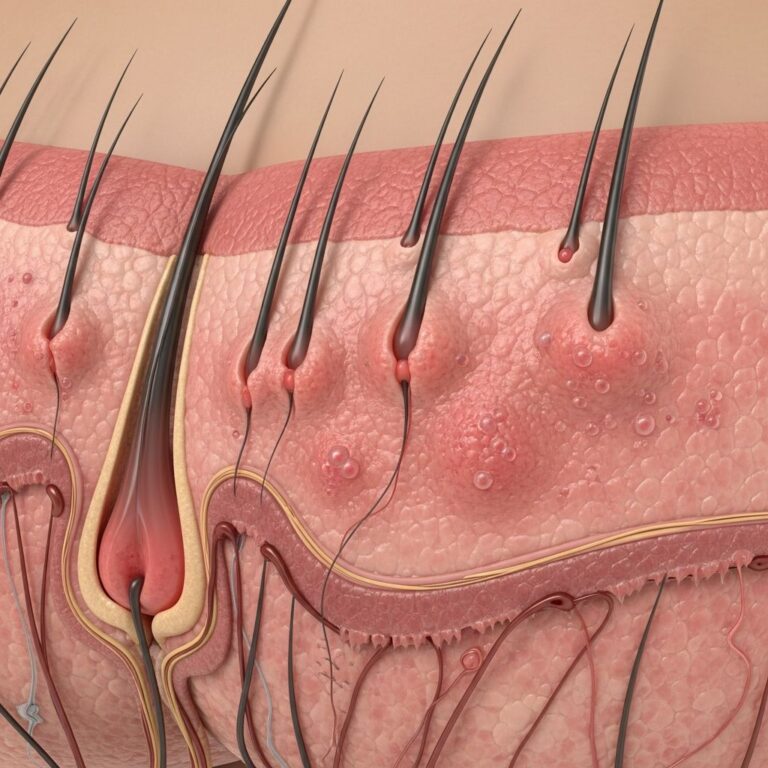
One of the most well-researched applications of nicotinamide is its protective effect on skin health. Clinical studies have demonstrated that topical nicotinamide provides a wide range of benefits for improving the appearance of aging facial skin while simultaneously protecting against serious skin conditions.
Non-Melanoma Skin Cancer Prevention
A landmark randomized trial published by Chen et al. in 2015 showed that oral nicotinamide significantly reduced the incidence of new non-melanoma skin cancers and actinic keratoses in high-risk individuals, including kidney transplant recipients. Additionally, two Australian phase 2, double-blind, randomized, placebo-controlled trials reported that a daily dose of 500 mg oral nicotinamide led to a reduction in precancerous lesions and in situ skin carcinomas after just four months of treatment.
The mechanism behind this protective effect is well-established: nicotinamide enhances repair of UV radiation-induced DNA damage in human melanocytes and keratinocytes. This enhanced DNA repair capacity helps prevent the mutations that can lead to skin cancer development.
Acne, Atopic Dermatitis, and Other Skin Conditions
Beyond cancer prevention, nicotinamide supplementation has proven effective for treating common dermatological conditions. Studies show that NAM is extensively used in the treatment of:
- Acne vulgaris
- Atopic dermatitis (eczema)
- Rosacea
- Blistering diseases
- Photodamaged skin
For atopic dermatitis specifically, clinical studies involving 84 patients treated with nicotinamide-based topical products showed significant reductions in clinical severity scores and questionnaire results compared to control groups. Improvements in skin barrier function and hydration were also documented, indicating nicotinamide’s ability to restore skin integrity.
Interestingly, nicotinamide shows a synergistic effect when combined with topical tacrolimus, allowing for a reduction in the required dose of this immunosuppressive medication for effective dermatitis treatment.
Related Stories



Neurological Health and Neuroprotection
Beyond skin benefits, nicotinamide plays a crucial role in protecting the nervous system from injury and degeneration. Research demonstrates that nicotinamide appears to play a role in protecting neurons from traumatic injury, ischaemia (reduced blood flow), and stroke, as well as being implicated in key neurodegenerative diseases.
Traumatic Brain Injury (TBI)
Studies show that infusion of nicotinamide via osmotic minipumps, starting 30 minutes following a controlled cortical impact injury, significantly reduced the lesion size. This neuroprotection was correlated with improvement of sensory, motor, and cognitive skills, with animals showing improved scores on bilateral tactile adhesive removal tasks, locomotor placing tasks, and memory paradigms.
More recent research showed further improvements in reducing cortical neuron loss after contusion injury when nicotinamide was co-administered with progesterone, resulting in significant decreases in cavitation, degenerating neurons, and reactive astrocytes.
Alzheimer’s Disease
Mitochondrial dysfunction and bioenergetic deficits are increasingly recognized as key mechanisms in Alzheimer’s disease development, interrupting synaptic plasticity and impairing learning and memory. Neuronal mitochondrial function can be improved through increased NAD+ and the activity of SIRT1 and SIRT3—pathways that nicotinamide activates.
In mouse models of Alzheimer’s disease, nicotinamide treatment diminished learning and memory impairment and reduced oxidative stress in both cell culture and animal models. Additionally, recent studies demonstrated that NAM supplementation reduced brain inflammation in transgenic mice models for Alzheimer’s disease.
Parkinson’s Disease
In Parkinson’s disease, the loss of dopamine-producing neurons in the substantia nigra is the hallmark pathological feature. In two mouse models of Parkinson’s disease, nicotinamide has demonstrated neuroprotective properties by attenuating striatal dopamine depletion and protecting substantia nigra pars compacta neurons in acute MPTP-treated mice. The ability for nicotinamide to increase levels of NADH or ATP may be therapeutic for compromised midbrain dopamine neurons.
Huntington’s Disease
For Huntington’s disease, nicotinamide delivered either through osmotic minipumps or in drinking water increased brain levels of brain-derived neurotrophic factor (BDNF) and PPARG (PGC-1α), concomitantly improving movement control. Behavioral improvements were measured in open-field, rotarod, and balance beam tasks.
Eye Health and Glaucoma
Nicotinamide has been proposed as a key player in protecting eye health. Overexpression of the Nmnat1 gene, which regulates nicotinamide metabolism, protected retinal ganglion cells from axonal degeneration and cell death after ischemic insult and chronic elevation of intraocular pressure—a model for glaucoma. In aged mouse models, oral delivery of nicotinamide prevented both retinal ganglion cell soma loss and thinning of the retinal nerve fiber layer.
Clinical studies also show that nicotinamide improved inner retinal and visual function in patients treated for glaucoma.
Mechanisms of Neuroprotection
Rather than simply acting as a nutritional factor, nicotinamide has been shown to both prevent and reverse injury of neuronal and endothelial cells through multiple mechanisms:
ATP and Energy Restoration
One primary mechanism by which nicotinamide acts is restoring ATP (adenosine triphosphate) levels within neurons. When neurons experience energy crises—such as in Parkinson’s disease where mitochondrial complex 1 is selectively inhibited—nicotinamide can ameliorate this through restoration of intracellular NAD+ and ATP levels.
DNA Stability and Membrane Integrity
Nicotinamide can support DNA stability and maintain membrane integrity, preventing cellular injury, programmed cell death (apoptosis), and vascular clot formation.
Calcium Signaling Regulation
Nicotinamide may also prevent neurodegeneration through altering calcium signaling. Calcium plays a major role in neuronal processes including axon elongation and response to external stimuli. However, axonal degeneration leads to inability to control calcium levels, and the resulting calcium rise within the axon creates neurotoxicity causing neuronal death. Nicotinamide helps regulate these dangerous calcium fluctuations.
Oxidative Stress Reduction
Multiple studies confirm that nicotinamide decreases reactive oxygen species (ROS) production and oxidative stress in various cell types and tissues. In a mouse model of optic nerve injury, NAM supplementation reduced oxidative stress and neuroinflammation, leading to improved vision.
Cellular Health and Anti-Aging Properties
Beyond specific disease applications, nicotinamide promotes broader cellular health and exhibits anti-aging properties. Studies show that NAM-treated human primary fibroblasts presented reduced aging markers expression, attenuated ROS production, decreased senescence, and restored cell cycle. Fibroblasts isolated from aged donors, when stimulated with NAM, present improved mitochondrial functions and bioenergetic availability.
Preclinical studies conducted on animal models confirmed the beneficial effects of NAM administration, showing improved lifespan and increased NAD+ levels. Overall, these findings suggest a beneficial role of NAM administration against aging and other diseases due to its ability to restore cellular energy and the absence of side effects at the daily tolerable dose.
Dietary Sources and Supplementation
Nicotinamide is naturally present in a variety of foods, making it an essential component of the daily diet. Rich dietary sources include:
- Meat and poultry
- Liver and organ meats
- Fish and seafood
- Yeast
- Legumes (beans, lentils)
- Nuts and seeds
- Whole grain products
- Green leafy vegetables
- Cereals
- Coffee and tea
For supplementation, nicotinamide has an excellent safety profile, even at high doses of up to 3 g/day, with no significant adverse effects reported at these levels.
Safety Profile and Considerations
Nicotinamide’s robust safety profile distinguishes it from other forms of vitamin B3. Unlike niacin, nicotinamide does not cause flushing or vasodilatation reactions. A deficiency of NAM is the primary cause of pellagra, an endemic disease characterized by dementia, diarrhea, and dermatitis, highlighting the importance of adequate intake.
The compound’s safety at high doses makes it an attractive option for preventive medicine and therapeutic applications without the concern for serious adverse effects that accompany many pharmaceutical interventions.
Current Research Gaps and Future Directions
While nicotinamide’s benefits are increasingly well-documented, questions remain regarding the precise mechanisms through which it exerts its beneficial effects—whether entirely through NAD-dependent pathways or via other yet-to-be-clarified molecular interactions. Future research may reveal additional applications and optimize dosing protocols for specific conditions.
Frequently Asked Questions
Q: What is the difference between nicotinamide and niacin?
A: Both are forms of vitamin B3, but nicotinamide does not cause the flushing sensation that niacin does. Nicotinamide is the form used in most supplement and skincare products.
Q: How much nicotinamide should I take daily?
A: Studies have used doses ranging from 500 mg to 3 g daily with excellent safety profiles. For skin cancer prevention, 500 mg daily was effective in clinical trials. Consult with a healthcare provider for personalized dosing recommendations.
Q: Can nicotinamide be used topically for skin benefits?
A: Yes, topical nicotinamide products have been shown to improve skin aging appearance, reduce acne, manage atopic dermatitis, and support overall skin health. Both oral and topical forms offer distinct benefits.
Q: Is nicotinamide safe for long-term use?
A: Yes, nicotinamide has an excellent safety profile even at high doses of up to 3 g/day with no significant adverse effects reported. However, individual sensitivities may vary, so it’s best to consult with a healthcare provider.
Q: Can nicotinamide help with neurodegenerative diseases?
A: Animal and cell culture studies show promising results for Alzheimer’s, Parkinson’s, and Huntington’s diseases. However, most clinical trials in humans are still ongoing, and more research is needed to establish definitive therapeutic protocols.
Q: Which foods are the best sources of nicotinamide?
A: Excellent sources include meat, fish, liver, legumes, nuts, whole grains, and green leafy vegetables. Most people can obtain adequate nicotinamide through a balanced diet.
References
- The Influence of Nicotinamide on Health and Disease in the Central Nervous System — National Center for Biotechnology Information (NCBI), National Institutes of Health. 2018. https://pmc.ncbi.nlm.nih.gov/articles/PMC5966847/
- Nicotinamide: A Multifaceted Molecule in Skin Health and Beyond — National Center for Biotechnology Information (NCBI), National Institutes of Health. 2024. https://pmc.ncbi.nlm.nih.gov/articles/PMC11857428/
- Nicotinamide — Memorial Sloan Kettering Cancer Center, Integrative Medicine Department. 2025. https://www.mskcc.org/cancer-care/integrative-medicine/herbs/nicotinamide
Similar Articles








Read full bio of medha deb