Nicotinamide Gel for Acne: Expert Guide to Nicam® & Freederm®
Effective over-the-counter treatment for mild to moderate acne using anti-inflammatory nicotinamide gel.
Nicotinamide gel is an
over-the-counter treatment
for mild to moderate acne, leveraging the anti-inflammatory properties of nicotinamide (a form of vitamin B3, also known as niacinamide) to reduce spots and inflammation without antibiotics.About nicotinamide gel
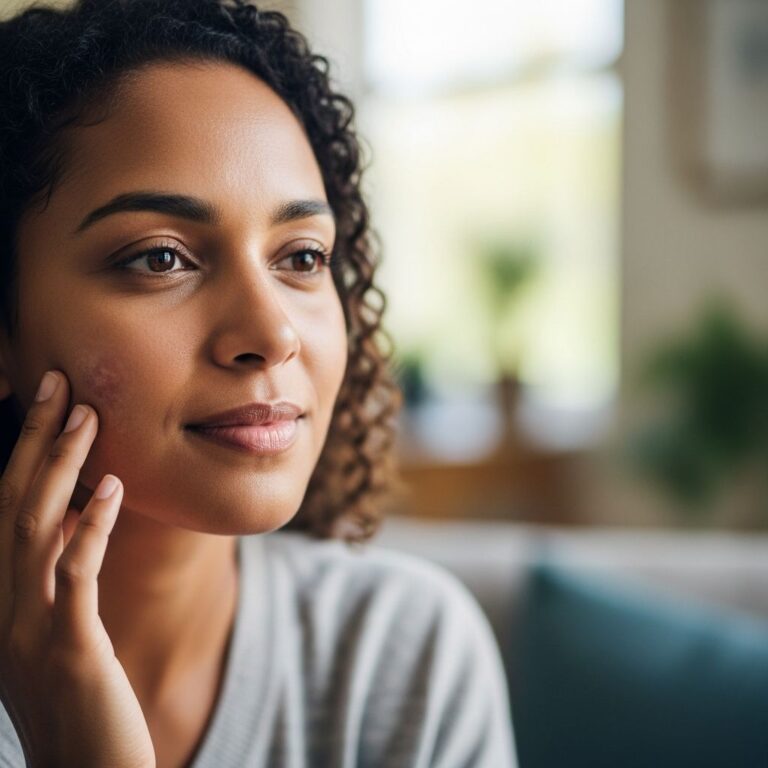
Acne vulgaris affects millions worldwide, characterized by inflamed pimples, blackheads, and whiteheads due to excess oil, clogged pores, and bacterial proliferation.
Nicotinamide
, a non-flushing form of vitamin B3, addresses acne through multiple mechanisms: it exhibits stronganti-inflammatory effects
to calm redness and swelling, stabilizes the epidermal barrier to reduce water loss and improve hydration, inhibits chemotaxis of inflammatory cells, and may reduce sebum production.Unlike retinoids or benzoyl peroxide, nicotinamide is gentle, making it suitable for sensitive skin. Clinical evidence supports its efficacy: a double-blind study of 76 patients with moderate acne found
4% nicotinamide gel as effective as 1% clindamycin gel
in reducing lesions after 8 weeks, with similar improvements in inflammatory and non-inflammatory acne (p > 0.05 between groups). Another trial showed nicotinamide plus adjuvants like antibacterial agents and zinc-PCA reduced non-inflammatory lesions by week 2 when combined with adapalene.Topical nicotinamide is available in gels like
Nicam® 4% Gel
andFreederm Nicotinamide Gel
, marketed in the UK, Canada, Australia, New Zealand, USA, and Ireland. It treats inflamed mild to moderate acne in adults, children, and the elderly.Before using nicotinamide gel
Who can use it
Suitable for anyone with
mild to moderate inflammatory acne
on the face, chest, or back. Safe for all ages, including children and elderly, but consult a doctor for severe acne, pregnancy, breastfeeding, or if using other topicals.Who might need a different treatment
- People with
severe nodular or cystic acne
may require prescription retinoids, antibiotics, or isotretinoin. - Those with very sensitive skin or conditions like eczema should patch-test.
- Not primary for non-inflammatory acne (blackheads only); combine with salicylic acid if needed.
Using other medicines
Compatible with most topicals but avoid simultaneous use with irritants like retinoids or benzoyl peroxide to prevent dryness. Apply nicotinamide morning/evening, others at different times. No known drug interactions.
Using with other acne treatments
| Treatment | Compatibility | Notes |
|---|---|---|
| Benzoyl peroxide | Good | Alternate applications to minimize irritation. |
| Adapalene/retinoids | Good | Use nicotinamide AM, retinoid PM. |
| Clindamycin | Alternative | Nicotinamide matches efficacy without resistance risk. |
| Salicylic acid | Good | Enhances comedone clearance. |
How to use nicotinamide gel
- Wash the affected area with a mild soap and water. Gently pat dry.
- Apply a thin layer of gel to the
entire acne-prone area
(not spot treatment) twice daily – morning and evening. - Gently rub in until absorbed. Avoid eyes, mouth, nostrils, and irritated skin.
- Wash hands after application.
**Dosage:** 4% gel, twice daily. If dryness or irritation occurs, reduce to once daily or every other day. Continue for at least
6-8 weeks
to assess efficacy; acne treatments take time as skin cell turnover is 28 days.How much to use
A pea-sized amount covers the face. Less is more to avoid overuse irritation.
Related Stories



If you forget a dose
Apply next dose as usual; do not double up.
Maintenance therapy
After clearance, use 1-2 times weekly or every other day to prevent relapse, as acne often recurs if stopped abruptly.
Side effects of nicotinamide gel
Generally
well-tolerated
with minimal side effects compared to antibiotics or retinoids. Common issues are mild and transient:- Dryness or peeling (10-20% users)
- Mild redness or itching
- Burning sensation (rare)
Serious reactions like severe allergy are extremely rare. Studies report no significant difference in tolerability vs. placebo or clindamycin. If persistent irritation, discontinue and consult a doctor.
Common side effects
| Side Effect | Frequency | Management |
|---|---|---|
| Dry skin | Common | Moisturize; reduce frequency. |
| Irritation | Uncommon | Alternate days. |
| Redness | Rare | Patch test first. |
Serious side effects
None reported in trials. Seek medical help for swelling, rash, or breathing issues (anaphylaxis, <0.1%).
How to cope with side effects
- Dryness: Use a non-comedogenic moisturizer 10-15 min after gel.
- Irritation: Start with every other day; build tolerance.
- Sensitivity: Use gentle cleanser; avoid harsh scrubs.
- Monitor for 1-2 weeks; most adapt.
Pregnancy and breastfeeding
Topical nicotinamide is considered
safe
in pregnancy and breastfeeding (low systemic absorption). No studies show risks, unlike oral retinoids. Consult doctor.Other acne treatments
Besides gels like Nicam/Freederm, options include:
- Topical antibiotics (clindamycin): Effective but resistance risk; nicotinamide equal efficacy.
- Benzoyl peroxide: Kills bacteria, but bleaching/irritating.
- Retinoids (adapalene): Unclog pores; more irritating.
- Oral nicotinamide: Supplements reduce acne but less evidence.
- Combinations like clindamycin+nicotinamide for stubborn cases.
Freederm
**Freederm Nicotinamide Gel** is a UK-available OTC product containing 4% nicotinamide. Spot-free in 4-6 weeks for many. Pump dispenser for hygiene. Wash, apply twice daily to affected areas. Maintenance prevents flares.
Further reading & references
Date reviewed: 5 October 2024
Next review due October 2027. Peer-reviewed by pharmacists.
Frequently Asked Questions
Q: How long until nicotinamide gel works?
A: Improvement in 2-4 weeks; full results in 6-8 weeks. Continue at least 6 weeks.
Q: Is it better than clindamycin?
A: Equally effective for moderate acne, but no antibiotic resistance risk.
Q: Can I use it with moisturizer?
A: Yes, apply moisturizer after gel dries.
Q: Suitable for teenagers?
A: Yes, safe for children and teens.
Q: Does it bleach clothes?
A: No, unlike benzoyl peroxide.
References
- Nicotinamide — DermNet NZ. 2023. https://dermnetnz.org/topics/nicotinamide
- Efficacy and Tolerability of Topical Nicotinamide Plus Antibacterial Adhesive Acne — Journal of Clinical and Aesthetic Dermatology. 2020-01-01. https://jcadonline.com/topical-nicotinamide-plus-antibacterial-adhesive-acne/
- Nicotinamide gel for acne (Freederm) — Patient.info. 2024-10-05. https://patient.info/medicine/nicotinamide-gel-for-acne-nicam-freederm
- Clindamycin+nicotinamide: Uses, Side Effects — Apollo Pharmacy. 2024. https://www.apollopharmacy.in/salt/Clindamycin+nicotinamide
- Counsel Patients On Topical Niacinamide for Acne Treatment — Pharmacy Times. 2023. https://www.pharmacytimes.com/view/counsel-patients-on-topical-niacinamide-for-acne-treatment-and-beyond
- The role of nicotinamide in acne treatment — PubMed (Journal of Clinical and Aesthetic Dermatology). 2017-02-01. https://pubmed.ncbi.nlm.nih.gov/28220628/
- Information for the user Nicam 4% Gel — HPRA (Health Products Regulatory Authority). 2023. https://assets.hpra.ie/products/Human/16312/2ff175d8-e86c-4854-9074-2badbb7c13b2.pdf
Similar Articles








Read full bio of medha deb