Nicotine Inhaler Guide: Use, Benefits, Side Effects
Discover how nicotine inhalers support quitting smoking by easing cravings and withdrawal while minimizing health risks.
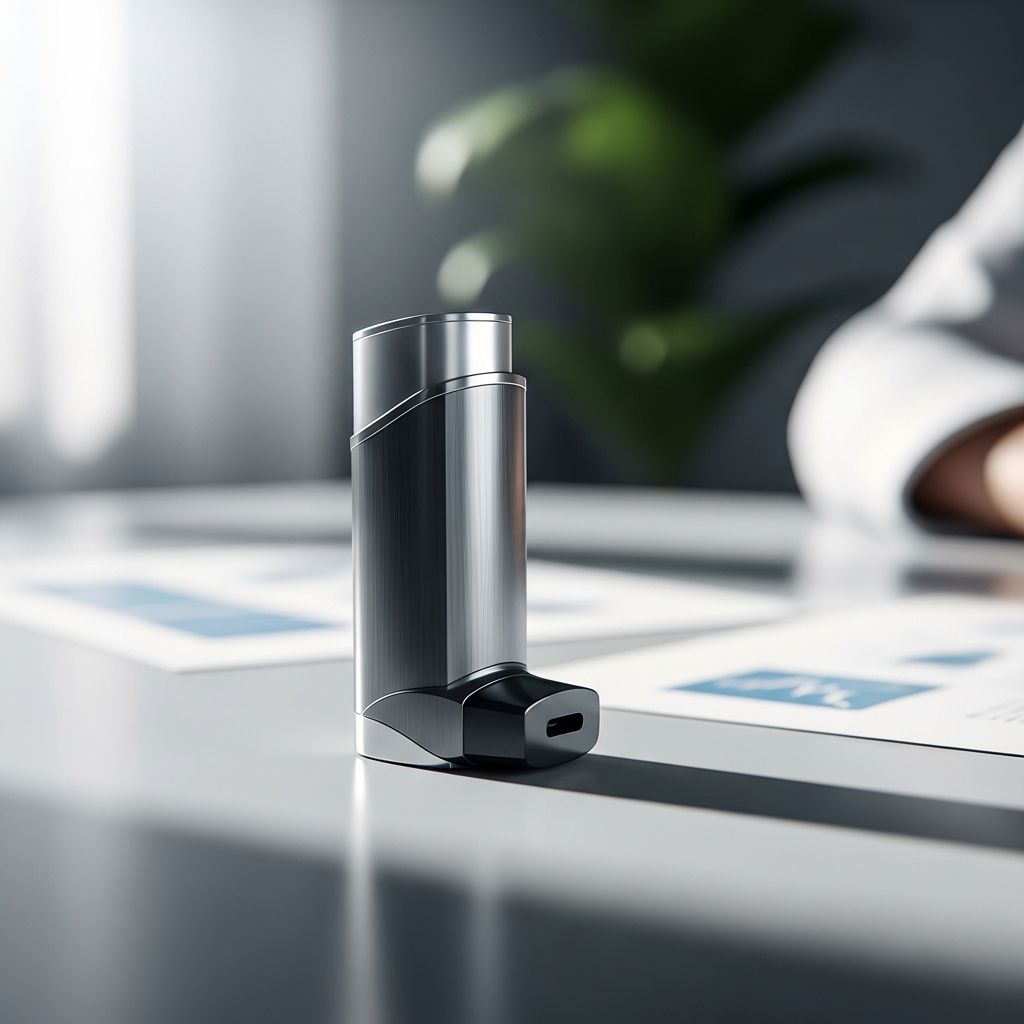
The nicotine inhaler serves as a prescription-based nicotine replacement therapy (NRT) designed to assist adults in overcoming cigarette addiction by alleviating withdrawal symptoms and curbing intense cravings for tobacco products.
Understanding Nicotine Inhalers and Their Role in Quitting
Nicotine inhalers mimic the hand-to-mouth action familiar to smokers, providing a behavioral substitute while delivering controlled doses of nicotine vapor absorbed primarily through the oral mucosa rather than the lungs. Unlike cigarettes, which deliver nicotine rapidly via inhalation into the bloodstream peaking at around 49 ng/mL within minutes, the inhaler produces a slower rise to about 6 ng/mL after intensive use, offering steadier relief without the harmful combustion byproducts.
Clinical trials demonstrate its efficacy: in one study of 429 heavy smokers (≥20 cigarettes/day), the active nicotine inhaler outperformed placebo, with 18% achieving at least 50% reduction in daily cigarette use after 4 months compared to 8% (p=0.004), and 8% achieving full abstinence by month 15 versus 1%. Reductions in smoking correlated with lowered exhaled carbon monoxide, serum cotinine, thiocyanate, and cardiovascular risk markers, suggesting tangible health improvements even without complete cessation.
Key Benefits for Smokers Seeking Change
Beyond craving control, inhalers address the psychological ritual of smoking. They activate neurohormonal pathways similar to nicotine from tobacco, releasing substances like dopamine and norepinephrine to combat withdrawal symptoms such as irritability, anxiety, and concentration difficulties.
- Craving Reduction: Steady nicotine delivery helps manage urges more effectively than abrupt cessation.
- Harm Reduction: Partial reduction lowers exposure to toxins, with biomarkers improving proportionally.
- Quitting Support: Enhances success rates when combined with counseling; FDA-approved for this purpose.
- Behavioral Aid: Puffing action satisfies habitual gestures without smoke inhalation.
Studies confirm no significant blood pressure alterations from NRT like inhalers, making them viable for those with hypertension histories who smoke.
Components and Mechanism of Action
A typical nicotine inhaler consists of a thin, plastic mouthpiece resembling a cigarette holder and removable cartridges, each containing 10 mg of nicotine. Only about 2 mg absorbs systemically after 20 minutes of puffing, as nicotine vaporizes upon drawing air through the cartridge and condenses in the mouth/throat.
Pharmacodynamics involve peripheral vasoconstriction, tachycardia, and catecholamine release, but at lower intensities than smoking. Temperature affects release: optimal between 68°F-104°F for steady plasma levels during hourly 20-minute sessions. It excels at relieving ‘smoker’s itch’—a common early withdrawal cue—outperforming placebo in the first week.
Step-by-Step Instructions for Effective Use
Consult a healthcare provider for a prescription, as inhalers are not over-the-counter. Begin on your quit date, discarding all tobacco products.
- Assemble: Insert a fresh cartridge into the device until it clicks.
Puff Regularly: Inhale deeply through the mouth for 3-4 seconds, holding briefly before exhaling slowly. Repeat 6-16 cartridges daily (up to 80 puffs/cartridge), primarily during waking hours.
- Session Length: Use each cartridge for about 20 minutes; replace when flavor fades or effect diminishes.
- Storage: Keep cartridges sealed in cool, dry places; avoid extremes affecting nicotine yield.
- Wean Off: Gradually reduce usage over 6-12 weeks: start at max dose weeks 1-6, halve weeks 7-9, quarter weeks 10-12.
Related Stories



Patients must commit to complete smoking abstinence upon starting, as concurrent use heightens nicotine overload risks.
Potential Side Effects and Management
Most effects stem from local irritation or nicotine itself and often milden with time.
| Common Side Effects | Frequency | Management Tips |
|---|---|---|
| Mouth/throat irritation, ‘peppery’ sensation | 40-66% (vs. 18-42% placebo) | Persist; symptoms decrease over days. Sip water. |
| Cough, runny nose | 23-32% | Common initially; consult doctor if persistent. |
| Headache, dyspepsia | 18% nicotine-related | Space doses; hydrate. |
| Hiccups, gas, back/jaw pain | Less common | Monitor; report if severe. |
Serious events like nausea, dizziness, or palpitations warrant discontinuation and medical attention, especially if cardiovascular symptoms escalate. Overdose mimics poisoning: vomiting, confusion, seizures—seek emergency care, particularly in children.
Who Should Use Caution or Avoid It
Not suitable for everyone. Use cautiously or under supervision in:
- Heart Conditions: Recent MI, severe arrhythmias, unstable angina—monitor closely.
- Respiratory Issues: Asthma/COPD; nicotine irritates airways, potentially worsening bronchospasm.
- Endocrine Disorders: Hyperthyroidism, pheochromocytoma, insulin-dependent diabetes—nicotine stimulates catecholamines.
- GI Problems: Active peptic ulcers; delays healing.
- Accelerated Hypertension: Risk of malignant escalation.
- Renal Impairment: Severe cases slow clearance.
- Pregnancy/Breastfeeding: Weigh risks; safer NRT forms may be preferred.
Adolescents under 18: generally not recommended without specialist input.
Integrating with Broader Quit Strategies
Maximize success by pairing with behavioral support: counseling, apps, or support groups. Track puffs in a journal to monitor progress and taper effectively. Combine with other NRTs (e.g., patches) under guidance for heavier smokers.
Lifestyle tips: exercise, healthy eating, stress management enhance outcomes. If relapse occurs, restart without self-judgment—most succeed after multiple attempts.
Frequently Asked Questions (FAQs)
Is the nicotine inhaler addictive?
Less so than cigarettes due to slower absorption; taper reduces dependence risk.
How many puffs equal a cigarette?
About 3-4 times more puffs needed per cartridge session vs. one cigarette.
Can I use it while still smoking?
No—stop smoking completely to avoid overdose.
Does it affect blood pressure?
Minimal impact per studies; safe for controlled hypertension.
What if I lose taste or smell?
Temporary; resolves with continued use or dose adjustment.
How long until side effects fade?
Most within 1-2 weeks as tolerance builds.
Monitoring Progress and Long-Term Success
Success metrics: reduced cravings, improved biomarkers, sustained abstinence. Reassess with providers at 1-3 months; adjust if needed. Long-term, quitting slashes risks of cancer, heart disease, and COPD dramatically within years.
For motivation: celebrate milestones like 1 week smoke-free. Resources from CDC and clinics offer free tools.
References
- Efficacy of the nicotine inhaler in smoking reduction — PubMed. 2006-08-16. https://pubmed.ncbi.nlm.nih.gov/16920653/
- Nicotrol® Inhaler Prescribing Information — Pfizer. Accessed 2026. https://cdn.pfizer.com/pfizercom/products/uspi_nicotrol_inhaler.pdf
- Nicotine inhaler (Nicotrol): Uses, Side Effects, Dosage & More — GoodRx. Accessed 2026. https://www.goodrx.com/nicotrol/what-is
- How to Use the Nicotine Oral Inhaler — Centers for Disease Control and Prevention (CDC). Accessed 2026. https://www.cdc.gov/tobacco/campaign/tips/quit-smoking/quit-smoking-medications/how-to-use-quit-smoking-medicines/how-to-use-a-nicotine-oral-inhaler.html
- Nicotine Oral Inhalation — MedlinePlus. Accessed 2026. https://medlineplus.gov/druginfo/meds/a606021.html
Similar Articles








Read full bio of Sneha Tete