Nicotine Patches: Complete Guide To Quitting Smoking
Discover how nicotine patches support smoking cessation, their mechanisms, usage guidelines, and emerging therapeutic roles beyond tobacco control.
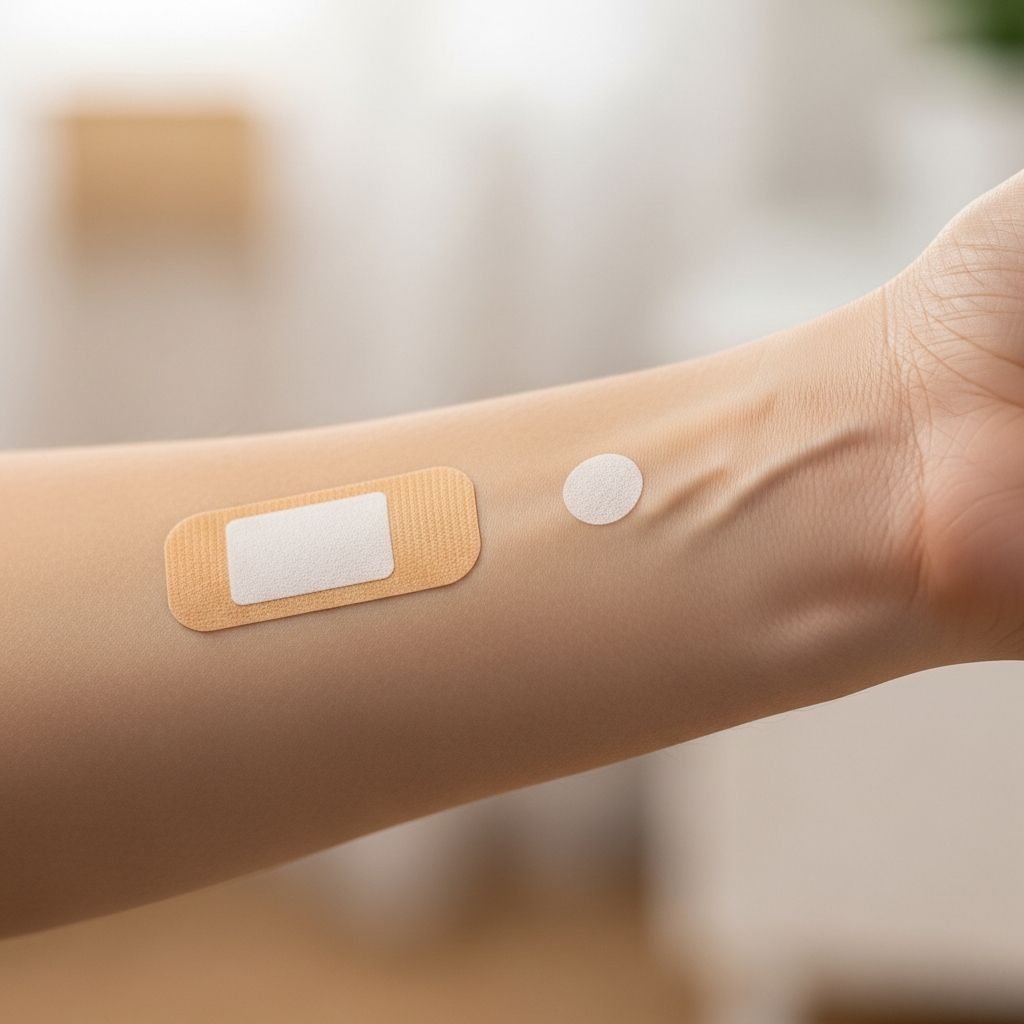
Nicotine patches provide a steady, controlled release of nicotine through the skin to help individuals overcome nicotine dependence and quit smoking successfully. This transdermal delivery system minimizes withdrawal symptoms without the harmful toxins in cigarettes.
Understanding Nicotine Replacement Therapy
Nicotine replacement therapy (NRT) supplies low doses of nicotine to alleviate cravings and irritability during quitting. Patches are a popular form, releasing nicotine continuously over 16-24 hours to maintain stable blood levels, unlike the peaks from smoking.
Unlike tobacco, NRT lacks tar, carbon monoxide, and carcinogens, making it safer for cessation. Clinical evidence supports patches doubling quit rates when used correctly.
How Nicotine Patches Function
Patches adhere to clean, dry, non-hairy skin, typically on the upper body. Nicotine diffuses through the skin into the bloodstream, mimicking addiction relief without combustion byproducts.
- Absorption rate: Slow and consistent, avoiding spikes.
- Duration: Step-down programs reduce dosage over 8-12 weeks.
- Benefits: Improves focus and reduces anxiety during early abstinence.
Choosing the Right Patch Strength
Selection depends on daily cigarette consumption. Heavy smokers (>10/day) start with 21mg/24hr patches; lighter users begin at 14mg or 7mg.
| Smoking Level | Initial Dose | Duration per Step |
|---|---|---|
| >10 cigarettes/day | 21 mg/24 hr | 4-6 weeks |
| 10 or fewer/day | 14 mg/24 hr | 2-4 weeks |
| Light smokers | 7 mg/24 hr | 2 weeks |
Gradually taper to zero, consulting healthcare providers for personalized plans.
Step-by-Step Application Guide
- Choose a hairless area like upper arm, back, or hip.
- Press firmly for 10-20 seconds; rotate sites daily to prevent irritation.
- Wear one patch per day; remove at bedtime if insomnia occurs.
- Avoid water exposure for first hour; patches are water-resistant.
Store at room temperature, away from children and pets.
Potential Side Effects and Precautions
Common reactions include skin redness, itching, or mild nausea, usually resolving quickly. Rare issues: rapid heartbeat, dizziness—remove patch and seek medical help.
- Skin care: Cleanse site post-removal; use hydrocortisone if needed.
- Contraindications: Recent heart attack, serious arrhythmias, or pregnancy—consult doctor.
- Overdose signs: Vomiting, confusion; call emergency services.
Combining with Other Quit Strategies
Pair patches with gum, lozenges, or bupropion for better success. Behavioral support like counseling boosts efficacy. Patches provide baseline nicotine; short-acting NRT handles acute cravings.
Beyond Smoking: Emerging Health Applications
Research explores nicotine patches for non-tobacco uses. In chronic lung disease like sarcoidosis, patches reduced inflammation and fatigue in trials, offering steroid alternatives.
Anti-inflammatory effects via alpha-7 nicotinic receptors show promise in ulcerative colitis, arthritis, and osteoarthritis, inhibiting cytokines and protecting tissues.
Studies indicate benefits for cognitive issues: Vanderbilt research found patches improved attention and memory in mild cognitive impairment without addiction risk. Potential in ADHD, depression, and Tourette’s via brain receptor modulation.
Related Stories



For inflammatory conditions like gout or multiple sclerosis, nicotine-mimics activate immune-suppressing cells. Osteoarthritis models showed reduced pain and cartilage damage.
Who Should Consider Nicotine Patches?
Ideal for motivated adults committed to quitting. Not for non-smokers, children, or those with uncontrolled hypertension. Pregnant individuals should explore alternatives first.
Monitoring Progress and Long-Term Success
Track cravings and mood weekly. If no improvement after 4 weeks, adjust or seek professional advice. Long-term quitters report sustained benefits like better lung function and reduced disease risk.
Frequently Asked Questions
Can nicotine patches cause weight gain?
Minimal; appetite returns post-quit. Exercise and diet help manage.
Are patches safe for long-term use?
Recommended up to 3-6 months; prolonged use risks dependence. Taper properly.
What if I forget to apply a patch?
Apply as soon as remembered; do not double up.
Do patches work for everyone?
Success varies; combine with support for 20-30% quit rates.
Can I drink alcohol while using patches?
Moderation advised; alcohol may heighten side effects.
Real-World Success Stories and Tips
Users report fewer cravings within days. Tips: Set quit date, remove smoking cues, join support groups. Clinical trials confirm patches’ role in sustained abstinence.
Emerging data on patches for post-surgical pain or dementia underscores nicotine’s therapeutic versatility. Always prioritize evidence-based use under guidance.
References
- Clinical Trial Uses Nicotine Patches to Treat Chronic Lung Disease — Ohio State Wexner Medical Center. 2017-08-28. https://www.youtube.com/watch?v=uM7U3aUr6pw
- Development of the nicotine patch for smoking cessation — VA Research. N/A. https://www.research.va.gov/research_in_action/Development-of-the-nicotine-patch-for-smoking-cessation.cfm
- Nicotine in Inflammatory Diseases: Anti-Inflammatory and Pro … — PMC (NCBI). 2022. https://pmc.ncbi.nlm.nih.gov/articles/PMC8895249/
- Nicotine-mimics may have therapeutic effect on inflammatory disease — Stanford Medicine. 2018-07. https://med.stanford.edu/news/all-news/2018/07/nicotine-mimics-may-have-therapeutic-effect-on-inflammatory-disease.html
- WhyNicotine — Vanderbilt University Medical Center. N/A. https://www.vumc.org/ccm/whynicotine
- Nicotine (transdermal route) — Mayo Clinic. N/A. https://www.mayoclinic.org/drugs-supplements/nicotine-transdermal-route/description/drg-20068808
- Nicotine replacement therapy — MedlinePlus (NIH). N/A. https://medlineplus.gov/ency/article/007438.htm
Similar Articles








Read full bio of medha deb