Nicotine Replacement Therapy: 5 Options To Quit Smoking
Discover effective ways to quit smoking using nicotine replacement therapy options and strategies for lasting success.
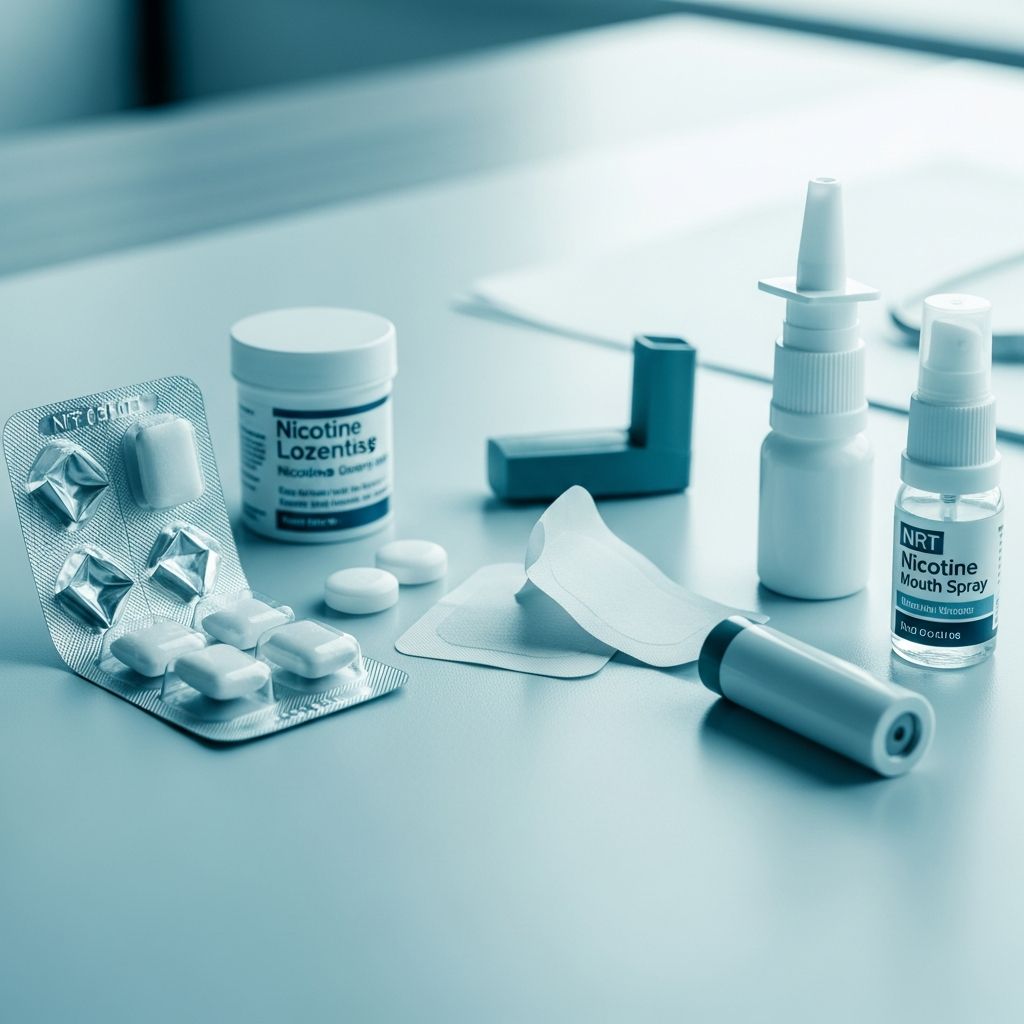
Quitting smoking stands as one of the most impactful steps you can take for your health, reducing risks of cancer, heart disease, and respiratory issues.
Nicotine Replacement Therapy (NRT)
delivers controlled doses of nicotine without the toxic chemicals in tobacco smoke, easing cravings and withdrawal symptoms to improve success rates.Research indicates NRT can increase quit chances by 50-70%, making it a cornerstone of evidence-based cessation programs. This guide covers NRT forms, proper use, combination strategies, safety considerations, and support tips for long-term freedom from tobacco.
Understanding Withdrawal and How NRT Helps
When you stop smoking, your body experiences withdrawal from nicotine, leading to irritability, anxiety, increased appetite, and intense cravings. These symptoms peak within days and can last weeks, often derailing quit attempts.
NRT addresses this by providing nicotine gradually, mimicking the brain’s reward response without combustion byproducts like tar or carbon monoxide. Unlike cigarettes, which deliver nicotine rapidly alongside 7,000+ chemicals, NRT offers a safer, slower absorption. Studies show it doubles quit success compared to willpower alone.
Available Forms of Nicotine Replacement Therapy
The FDA approves five main NRT types, categorized as long-acting (steady release) or short-acting (on-demand for cravings). Over-the-counter options include patches, gum, and lozenges; nasal sprays and inhalers need prescriptions.
| Type | Acting Duration | Availability | Key Benefits |
|---|---|---|---|
| Patch | Long (24 hours) | OTC | Steady nicotine levels, easy once-daily use |
| Gum | Short (20-30 min) | OTC | Quick craving relief, oral habit mimic |
| Lozenges | Short (20-30 min) | OTC | Discreet, no chewing needed |
| Nasal Spray | Short (fast-acting) | Prescription | Rapid absorption for heavy smokers |
| Inhaler | Short (fast-acting) | Prescription | Hand-to-mouth ritual similar to smoking |
Long-Acting NRT: Nicotine Patches
Patches adhere to clean, dry skin, releasing nicotine steadily over 24 hours. Available in strengths like 21mg, 14mg, and 7mg, start with higher doses for heavy smokers (over 10 cigarettes/day).
- Apply daily to non-hairy areas like arm or back; rotate sites to avoid irritation.
- Follow an 8-10 week step-down: 6 weeks high dose, 2 weeks medium, 2 weeks low.
- Advantages: Convenient, consistent blood levels; ideal for baseline nicotine needs.
Side effects may include skin redness or sleep issues (remove at night if disruptive).
Short-Acting NRT: Gums, Lozenges, Sprays, and Inhalers
These target sudden urges, allowing flexible dosing.
- Gum: Chew slowly until tingling, park between cheek and gum; repeat for 20-30 minutes. Avoid eating/drinking 15 minutes before/after.
- Lozenges: Dissolve slowly (don’t chew/swallow); up to 20/day.
- Nasal Spray: One spray per nostril (up to 40/day); fast but may irritate nose.
- Inhaler: Puff and hold vapor; mimics smoking motion.
Optimizing Success with Combination Therapy
For heavy users or those with strong dependence, combining long- and short-acting NRT yields better results. Use a patch for steady supply plus gum/lozenges for breakthroughs.
Guidelines from the American Thoracic Society recommend extended use (>12 weeks) for dependent adults. Pairing NRT with counseling doubles efficacy further. Consult providers before combining, especially with medications like bupropion or varenicline.
Dosing Guidelines by Smoking Habits
Tailor NRT to cigarettes per day (CPD):
| Cigarettes/Day | Patch Starting Dose | Short-Acting Max/Dose |
|---|---|---|
| <10 | 14mg or 7mg | Gum/Lozenges: 4mg strength, as needed |
| 10-20 | 21mg step to 14mg | Up to 20 pieces/day |
| >20 | 21mg (dual if needed) | Spray/Inhaler: Up to 40 doses/day |
Related Stories



Start NRT 1-2 weeks pre-quit or on quit day; taper over 8-12 weeks.
Common Side Effects and Management
NRT is safer than smoking but can cause mild issues:
- Skin reactions (patches): Use hydrocortisone cream; rotate sites.
- Mouth/throat irritation (gum/lozenges): Proper technique reduces this.
- Nasal issues (spray): Starts strong, improves with time.
- Hiccups/heartburn: Limit dose, eat small meals.
Rare severe effects like overdose need immediate care: nausea, rapid heartbeat. Activated charcoal may bind excess nicotine. Not for non-smokers, pregnant individuals without advice, or those with recent heart attacks.
Special Populations: Youth and Heavy Users
For adolescents, NRT aids youth cessation when combined with counseling. Use lowest effective doses under supervision. Heavy smokers benefit most from combos; extended therapy helps sustain quits.
Boosting NRT with Behavioral Support
NRT works best alongside therapy: set quit dates, track triggers, join support groups. Apps and hotlines like 1-800-QUIT-NOW enhance motivation. Multiple attempts are normal—persistence pays off.
Frequently Asked Questions (FAQs)
Can NRT cause addiction?
Lower risk than cigarettes due to gradual delivery; most users quit NRT successfully.
Is NRT safe during pregnancy?
Consult a doctor; benefits may outweigh risks vs. continued smoking.
How long to use NRT?
Typically 8-12 weeks, extendable to 24 for tough cases.
Does NRT work for smokeless tobacco?
Lozenges show promise; consult providers.
Can I drink alcohol with NRT?
Avoid with gum/lozenges as it reduces efficacy; patches okay.
Steps to Start Your Quit Journey Today
- Assess dependence: CPD, years smoked.
- Choose NRT: Patch + short-acting for most.
- Set quit date; stock supplies.
- Seek counseling/support.
- Monitor progress, adjust as needed.
Millions have quit with NRT—your success story awaits. Professional guidance personalizes your plan for optimal results.
References
- Nicotine Replacement Therapy to Help You Quit Tobacco — American Cancer Society. 2023. https://www.cancer.org/cancer/risk-prevention/tobacco/guide-quitting-smoking/nicotine-replacement-therapy.html
- Nicotine replacement therapies (NRT) — University of California San Francisco Smoking Cessation Leadership Center. 2023. https://smokingcessationleadership.ucsf.edu/sites/smokingcessationleadership.ucsf.edu/files/Documents/FactSheets/ACS-QuitSmoking-REV.pdf
- Nicotine Replacement Therapy — NCBI StatPearls, National Institutes of Health. 2023-10-01. https://www.ncbi.nlm.nih.gov/books/NBK493148/
- Nicotine Replacement Therapy (NRT) — Cleveland Clinic. 2023. https://my.clevelandclinic.org/health/treatments/nicotine-replacement-therapy-nrt
- Nicotine Replacement Therapy and Adolescent Patients — American Academy of Pediatrics. 2023. https://www.aap.org/en/patient-care/tobacco-control-and-prevention/youth-tobacco-cessation/nicotine-replacement-therapy-and-adolescent-patients/
Similar Articles








Read full bio of Sneha Tete