Nigella Seeds: 10 Science-Backed Benefits And Uses
Discover the impressive health benefits of nigella seeds, from antioxidant power to blood sugar control and beyond.
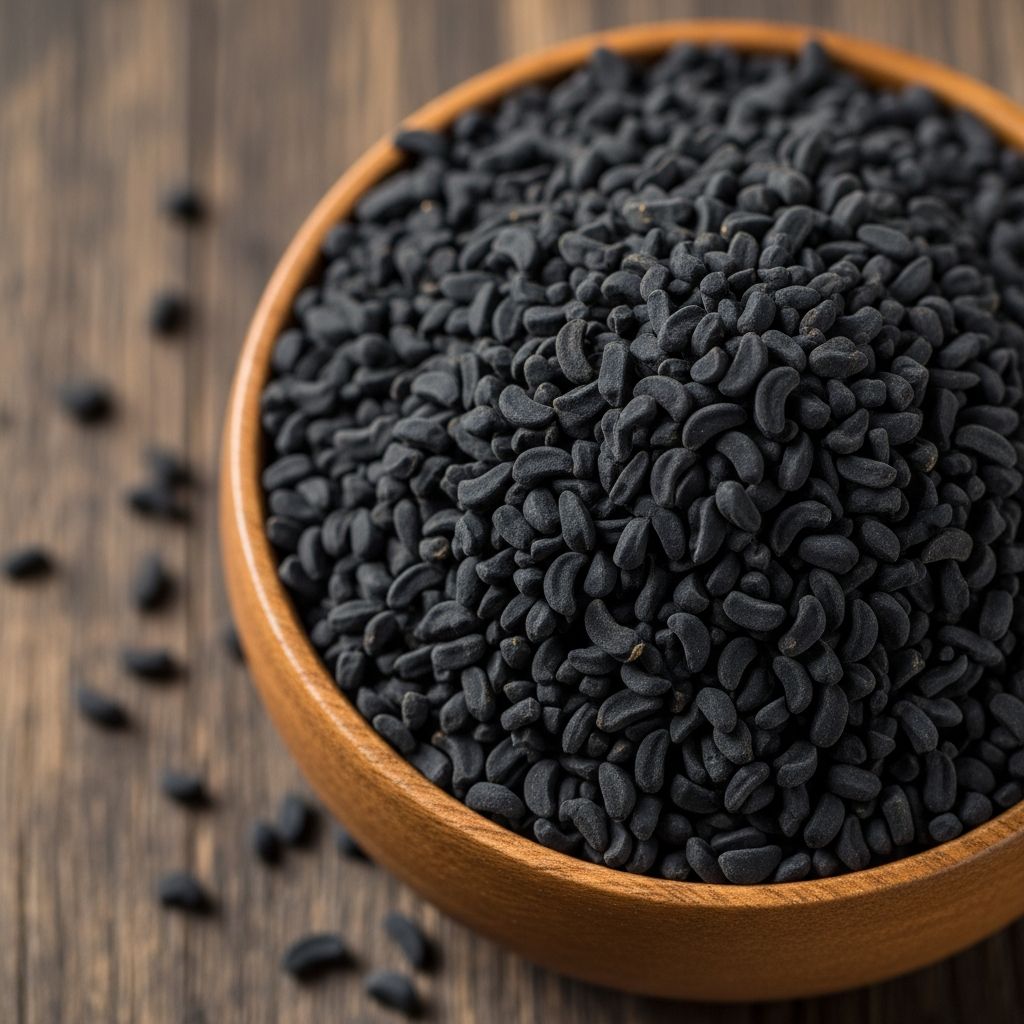
Nigella seeds, scientifically known as Nigella sativa and commonly called black cumin, kalonji, or black seed, are tiny black seeds with a peppery, nutty flavor used in cooking and traditional medicine for centuries. Originating from Southwest Asia, North Africa, and the Mediterranean, these seeds have gained modern attention for their potential health benefits backed by scientific research, primarily due to bioactive compounds like thymoquinone.
What Are Nigella Seeds?
Nigella seeds come from the Nigella sativa plant, a flowering annual in the Ranunculaceae family. The seeds are small, black, and triangular, often confused with onion seeds but distinct in flavor and nutrition. Historically praised in Arabic medicine—where Prophet Muhammad reportedly called them a cure for every disease—they’ve been used for digestive issues, inflammation, and respiratory ailments. Today, research confirms their broad pharmacological potential, including antioxidant, anti-inflammatory, and antimicrobial effects.
In cuisine, nigella seeds flavor breads, curries, and pickles, especially in Indian, Middle Eastern, and North African dishes. Their essential oil and extracts are studied for therapeutic uses, with thymoquinone identified as a key active compound providing most benefits.
Nutrition Facts of Nigella Seeds
A one-tablespoon (about 7g) serving of nigella seeds provides approximately:
- Calories: 92
- Protein: 3.6g
- Fat: 7.2g (mostly healthy unsaturated fats)
- Carbohydrates: 4.8g
- Fiber: 3.1g
- Key micronutrients: Iron (17% DV), calcium (8% DV), magnesium (10% DV), and zinc (12% DV)
They are rich in antioxidants like thymoquinone, nigellone, and essential fatty acids, contributing to their health-promoting properties. Unlike many seeds, nigella offers a unique profile supporting energy, immunity, and metabolic health.
Potential Health Benefits of Nigella Seeds
Packed with Antioxidants
Nigella seeds are loaded with potent antioxidants that combat free radicals, reducing oxidative stress linked to chronic diseases like cancer, diabetes, and heart disease. Thymoquinone, the primary antioxidant, neutralizes harmful molecules and protects cells. A 2021 study showed thymoquinone induced cell death in blood cancer cells, while a 2018 study indicated it prevents breast cancer metastasis. These properties extend to pancreatic, colon, and prostate cancers in preclinical research.
May Lower Cholesterol Levels
High cholesterol contributes to heart disease. Nigella seeds may reduce total and LDL cholesterol while raising HDL. Clinical trials demonstrate hypolipidemic effects, with one meta-analysis confirming improvements in type 2 diabetes patients’ lipid profiles. Mechanisms involve inhibiting cholesterol synthesis and enhancing liver clearance.
Cancer-Fighting Properties
Beyond antioxidants, nigella extracts show antitumor activity by slowing tumor growth, inducing apoptosis, and inhibiting metastasis. Studies highlight efficacy against breast, leukemia, and other cancers. While promising in vitro and animal models, human trials are ongoing, positioning nigella as a potential adjunct therapy.
Antibacterial Effects
Nigella seeds combat bacteria like MRSA and H. pylori, responsible for infections and ulcers. A 2020 study found kalonji eradicated H. pylori better than placebo in dyspepsia patients, improving quality of life. Their compounds disrupt bacterial membranes, offering natural antibiotic alternatives.
Reduces Inflammation
Chronic inflammation underlies many diseases. Nigella oil (1,000mg daily for 8 weeks) lowered inflammatory markers and oxidative stress in liver disease patients. A 2023 meta-analysis confirmed reductions in people with metabolic dysfunction-associated steatotic liver disease (MASLD), including hepatic steatosis and liver enzymes. Anti-inflammatory effects stem from inhibiting pro-inflammatory cytokines.
Supports Liver Health
Nigella protects the liver from damage, reducing enzymes like ALT/AST in NAFLD and MASLD. Human studies show decreased steatosis and inflammation with supplementation. Hepatoprotective actions involve antioxidant defense and lipid metabolism regulation.
Aids Blood Sugar Regulation
For diabetes management, nigella improves glucose homeostasis. A systematic review and meta-analysis found it lowers fasting blood sugar and HbA1c in type 2 diabetes patients, comparable to some medications. It enhances insulin sensitivity and beta-cell function.
Prevents Ulcers
Nigella inhibits H. pylori and protects gastric mucosa, preventing ulcers. Combined with antibiotics, it boosts eradication rates. Gastroprotective effects include anti-ulcer and antisecretory activities.
Weight Loss Support
Black cumin aids obesity management via anti-adipogenic effects, reducing fat accumulation and improving metabolism. Studies link it to BMI reductions, especially with diet.
Other Benefits
Additional research supports bronchodilator effects for asthma, improved memory, hepatoprotection, and lactation support. It’s safe for daily use, enhancing immunity and energy.
How to Use Nigella Seeds
Incorporate nigella seeds into your diet easily:
- Culinary: Sprinkle on naan, salads, curries, or yogurt for nutty flavor.
- Oil: 1 tsp daily in dressings or smoothies (500-1,000mg supplements).
- Tea: Boil 1 tsp seeds in water for digestive aid.
- Powder: Mix into spice blends.
For health supplements, start with 1-2g daily. During lactation, it boosts milk production; half-dose for children over 2. Avoid in pregnancy.
Possible Side Effects and Precautions
Generally safe, but:
- Pregnancy: Avoid due to uterine contraction risks.
- Interactions: May enhance blood sugar-lowering drugs; monitor levels.
- Allergies: Rare contact dermatitis.
- Surgery: Stop 2 weeks prior due to blood sugar effects.
Consult a doctor if on medications or pregnant. High doses may cause stomach upset.
Frequently Asked Questions (FAQs)
What are nigella seeds also called?
Nigella seeds are known as black cumin, kalonji, black seed, or love-in-a-mist seeds.
Are nigella seeds the same as black sesame?
No, nigella seeds are from Nigella sativa; black sesame is from sesame plants—different flavor and nutrition.
Can nigella seeds help with weight loss?
Yes, studies suggest anti-adipogenic and lipid-lowering effects aid obesity management.
Is nigella seed oil safe during breastfeeding?
Yes, recommended for lactation to boost milk production and immunity.
How much nigella seeds per day?
1-3g seeds or 500-1,000mg oil daily is typical; consult a professional.
Bottom Line
Nigella seeds offer impressive, evidence-based benefits from antioxidants to metabolic support. While promising, more large human trials are needed. Add them to your routine mindfully for potential health gains.
References
- Black Seeds (Nigella sativa) Medical Application and… — National Institutes of Health (NIH). 2023. https://pmc.ncbi.nlm.nih.gov/articles/PMC10353664/
- 9 Impressive Health Benefits of Kalonji (Nigella Seeds) — Healthline. 2025-05-20. https://www.healthline.com/nutrition/kalonji-nigella-seeds
- Friday Favorites: Benefits of Black Cumin Seed (Nigella Sativa) for Weight Loss — NutritionFacts.org. 2017. https://nutritionfacts.org/video/friday-favorites-benefits-of-black-cumin-seed-nigella-sativa-for-weight-loss/
- Black Cumin Seed (Nigella sativa) Confers Anti‐Adipogenic Effects — Wiley Online Library. 2024. https://onlinelibrary.wiley.com/doi/10.1002/fsn3.70888
Similar Articles








Read full bio of Sneha Tete