Night Blindness (Nyctalopia): Causes, Symptoms & Treatment
Understanding night blindness: Learn what causes nyctalopia, how it affects your vision, and available treatment options.
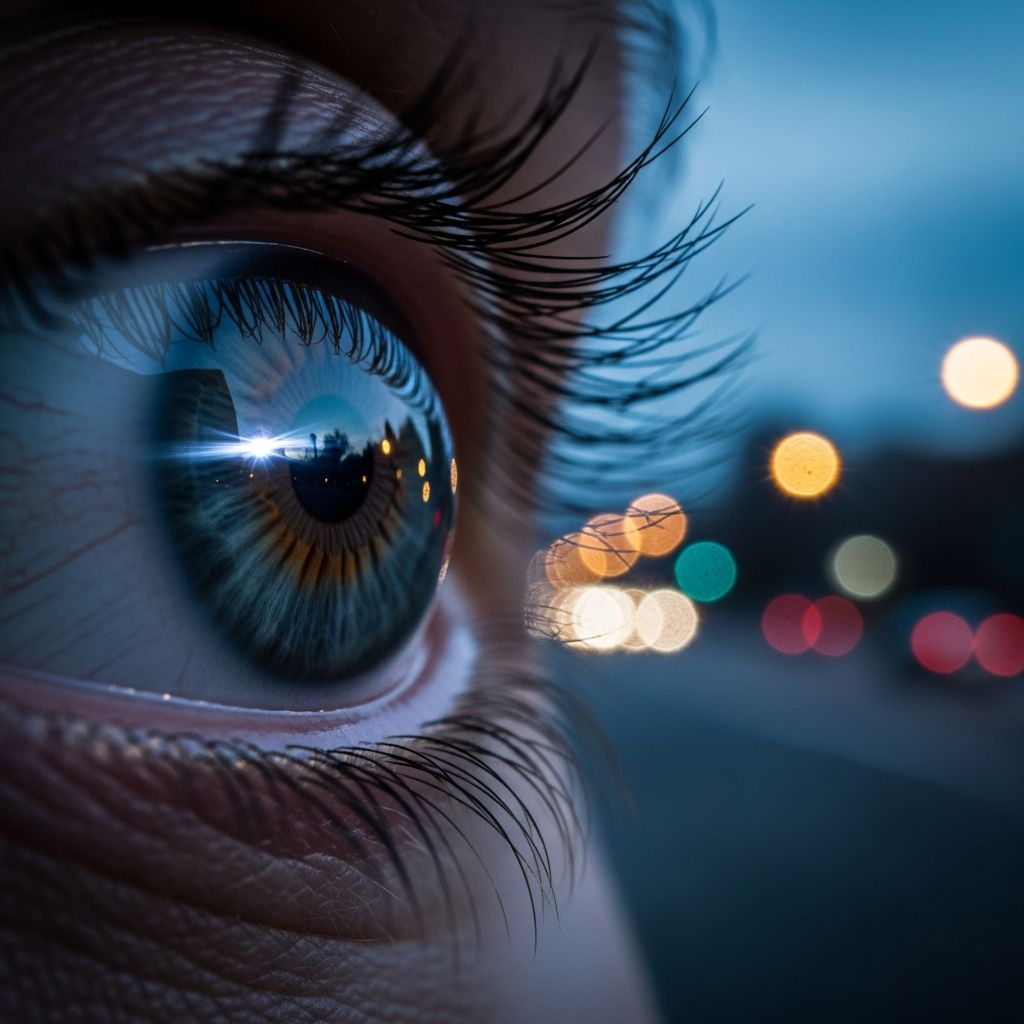
Understanding Night Blindness (Nyctalopia)
Night blindness, medically known as nyctalopia (pronounced “nik-tah-LOPE-ee-uh”), is a vision condition that makes it difficult to see in dim or dark environments. This symptom affects your eyes’ ability to adjust to sudden changes between bright light and darkness, or to detect light effectively in low-light settings. It is important to understand that night blindness is not a disease in itself, but rather a symptom of an underlying eye condition. The good news is that most causes of night blindness are treatable or manageable with proper medical intervention.
While humans cannot see in total darkness, our eyes have remarkable adaptive abilities for low-light conditions. When this adaptation function fails, even simple tasks become challenging and potentially dangerous. From navigating a darkened house to driving at night, night blindness can significantly impact daily activities and quality of life. Some forms of night blindness develop during childhood, while others may not appear until adulthood, depending on the underlying cause.
How Night Vision Works
The ability to see in low-light conditions involves two critical structures in your eyes: the rod cells in your retina and the iris. Rod cells are specialized photoreceptor cells that contain a pigment called rhodopsin, which allows them to detect and respond to even small amounts of light. The iris controls the pupil size, regulating how much light enters the eye and reaches the retina.
When light levels decrease, your pupils dilate (expand) to allow more light to enter, and your rod cells become more sensitive to this available light. This natural adaptation process allows you to gradually adjust your vision from bright daylight to darker environments. However, when either the rod cells malfunction or light cannot properly reach the retina, night blindness develops.
Main Categories of Night Blindness Causes
Night blindness typically falls into two broad categories, depending on where the problem originates in your visual system:
Retina-Related Issues
When your retina is not working properly, the rod cells may react too weakly to light or fail to react at all. This dysfunction prevents your eyes from detecting and processing available light effectively. Several conditions fall into this category and require different treatment approaches.
Light Transmission Problems
Night blindness can also occur when conditions affect how light travels through your eyes. The tissues that make up the front parts of your eyes need to be clear so light can pass through them unobstructed. When these tissues become cloudy or fail to allow light to pass through correctly, less light reaches your retinas, making it difficult to see in dim conditions.
Common Causes of Night Blindness
Vitamin A Deficiency
Vitamin A deficiency is one of the most common and most treatable causes of night blindness. Vitamin A is essential for producing rhodopsin, the pigment in rod cells that enables low-light vision. When your body lacks sufficient vitamin A, your rod cells cannot produce adequate rhodopsin, resulting in poor night vision. This condition is particularly common in developing countries but can occur in anyone with malabsorption issues, dietary deficiencies, or following certain surgical procedures like gastric bypass. The encouraging aspect is that vitamin A supplementation can often restore normal night vision.
Cataracts
Cataracts occur when the lens of your eye becomes cloudy, preventing light from passing through clearly. This cloudiness develops gradually over time and affects both day and night vision. Cataracts are particularly problematic at night because less ambient light is available to penetrate the clouded lens. The good news is that cataract surgery is highly effective and can often completely resolve night blindness caused by this condition.
Retinitis Pigmentosa
Retinitis pigmentosa is a genetic disorder that causes progressive degeneration of the rod and cone cells in the retina. This condition typically begins with night blindness and may progress to tunnel vision and eventual sight loss. It is one of the genetic diseases that may not currently be treatable, though research is ongoing.
Cone-Rod Dystrophy
Similar to retinitis pigmentosa, cone-rod dystrophy is an inherited retinal disorder that causes progressive vision loss. It affects the cone and rod cells, leading to difficulties with both color vision and night sight. This is another genetic condition that currently has limited treatment options.
Age-Related Macular Degeneration
Macular degeneration affects the central part of the retina responsible for detailed vision. While it primarily impacts daytime vision quality, it can also contribute to night vision difficulties. This condition is age-related and requires ongoing management to slow progression.
Congenital Stationary Night Blindness
This is an inherited condition present from birth that causes persistent night blindness without progressive vision loss in daylight hours. People with this condition have non-functional rod cells, but their cone vision remains normal. The night blindness remains stable throughout life.
Glaucoma and Glaucoma Medications
Glaucoma occurs when increased eye pressure damages the optic nerve. This condition can affect night vision by disrupting normal visual processing. Additionally, some glaucoma medications that constrict the pupil can also contribute to reduced night vision by limiting the amount of light that reaches the retina.
Nearsightedness (Myopia)
While myopia itself is not a retinal disease, people with nearsightedness often experience some difficulties with night vision. In myopia, light focuses in front of the retina rather than directly on it, which can make low-light vision more challenging. This is typically an optical issue rather than a true retinal problem.
Diabetes
Diabetes can lead to diabetic retinopathy, a condition where high blood sugar levels damage blood vessels in the retina. This damage affects the retina’s ability to function properly, potentially causing night blindness along with other vision problems.
LASIK and Other Eye Surgery
LASIK and similar refractive surgery procedures can sometimes result in night vision difficulties as a side effect. This may occur due to changes in how light enters and focuses in the eye following surgery.
Keratoconus
Keratoconus is a condition where the cornea gradually thins and changes shape into a cone-like formation. This irregular shape can cause light to scatter and focus improperly on the retina, leading to night vision problems along with general vision disturbances.
Symptoms and Complications of Night Blindness
The primary symptom of night blindness is difficulty seeing in dim or dark environments. However, many conditions that cause night blindness also affect daytime vision. These conditions can make it harder to see overall, blur your vision, disrupt how you see colors, and create other vision disturbances.
Driving Safety Concerns
One of the most significant practical challenges with night blindness is the impact on driving safety. You might not see well enough to drive at night, and driving at twilight becomes particularly dangerous if your eyes have trouble adjusting between the darkening landscape and the brighter sky. Driving after dark is also hazardous when your eyes struggle to adjust between complete darkness and various light sources like streetlights and oncoming headlights.
Daily Life Impact
Night blindness can create psychological effects as well. Many adults develop anxiety related to darkness, especially when they cannot see well in dim or dark settings. This can affect quality of life and limit social activities or outdoor engagements.
Diagnosis and Evaluation
Night blindness cannot be self-diagnosed or self-treated. If you notice symptoms of night blindness, it is essential to see an eye care specialist. Your ophthalmologist or optometrist will perform a thorough eye examination to identify the underlying cause. They may order specialized tests, which could include:
– Visual acuity testing
– Dilated eye exams
– Retinal imaging
– Genetic testing for hereditary conditions
– Blood work to check vitamin A levels
– Advanced imaging tests like optical coherence tomography (OCT)
Treatment Options
Treatment for night blindness depends entirely on the underlying cause. Because so many different issues can cause or contribute to night blindness, treatments vary widely. Your eye care specialist is the best person to determine what caused your condition and recommend appropriate treatment approaches.
Treatable Causes
Some conditions causing night blindness are highly treatable or even curable:
– Vitamin A Deficiency: Vitamin A supplements can restore normal night vision- Cataracts: Surgical removal of the clouded lens is highly effective- Updated Eyeglass Prescription: A new prescription may address optical issues related to myopia or other refractive errors- Glaucoma Medication Adjustment: Switching medications may improve night vision if current medications are contributing to the problem
Manageable but Non-Curable Causes
Some conditions cannot be cured but can be managed to limit their effects: Genetic diseases like retinitis pigmentosa, cone-rod dystrophy, and congenital stationary night blindness currently have no cure. For these conditions, the focus shifts to symptom management and lifestyle adaptations that help maintain safety and quality of life.
Prevention Strategies
Some causes of night blindness are preventable. Taking vitamin A supplements after gastric bypass surgery, for example, can prevent vitamin A deficiency-related night blindness. Additionally, maintaining overall eye health through regular check-ups, managing diabetes, and protecting your eyes from injury can help prevent some causes of night blindness.
Safety Precautions When You Have Night Blindness
If you start noticing trouble seeing in dark settings, you should avoid driving or other potentially dangerous activities until you see an eye care specialist. Until they tell you it’s safe to resume these activities, it is best not to risk the health and safety of yourself or others. Consider using:
– Adequate artificial lighting in your home
– Night lights in hallways and bathrooms
– Reflective clothing or accessories when outside after dark
– Transportation alternatives to driving at night
Frequently Asked Questions
Q: Is night blindness the same as complete darkness blindness?
A: No. Humans cannot naturally see in complete darkness. Night blindness specifically refers to difficulty seeing in dim or low-light conditions where some light is available. People with night blindness can typically see normally in adequate lighting but struggle in twilight or dark environments.
Q: Can night blindness be permanent?
A: It depends on the cause. Night blindness from vitamin A deficiency or cataracts can often be resolved with treatment. However, genetic conditions like retinitis pigmentosa are currently permanent, though research into new treatments continues.
Q: Is night blindness common?
A: While severe forms of night blindness are rare, many people experience some mild difficulty with night vision. This can be due to myopia, vitamin deficiencies, or natural age-related changes in vision. However, significant night blindness always warrants professional evaluation.
Q: Will I go completely blind if I have night blindness?
A: Not necessarily. Many causes of night blindness only affect low-light vision and do not progress to complete blindness. However, some genetic conditions may eventually affect daytime vision as well. Regular monitoring by an eye care specialist is important for early detection and management.
Q: Can lifestyle changes help with night blindness?
A: While lifestyle changes alone cannot cure night blindness, they can help manage its effects. Ensuring adequate vitamin A intake, protecting your eyes from injury, managing chronic conditions like diabetes, and taking appropriate safety precautions can all contribute to better vision health and safety.
When to See an Eye Care Specialist
If you notice difficulty seeing in dark or dim settings, schedule an appointment with an eye care specialist. Early diagnosis and treatment may help avoid bigger issues in the future. Most causes of night blindness are not dangerous themselves, but they can still disrupt your eyesight and warrant professional evaluation. An ophthalmologist or optometrist can help you understand what is causing your symptoms and recommend appropriate treatment or management strategies.
Conclusion
Night blindness is a symptom of underlying eye conditions, most of which are treatable. Understanding the various causes and seeking professional care when symptoms appear is crucial for maintaining your vision and safety. While some genetic forms of night blindness are not currently curable, many common causes can be effectively treated or managed. By working with your eye care specialist and taking appropriate precautions, you can address night blindness and maintain a good quality of life.
References
- Night Blindness (Nyctalopia): What It Is, Causes & Treatment — Cleveland Clinic. 2023-12-19. https://my.clevelandclinic.org/health/symptoms/10118-night-blindness-nyctalopia
- Is This Why You Can’t See at Night? — Cleveland Clinic Health. https://health.clevelandclinic.org/is-this-why-you-cant-see-at-night
- Night Blindness: Causes & Diagnosis — Cleveland Clinic Abu Dhabi. https://www.clevelandclinicabudhabi.ae/en/health-hub/health-resource/diseases-and-conditions/night-blindness
- Difficulty Seeing at Night? A Symptom Guide to Nyctalopia — Medical Report Foundation. https://www.medreport.foundation/post/difficulty-seeing-at-night-a-symptom-guide-to-nyctalopia
- Night Blindness (Nyctalopia) – Symptoms, Causes, and Treatment — WebMD. https://www.webmd.com/eye-health/night-blindness
- Vitamin A Deficiency: Causes, Symptoms, Treatment & Prevention — Cleveland Clinic. https://my.clevelandclinic.org/health/diseases/23107-vitamin-a-deficiency
- What Causes Night Blindness? — Cleveland Clinic. 2023-03-24. https://www.youtube.com/watch?v=FDOcdhPoYMk
Similar Articles







Read full bio of Sneha Tete